


Walnut Drop Front Desk
A walnut drop front desk combines a sloping writing flap with hidden interior drawers, offering traditional craftsmanship and practical workspace.
Walnut Drop Front Desk
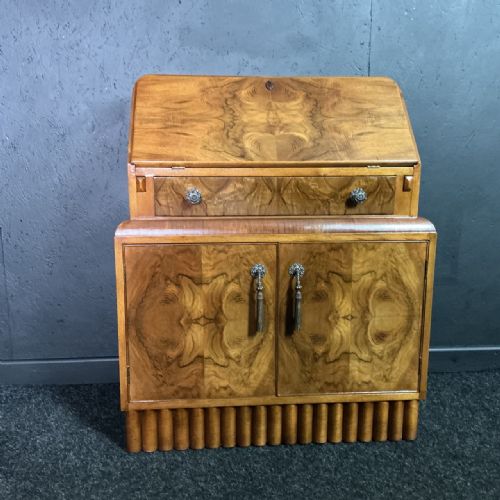
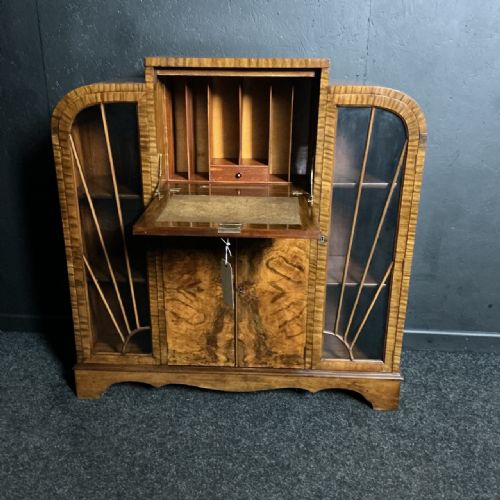
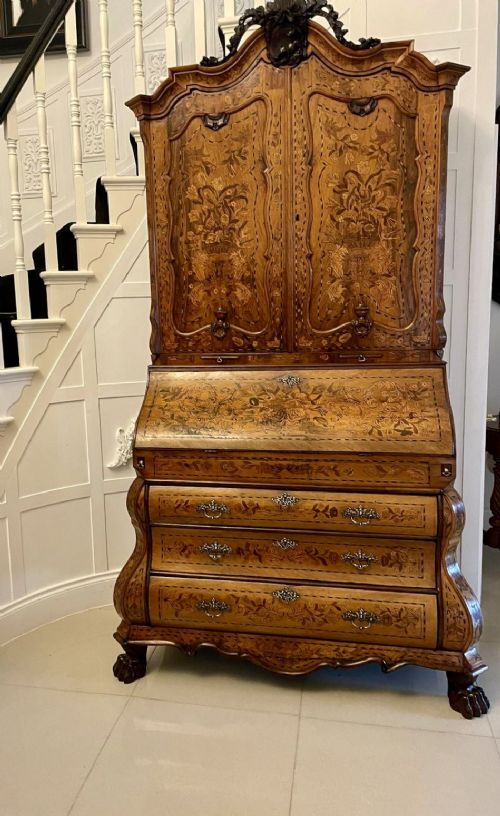
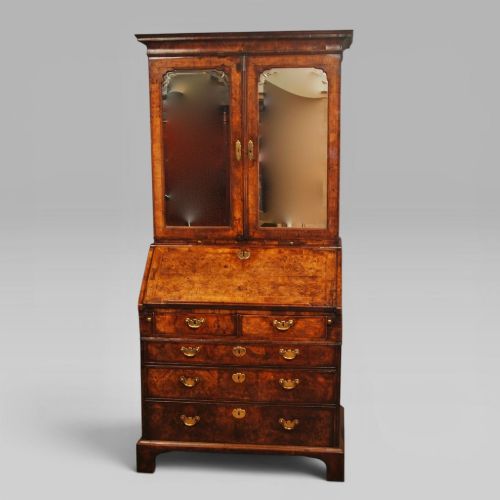
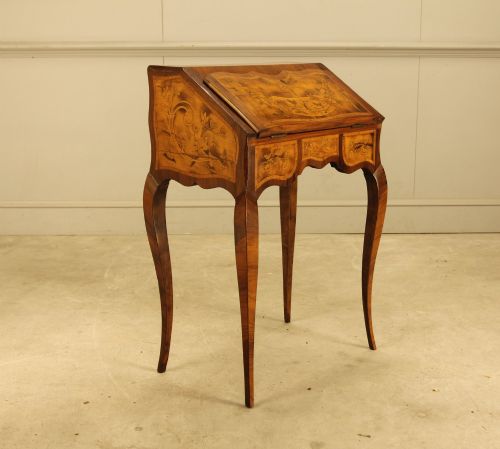
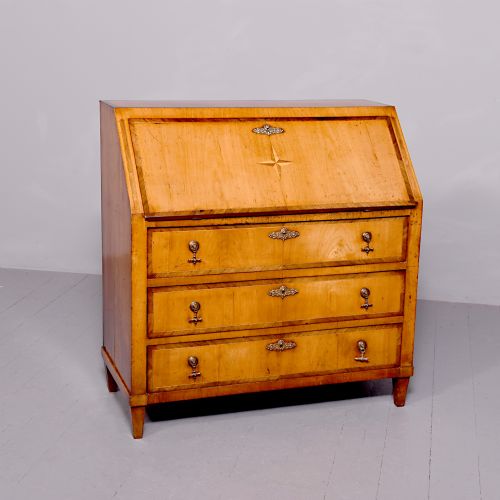
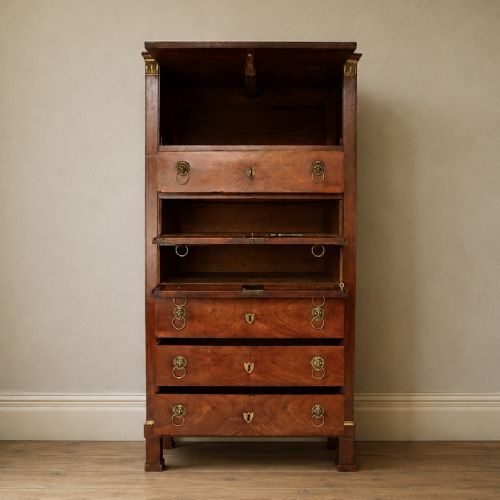
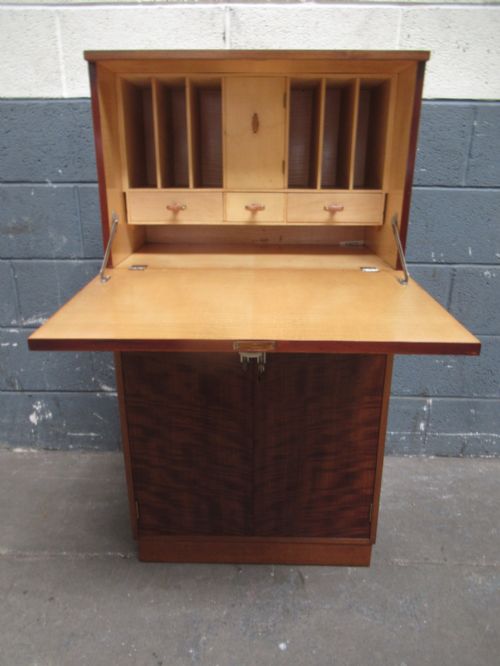
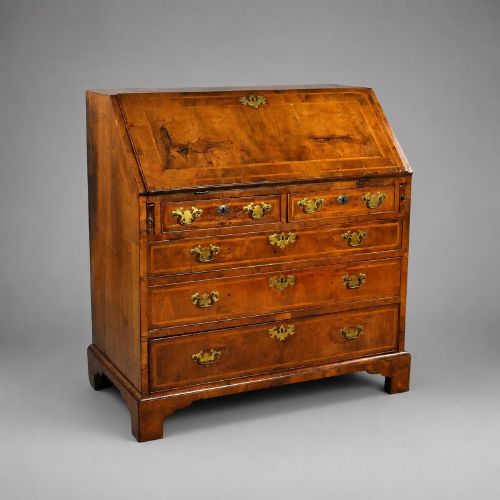
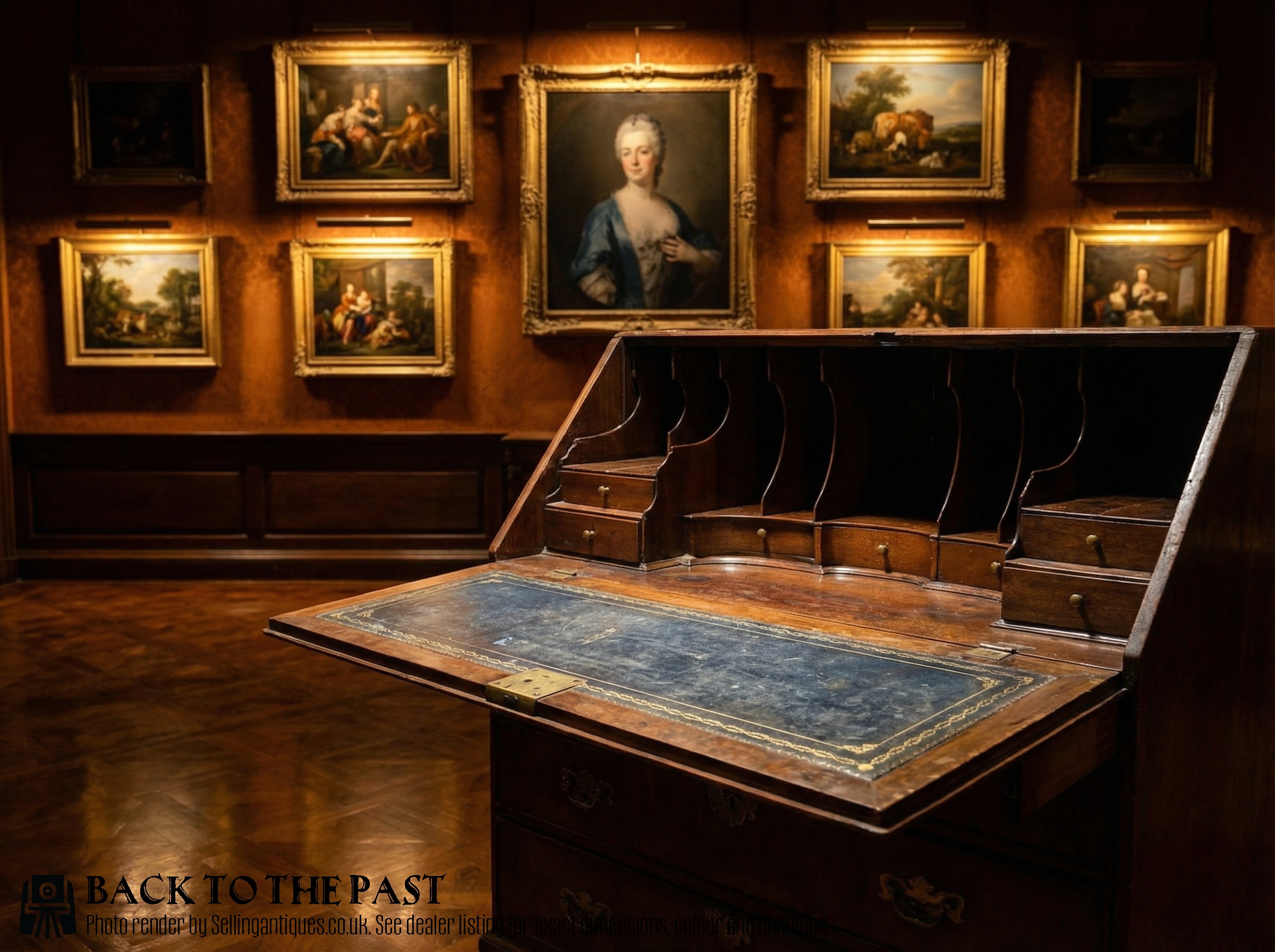
A walnut drop front desk takes the form of a bureau, secretaire, or escritoire, offering a compact writing surface that conceals pigeonholes and small drawers when closed.
Pieces span periods from the 17th century through the Georgian era to the 1930s, encompassing English, French, Italian, Spanish, and Dutch regional origins.
Buyers most frequently encounter Georgian and 18th-century examples alongside Queen Anne, William and Mary, and Art Deco variations.
Materials and Construction
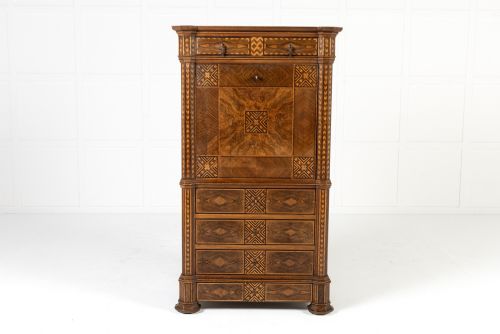
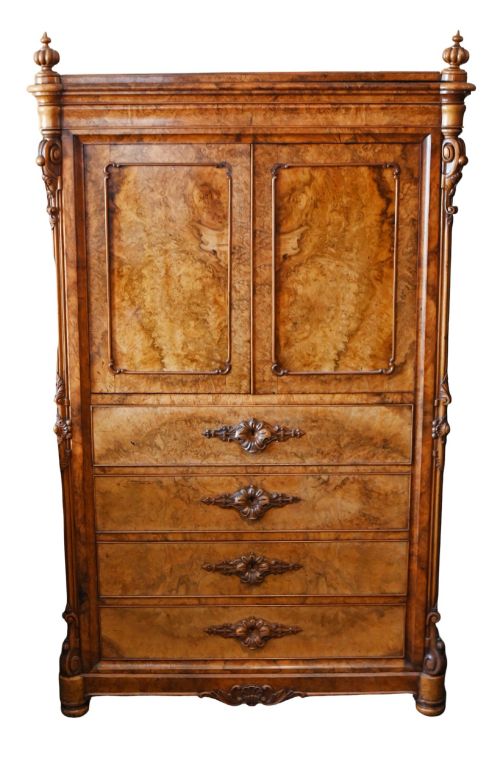
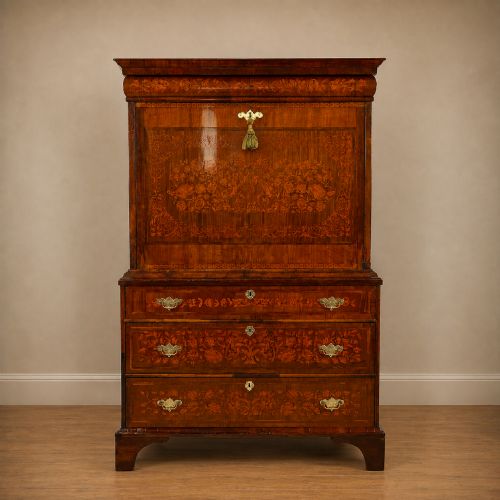
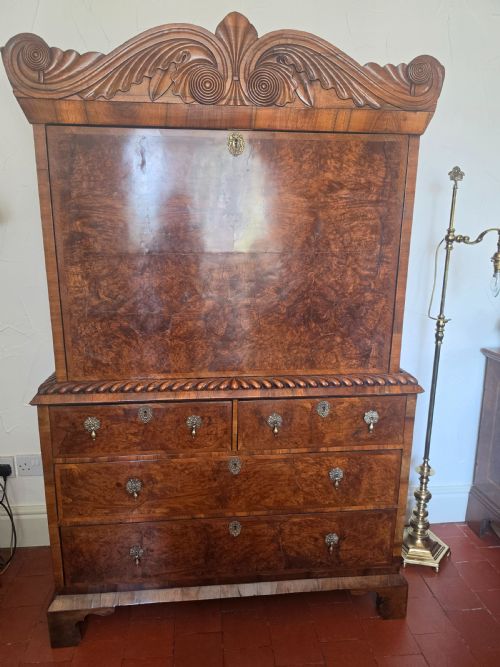
Construction relies heavily on solid walnut and burr walnut veneers, often enhanced with marquetry, herringbone inlay, or oyster veneers.
Secondary timbers such as oak and elm provide structural integrity, while brass handles, locks, and occasional marble tops or gilt bronze mounts complete the fittings.
Walnut Drop Front Desk Retail Price Guide 2026
Typical asking prices for walnut drop front desk among the pieces listed under this phrase on Sellingantiques today, from the lower quarter to the upper quarter. They describe what is for sale here now, not the wider market.
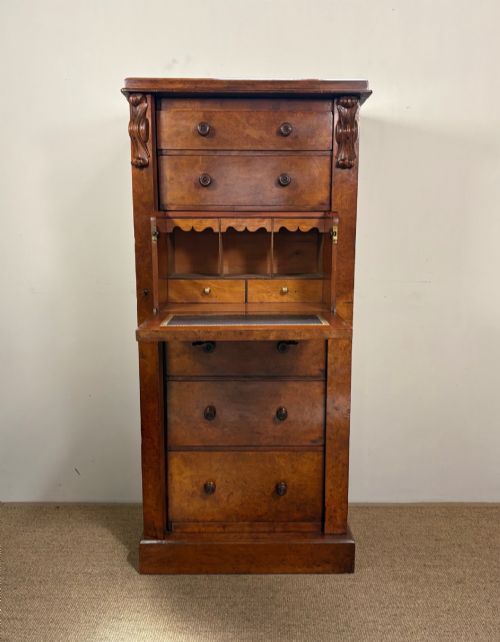
Secret compartments inside these desks often reward curious owners with hidden small drawers.
Craftsmanship and Proportion
Superior examples demonstrate careful selection of figured wood grain and precise alignment of marquetry or inlay across the fall front.
The sophistication of the interior fitments, the integrity of the cabinet structure, and the preservation of original surface patination distinguish finer pieces.
F.H. Marshall & Co Glasgow
The Walnut Drop Front Desk Glossary
- Bureau
- A writing desk with a sloping hinged lid that drops to form a writing surface. It typically encloses a set of small drawers and pigeonholes.
- Escritoire
- A tall writing cabinet featuring a fall front writing flap, often standing on a table base or chest of drawers.
- Marquetry
- Decorative veneer patterns formed by fitting together small pieces of wood, ivory, or shell to create pictorial designs.
- Bargueño
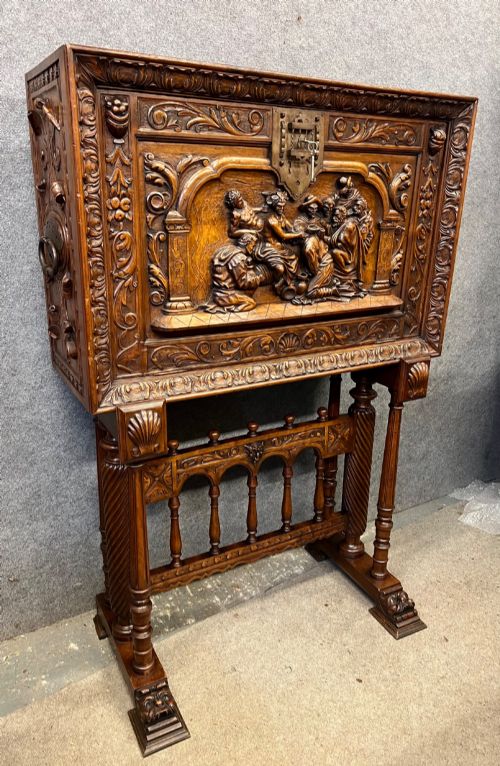
- A traditional Spanish chest or writing cabinet featuring a drop front that reveals numerous small drawers, often mounted on a separate stand.
- Oyster veneer
- Circular pieces of wood cut transversely from small branches, arranged side by side to create an oyster-shell pattern.
Walnut Drop Front Desk: Frequently Asked Questions
What is a walnut drop front desk?
A walnut drop front desk is a writing cabinet featuring a hinged flap that opens down to serve as a writing surface. Inside, fitted compartments help organise correspondence and papers.
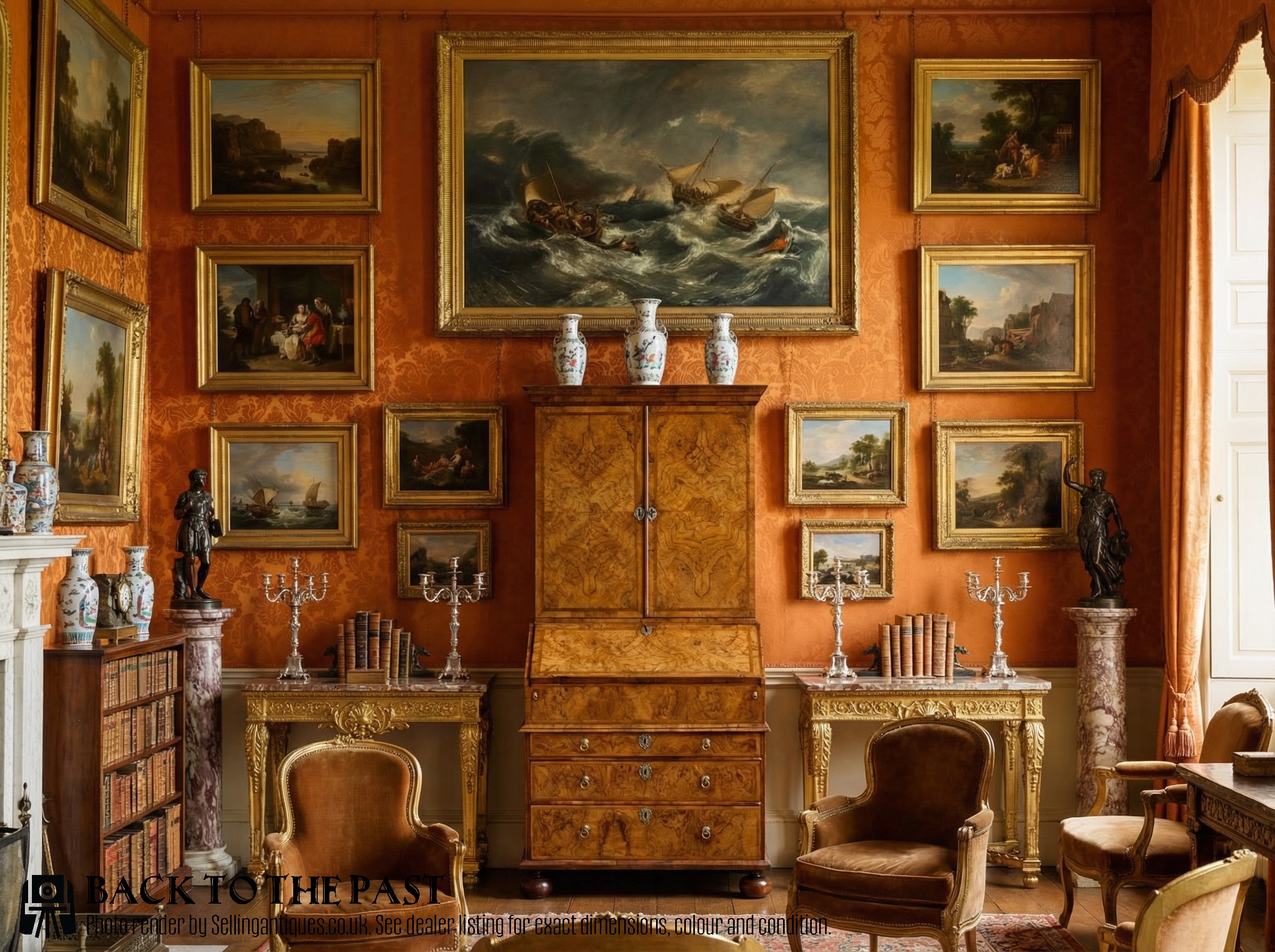
These pieces range from compact bureau desks to large bureau bookcases and cabinet combinations spanning multiple centuries of design.
How do I identify a Georgian walnut bureau?
Georgian walnut pieces typically display rich timber figuring, often utilising burr walnut or herringbone inlay on the fall front. The interior arrangement of drawers and pigeonholes reflects the domestic requirements of the 18th century.
Construction details include hand-cut dovetails on internal drawers and traditional cabinetmaking methods appropriate to the period.
What is the difference between a bureau and an escritoire?
A bureau generally refers to a desk with a sloping fall front, whereas an escritoire is often a taller cabinet with a vertical drop front that conceals a writing compartment.
Both forms serve a similar writing function but present distinct cabinet proportions and exterior elevations.
Where were these desks made?
The pieces originate from various European workshops, with strong representation from English cabinetmakers as well as French, Italian, Spanish, and Dutch makers.
Regional differences appear in the decorative techniques, such as Dutch floral marquetry or Spanish bargueño construction.