

18th Century Writing Cabinet
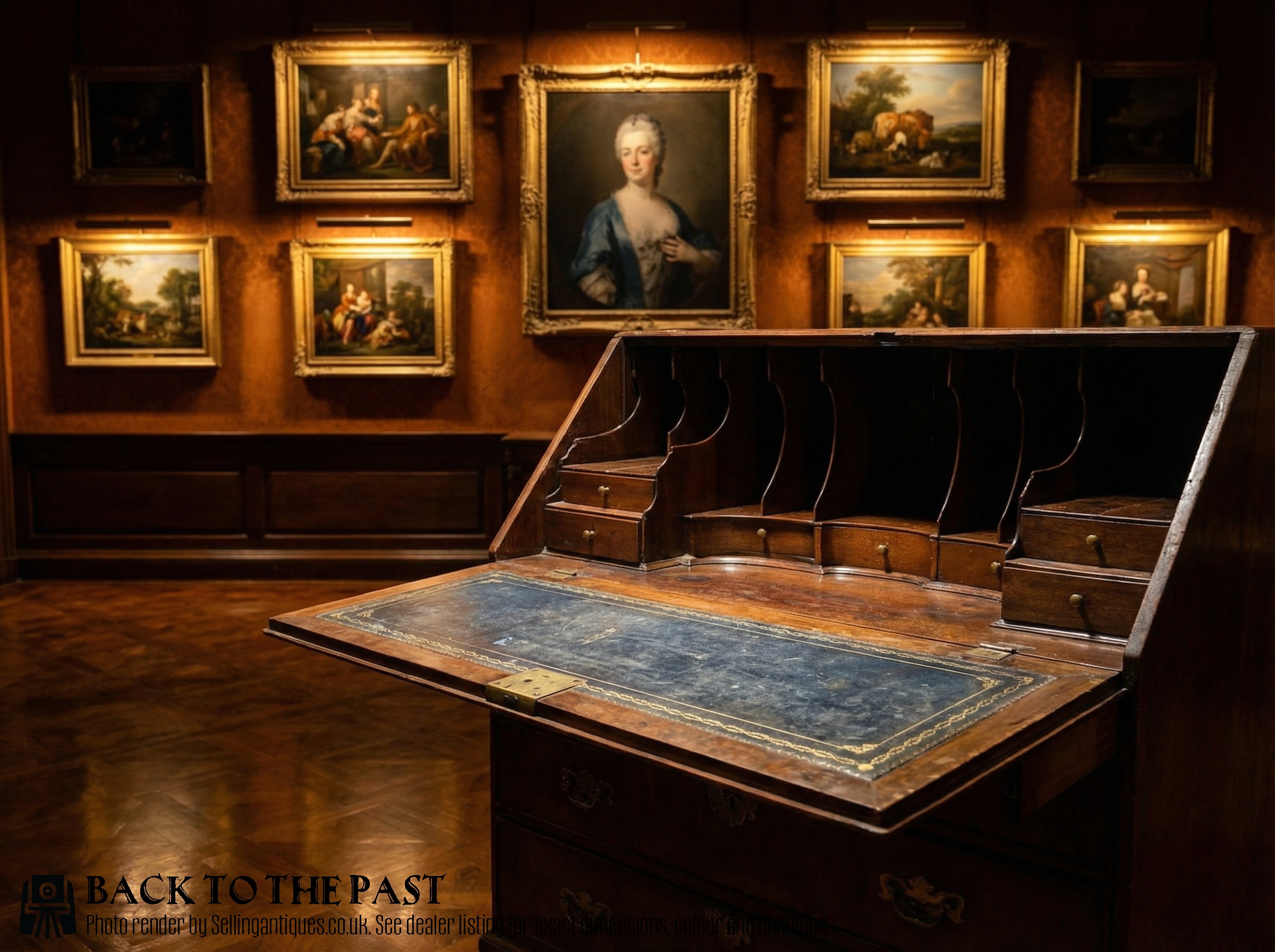
An 18th century writing cabinet brings domestic workspace into the principal rooms of a house, combining a secure fall-front desk with compartments for correspondence and ledgers.
18th Century Writing Cabinet
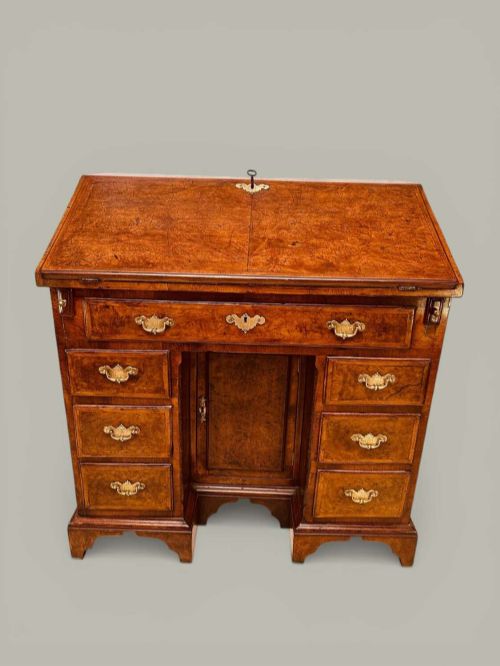
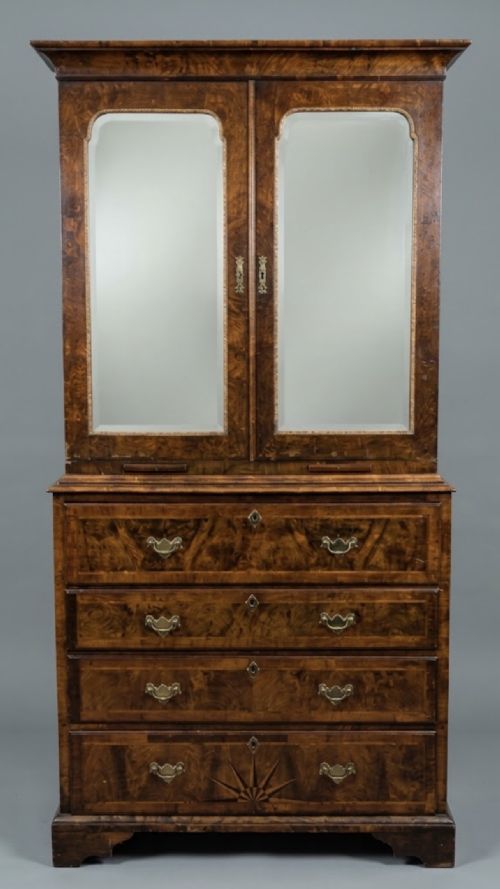
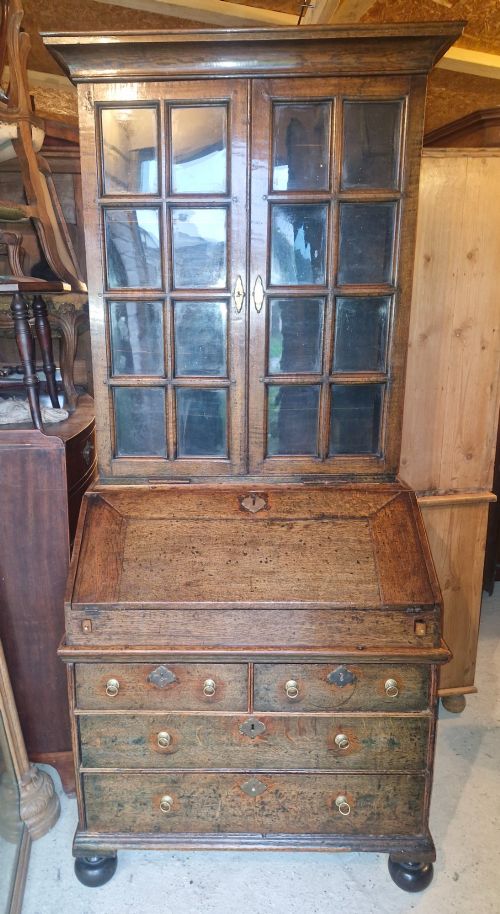
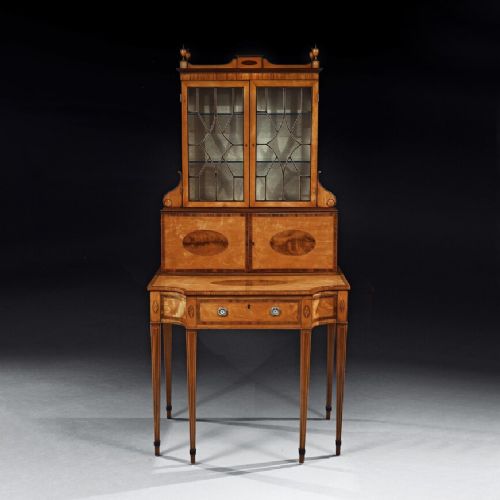
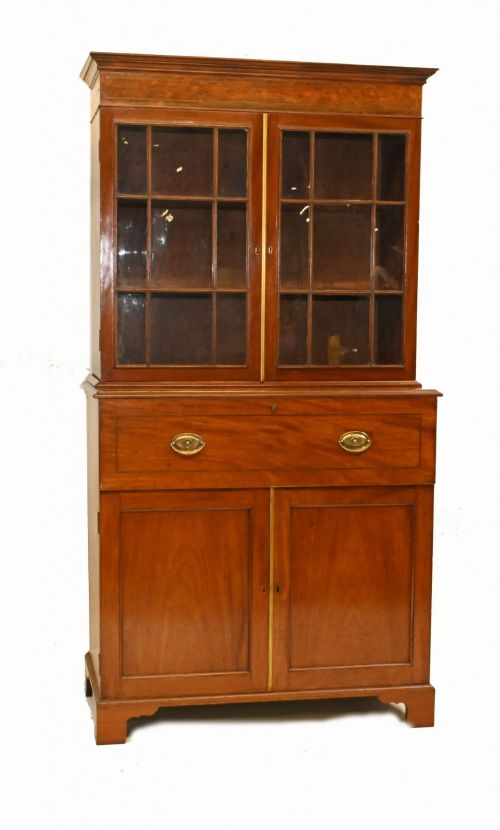
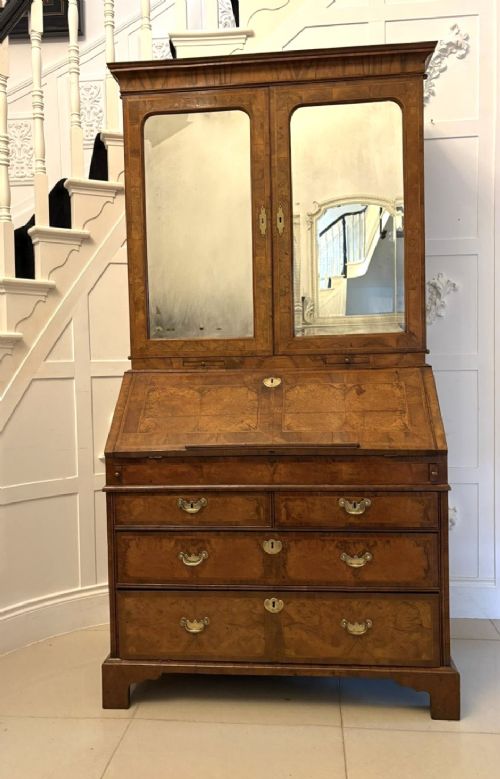
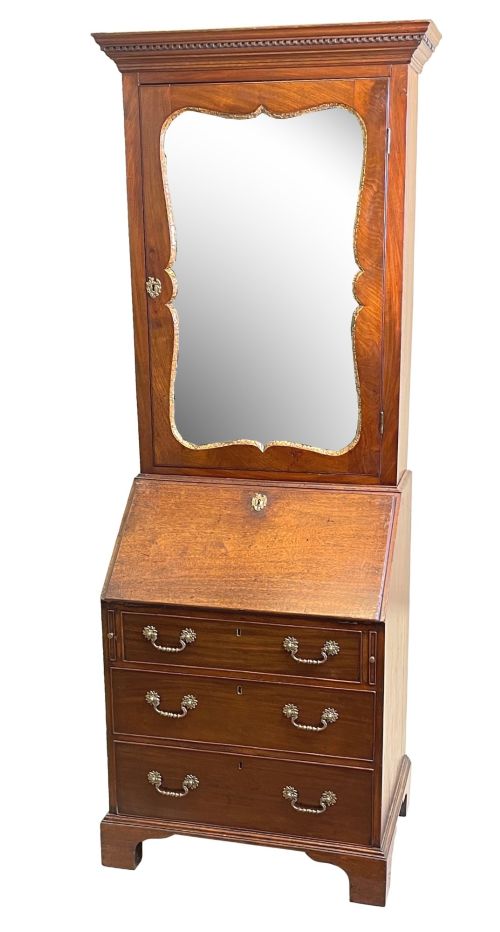
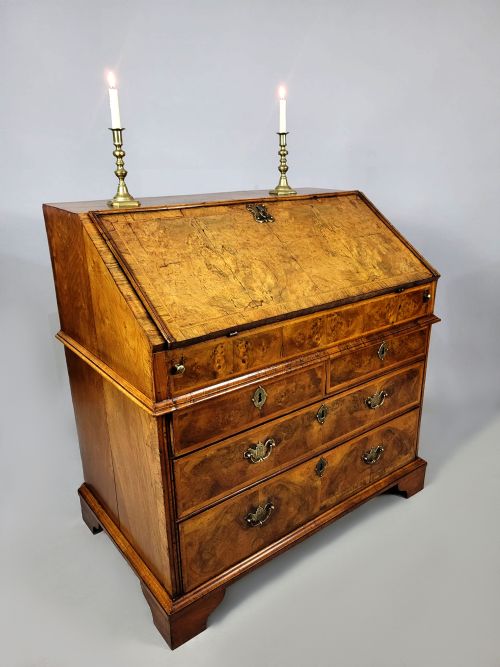
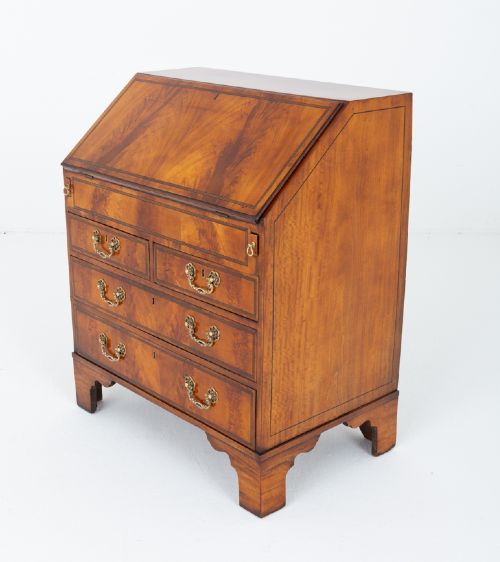
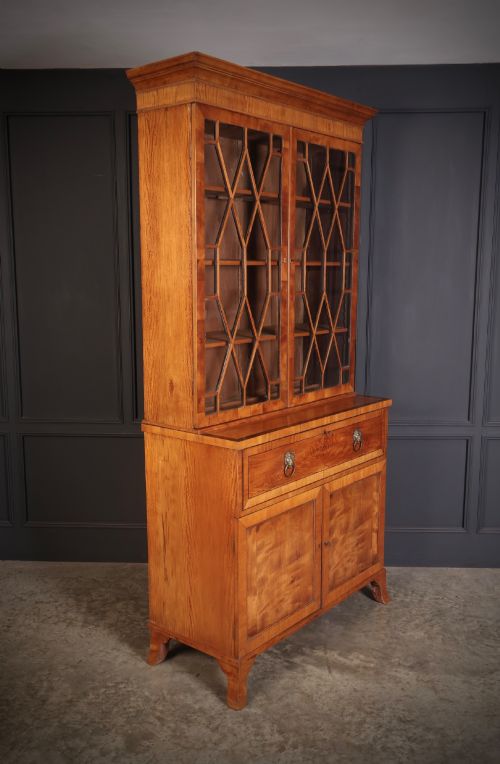
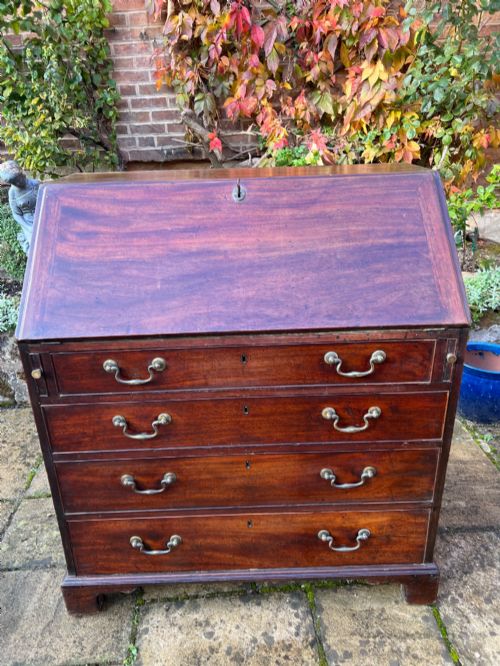
The search for an 18th century writing cabinet draws together various forms of drop-front desks, slope-front bureaux, and tall bureau bookcases originating in England, the Netherlands, and Italy. These pieces span the reigns of Queen Anne and the early Georges, shifting from compact walnut writing chests to towering glazed cabinets designed to display books and papers.
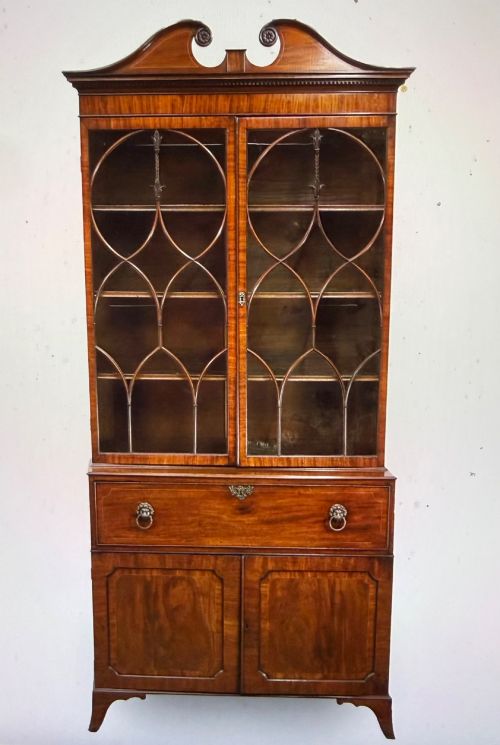
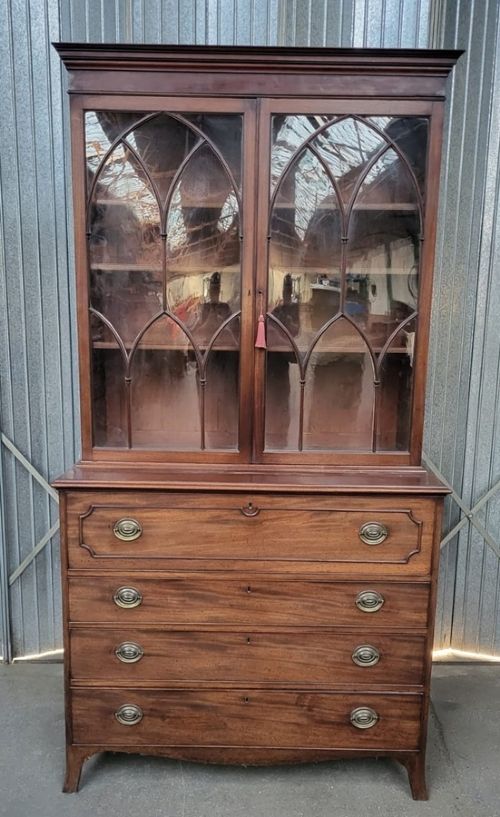
The bureau bookcase and the simpler fall-front bureau dominate this selection, frequently resting on bracket feet or bun feet. Walnut and mahogany provide the primary carcases, while oak appears in earlier regional pieces and secondary timbers.
Makers produced these cabinets to organise private correspondence and financial accounts behind lockable panels. The interior typically reveals a stepped arrangement of pigeonholes, small drawers, and secret compartments surrounding a central cupboard.
Timbers and Joinery Techniques
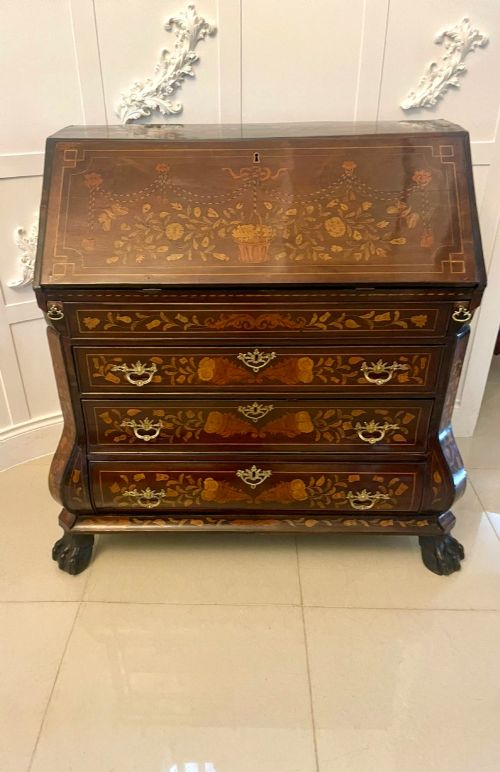
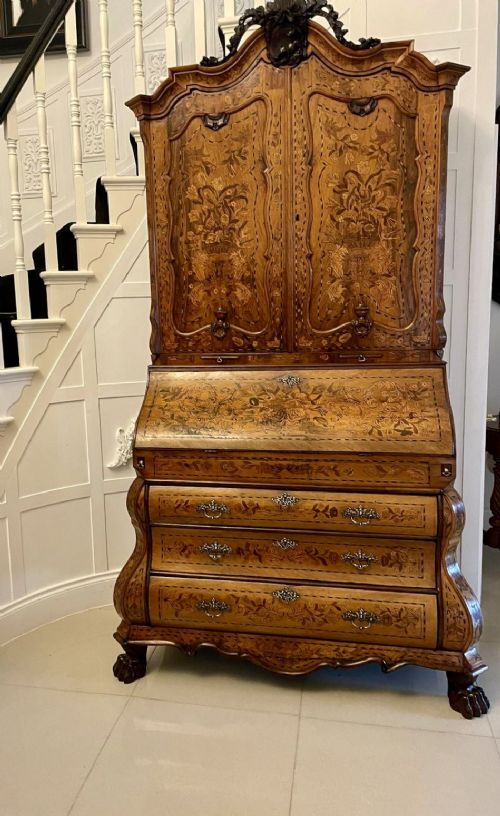
Cabinet makers built these pieces using solid timber carcases faced with figured veneers, deploying burr walnut, mahogany, and occasional satinwood over pine or oak substrates. Featherbanding and floral marquetry in lighter woods frequently border the primary drawer fronts and fall flaps.
Drawer construction relies on hand-cut dovetails and oak linings, while brass drop handles and escutcheons secure the operational fronts. Glazed upper sections utilise individual timber glazing bars to hold hand-blown crown glass panes in geometric arrangements.
18th Century Writing Cabinet Retail Price Guide 2026
Typical asking prices for 18th century writing cabinet among the pieces listed under this phrase on Sellingantiques today, from the lower quarter to the upper quarter. They describe what is for sale here now, not the wider market.
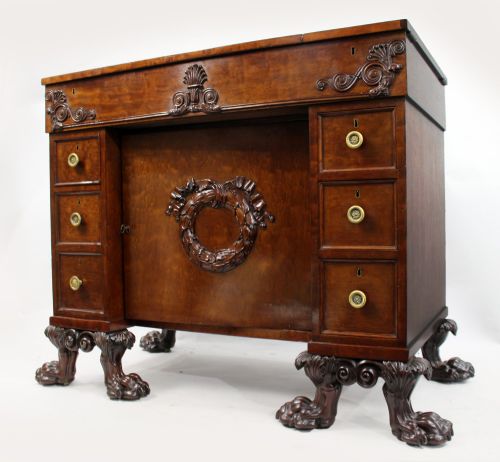
The documented forms range from compact fall-front desks and kneehole tables to monumental bureau bookcases glazed in multiple sections.
Design Integrity and Surface Preservation
Quality rests upon the selection of veneer figures, such as highly figured burr walnut or rich flame mahogany, matched symmetrically across drawer fronts and fall-flap panels. The depth and warmth of the original polished surface dictate visual success.
Structural refinement shows in the complexity of the internal fittings, including sliding wells, secret drawers, and candle slides beneath glazed doors. Original brass hardware, untruncated bracket feet, and undisturbed carcass joinery distinguish superior examples from altered or heavily restored pieces.
The 18th Century Writing Cabinet Glossary
- Bureau bookcase
- A dual-purpose tall furniture piece comprising a fitted writing slope below a shelved and usually glazed upper cabinet. This form dominates formal Georgian interiors.
- Fall front
- A hinged writing flap that drops forward to horizontal, serving as a writing surface while exposing internal compartments. It conceals the workspace when closed.
- Burr walnut
- Timber taken from excrescences on walnut trees, showing swirling, highly decorative grain patterns. Cabinet makers prized it for fine veneering during the early eighteenth century.
- Featherbanding
- Narrow strips of veneer laid in a herringbone pattern to frame drawer borders and panels. It requires precise cutting and fitting by hand.
- Kneehole desk
- A compact writing table featuring a central recess for the sitter's legs, flanked by pedestals of small drawers. It offers writing space without the height of a bureau bookcase.
18th Century Writing Cabinet: Frequently Asked Questions
What is inside the fall front?
Lowering the writing flap reveals an array of small pigeonholes, concealed compartments, and miniature drawers surrounding a central door. This fitted interior kept private papers and writing materials organised.
Many examples include a sliding well or secret board that lifts to expose a hidden cavity beneath the writing surface.
How do I tell walnut from mahogany?
Walnut exhibits a warmer, lighter brown tone with darker grain swirls and appears predominantly in pieces from the late seventeenth and early eighteenth centuries. Burr walnut adds intricate knot patterns.
Mahogany displays a deeper reddish-brown colour with straight or ribbon grain figures, becoming the dominant timber across the middle and late eighteenth century.
Where were these cabinets placed?
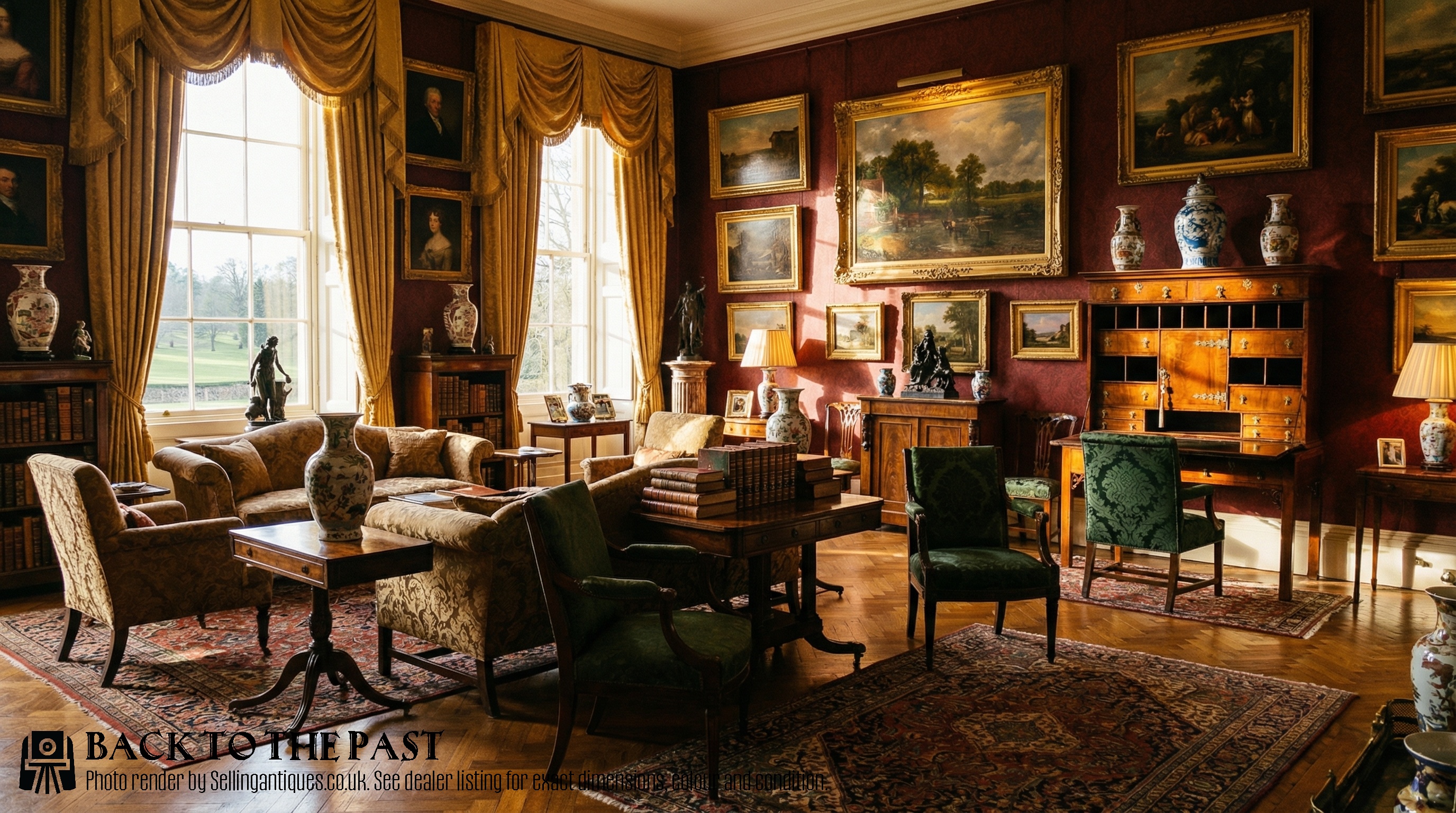
Owners kept these pieces in reception rooms, private parlours, or bedchambers where household accounts and correspondence required attention. The bureau bookcase belonged to public domestic spaces like libraries.
Smaller fall-front desks served personal writing needs in more private chambers.
How do I care for the surface?
Maintain the finish by applying natural beeswax sparingly and buffing gently with a soft cloth to preserve the historical patina. Avoid modern silicone sprays and keep the timber away from direct heat sources.
Stable room humidity prevents the fine walnut or mahogany veneers from lifting off their oak or pine foundations.