

Figured Walnut Furniture
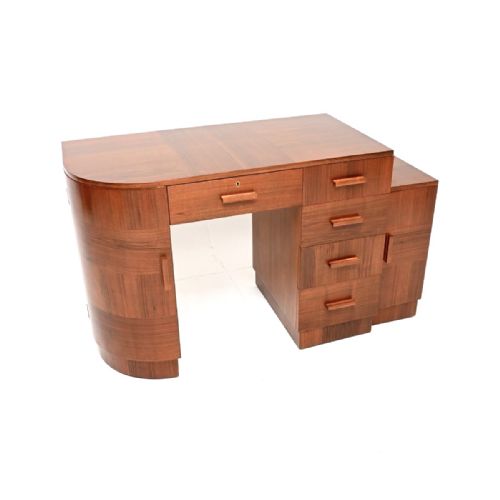
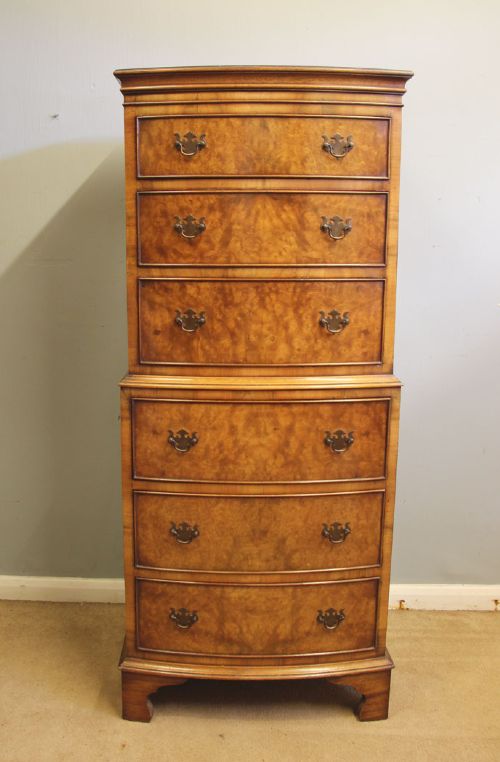
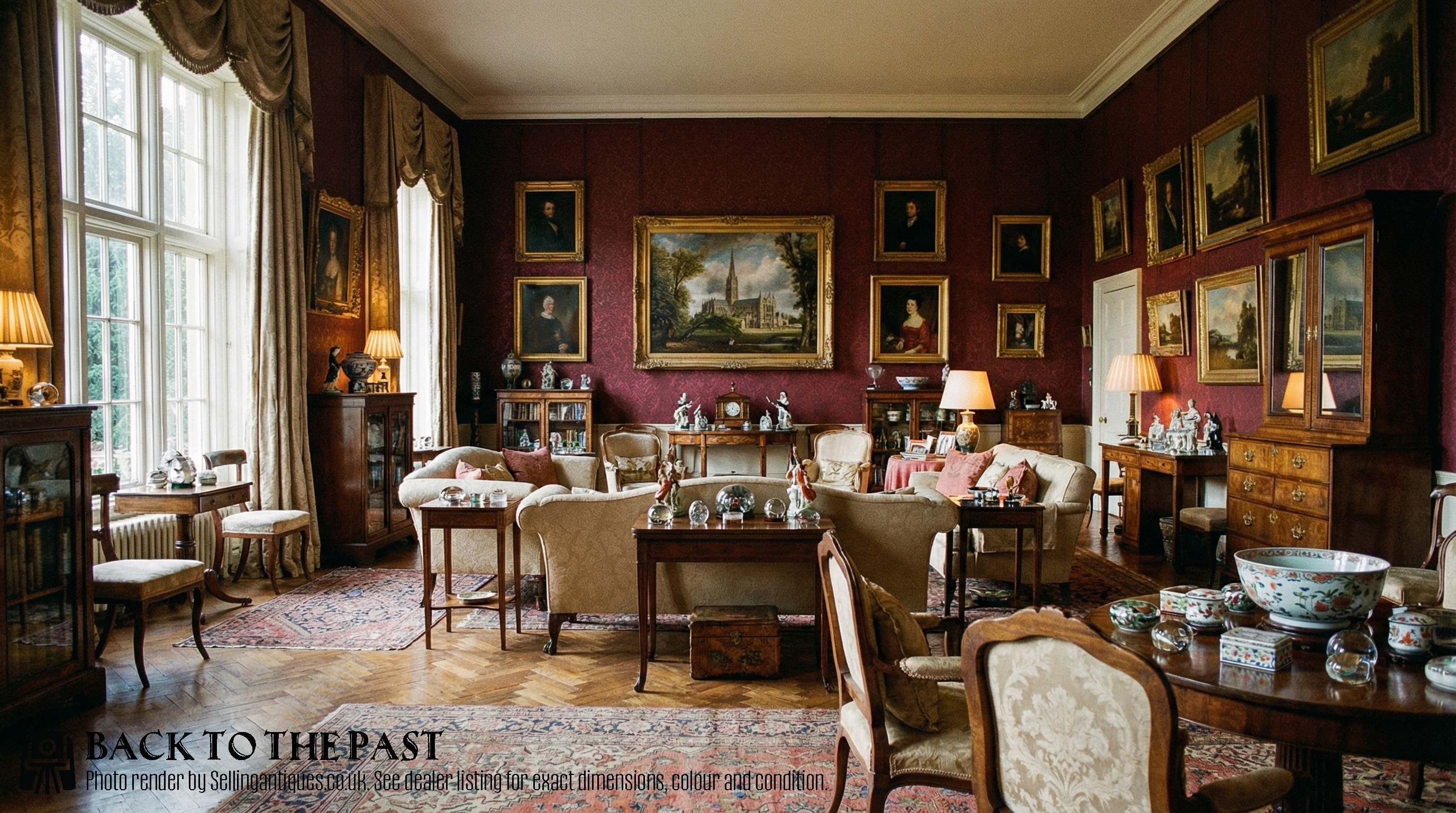
Figured walnut furniture brings intense grain patterns into rooms through pieces ranging from early chests to Art Deco tables.
Figured Walnut Furniture
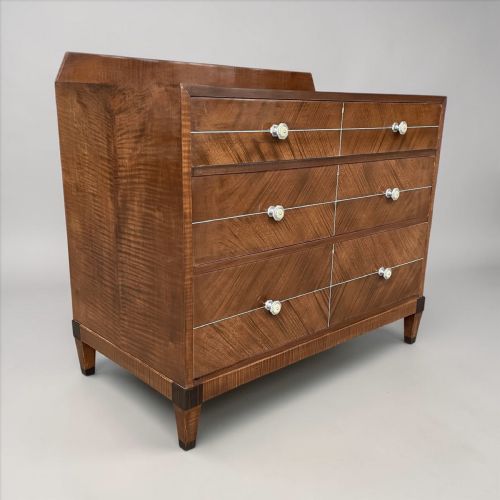
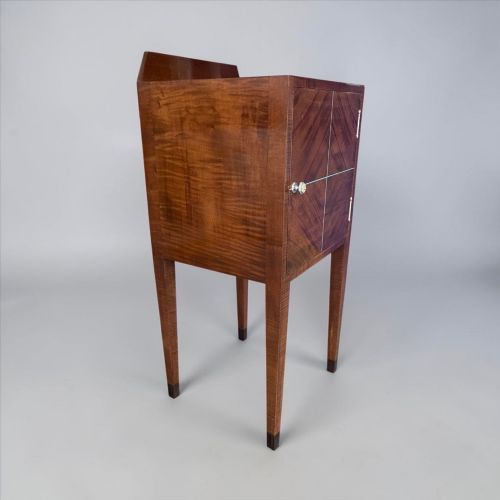
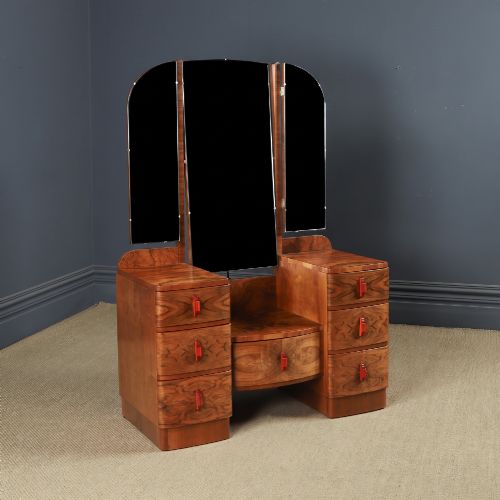
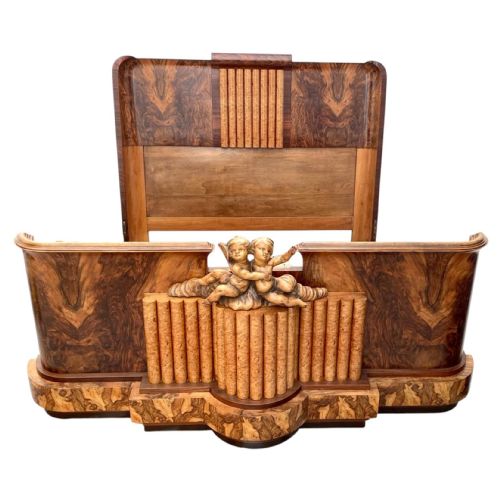
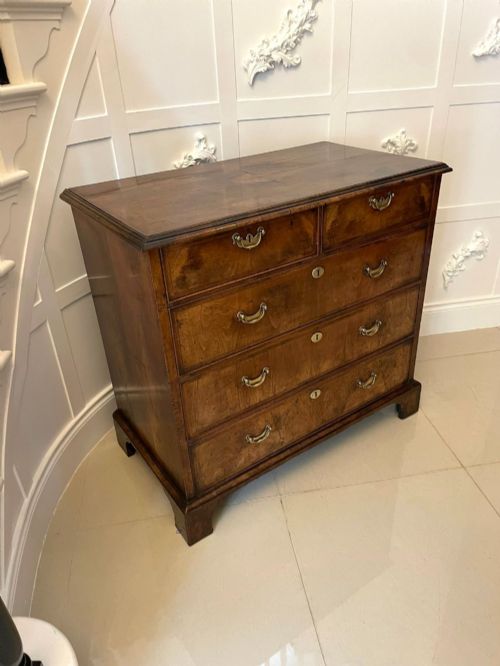
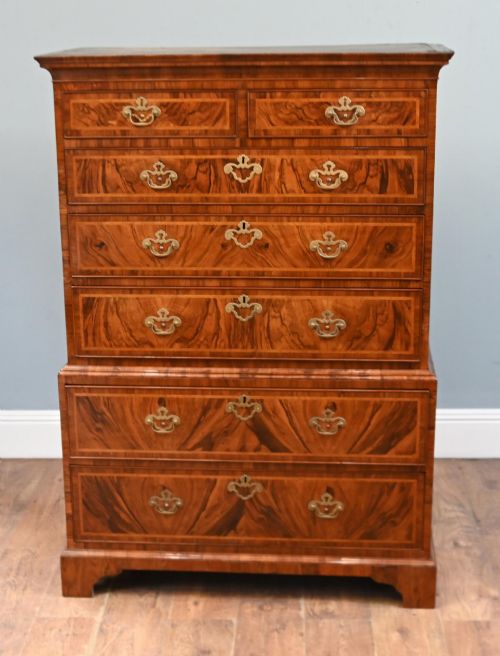
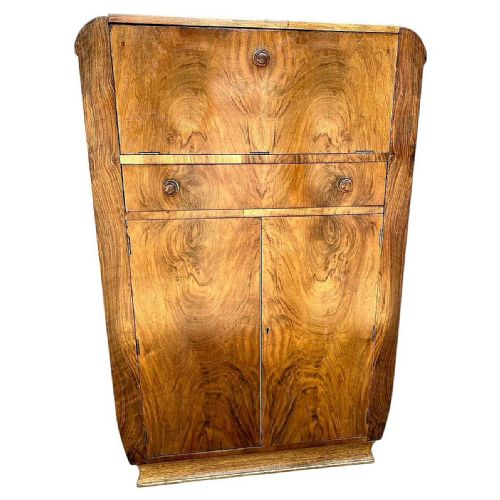
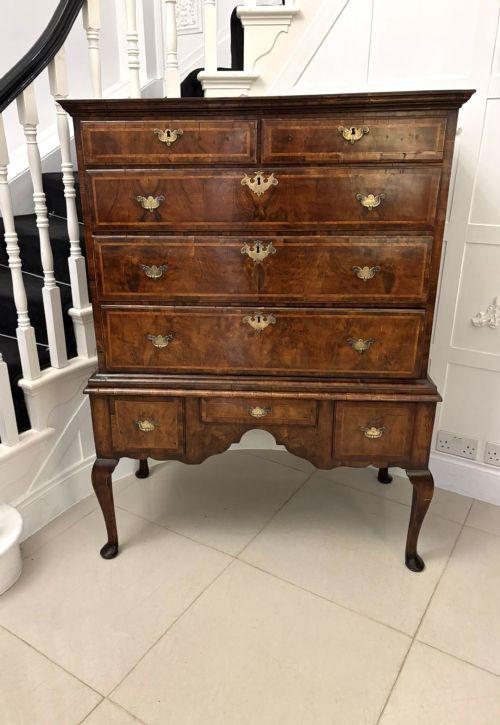
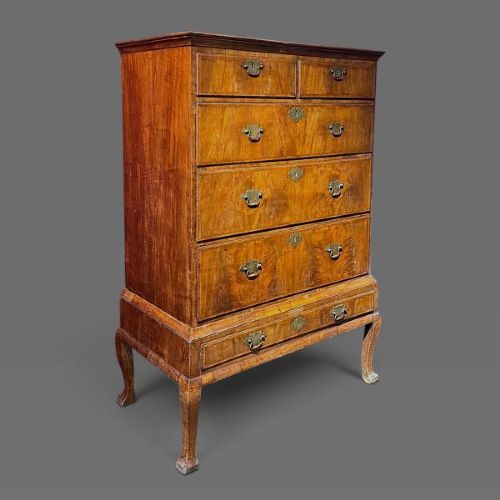
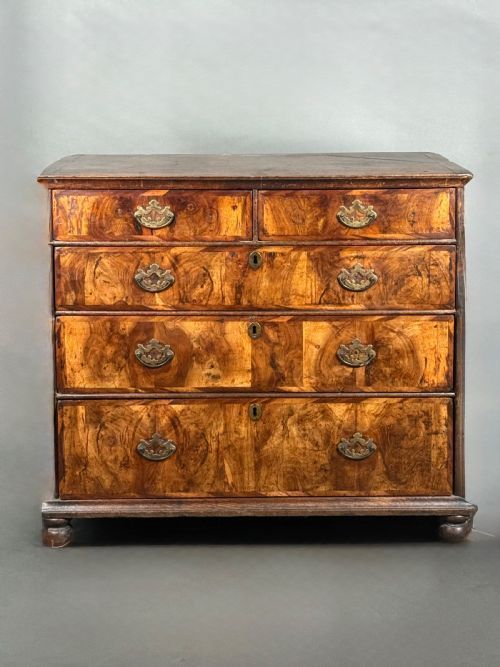
Figured walnut furniture centres on timber selected for grain movement, swirls and rich contrast. Buyers seeking figured walnut furniture encounter forms spanning centuries, from eighteenth-century chests and lowboys to twentieth-century Art Deco sideboards and coffee tables.
The selection includes functional household items across diverse historical periods. Pieces range from Victorian desks and bookcases to early twentieth-century bedroom suites and dining tables.
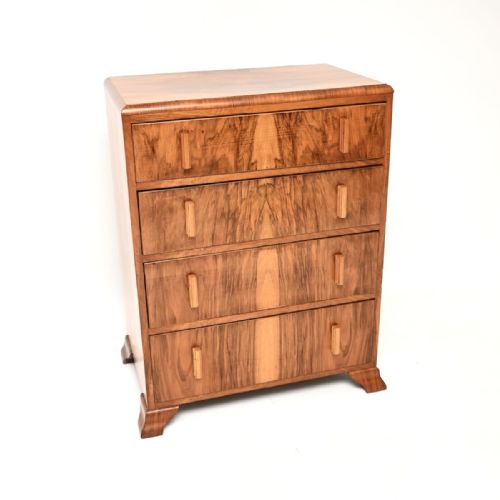
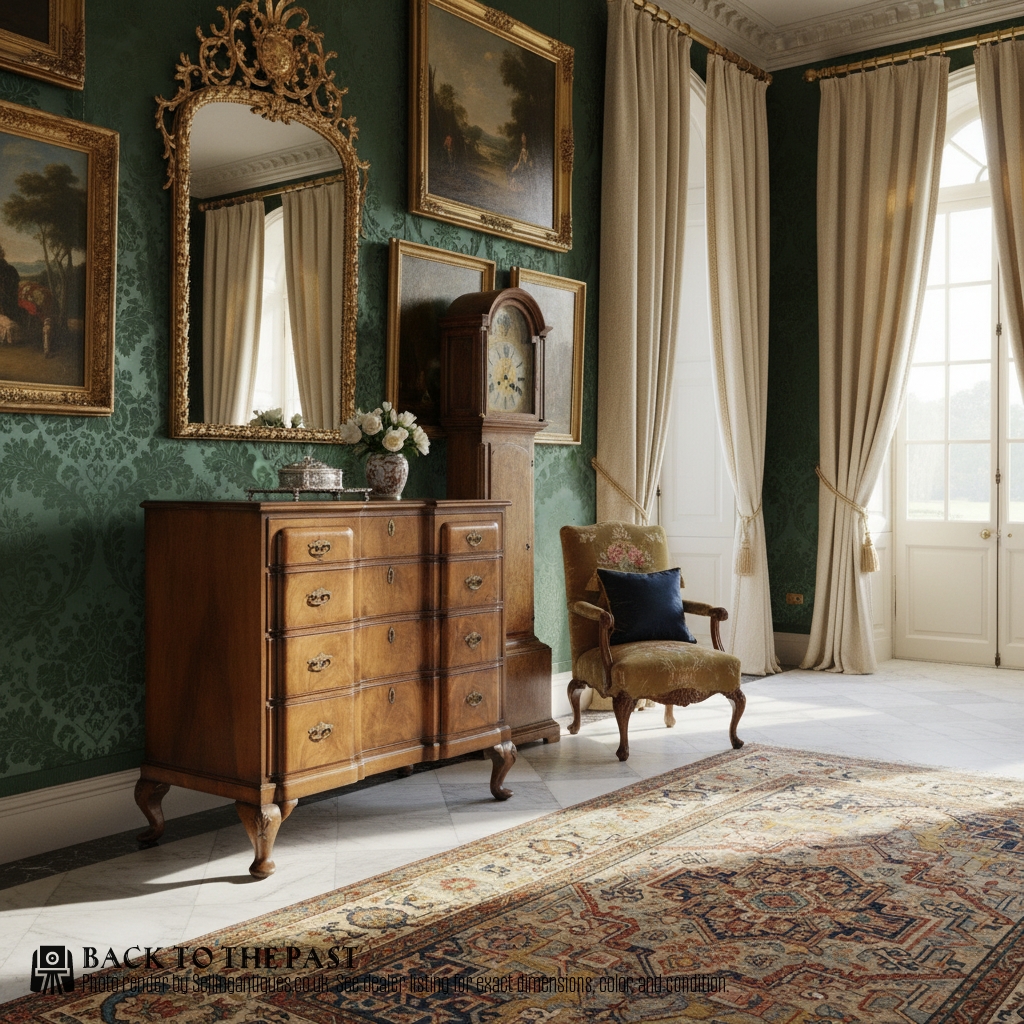
Early examples adhere to Queen Anne and George styles with clean lines that showcase timber surfaces. Later twentieth-century interpretations adopt streamlined Art Deco silhouettes paired with blonde or dark walnut veneers.
What varies in quality
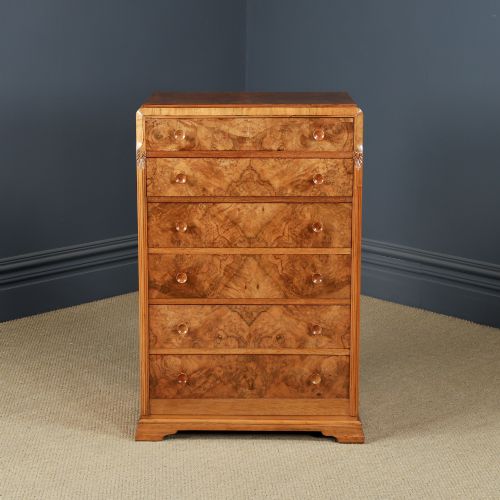
Quality rests upon the selection and continuity of the timber grain across prominent surfaces. Master cabinetmakers aligned veneer leaves symmetrically, whereas simpler pieces relied on random grain arrangements.
Construction methods dictate durability, with secondary timbers like oak indicating traditional joinery standards. The crispness of carved details on earlier examples and the precision of veneer work on later pieces separate standard items from finer works.
Figured Walnut Furniture Retail Price Guide 2026
Typical asking prices for figured walnut furniture among the pieces listed under this phrase on Sellingantiques today, from the lower quarter to the upper quarter. They describe what is for sale here now, not the wider market.
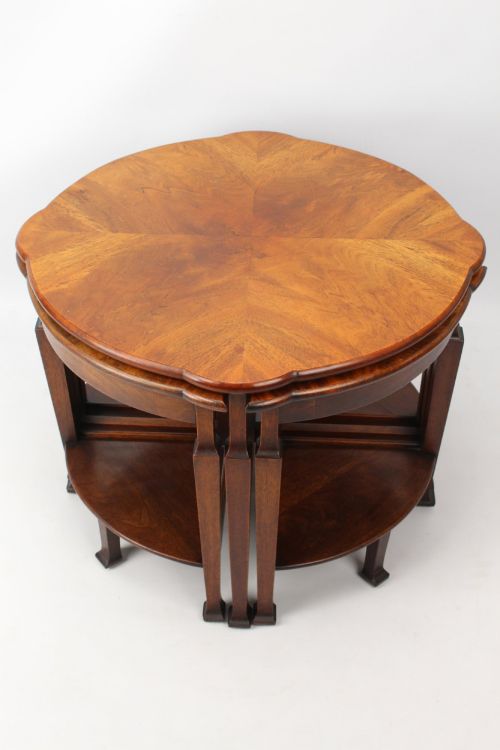
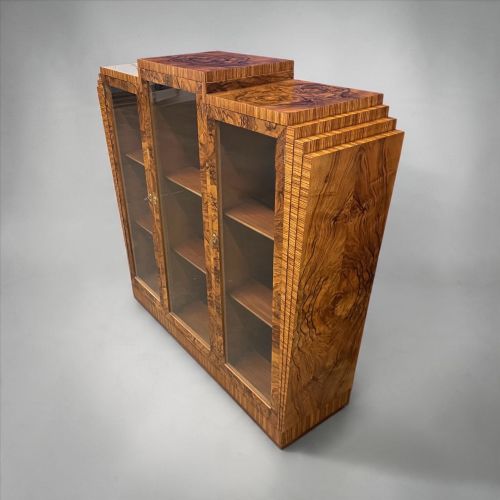
The selection includes diverse forms ranging from compact nest of tables and miniature chests to large dining tables and multi-tier bookcases.
Harry and Lou Epstein
The Figured Walnut Furniture Glossary
- Burr walnut
- A growth deformity in the tree that yields dense, swirling knot patterns highly prized by cabinetmakers. This timber creates decorative surfaces on drawer fronts and table tops.
- Lowboy
- A small side table featuring drawers, popular during the eighteenth century. These pieces often display exceptional grain selection on the primary top surface.
- Chest on chest
- A tall storage unit comprising one chest stacked directly upon a larger base chest. This form provides substantial display space for figured timber panels.
- Veneer
- A thin slice of decorative wood adhered to a stable secondary timber core. This technique allows craftsmen to utilise striking grain patterns economically.
- Whatnot
- A multi-tiered shelving unit used for displaying ornaments. These open stands utilise turned supports and figured shelves.
Figured Walnut Furniture: Frequently Asked Questions
How do I care for figured walnut?
Keep walnut pieces away from direct sunlight and heat sources to prevent the wood from drying out. Dust regularly with a soft dry cloth and apply occasional appropriate wax polish.
Avoid using silicone-based sprays or excessive moisture on veneered surfaces. Maintaining stable room humidity protects the underlying timber and veneer structure.
Are these pieces solid walnut?
Most case pieces and tables utilise walnut veneer applied over a stable secondary wood such as oak. This technique prevents warping while displaying decorative grain patterns.
Solid walnut appears on smaller components, frames, and earlier pieces. Examining drawer interiors and edges reveals the underlying construction method.
How do I distinguish eighteenth-century pieces?
Early pieces from the eighteenth century feature traditional joinery like hand-cut dovetails and native oak linings. Proportions follow classic Queen Anne or Georgian styles with simple cabriole legs or bracket feet.
Later revival pieces or twentieth-century interpretations use different internal construction methods and modern hardware attachments. Examining the backboards and drawer construction clarifies the period.
Where does the swirling grain come from?
The distinctive patterns originate from growth irregularities, junctions where branches meet the trunk, or specialised burr formations in the tree. Artisans cut these sections carefully to expose the complex swirls.
Each tree produces unique patterns that cannot be replicated. Cabinetmakers arrange these symmetrical cuts to form decorative panels across furniture fronts.