
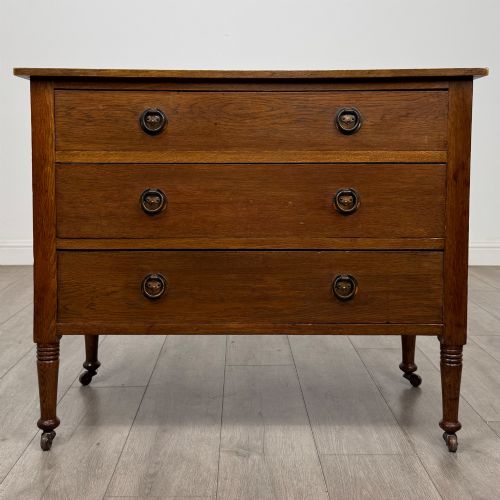
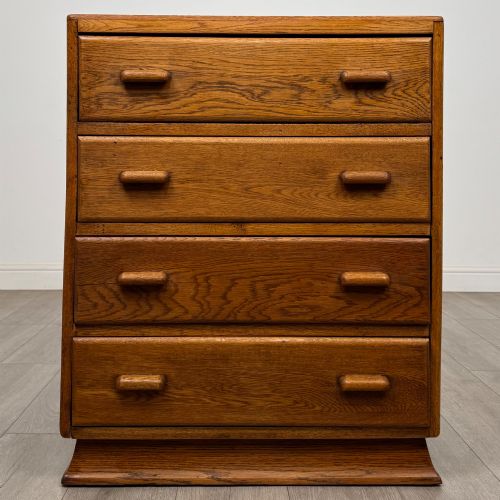

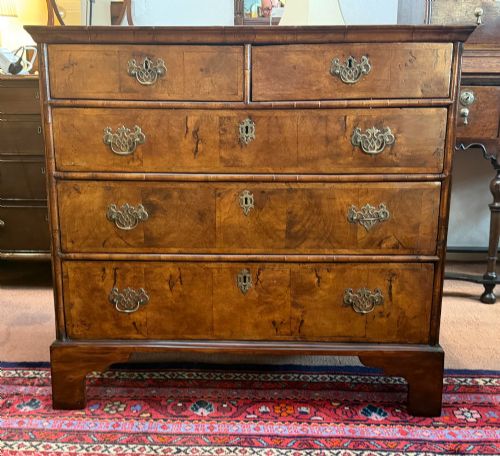
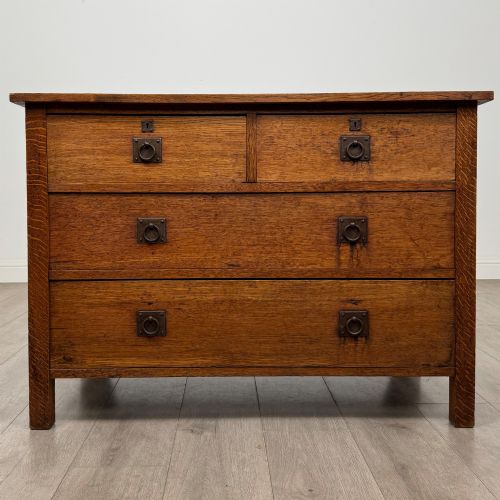
Warm Brown Tallboy
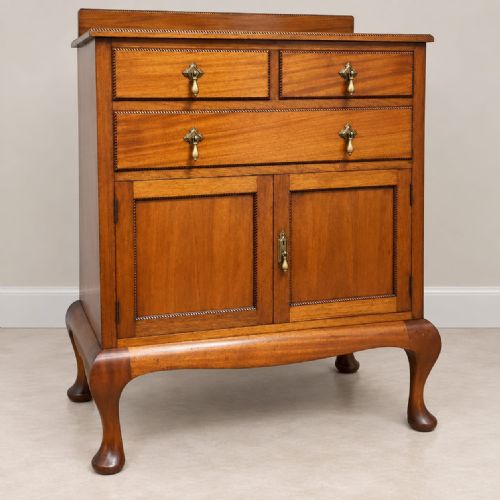
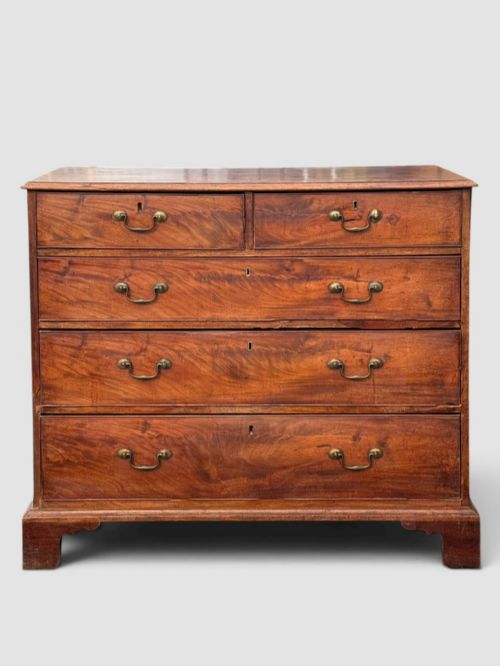
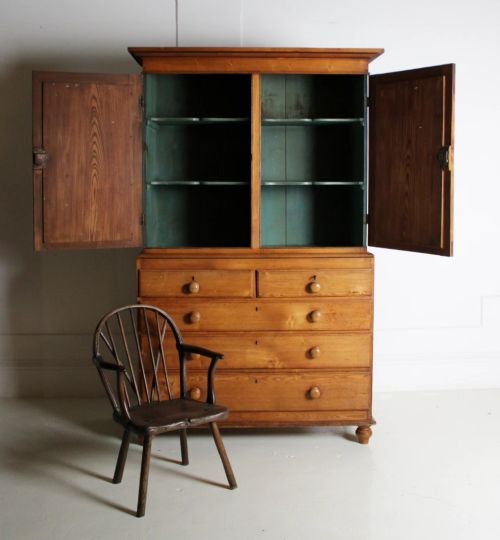
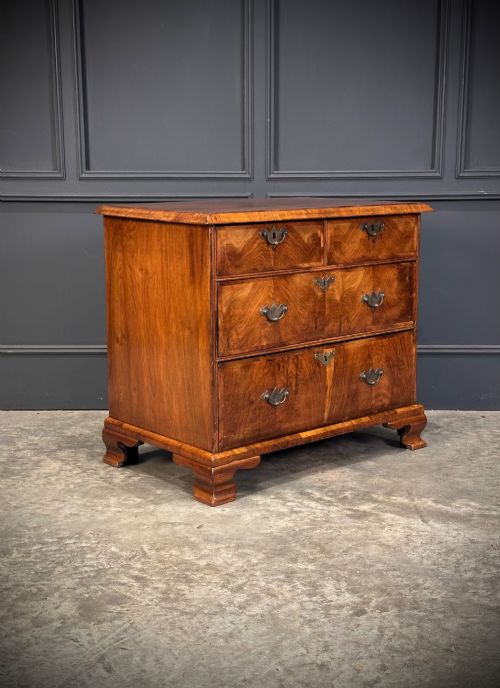
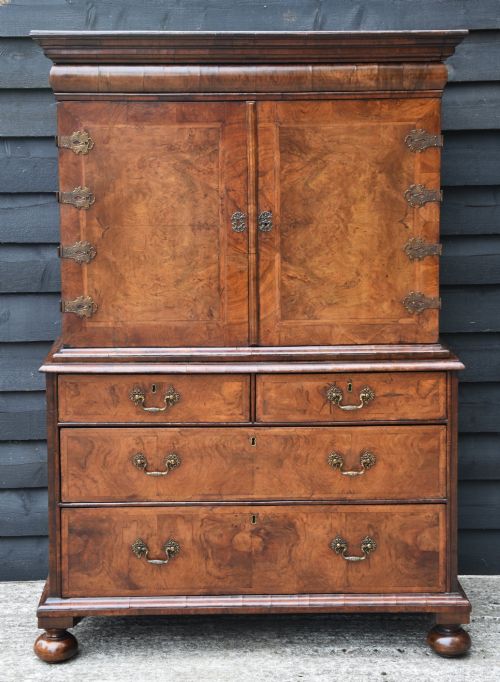
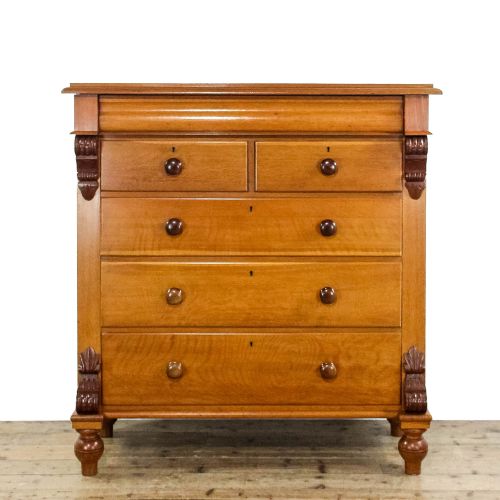
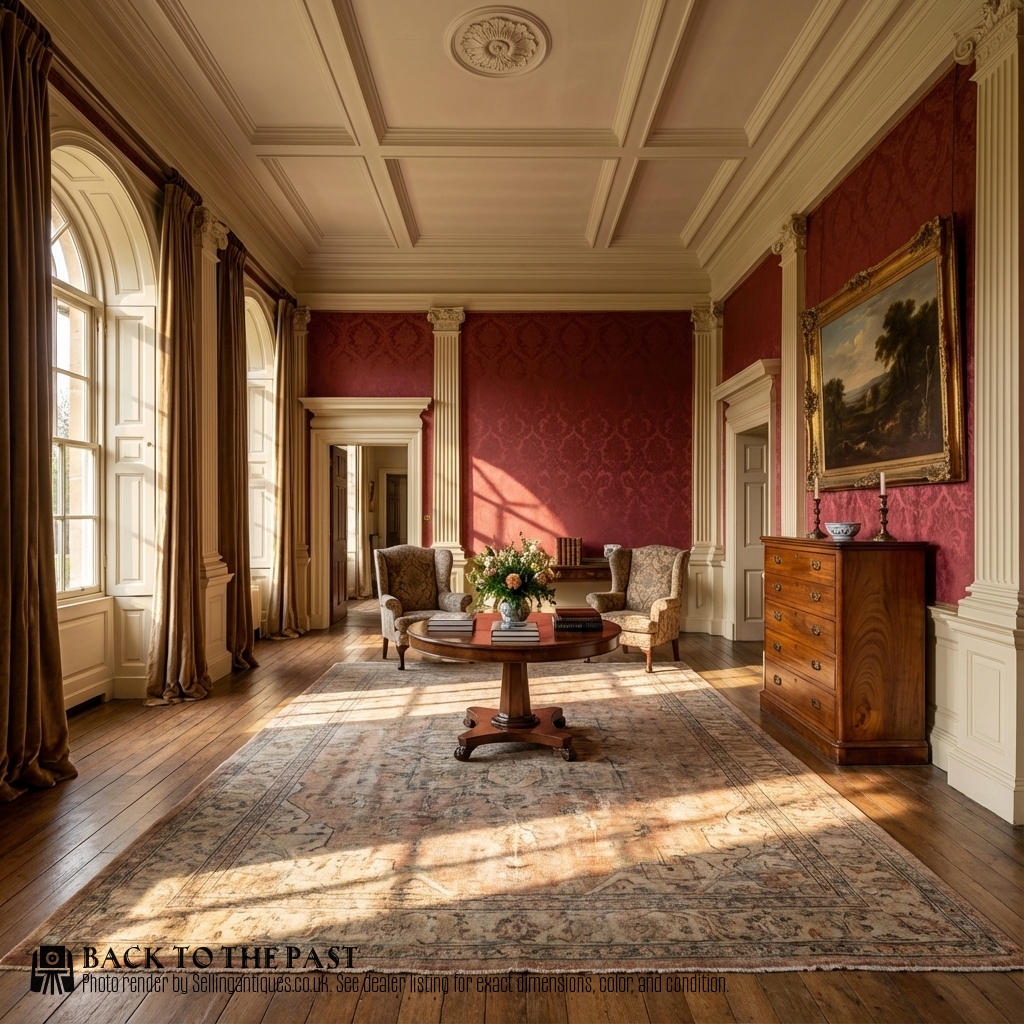
A warm brown tallboy brings stately height and rich timber tones to a room, offering ample storage in a classic vertical chest.
Warm Brown Tallboy
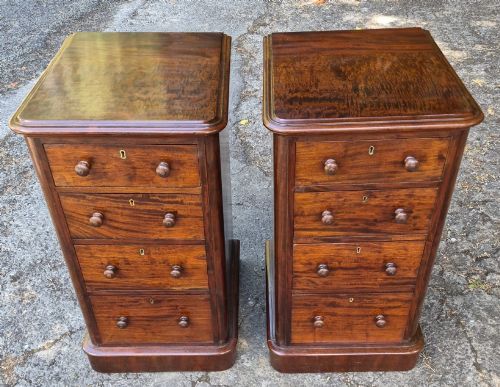
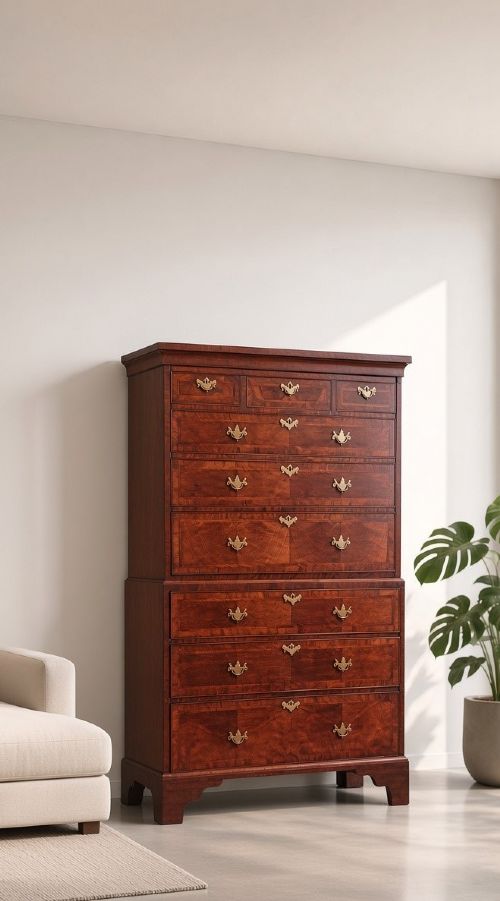
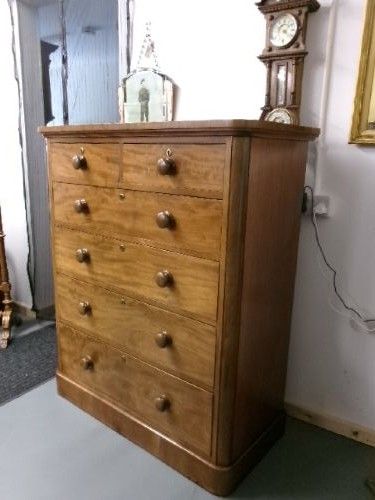
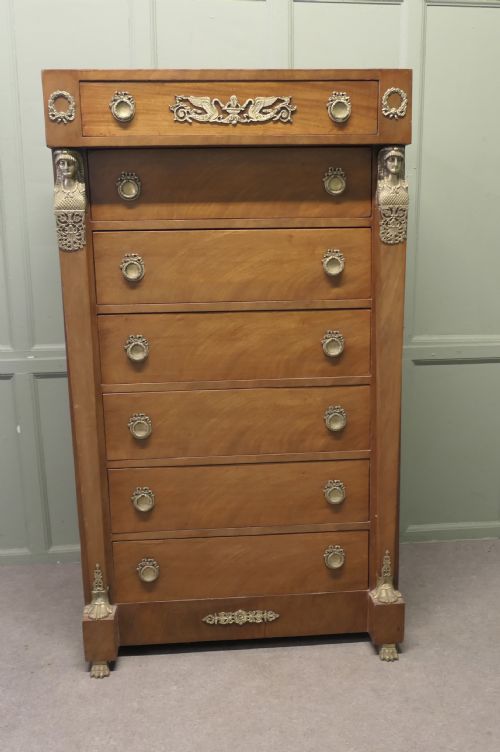
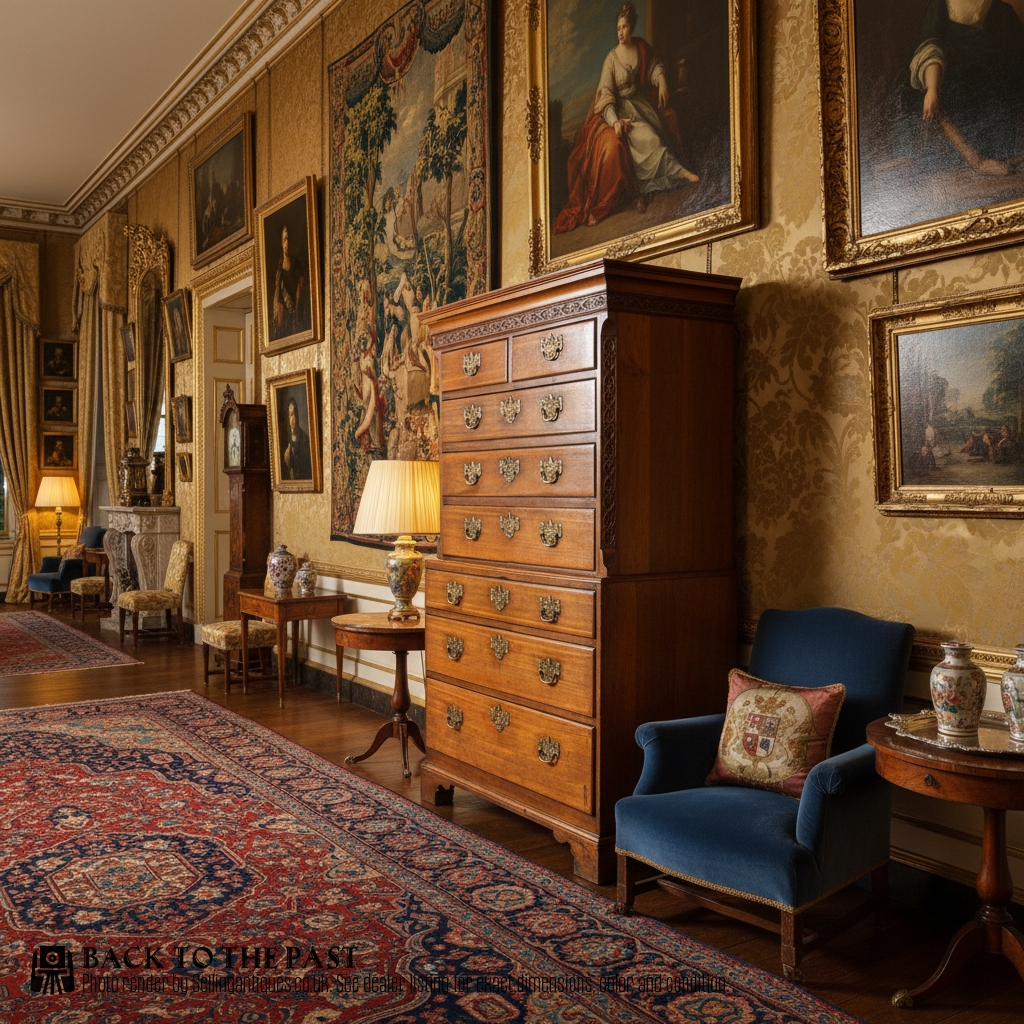
A warm brown tallboy is primarily a tall chest of drawers or chest on chest designed to maximise vertical storage without occupying excessive floor space. These pieces emerge across periods ranging from the Georgian and Queen Anne eras through to the Victorian and Edwardian decades, reflecting shifting domestic needs.
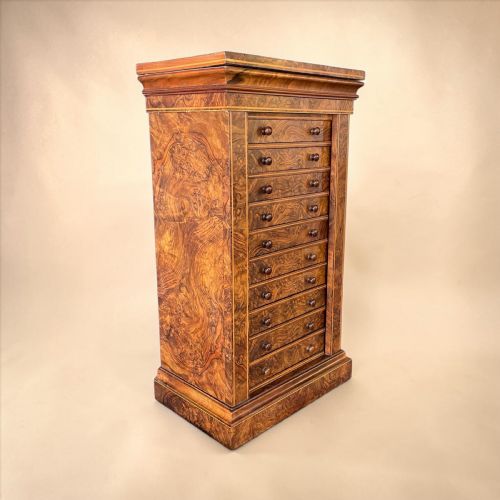
The versions most commonly found here are constructed from richly grained timbers like mahogany and walnut, often standing on bracket feet or short legs. Alongside traditional tallboys, buyers will encounter related forms such as linen presses, Wellington chests, and cabinets on chests sharing that characteristic elevated profile.
Originating as practical bedroom furniture for linens and garments, these taller chests combine utility with architectural presence. The proportions vary from modest Edwardian examples to grand 18th-century pieces with graduated drawers and brass drop handles.
Materials and construction methods
Cabinet makers utilised dense, durable hardwoods such as mahogany, oak, and walnut, frequently selecting figured veneers and crossbanding to create decorative surfaces on the drawer fronts. These timbers were chosen for their stability and capacity to accept a deep, lustrous polish.
Structural integrity relied on traditional joinery techniques, with hand-cut dovetails securing the drawer construction and sturdy carcases built to support the heavy stacked compartments. Brass hardware, including drop handles and escutcheons, was fitted securely to complement the dark, warm tones of the wood.
Warm Brown Tallboy Retail Price Guide 2026
Typical asking prices for warm brown tallboy among the pieces listed under this phrase on Sellingantiques today, from the lower quarter to the upper quarter. They describe what is for sale here now, not the wider market.
Listings feature pieces spanning from the 17th century through to the Edwardian period, utilising mahogany, walnut, oak, ash, and pine.
Assessing quality and craftsmanship
The distinction between standard pieces and the finest examples rests on the selection of timber veneers and the precision of the cabinet work. Superior items display carefully matched grain patterns across multiple drawer fronts, whereas simpler pieces utilise plain, uniform boards.
Fine craftsmanship is evident in the crispness of the mouldings, the tight tolerances of the drawer joints, and the retention of original brass fittings. The depth of the patina built up over centuries also separates well-preserved antiques from heavily restored or later altered examples.
Heal & Son
The Warm Brown Tallboy Glossary
- Tallboy
- A tall chest of drawers, typically formed of one chest stacked upon another or built as a single tall unit. This design provides significant drawer capacity within a compact footprint.
- Crossbanding
- A decorative border technique where narrow strips of veneer are laid perpendicular to the grain of the main surface. It frames the drawer fronts with a contrasting border of wood.
- Dovetail
- An interlocking joint used in drawer construction, prized for its tensile strength and resistance to being pulled apart. Hand-cut dovetails indicate traditional craftsmanship.
- Patina
- The surface sheen and mellowing of colour developed by wood over years of handling, exposure, and polishing. It serves as a visual indicator of age and authenticity.
- Escutcheon
- A protective plate surrounding the keyhole of a drawer or cabinet door, often cast in brass. It prevents the surrounding wood from becoming worn by the key.
Warm Brown Tallboy: Frequently Asked Questions
What is a warm brown tallboy used for?
A warm brown tallboy functions primarily as a high-capacity storage unit for clothing, linens, and personal items. Its vertical orientation allows it to provide multiple drawers while taking up minimal floor space.
Historically placed in bedrooms or dressing rooms, these pieces also serve as striking focal points in hallways or living spaces, displaying decorative objects on their top surface.
How do I tell Georgian from Victorian tallboys?
Georgian tallboys typically exhibit refined proportions, bracket feet, and quarter-column details, often utilising rich walnut or figured mahogany. The craftsmanship emphasises lightness and classical architectural lines.
Victorian examples tend to be heavier and more robust, sometimes featuring plinth bases, rounded drawer corners, and darker mahogany or pine construction reflecting industrial-era manufacturing shifts.
How do I care for antique wood furniture?
Maintaining antique timber requires keeping pieces away from direct sunlight and steady heat sources to prevent the wood from drying out or splitting. Gentle dusting with a dry, soft cloth preserves the finish.
Periodic application of appropriate beeswax helps nourish the wood and maintain the deep patina without building up harmful chemical layers on the antique surface.
Where should I place a tallboy?
A tallboy suits rooms with high ceilings where its vertical presence can be balanced by the surrounding architecture. Bedrooms remain the traditional location for convenient access to folded garments.
Securing taller furniture to the wall is advisable to ensure stability, particularly on older uneven floors or in homes with children and pets.