

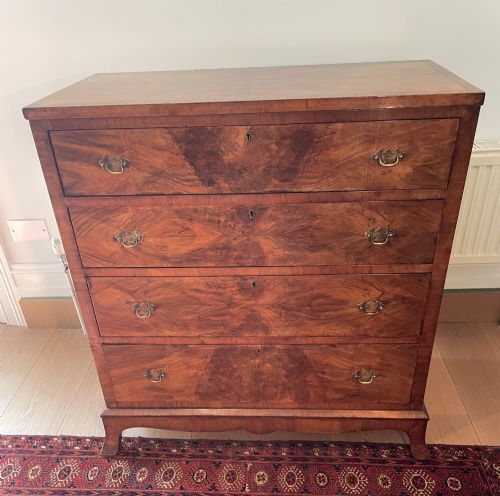
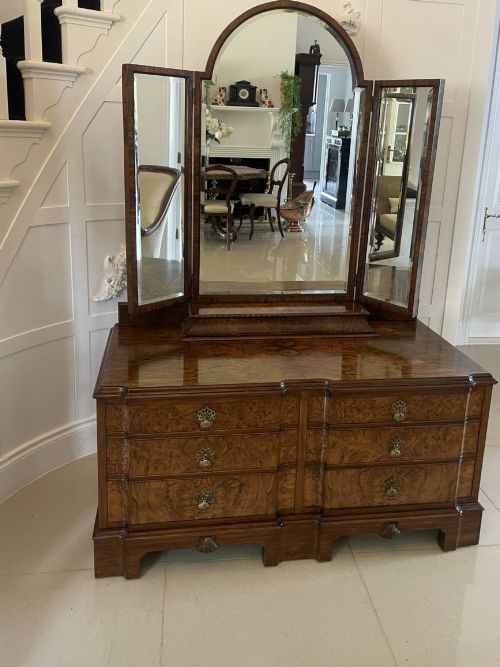
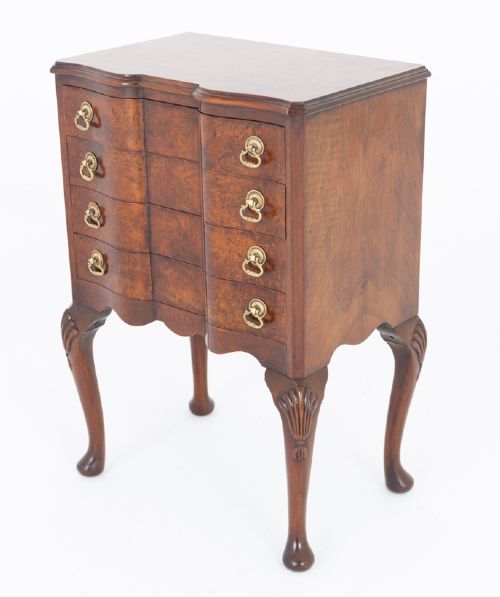
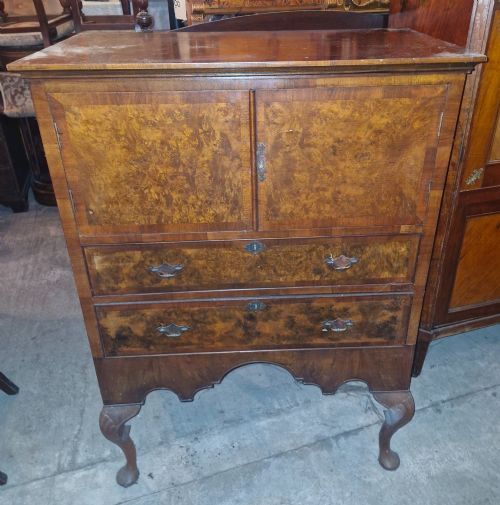
Queen Anne Style Chest
When you search for a queen anne style chest, you step into an era of figured veneers and graceful proportions designed to anchor a refined interior.
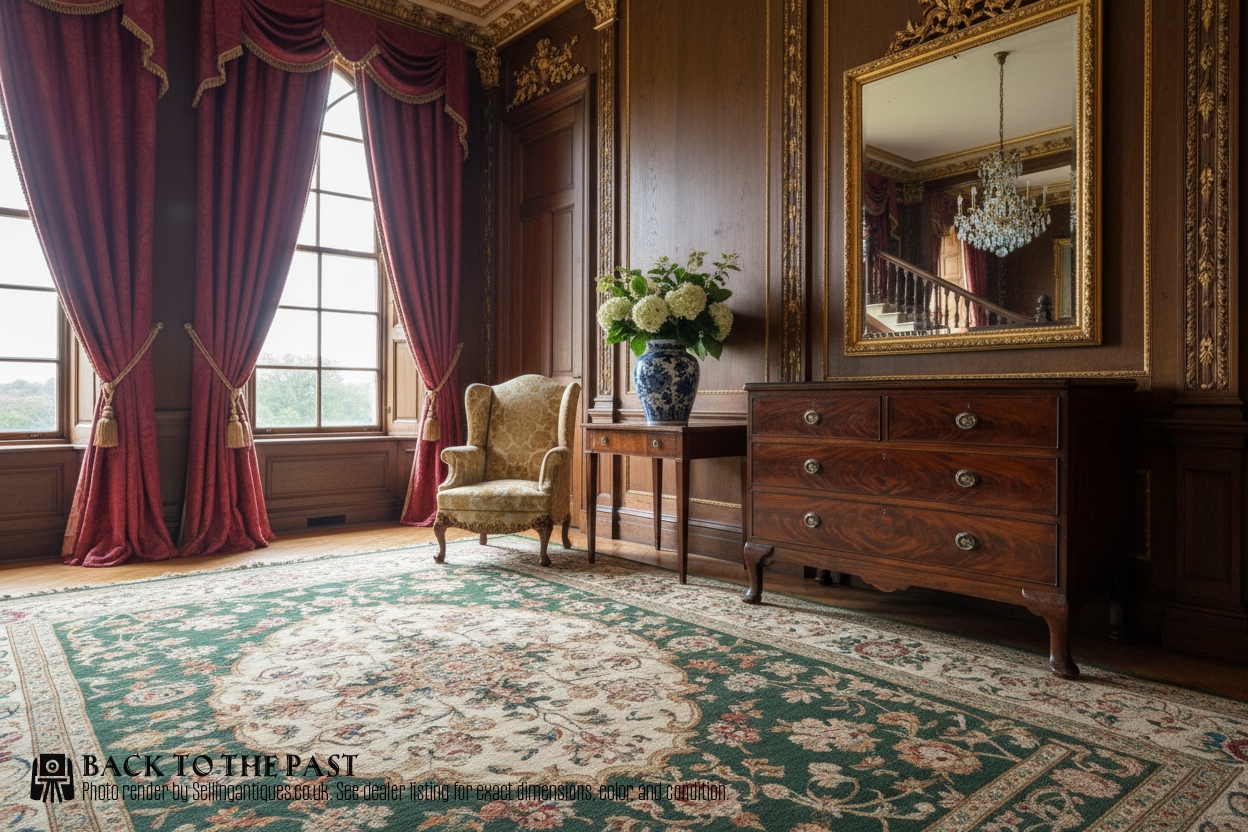
Queen Anne Style Chest
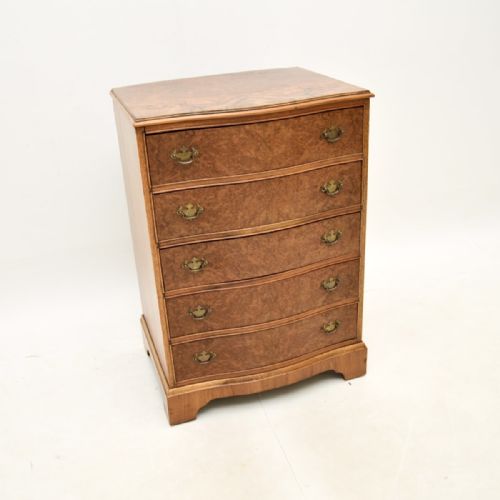
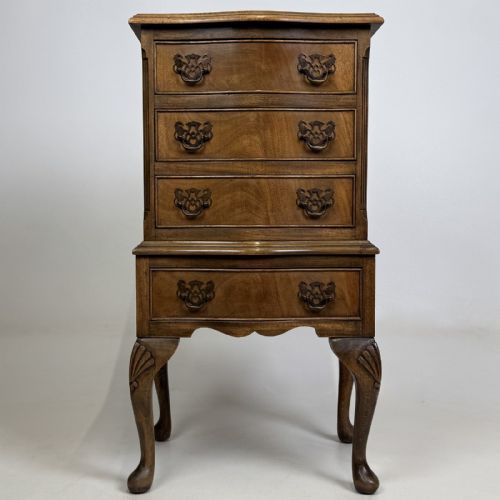
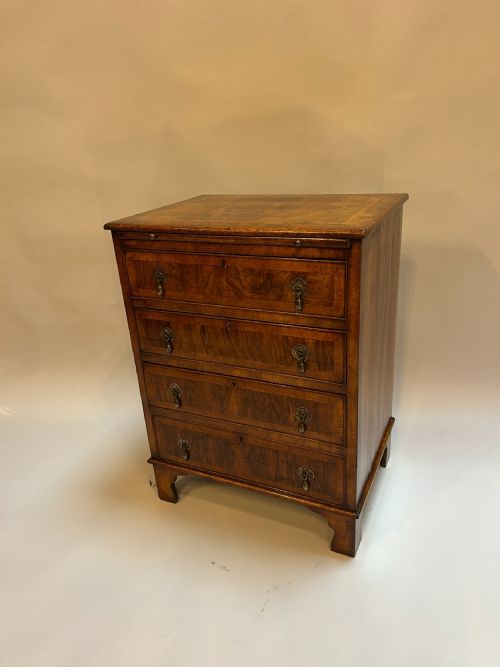
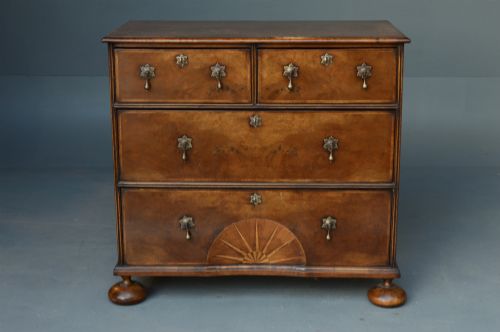
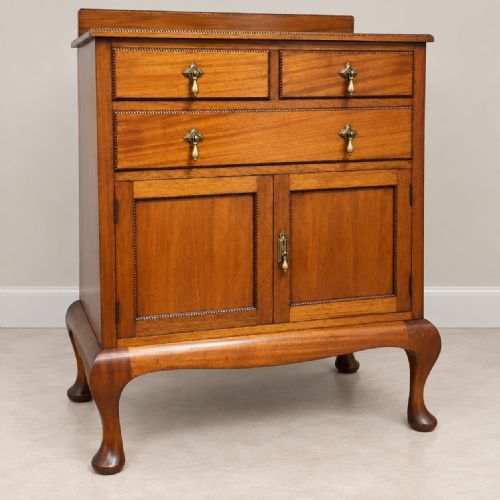
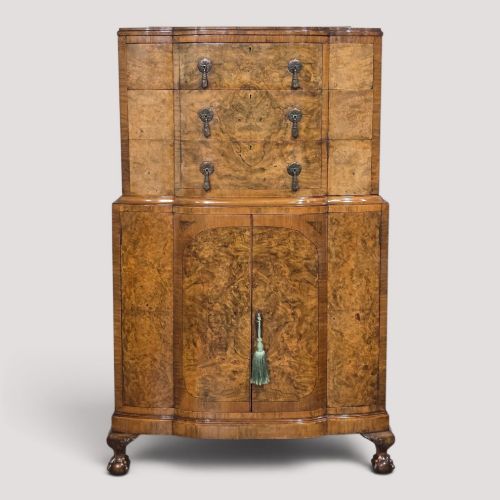
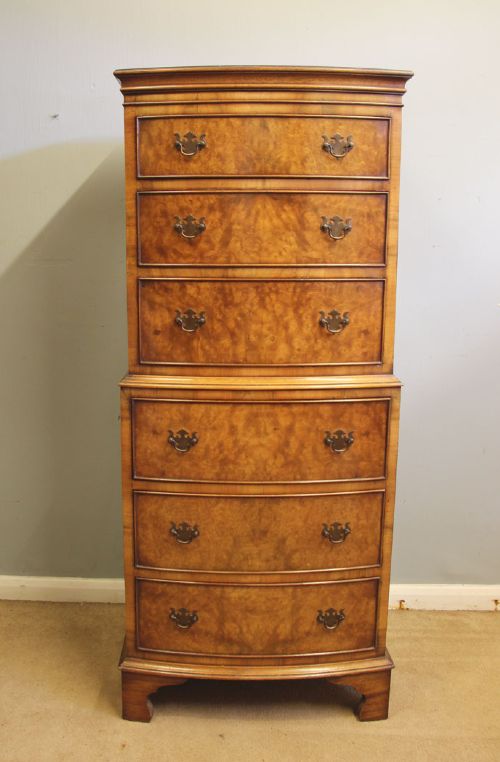
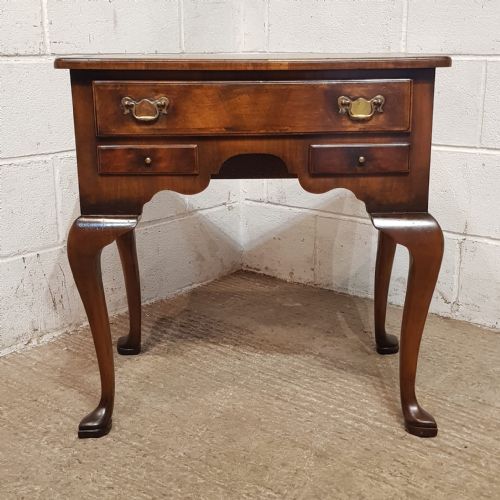
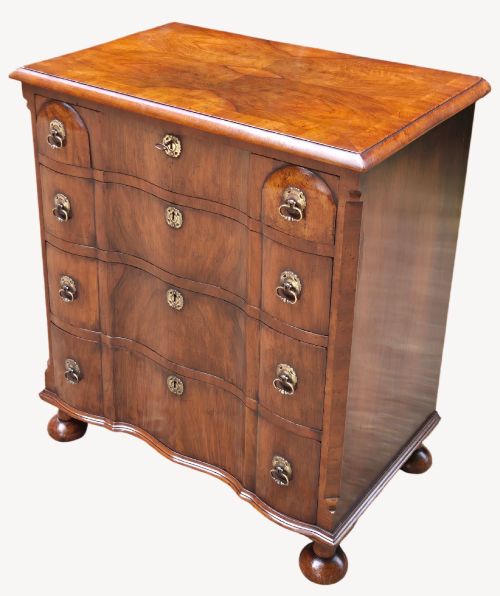
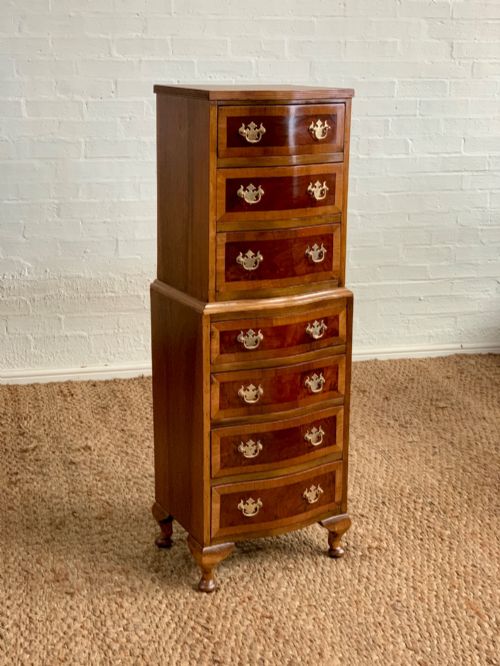
A queen anne style chest brings distinctive curved lines and figured timbers into domestic spaces, drawing heavily on eighteenth-century aesthetics while often emerging from early twentieth-century workshops. The pieces span upright tallboys, compact bedside cabinets, and elaborate chests on stand.
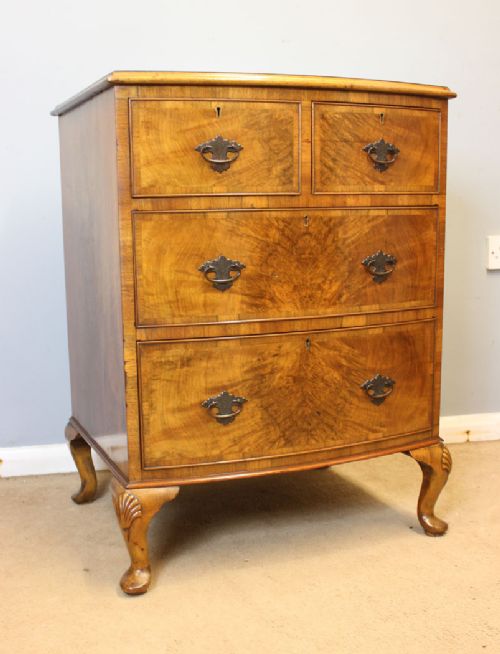
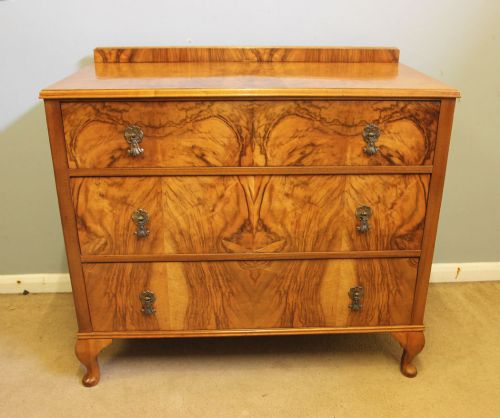
Makers frequently turned to walnut, employing burr and figured veneers to create striking surface patterns across drawer fronts. These items served primarily for chamber storage, holding linens, garments, or personal valuables within deep drawers raised on cabriole legs.
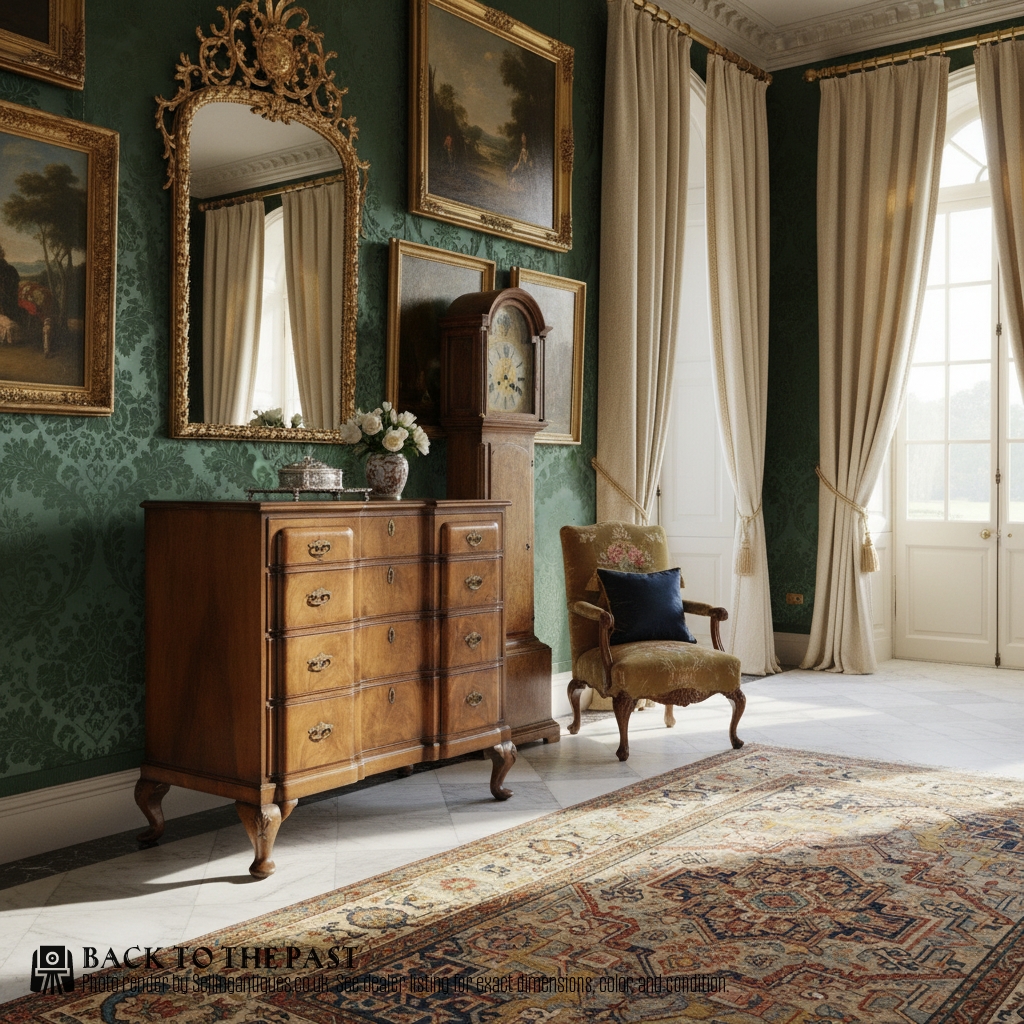
How They Were Made
Cabinet makers selected dense foundational timbers like oak or mahogany and applied thin veneers of burr walnut to the exterior surfaces. This technique produced rich, swirling grain patterns across the drawer fronts and top panels while maintaining structural stability.
Brass handles and escutcheons were fixed to the drawer faces, complementing the warm tones of the polished wood. Carved details often appeared on the knees of cabriole legs, integrating stylistic motifs typical of the revival period.
Queen Anne Style Chest Retail Price Guide 2026
Typical asking prices for queen anne style chest among the pieces listed under this phrase on Sellingantiques today, from the lower quarter to the upper quarter. They describe what is for sale here now, not the wider market.
Common forms include chests of drawers, tallboys, bedside cabinets, lowboys, and chests on stand.
What Varies in Quality
The selection and bookmatching of walnut veneers dictate much of the visual appeal, with symmetrical grain patterns marking superior examples. Poorer specimens display disjointed grain matching or heavy secondary timbers that lack depth.
The precision of the joinery around drawer corners and the execution of carved cabriole legs separate standard production items from finer workshop pieces. Better examples retain crisp carving and smooth drawer movement without excessive play.
Shoolbred and Co·Waring and Gillow
The Queen Anne Style Chest Glossary
- Burr walnut
- A specialised timber cut from tree growths, yielding intricate, swirling grain patterns. It forms the primary decorative surface on many high-end revival chests.
- Cabriole leg
- A furniture leg that curves out and then in, resembling an animal's curving leg. This shape defines the traditional profile found on chests raised on stands.
- Chest on chest
- A tall storage unit constructed in two stacked sections, providing generous drawer capacity. The upper tier sits directly upon a matching lower chest.
- Tallboy
- A tall upright chest of drawers, often combining a wardrobe function with lower storage. These pieces maximise vertical capacity in smaller chambers.
- Crossbanding
- A decorative border of veneer laid around the edges of a drawer front, running perpendicular to the central grain. This technique frames the primary timber.
Queen Anne Style Chest: Frequently Asked Questions
What is a queen anne style chest?
These items are storage chests built during the nineteenth and twentieth centuries that replicate the distinctive curved forms and walnut veneers of the early eighteenth century. They provide deep drawer capacity while displaying characteristic cabriole legs or bracket feet.
Buyers select them to introduce traditional warmth and figured wood grain into bedrooms or living spaces. Their compact footprints make them versatile for modern interiors requiring characterful storage.
How were these chests used originally?
Households utilised these cabinets for storing linens, folded garments, and personal documents within secure chambers. The inclusion of multiple graduated drawers allowed for organised placement of daily accessories.
Tallboys and chests on stand offered elevated storage that kept contents away from floor drafts. Bedside variants kept nocturnal necessities close at hand.
How do I date a revival chest?
Dating relies on examining secondary interior timbers, backboards, and fixing methods alongside any maker stamps. Edwardian and 1930s interpretations often utilise machine-cut elements hidden beneath hand-finished veneer surfaces.
Style combinations, such as Art Deco influences merged with walnut revival forms, point firmly toward early twentieth-century production. Construction details inside the drawer boxes reveal the manufacturing era.
Where should I place a tallboy?
A tallboy suits corners or wall spaces where vertical presence adds balance without consuming excessive floor area. Bedrooms and dressing rooms benefit most from their substantial storage capacity.
Ensuring adequate clearance for opening drawers fully allows the piece to function properly in daily use. Pairing the cabinet with complementary walnut side tables unifies the room.