
Antique Wood Furniture
Antique wood furniture gathers centuries of domestic history into practical forms, from sturdy oak boards to polished mahogany drawers shaped by hands long gone.
Antique Wood Furniture
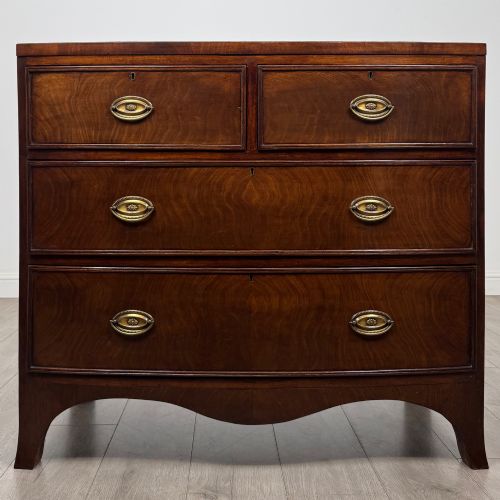
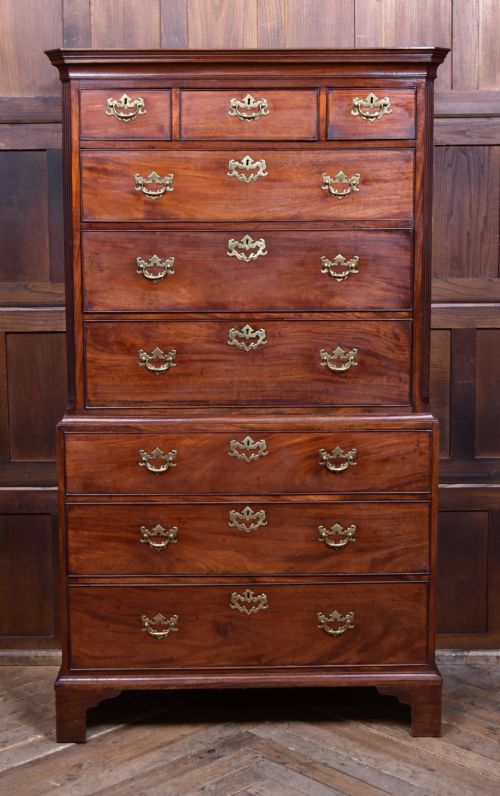
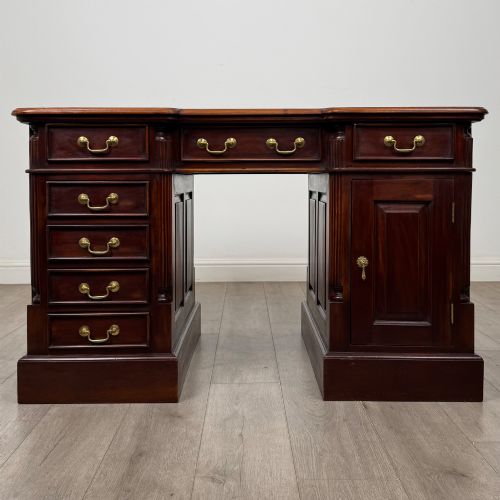
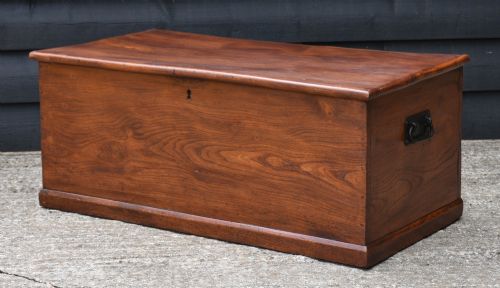
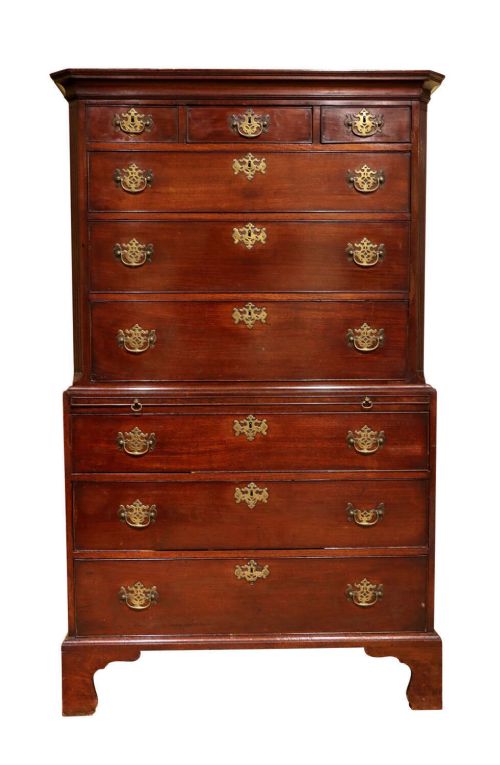
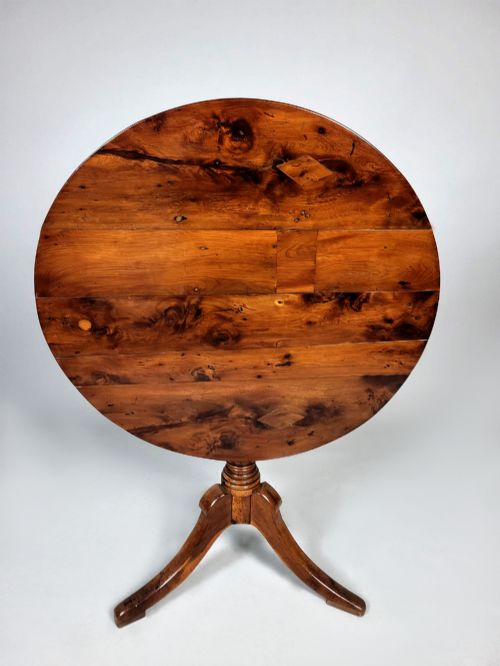
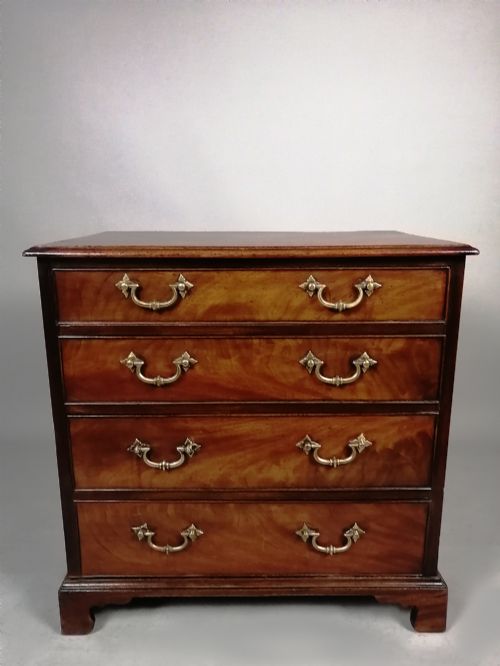
When browsing antique wood furniture, buyers encounter a diverse array of domestic items spanning the eighteenth, nineteenth and early twentieth centuries. The selection ranges from formal Georgian mahogany chests of drawers and Regency bookcases to rustic oak dining tables and elm Windsor chairs.
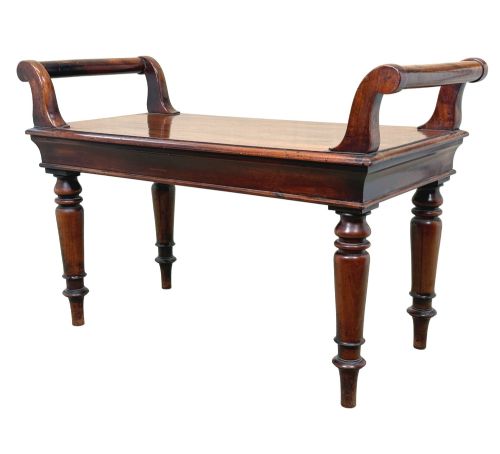
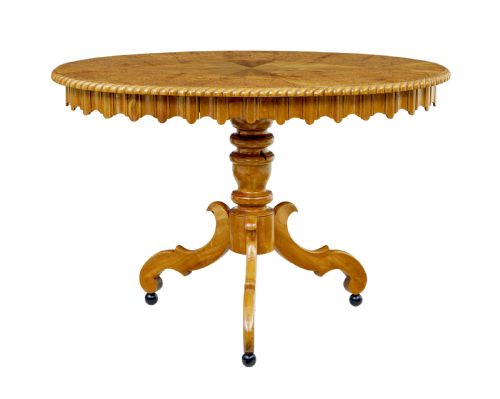
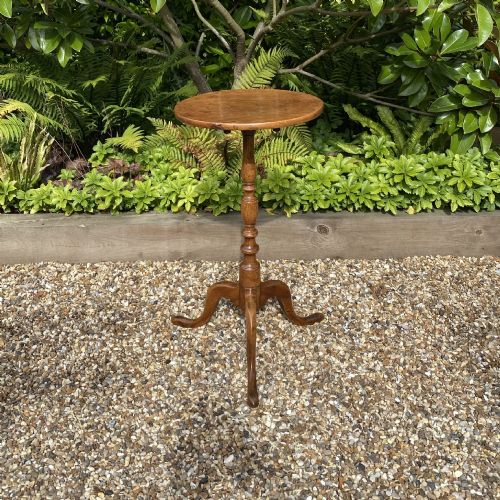
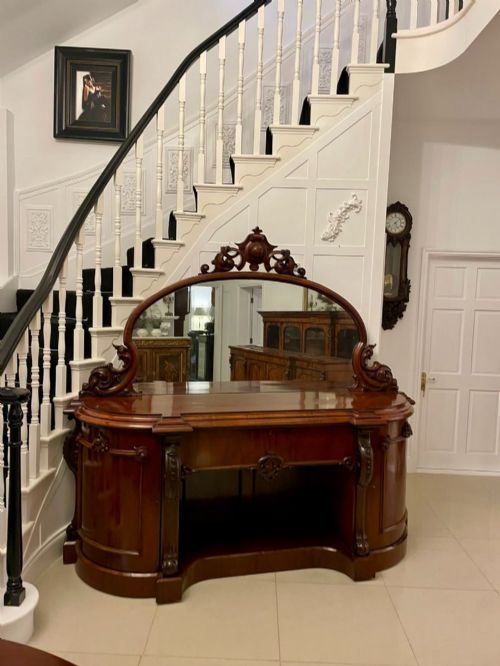
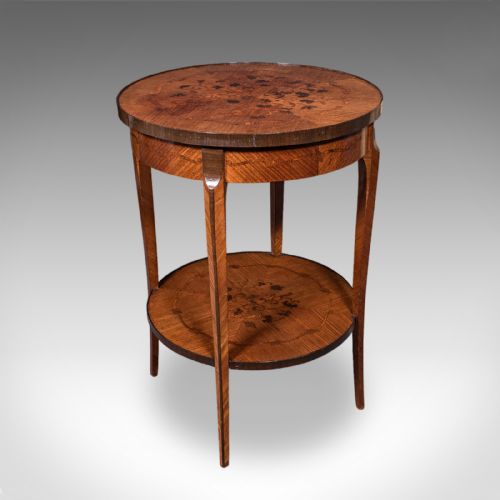
Mahogany and oak dominate the pieces seen here, often augmented by decorative veneers like burr birch, satinwood and rosewood. Forms vary widely from practical storage units such as linen presses and sideboards to smaller occasional pieces like wine tables, stools and nests of tables.
The objects originate from various regional British workshops as well as continental centres, reflecting the shifting tastes of the Georgian, Victorian and Edwardian eras. Buyers will frequently meet items built for specific daily functions, including bureau desks, corner cupboards, wardrobes and four-poster beds.
Materials and construction techniques
Joiners and cabinetmakers relied heavily on dense hardwoods like mahogany, oak and fruitwood, selecting each timber for its grain pattern and structural strength. Secondary woods often formed drawer linings and interior framing, while brass handles, keyplates and occasional glass panes added functional and decorative contrast.
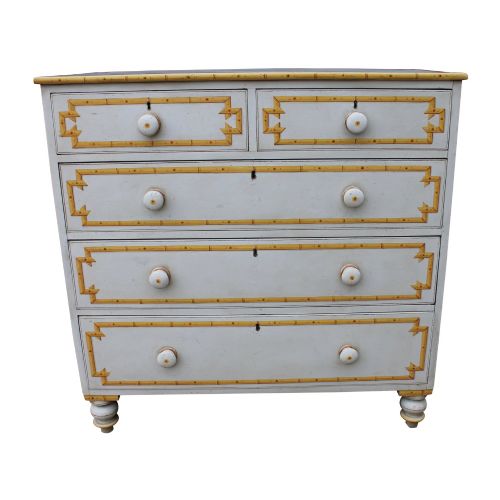
Construction relied on traditional joinery methods such as dovetails for drawer boxes and mortise and tenon joints for frames and seating. Surfaces were finished with hand-applied polishes, waxes or occasionally painted decorations, preserving the natural figure of the timber while protecting it from daily wear.
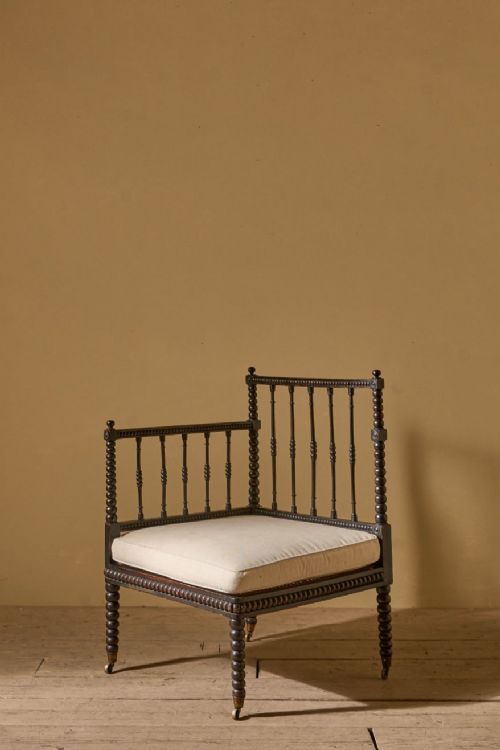
Several items double as miniature forest scenes, featuring hand-carved bears and faux bamboo frames.
Measures of craftsmanship and integrity
Quality rests primarily in the selection of the timber and the precision of the joinery, where tight, clean joints indicate superior workshop standards. Finer pieces demonstrate careful attention to symmetry, grain matching across drawer fronts, and the survival of original hardware like brasses and locks.
The integrity of a piece is further measured by how well its secondary woods, backboards and interior surfaces match the primary exterior structure over centuries of use. Subtle details such as hand-carved mouldings, crisp turning on legs and intact original finishes elevate an item above simpler utilitarian versions.
Holland & Sons·Whytock & Reid
The Antique Wood Furniture Glossary
- Dovetail
- A joint formed by interlocking wedge-shaped fingers, commonly used in drawer construction. This technique provides exceptional tensile strength without metal fasteners.
- What-Not
- An open set of tiered shelves used for displaying ornaments or holding books. These freestanding or corner units became particularly popular during the Regency and Victorian periods.
- Brushing Slide
- A pull-out shelf integrated into the upper section of a chest of drawers or bureau. It provided a convenient writing or sorting surface that tucked away when not needed.
- Joint Stool
- An early form of domestic seating constructed with pegged mortise and tenon joints rather than turned legs. They served multiple household purposes before individual chairs became common.
Antique Wood Furniture: Frequently Asked Questions
How do I identify a Georgian chest of drawers?
Georgian chests typically feature dense mahogany or walnut timbers, hand-cut dovetails on the drawer sides, and bracket or ogee feet. They often include fine details such as brushing slides and original brass hardware.
Proportions tend to be classical and balanced, reflecting the cabinetmaking standards of the eighteenth century. Examining the interior secondary woods helps confirm the period of manufacture.
Are oak dining tables suitable for daily use?
Early oak dining tables provide robust surfaces built from heavy boards that withstand regular daily activity. Their sturdy mortise and tenon frames offer remarkable stability.
Maintenance involves regular waxing to protect the timber from moisture and heat marks. Over generations, these tables acquire a rich patina from continuous domestic service.
What is the difference between satinwood and mahogany?
Mahogany is a heavy, reddish-brown hardwood valued for its stable working properties and rich grain depth. It formed the backbone of formal furniture from the mid-eighteenth century onward.
Satinwood is a lighter, yellow-toned timber with a distinctive shimmering grain, often used for decorative veneers and inlay work. It appeared more frequently in high-status neoclassical and Edwardian pieces.
How should I care for antique rosewood furniture?
Rosewood requires stable indoor humidity levels away from direct sunlight to prevent the dense natural oils from drying out. Gentle cleaning with a soft cloth and occasional application of traditional beeswax maintains the finish.
Avoiding placement near heat sources protects the timber joints from shrinking and cracking. Proper environmental care preserves the deep purple-brown hues characteristic of the wood.