

Antique Burr Walnut Commode
An antique burr walnut commode brings warm timber grain and practical drawer storage to a room, valued for its swirling patterns.
Antique Burr Walnut Commode
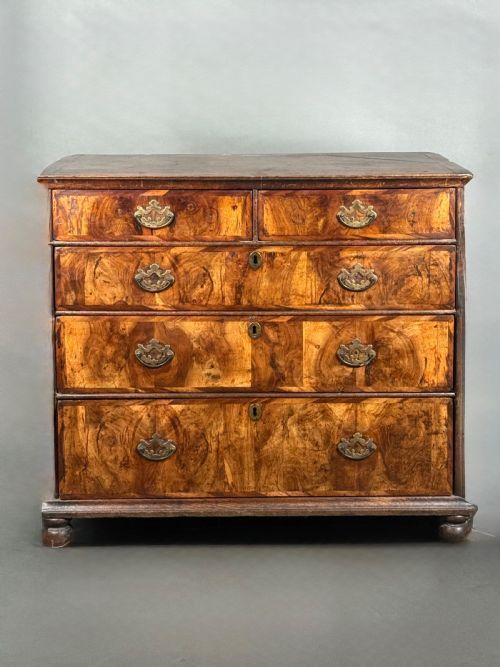
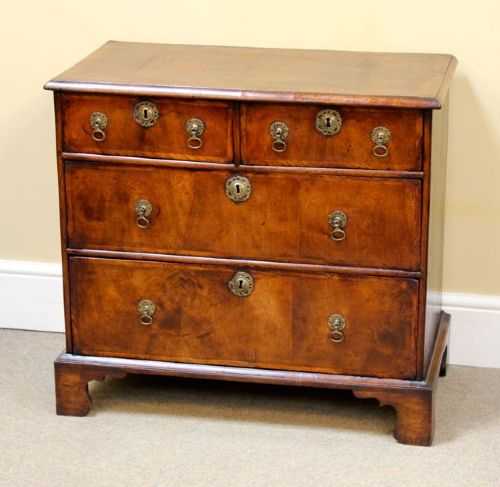
An antique burr walnut commode is a low storage chest or cabinet defined by its rich, knotty wood figuring and formal presence. These pieces emerge across several eras, spanning early eighteenth-century Georgian designs through to later twentieth-century revivals.
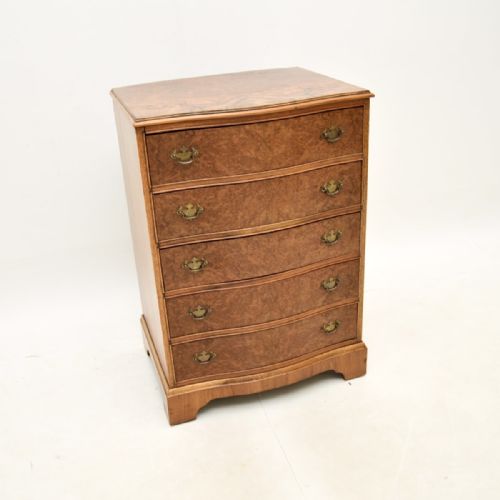
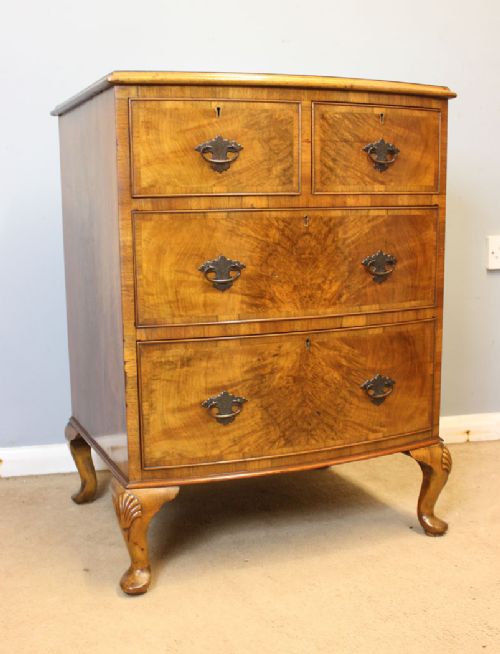
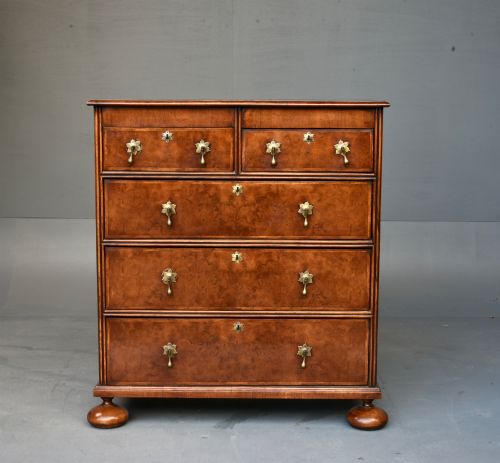
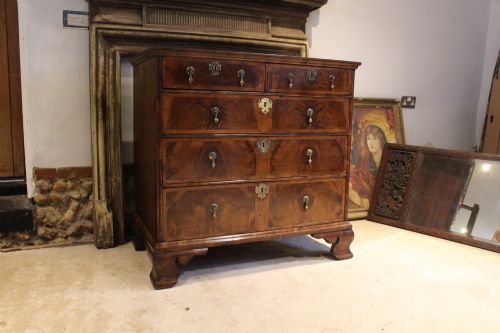
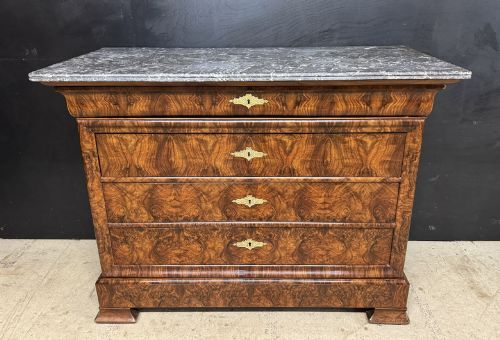
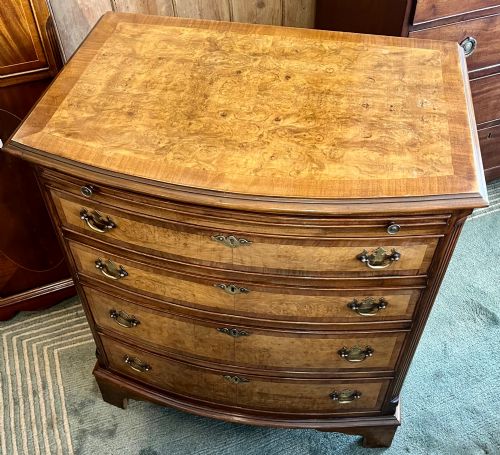
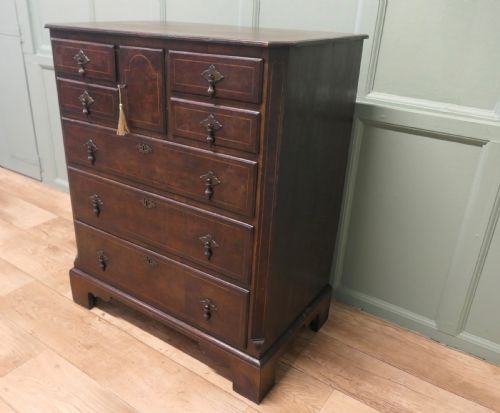
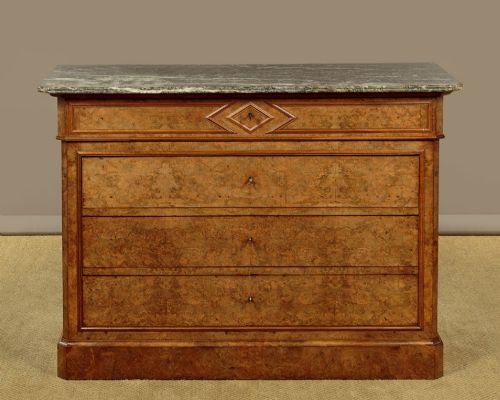
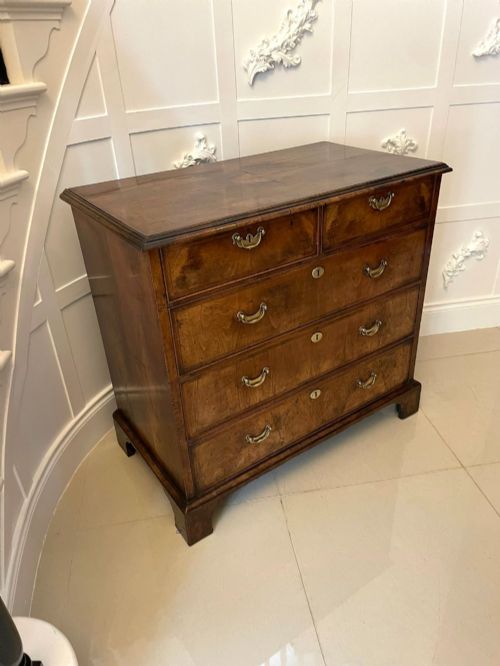
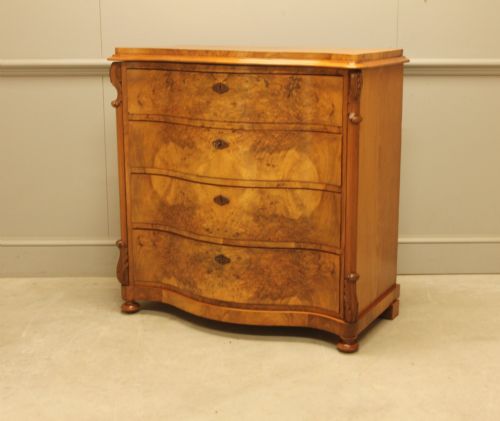
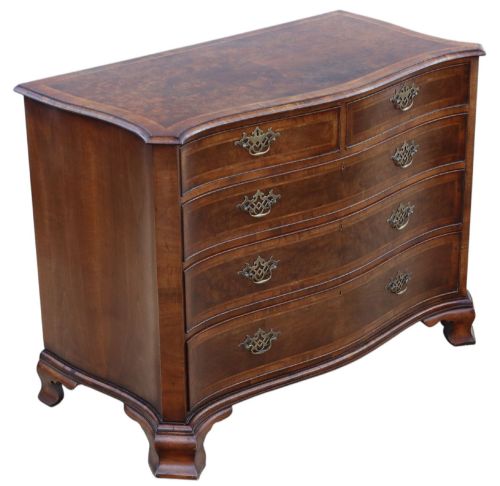
The versions met most frequently on this page range from compact serpentine chests of drawers to marble-topped commodes and revival cabinets. Cabinetmakers shaped these forms using oak and walnut carcasing overlaid with decorative veneers.
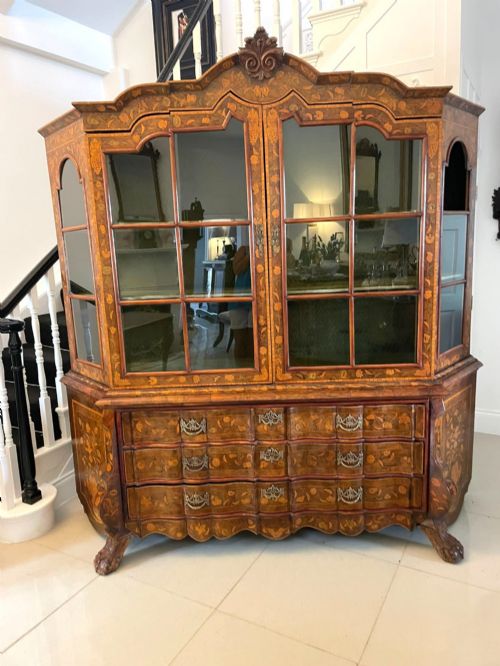
Origins stretch across English, Swedish, Dutch, German, and Italian workshops, each applying regional techniques to the timber. Buyers encounter everything from simple walnut chests to elaborate marquetry-inlaid display cabinets and bow-fronted drawers.
Materials and construction
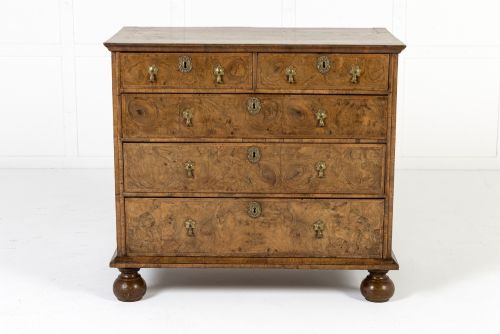
Cabinetmakers constructed the main carcase using solid structural timbers such as oak, then applied thin slices of burr walnut veneer to visible surfaces. This technique displayed the intricate, swirling grain patterns of the tree's burl growth while preventing warping.
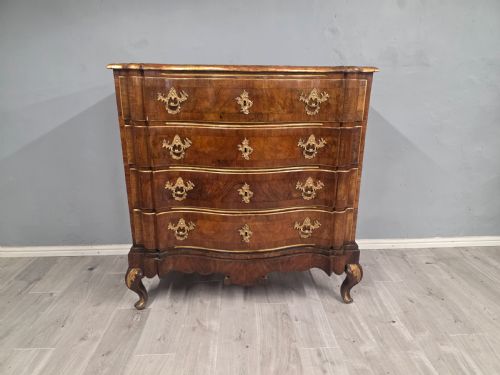
Gilded or cast brass handles, escutcheons, and ormolu mounts finished the drawers and doors on finer examples. Some continental commodes incorporated contrasting satinwood banding or heavy marble tops.
Joinery relied on traditional hand-cut dovetails for drawer construction and pegged mortise and tenon joints for the main frame. Surfaces were hand-polished to accentuate the natural figuring of the wood.
Antique Burr Walnut Commode Retail Price Guide 2026
Typical asking prices for burr walnut commode among the pieces listed under this phrase on Sellingantiques today, from the lower quarter to the upper quarter. They describe what is for sale here now, not the wider market.
Some chests hide sliding top panels, offering a secretive writing surface for clandestine notes.
Assessing quality and craftsmanship
Quality rests primarily on the selection and matching of the walnut veneer across the front and top of the piece. Master makers mirrored the grain patterns symmetrically, creating bold visual rhythm, whereas simpler pieces used mismatched timber sheets.
The precision of the drawer construction and secondary woods also distinguish higher tiers of cabinetmaking. Fine examples use robust oak linings inside drawers with tight dovetailing, alongside original brass hardware that fits its station precisely.
Proportion and silhouette separate standard workshop output from exceptional commissions. Sharply defined serpentine shaping, crisp crossbanding, and integrated marquetry inlay mark out pieces produced by skilled hands.
The Antique Burr Walnut Commode Glossary
- Burr walnut
- A figured veneer sliced from the knotty growth of a walnut tree. It produces swirling, highly decorative patterns across the surface of furniture.
- Commode
- A low chest of drawers or cabinet. The term frequently describes continental European examples with wide proportions.
- Serpentine
- A curved front shape with a convex centre flanked by concave ends. This contour requires careful carpentry to veneer successfully.
- Crossbanding
- A narrow strip of veneer laid around the border of a drawer front or top panel. The grain runs perpendicular to the main surface timber.
- Marquetry
- Inlaid patterns formed by fitting pieces of various coloured woods into a veneer ground. Dutch and continental cabinets often utilised floral motifs.
Antique Burr Walnut Commode: Frequently Asked Questions
How do I date an antique commode?
Dating relies on examining construction methods, timber choices, and hardware styles across the piece. Earlier eighteenth-century examples display hand-sawn oak drawer linings and simple brasses, while later revival pieces show twentieth-century production signatures.
Secondary woods inside the carcase also offer clues regarding the geographical origin and period. Comparing the structural framing to established stylistic traits helps narrow down the decade of manufacture.
What is the difference between a commode and a chest of drawers?
The distinction usually relates to regional terminology and the specific proportions of the cabinet. A commode often refers to lower, wider continental European drawer units, sometimes fitted with marble tops.
English cabinetmakers traditionally designated similar low storage furniture as chests of drawers. Both forms served identical domestic purposes within bedrooms and formal entertaining rooms.
Where should I place a burr walnut commode?
These decorative pieces suit living rooms, hallways, or bedrooms where the timber grain can be appreciated up close. Positioning them away from direct sunlight and heat sources protects the fragile veneer from drying out.
Their striking facades allow them to function as standalone statement items against neutral walls. The flat top surface also accommodates lamps, books, or decorative objects.
How do I care for walnut veneer?
Maintenance requires dusting with a soft, dry cloth and avoiding modern chemical polishes or silicone sprays. Maintaining stable room humidity prevents the thin burr veneer from lifting or cracking over time.
Applying a traditional beeswax occasionally nourishes the timber and preserves the sheen. Professional restoration is recommended if any areas of veneer begin to loosen.