

French Style Walnut Chest
A french style walnut chest brings continental elegance to a room, offering rich timber grain and polished marble surfaces.
French Style Walnut Chest
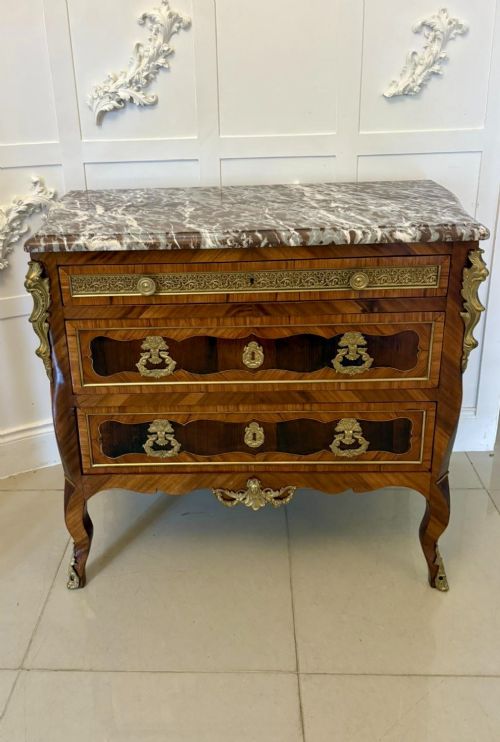
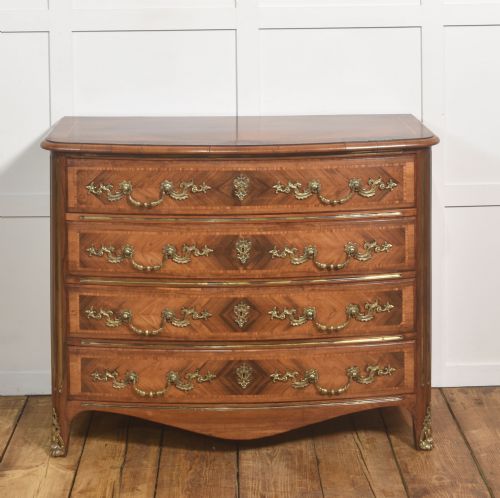
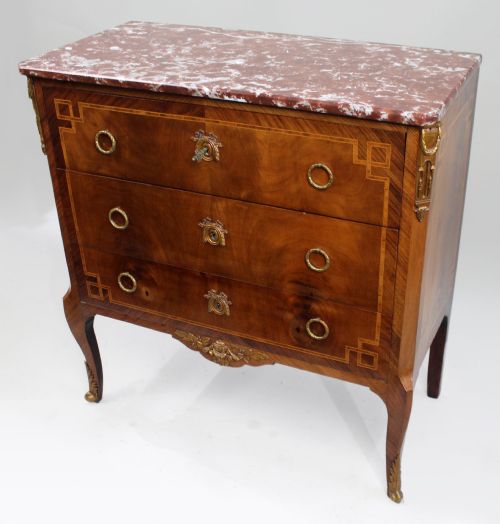
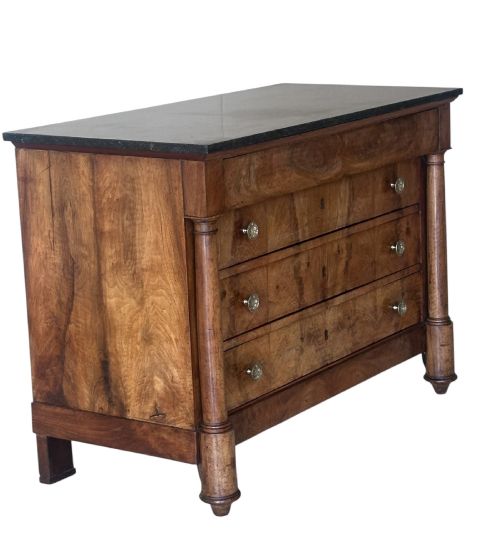
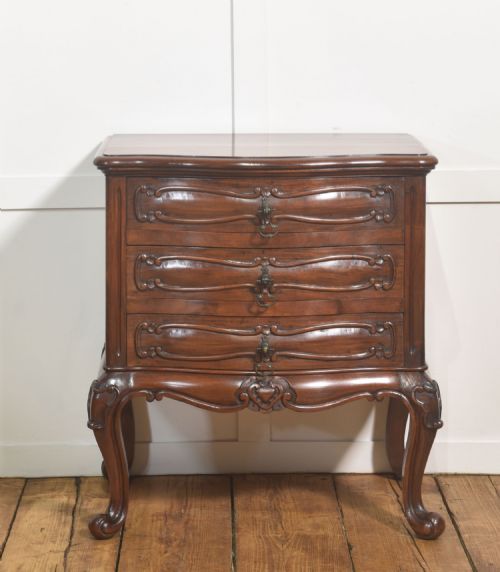
A french style walnut chest encompasses commodes, bedside tables, and serpentine chests of drawers originating across the eighteenth, nineteenth, and early twentieth centuries. These pieces draw heavily on Louis XV, Louis XVI, and Rococo revival design vocabularies, often featuring sweeping curves and sophisticated silhouettes.
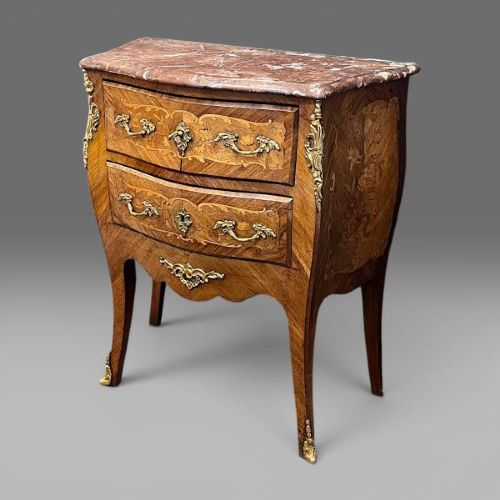
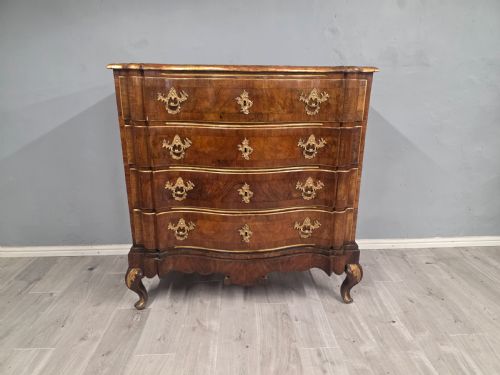
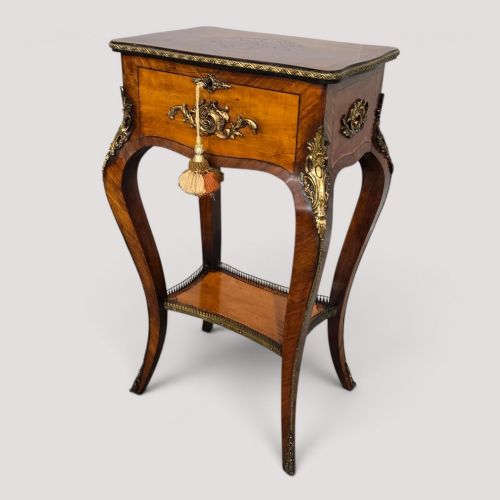
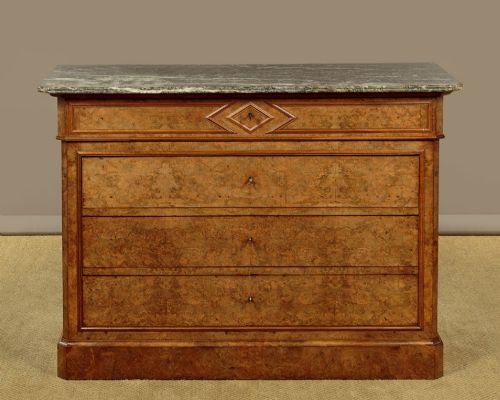
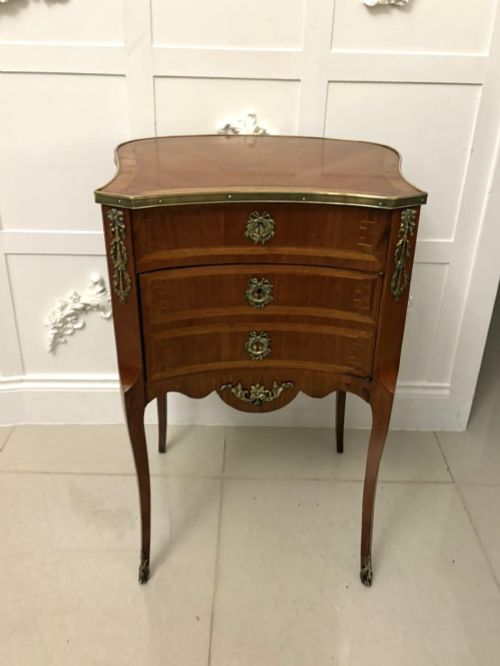
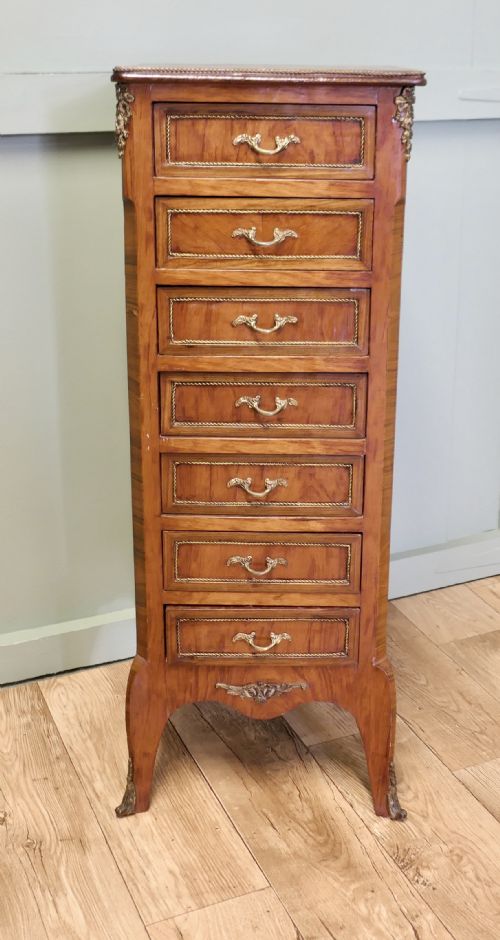
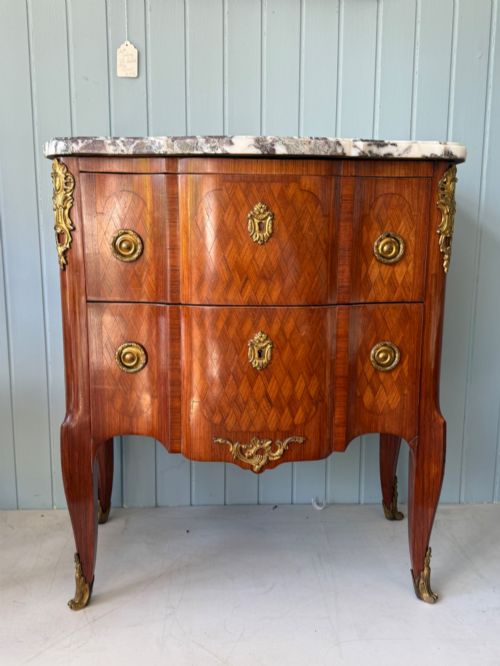
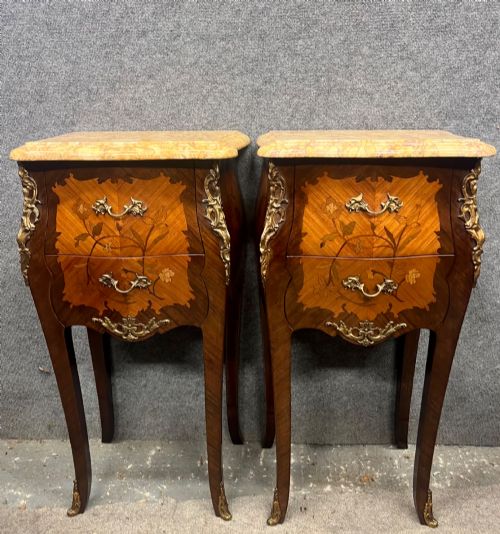
The most common forms on this page are marble-topped commodes and bedside chests displaying walnut, burr walnut, and intricate marquetry. Makers of these pieces utilised traditional continental carcass forms, ranging from bombé profiles to neat demi-lune shapes.
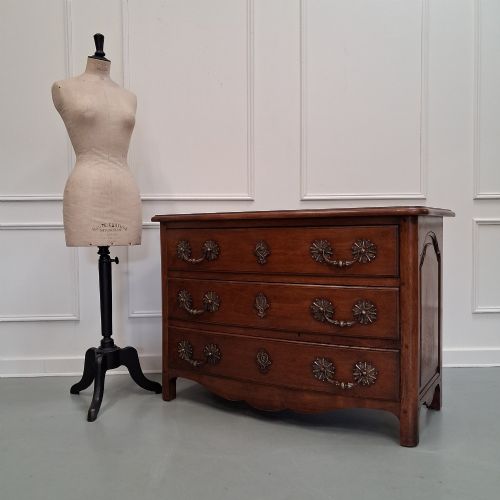
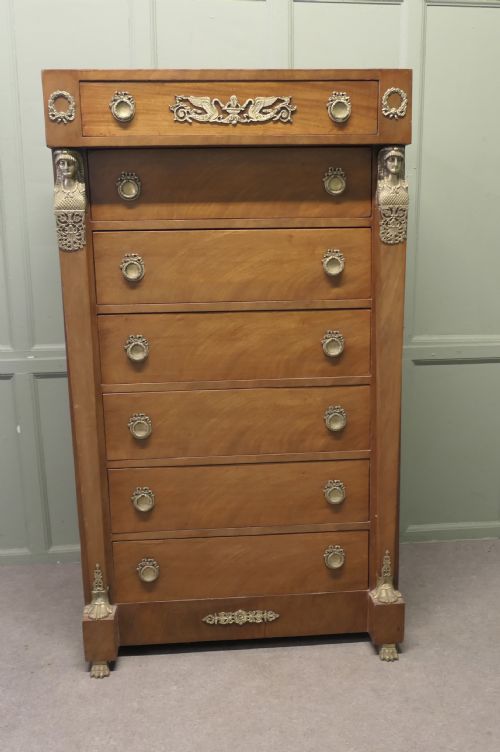
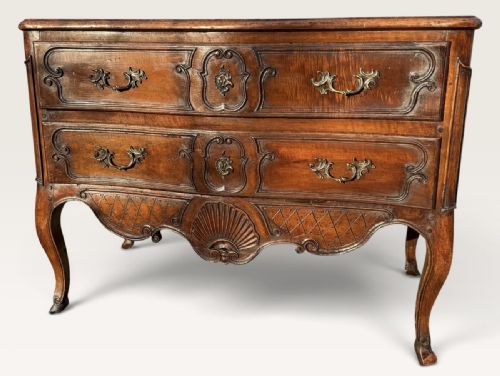
Many items incorporate regional interpretations, including provincial commodes and neoclassical variations alongside grander revival pieces. Walnut remains the unifying medium, paired with contrasting inlay woods to create geometric patterns and floral motifs.
Materials and construction
Cabinet makers built the primary carcass using solid walnut and secondary softwoods, applying figured veneer and burr walnut over the exterior surfaces to create dramatic grain movement. Marquetry panels incorporated rosewood, kingwood, and satinwood arranged in geometric parquetry or pictorial designs.
Heavy use of cast ormolu and gilt bronze mounts accents the corners, handles, and apron centres of nineteenth and twentieth-century iterations. Tops predominantly feature fitted slabs of marble, including rouge and white varieties, secured to the timber base.
French Style Walnut Chest Retail Price Guide 2026
Typical asking prices for french style walnut chest among the pieces listed under this phrase on Sellingantiques today, from the lower quarter to the upper quarter. They describe what is for sale here now, not the wider market.
The listings span from the eighteenth century through to the 1930s, showcasing walnut, burr walnut, and kingwood paired with marble.
Assessing craftsmanship and execution
Quality rests in the crispness of the gilt bronze mounts and the precision of the marquetry inlay across curved drawer fronts. Finer examples display seamless veneer matching over complex serpentine and bombé contours without lifting or shrinkage.
The weight and selection of the marble top also indicate grade, with thicker, polished slabs properly counter-sunk into the timber framework. Interior drawer construction utilising hand-cut dovetails and oak linings further separates standard production from superior workshops.
The French Style Walnut Chest Glossary
- Commode
- A low chest of drawers or cabinet, typically originating from France and standing on relatively tall legs. These pieces often feature decorative mounts and marble tops.
- Serpentine
- A furniture front or top curving outward in the centre and inward at the sides. This contour requires precise woodworking skills to fit drawers accurately.
- Bombe
- An outwardly bulging or swelling shape characteristic of continental case furniture. The curved profile demands advanced veneer work.
- Marquetry
- Decorative patterns formed by inserting small pieces of veneer into a wood foundation. Craftsmen use various coloured timbers to build up pictures or geometric designs.
- Ormolu
- Gilded bronze used for furniture mounts and decorative hardware. The material adds metallic highlight to wooden surfaces.
French Style Walnut Chest: Frequently Asked Questions
How do I date a french style walnut chest?
Dating relies on examining construction methods, timber choice, and stylistic revival cues. Eighteenth-century originals show hand-cut joinery and period-specific hardware, while nineteenth-century revival pieces display machine assistance alongside cast ormolu mounts.
Twentieth-century iterations often incorporate simpler internal framing and distinct veneer matching. Comparing the marble thickness and the patination of the walnut grain helps clarify the era of production.
What is the difference between a commode and a chest of drawers?
A commode is specifically a low French-style cabinet featuring drawers or doors, traditionally designed for domestic bedrooms or reception rooms. They frequently incorporate shaped marble tops and decorative bronze mounts.
Standard chests of drawers generally refer to taller British or general utility storage pieces. Commodes prioritize decorative presence alongside functional drawer space.
How do I care for a marble top commode?
Marble surfaces require regular dusting with a soft dry cloth to prevent grit accumulation. Avoid acidic liquids like citrus or wine, which etch polished stone instantly.
Apply a neutral stone soap for deeper cleaning when necessary. Protect the walnut body using traditional beeswax rather than modern silicone sprays.
Are these chests suitable for modern interiors?
The rich timber grain and compact proportions of these chests allow them to function effectively in contemporary spaces. Bedside chests and neat commodes serve well as lamp tables or storage surfaces in hallways.
Their decorative hardware and varied silhouettes provide contrast against minimalist interior design. Placement away from direct sunlight protects the delicate wood veneers.