


Antique Walnut Vanity
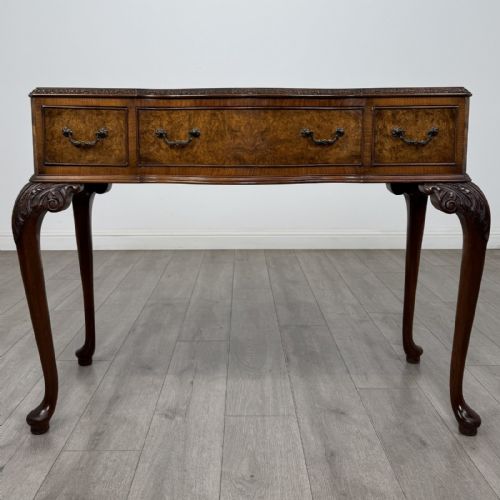
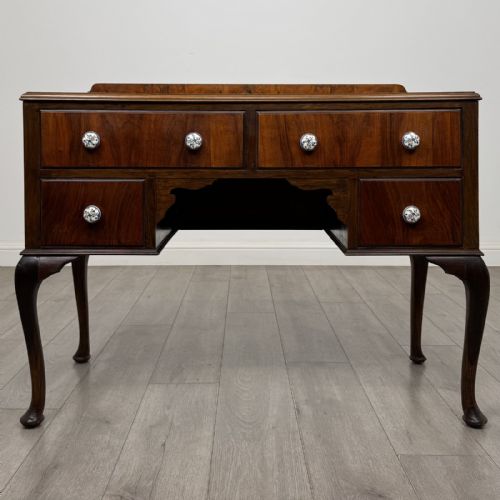
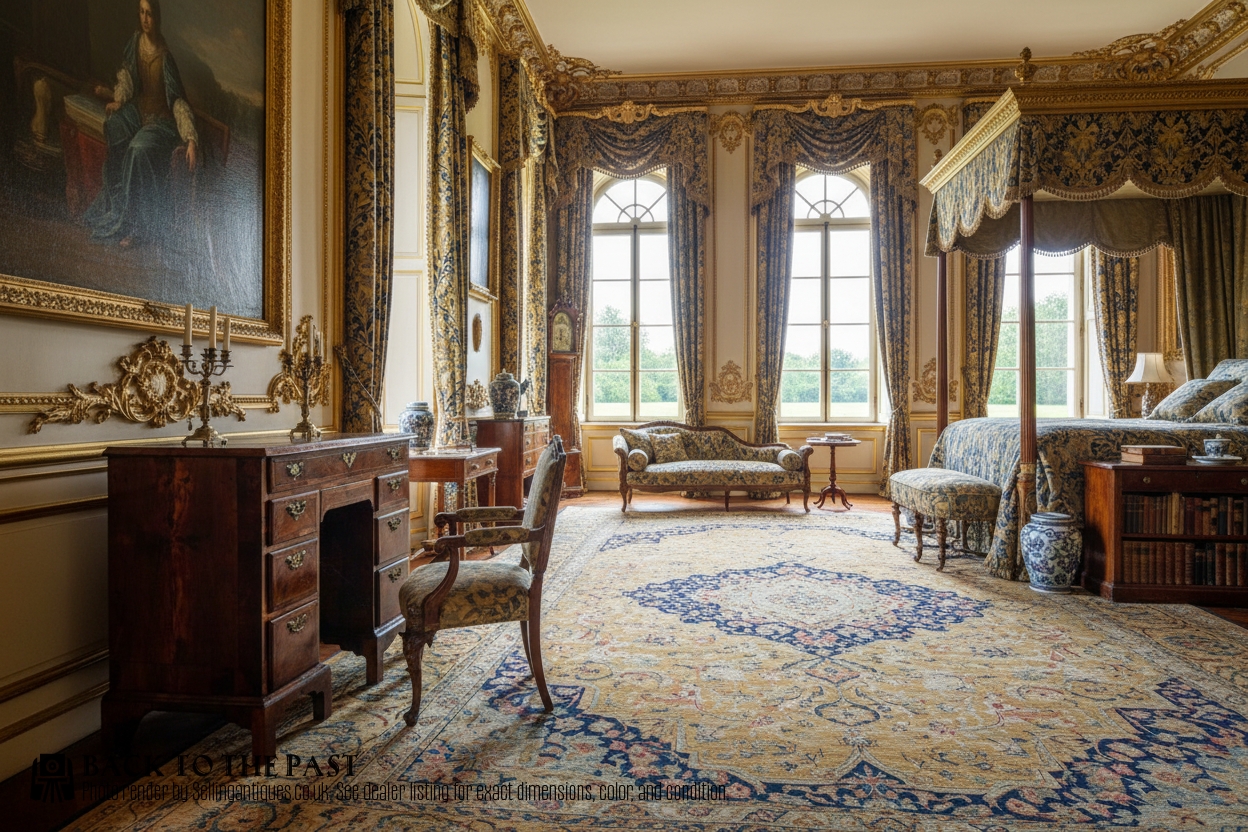
An antique walnut vanity brings rich figuring, brass hardware and period elegance to a dressing room or bedroom.
Antique Walnut Vanity
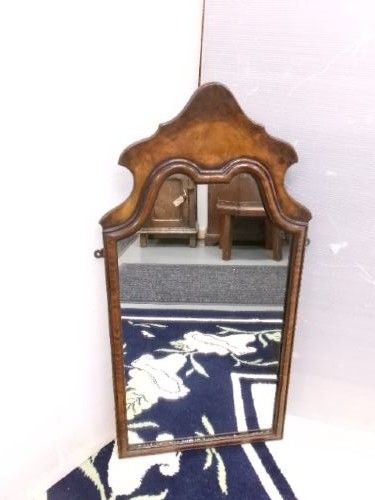
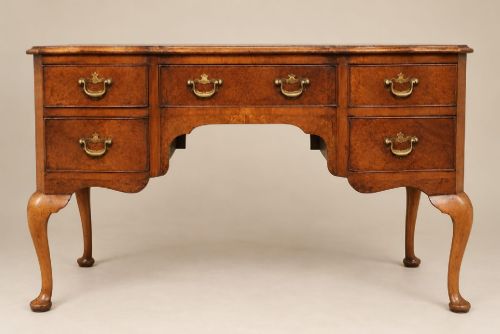
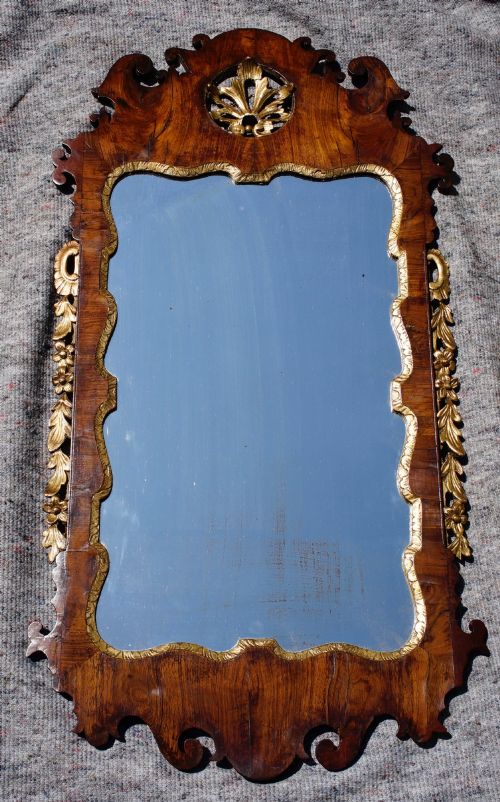
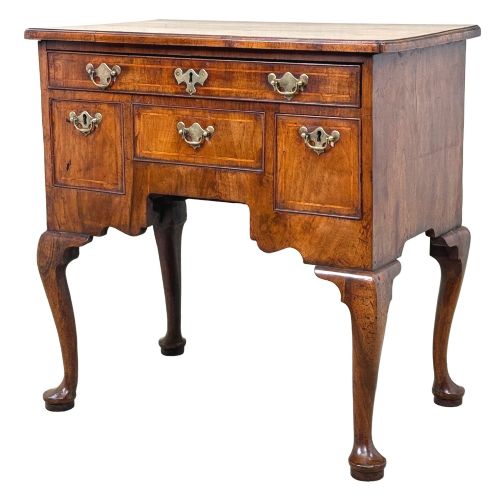
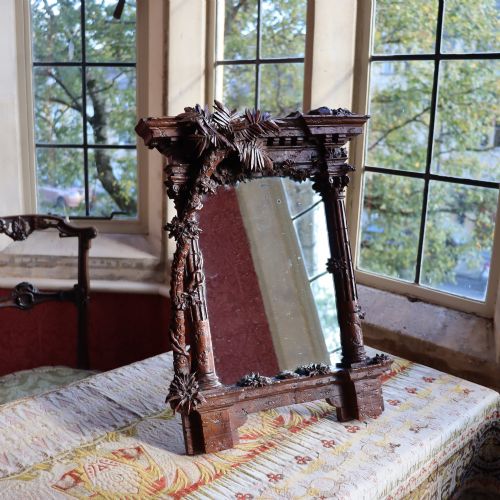
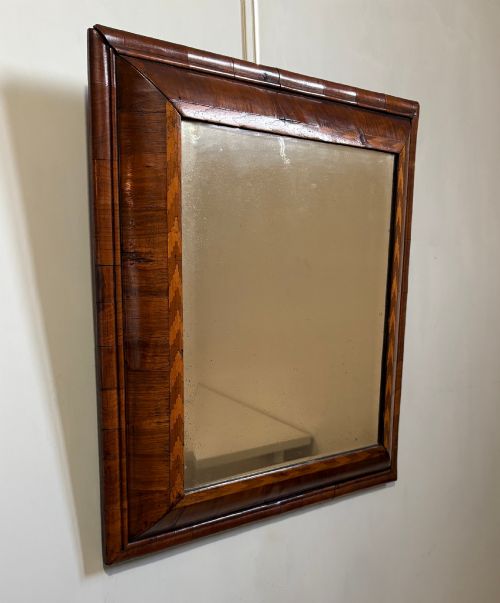
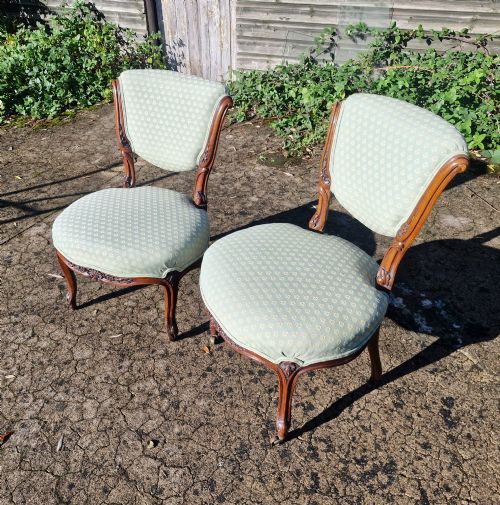
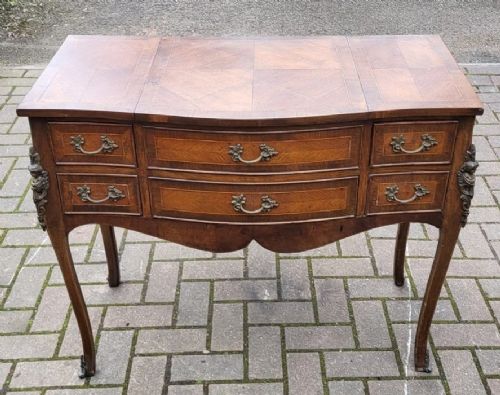
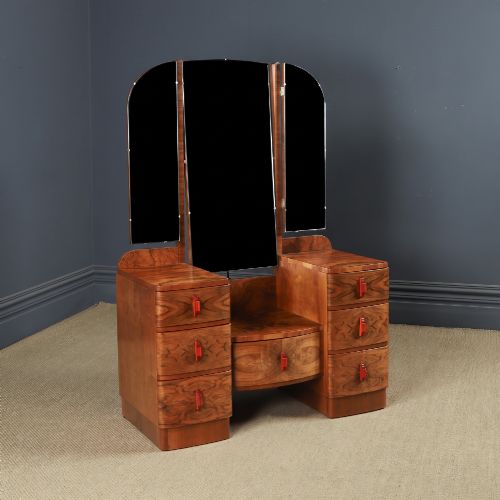
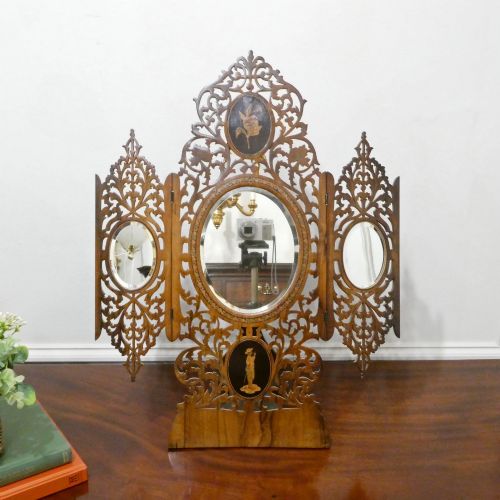
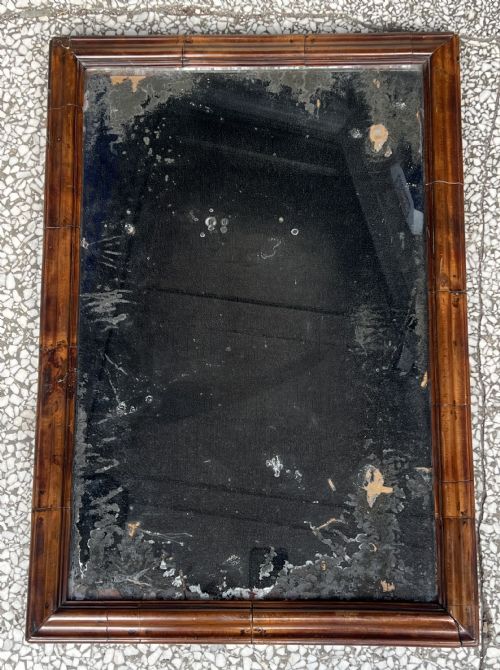
An antique walnut vanity typically manifests as a dressing table, lowboy, or toilet mirror from periods ranging through the eighteenth, nineteenth, and early twentieth centuries. These pieces often feature matching stools, swivel glass mirrors, and compartmentalised drawers designed for personal grooming.
Buyers encountering this search phrase will frequently meet Edwardian and Art Deco interpretations alongside earlier Victorian designs. Figured timbers and cabriole legs dominate the selection, showing the enduring influence of earlier Georgian styles upon later cabinet makers.
Materials and Construction
Cabinet makers utilised solid walnut and burr walnut veneers applied over secondary timbers to achieve striking grain patterns on drawer fronts and top surfaces. Ormolu, brass handles, bevelled glass, and leather or fabric inserts complete the construction of these items.
Joinery methods rely upon traditional techniques such as dovetailing for drawer construction and mortise and tenon frames for supporting tables and stools. Carved details, oyster veneering, and spiral turnings demonstrate the manual labour involved in shaping the dense wood.
Antique Walnut Vanity Retail Price Guide 2026
Typical asking prices for walnut vanity among the pieces listed under this phrase on Sellingantiques today, from the lower quarter to the upper quarter. They describe what is for sale here now, not the wider market.
Travellers packed elaborate Victorian walnut ladies travelling sets with glass jars and silver-lidded bottles for journeys.
Assessing Quality
The standard of an antique walnut vanity rests upon the selection of the timber veneer and the crispness of any carved ornamentation. Richly figured burr walnut and symmetrical grain matching indicate superior work by the cabinet maker.
Structural integrity, original brass fittings, and untouched surfaces also separate better examples from heavily restored or later pieces. The integration of matching stools and original mirror plates adds substantial merit to the ensemble.
Walker and Sons·Wylie and Lochhead Glasgow·Harry and Lou Epstein
The Antique Walnut Vanity Glossary
- Burr walnut
- A wood harvested from the abnormal growth of a walnut tree, yielding highly decorative swirling grain patterns used for veneering.
- Lowboy
- A small oak or walnut table with drawers, resembling a low chest on legs, frequently used as a dressing table or writing desk.
- Cabriole leg
- A furniture leg that curves out and then in, commonly ending in a pad, claw and ball, or hoof foot.
- Toilet mirror
- A small mirror mounted on a pivoting frame above a small box or set of drawers, designed to sit on a dressing table.
- Oyster veneering
- Cutting small branches obliquely to produce circular or oval patterns resembling oyster shells across a wooden surface.
Antique Walnut Vanity: Frequently Asked Questions
How do I date a walnut vanity?
Examine the secondary woods inside the drawers, the type of mirror glass, and the overall style of the legs and hardware. Construction marks and dovetailing styles often point toward specific decades like the Georgian or Victorian eras.
Comparing the primary veneer patterns and decorative motifs, such as art deco geometric lines or queen anne cabriole supports, helps narrow down the manufacturing period accurately.
What is the difference between a lowboy and a dressing table?
A lowboy is a compact table with drawers typically standing lower to the ground, originating in the early eighteenth century. It serves multiple functions including writing and grooming.
A dressing table is generally larger and often incorporates attached or standing mirrors specifically for personal vanity, becoming more common in Victorian and Edwardian bedchambers.
How should I care for antique walnut furniture?
Keep walnut pieces away from direct sunlight and strong heat sources to prevent the burr veneers from drying out or cracking. Dust regularly with a soft, dry cloth and apply occasional high quality wax polish.
Avoid using silicone based sprays or harsh chemical cleaners, as these can strip the aged patina and damage the historic finish of the wood.
Are matching stools original to the vanities?
Many dressing tables and lowboys were originally paired with stools sharing the same wood, upholstery fabric, or carved leg style. However, surviving matched sets become increasingly scarce over time.
Inspect the joinery, wear patterns, and timber ageing on both pieces to determine whether the stool and vanity have spent their lifetimes together.