

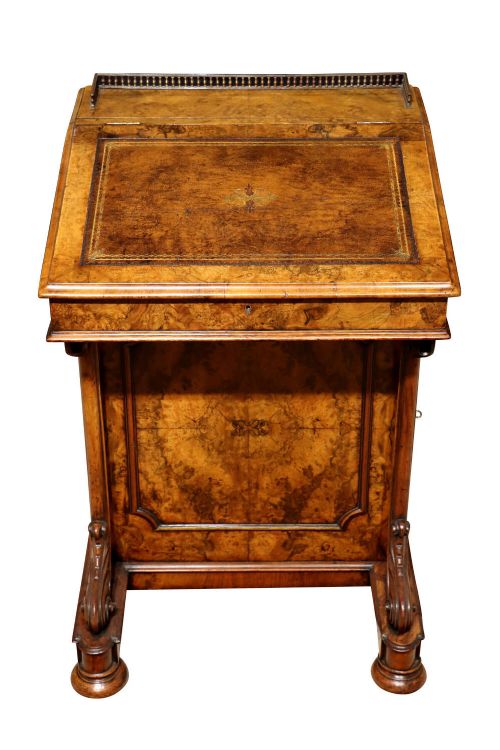


Compact Wooden Desk
A compact wooden desk offers practical writing space for a smaller room, combining timber craftsmanship with efficient storage.
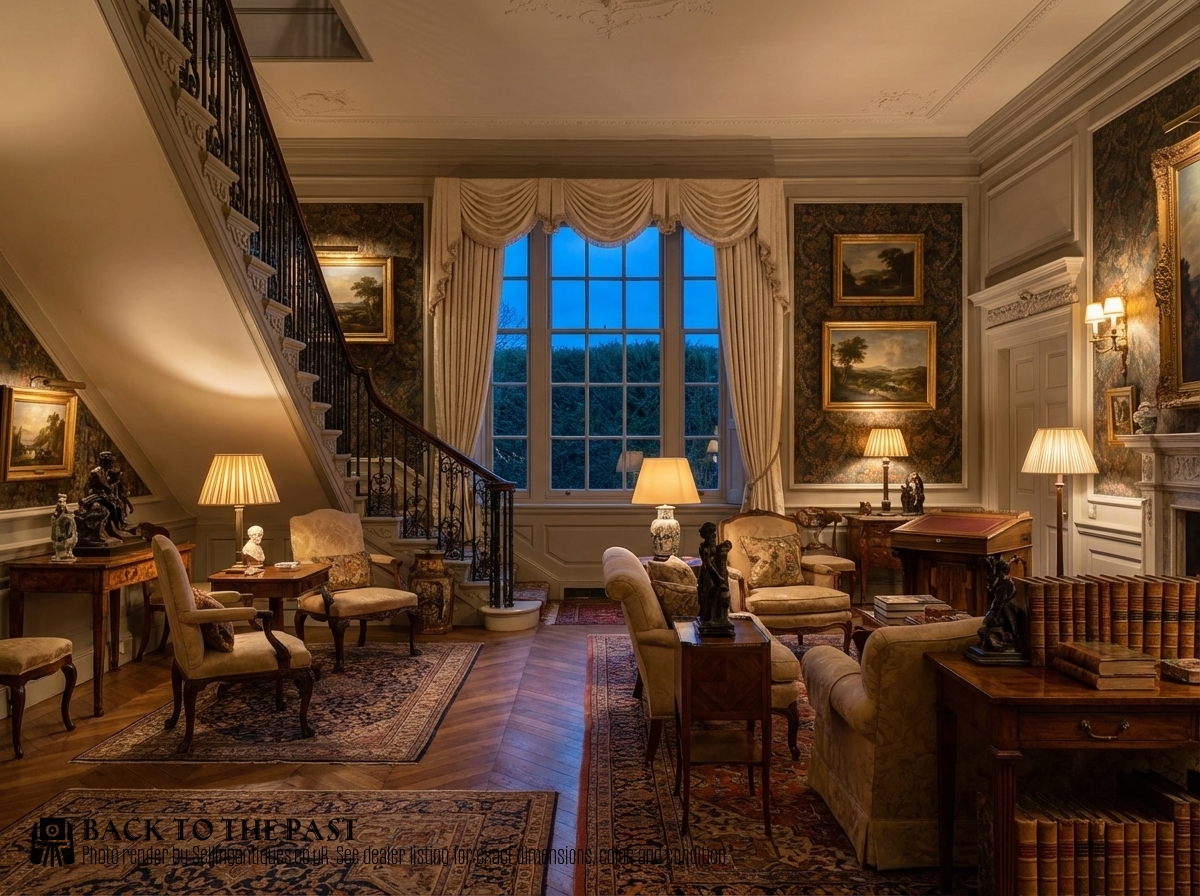
Compact Wooden Desk
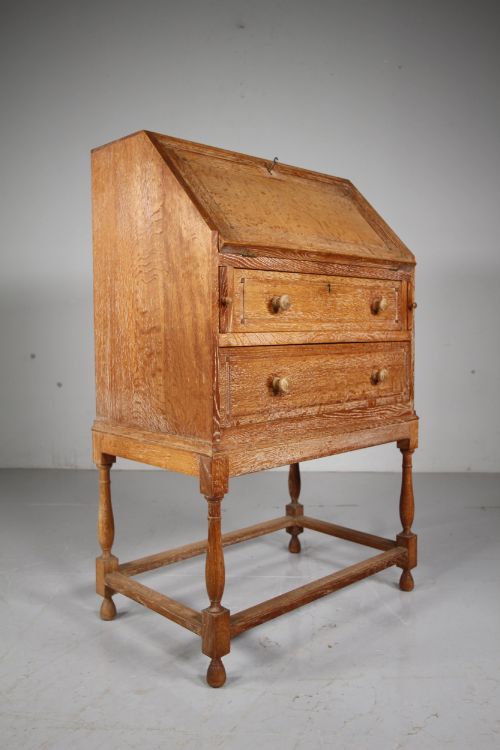
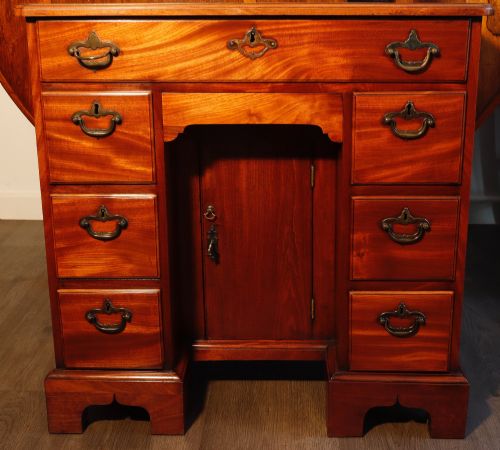
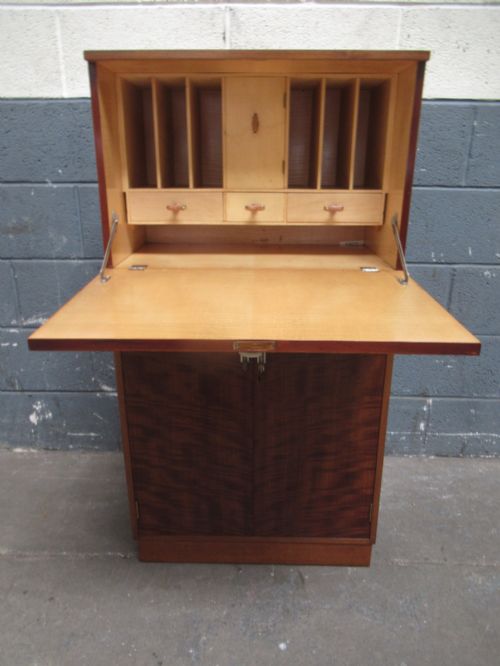
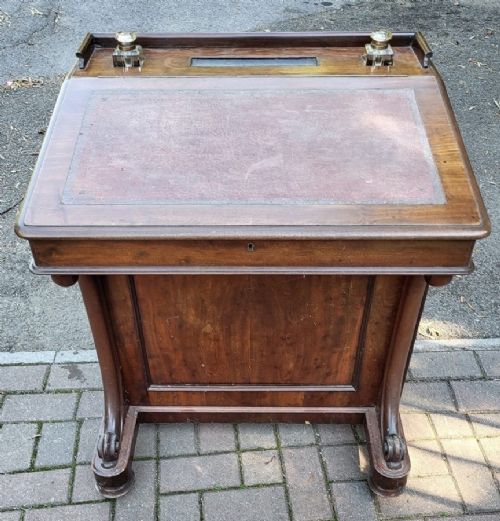
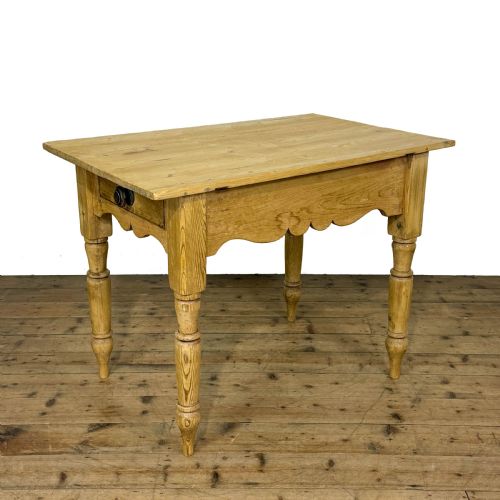
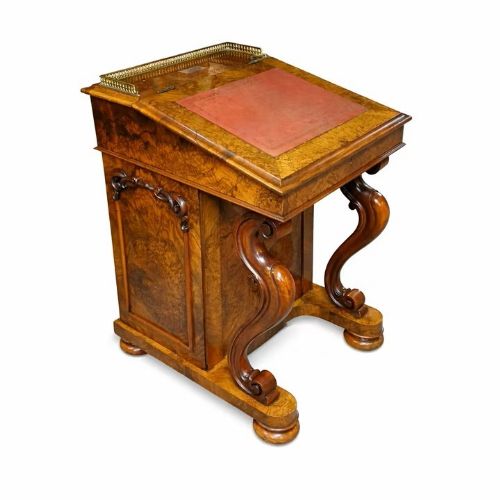
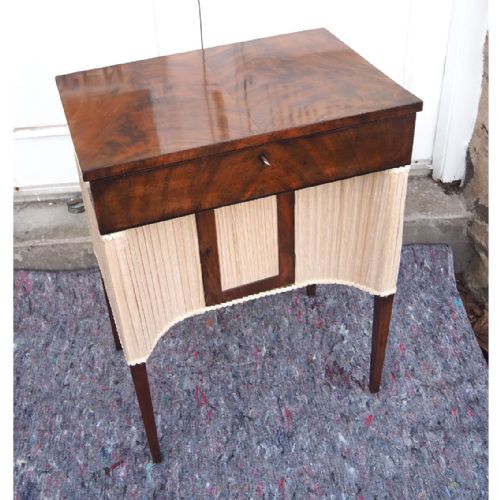
A compact wooden desk covers small writing tables, bureaux, and Davenport desks spanning the Georgian, Victorian, and Edwardian periods. Buyers searching for a compact wooden desk encounter pieces designed for modest rooms, often featuring hinged writing flaps, small drawers, or fitted pigeonholes.
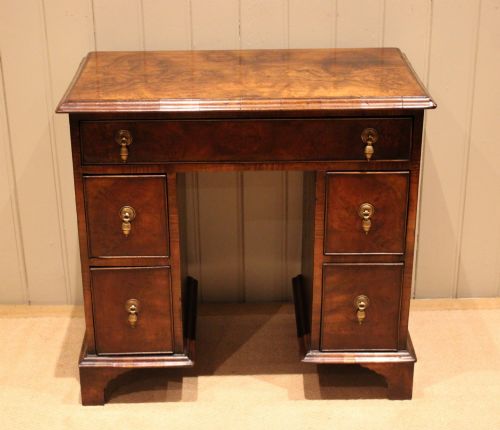
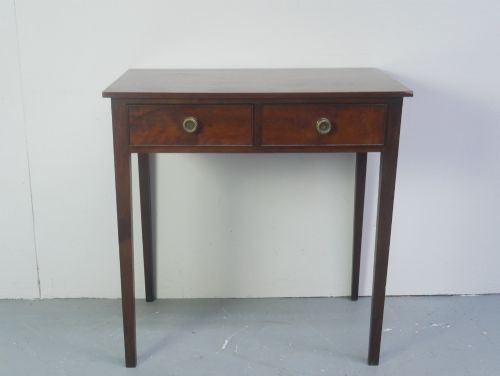
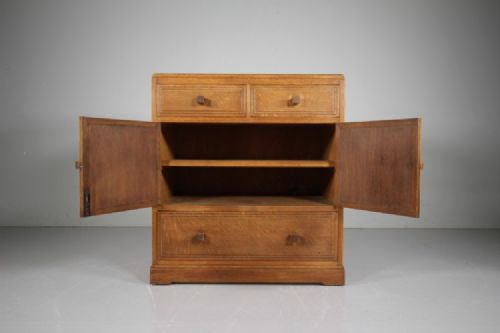
The selection on this page includes nineteenth-century mahogany and burr walnut Davenports, early twentieth-century oak bureaux, and small Georgian library tables. These forms prioritise a smaller footprint without sacrificing the workspace required for daily correspondence.
Makers and workshops of the nineteenth and early twentieth centuries produced these smaller desks in various regional timbers, ranging from dark mahogany and rosewood to lighter oak and satinwood.
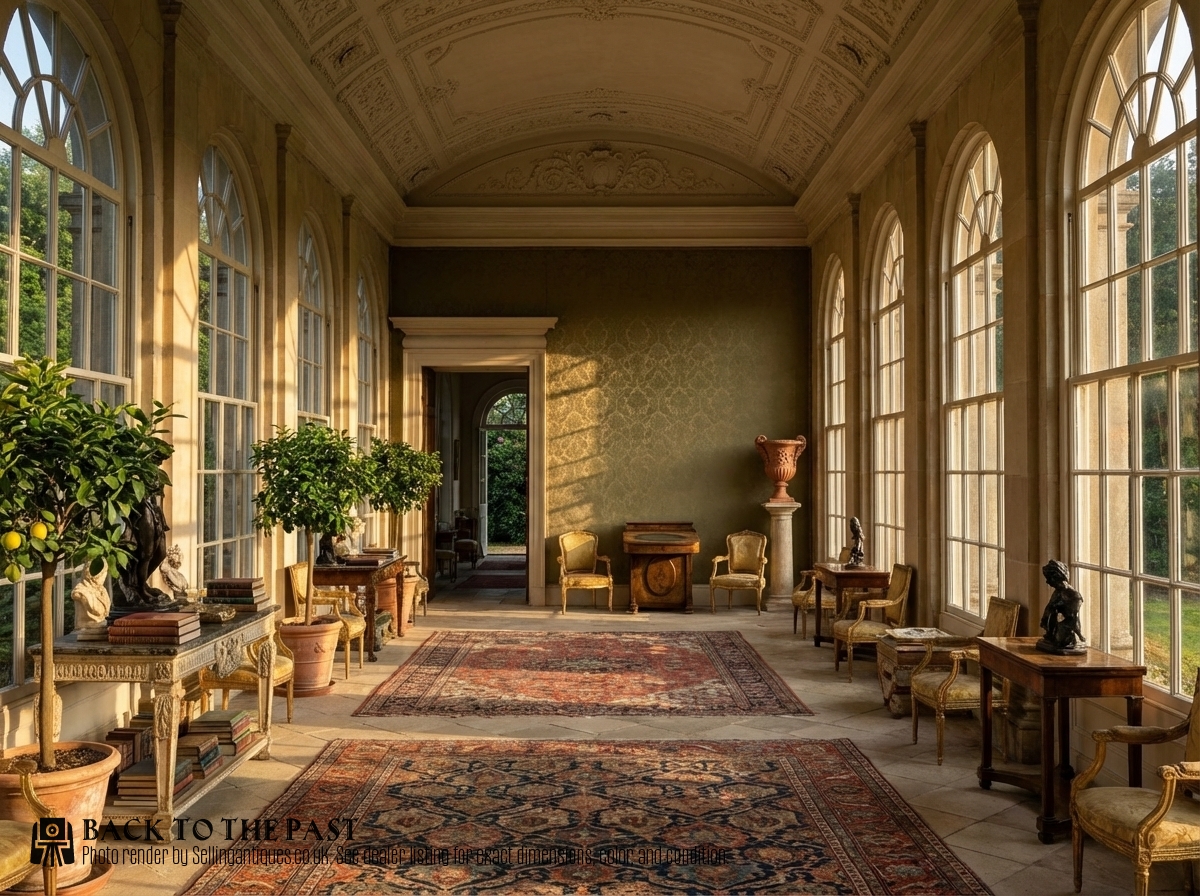
Materials and construction
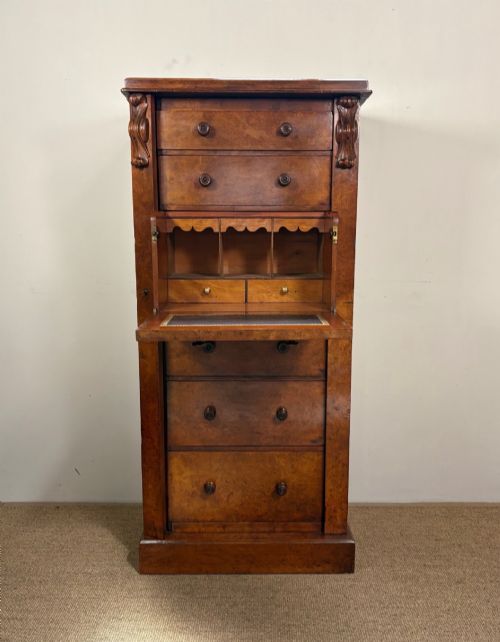
Cabinet makers constructed these desks using solid timbers like oak and mahogany, frequently applying burr walnut, flame mahogany, or amboyna veneers to exterior surfaces for visual depth. Secondary woods such as elm and pine appear within drawer linings and internal divisions.
Metal hardware such as brass drop handles and hinges secured drawers and writing compartments, while leather inserts provided a durable writing surface on top of pull-out slides or folding slopes.
Compact Wooden Desk Retail Price Guide 2026
Typical asking prices for compact wooden desk among the pieces listed under this phrase on Sellingantiques today, from the lower quarter to the upper quarter. They describe what is for sale here now, not the wider market.
Assessing quality in smaller desks
Quality rests upon the choice of timber and the precision of the cabinet work, particularly in figured veneers like burr walnut or flame mahogany matched across drawer fronts. Superior examples exhibit tightly fitted interior pigeonholes, smooth drawer actions, and original brass fittings.
Finer desks maintain structural integrity in smaller joints, whereas simpler utilitarian pieces rely on straightforward plank construction without decorative inlay or secondary wood framing.
Heals of London·Bryn Mawr Welsh Oak
The Compact Wooden Desk Glossary
- Davenport
- A small pedestal desk featuring a sloping writing top and drawers accessed from the side. These compact forms became popular during the Victorian period.
- Bureau
- A desk with a hinged sloping flap that opens to reveal a fitted interior of drawers and pigeonholes. They sit upon bracket feet or chest bases.
- Bonheur de jour
- A light lady's writing desk originating in France, typically fitted with a small cabinet or shelving superstructure above the main surface.
- Satinwood
- A lustrous, yellowish timber utilised for fine cabinet work and contrasting stringing or interior drawer fronts.
- Gateleg table
- A table with hinged leaves supported by swing-out legs, allowing the surface area to expand or reduce.
Compact Wooden Desk: Frequently Asked Questions
What is a Davenport desk?
A Davenport is a small pedestal desk featuring a sloping writing surface and drawers opening to the side.
Cabinet makers designed them for domestic use in smaller studies or drawing rooms where floor space was limited.
How do I identify a bureau?
A bureau has a sloping wooden flap that folds down to create a writing desk.
Inside, you typically find small drawers and pigeonholes for organising correspondence and stationery.
What timbers were used?
Workshop pieces commonly feature mahogany, oak, walnut, and rosewood.
Finer desks often incorporate decorative veneers like burr walnut or flame mahogany alongside secondary woods such as pine and elm.
Are these desks suitable for laptops?
Many compact desks provide adequate surface area for modern writing tasks and laptops.
Sloping bureau flaps and Davenport tops require checking the interior dimensions to ensure proper clearance.