


Victorian Stationery Desk
These Victorian stationery desk pieces are purposeful writing furniture and desktop containers designed to keep papers orderly.
What these pieces are
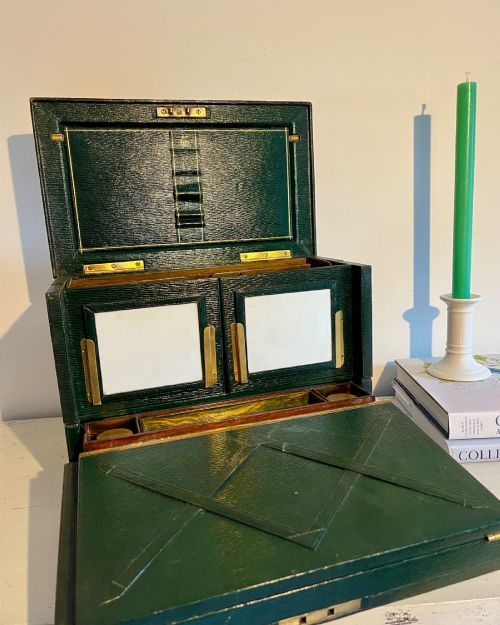
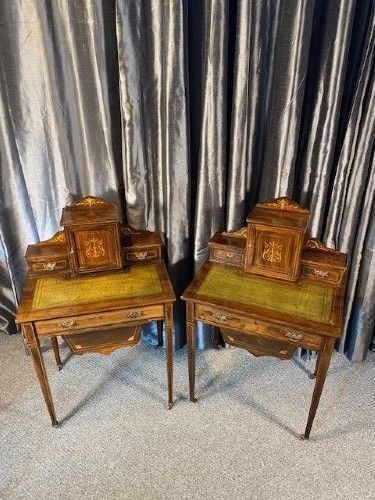
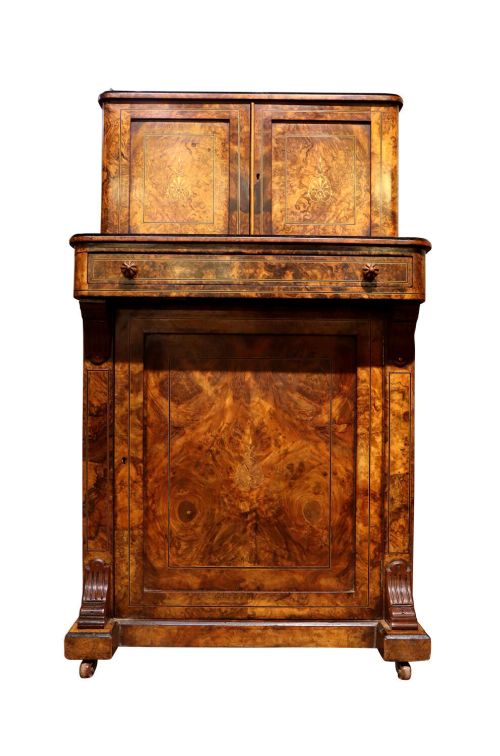
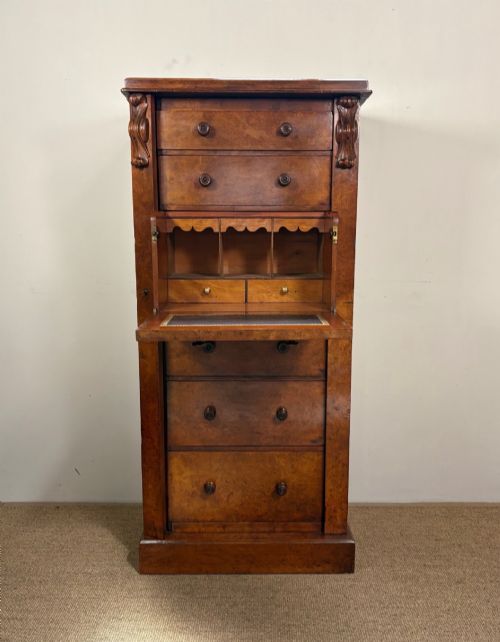
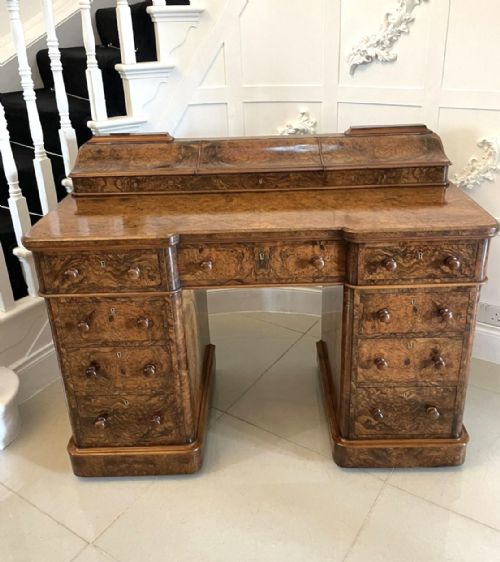
When you search for a Victorian stationery desk, you find a mix of compact Davenport writing desks and tabletop stationery cabinets or boxes. The Davenport forms dominate the current selection, featuring sloped writing surfaces above sets of drawers.
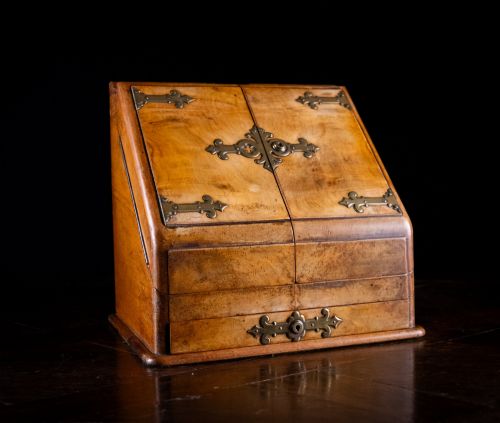
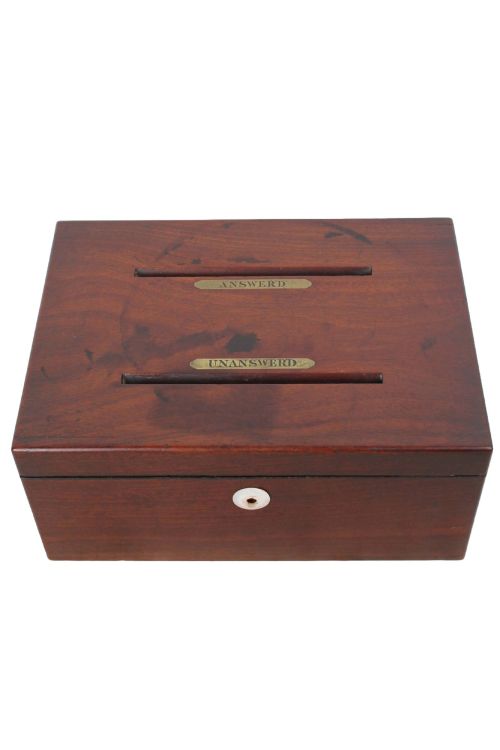
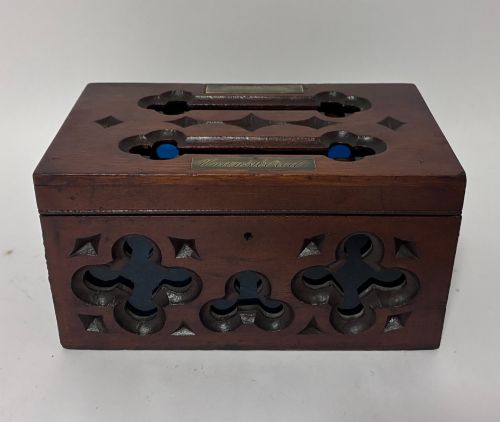
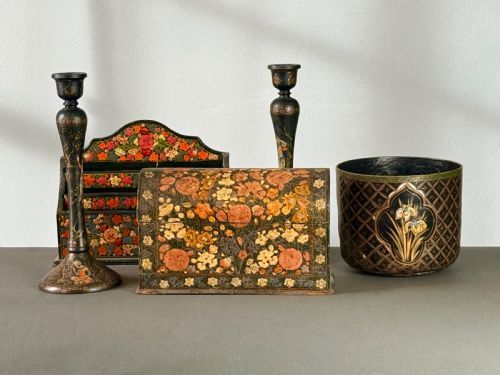
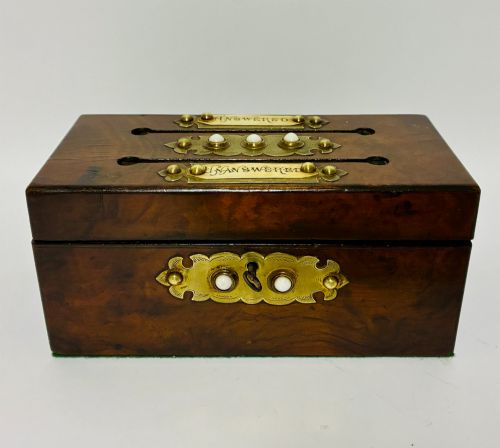
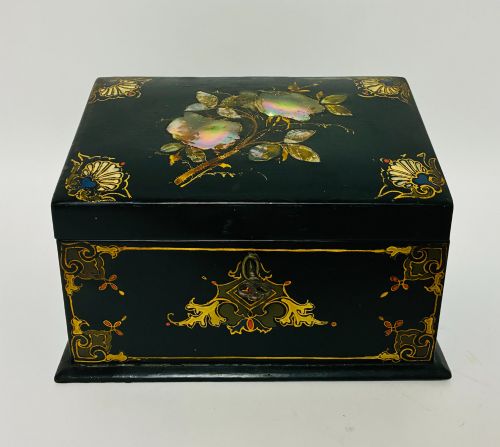
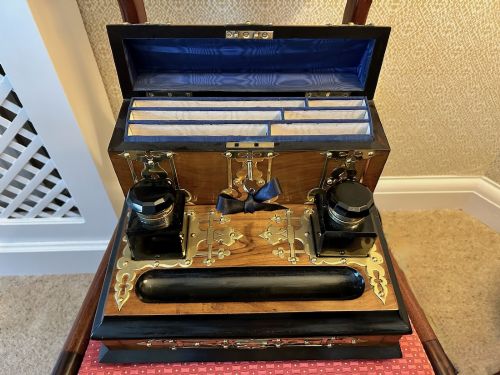
Desktop boxes and cabinets appear frequently in the historical record alongside these writing tables. These smaller containers provide fitted compartments for letters and papers without taking up floor space.
The origins span the nineteenth century, with specific dates pointing towards the middle and later decades. Walnut and burr walnut are the most common woods encountered across both desks and desktop boxes.
How they were made
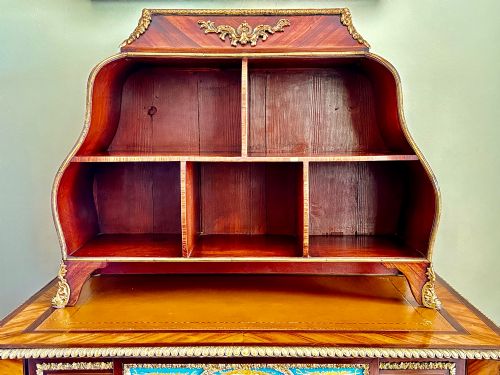
Cabinetmakers utilised rich timbers such as mahogany, oak, and burr walnut for the primary structures. Marquetry inlay and boxwood details decorate the surfaces of walnut pieces.
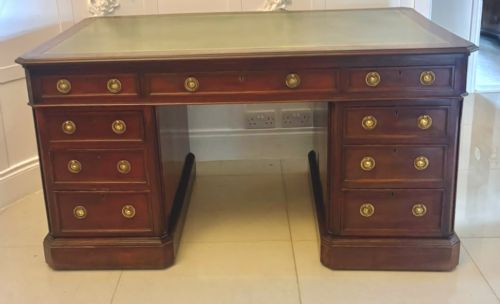
Brass fittings appear as structural mounts and protective edging on desktop boxes and slope lids. Leather panels inset into writing surfaces provide a smooth base for ink and paper.
Retail Price Guide 2026
Typical UK retail prices for victorian stationery desk, calculated from the Sellingantiques database of over a million retail prices indexed since 2003. This retail price guide relies exclusively on Sellingantiques data; no external sources or auction records are used, so the figures do not describe the wider market.
The archive and current listings show walnut as the dominant wood, alongside mahogany and oak.
What varies in quality
The selection of veneer grain pattern dictates the visual appeal of walnut and burr walnut examples. Matched veneers across drawer fronts and lid surfaces demonstrate greater care in construction.
The complexity of interior fittings separates standard boxes from finer examples. Fitted stationery slots, secret drawers, and substantial brass mounts indicate higher workshop standards.
The Victorian Stationery Desk Glossary
- Davenport
- A small compact writing desk featuring a sloping top and drawers to the side. This form became popular during the nineteenth century for ladies' writing rooms.
- Burr walnut
- A figured wood grain taken from the wart or burl growths of the walnut tree. Cabinetmakers prized this timber for its swirling decorative patterns.
- Marquetry
- Decorative woodwork where pieces of contrasting veneer form pictures or geometric patterns. Craftsmen inlaid these designs directly into the primary surface.
- Writing slope
- A portable box that opens to form an angled writing surface. These pieces contain interior compartments for pens, ink, and stationery.
- Stationery cabinet
- A desktop box with doors or a falling front designed to hold letters and envelopes. These containers organise correspondence on a larger desk.
Frequently Asked Questions
What is a Victorian Davenport desk?
A Davenport is a compact writing desk with a sloped writing surface and drawers opening to the side. It provides a dedicated writing space with a small footprint.
Most examples from this era utilise walnut or burr walnut timbers. They often include internal stationery compartments beneath the sloped lid.
How were stationery cabinets used?
Stationery cabinets sat on top of larger tables to hold letters, envelopes, and writing paper. They kept writing materials organised and protected from dust.
Many feature internal dividers and small drawers for stamps and nibs. Some larger versions incorporate folding writing slopes.
What woods are common on these desks?
Walnut and burr walnut appear most frequently across these nineteenth-century pieces. Mahogany and oak also feature in the construction of desks and desktop boxes.
Cabinetmakers often enhanced walnut surfaces with boxwood inlay and marquetry decoration. Brass mounts and banding provide contrast to the dark timber.
How do I date a Victorian desk?
Dating relies on stylistic shifts, timber choices, and construction methods recorded across the period. Mid-nineteenth century pieces often feature mahogany, while burr walnut gains popularity towards the later decades.
Inlay styles and hardware designs also shift from the eighteen-forties through to the end of the century. Specific dates in maker marks or inscriptions help narrow the window.