

Traditional Oak Desk
A traditional oak desk brings solid timber construction and practical writing surfaces into a room, offering sturdy work furniture rooted in past centuries.
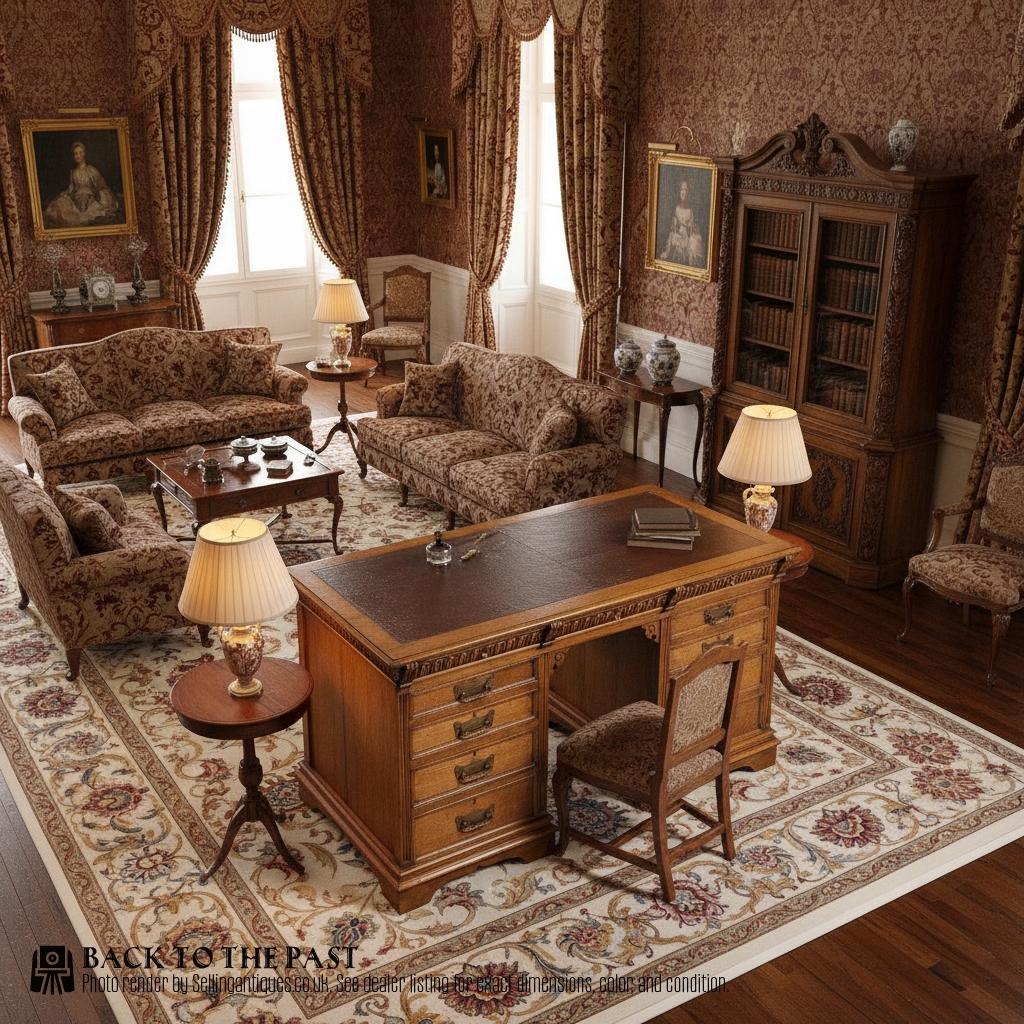
Traditional Oak Desk
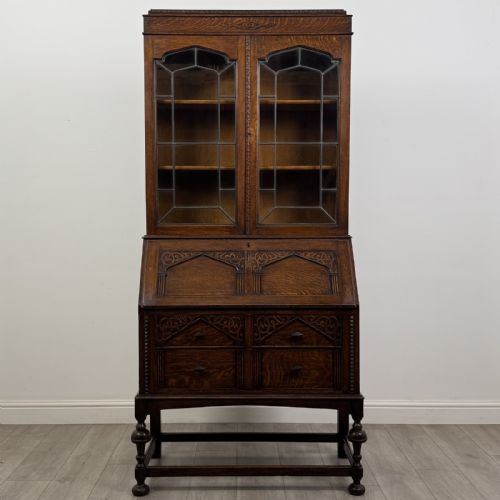
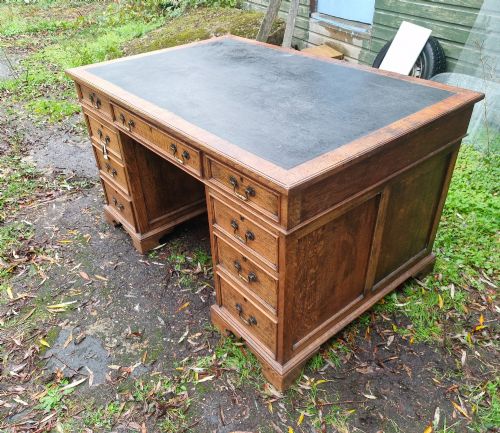
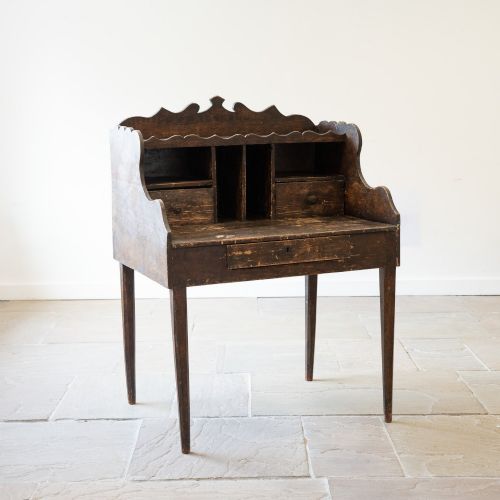
A traditional oak desk encompasses various writing furniture forms, ranging from pedestals and writing tables to bureau bookcases and fall-front bureaux. Buyers seeking this phrase encounter pieces spanning from the eighteenth century through the Victorian era and into the early twentieth century.
The selection includes compact writing tables, revolving office chairs, and multi-drawer pedestal desks alongside bureau variants featuring linenfold carving or Jacobean styling. Edwardian and Victorian examples appear frequently across the current selection.
Origins stretch from English country workshops to defined periods like the Georgian and Edwardian eras, utilising solid timber alongside secondary materials like brass hardware and leather inserts.
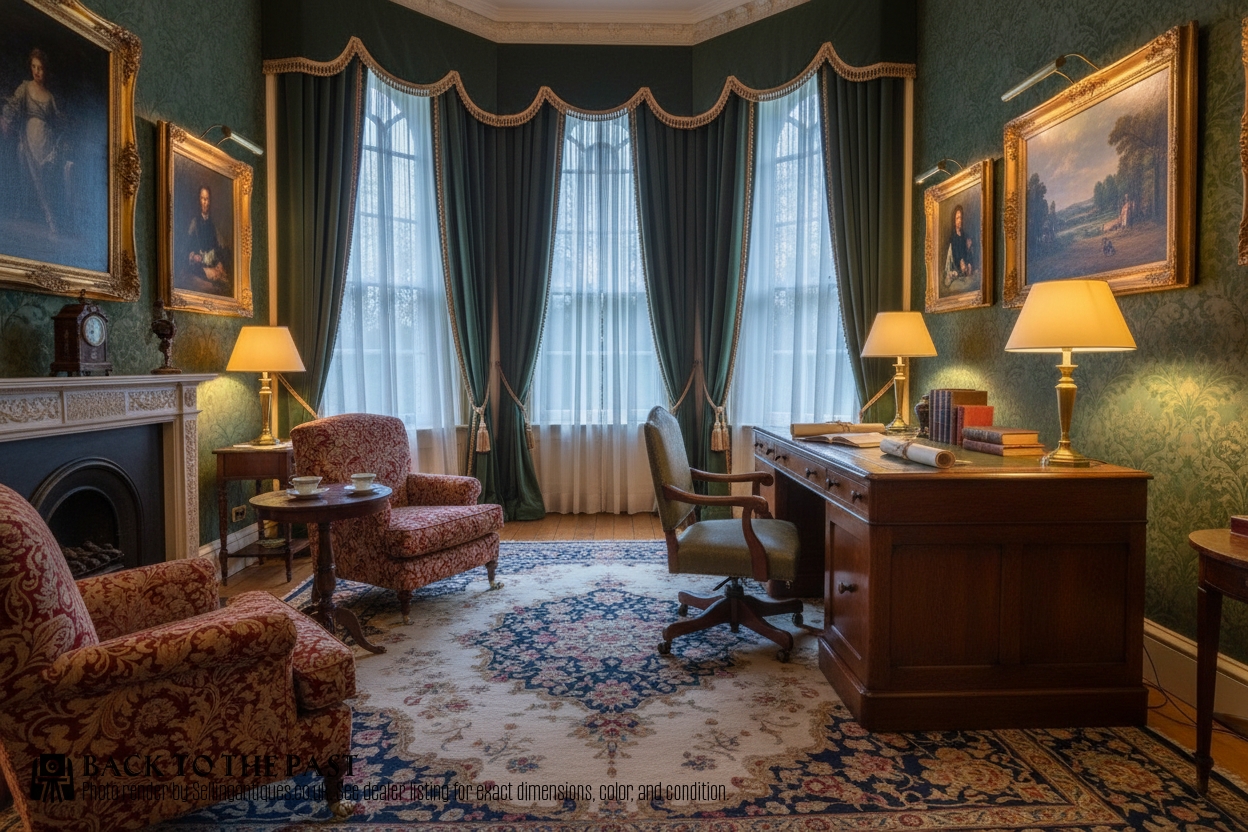
Materials and technique
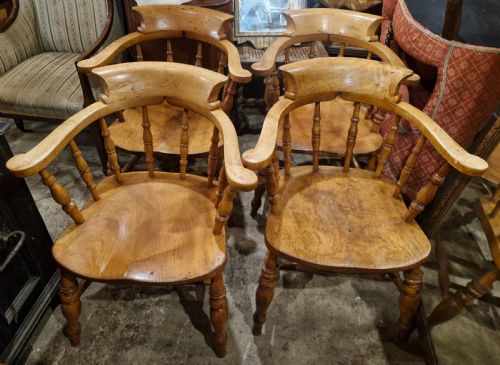
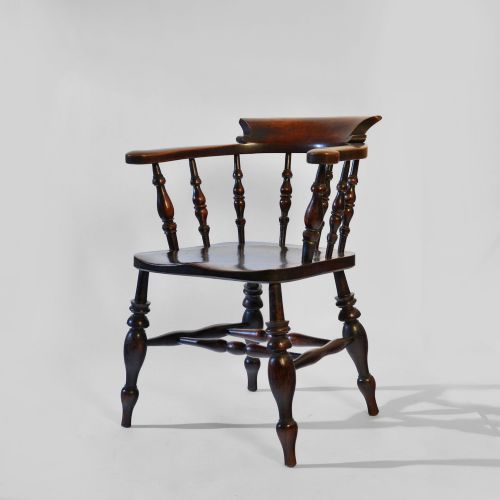
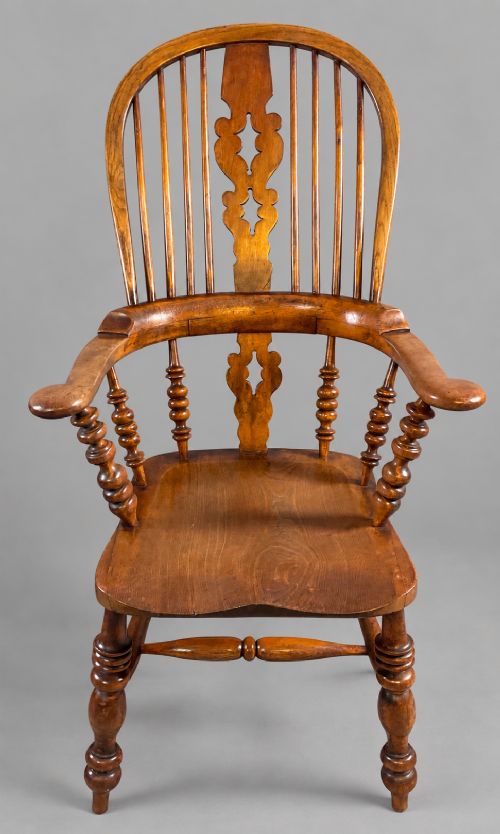
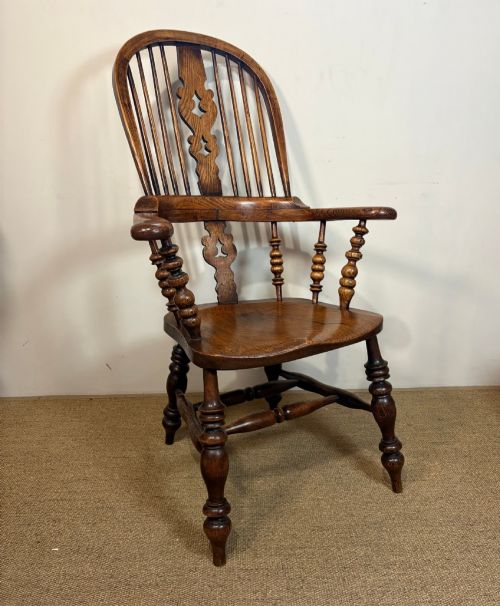
Construction relies heavily on solid oak timber, frequently paired with secondary woods such as elm, ash, and beech in supporting frames or associated seating. Joinery methods reflect the period of manufacture, from eighteenth-century cabinet work to Edwardian production.
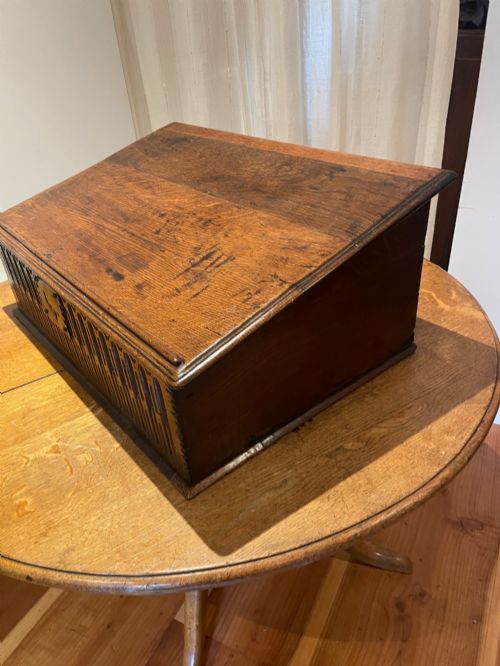
Surface appointments incorporate inset leather writing surfaces, brass handles, and occasionally burr walnut veneers or glass elements. Carved details such as linenfold panels and turned bobbin legs demonstrate period decorative techniques.
Traditional Oak Desk Retail Price Guide 2026
Typical asking prices for traditional oak desk among the pieces listed under this phrase on Sellingantiques today, from the lower quarter to the upper quarter. They describe what is for sale here now, not the wider market.
Listings span multiple eras, including eighteenth-century pieces, Victorian pedestal desks, and Edwardian bureau bookcases.
Judging execution
Quality separates through the selection of timber and the precision of the cabinetwork, distinguishing standard utility items from finer library and pedestal pieces. Superior examples utilise well-figured oak and incorporate secondary timbers with care.
Hardware integration, such as original brass fittings and neatly fitted drawers, indicates higher standards of construction. The crispness of carved elements like linenfold panels further marks the division between ordinary production and superior craftsmanship.
Heals of London
The Traditional Oak Desk Glossary
- Bureau
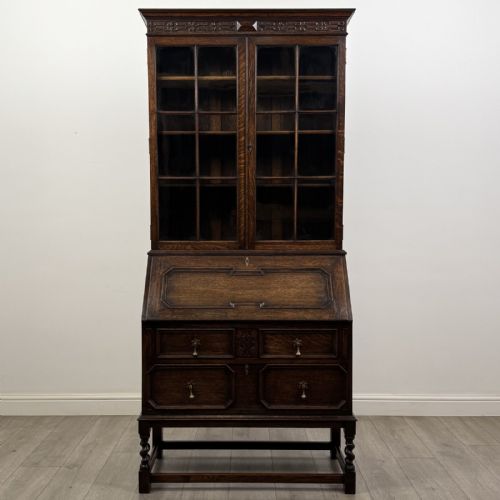
- A sloping front desk enclosing fitted compartments and pigeonholes over drawers. This form allows the writing surface to close when not in use.
- Pedestal desk
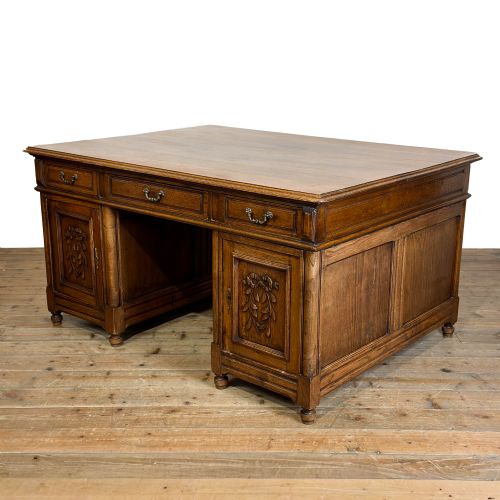
- A heavy freestanding desk comprising two supporting banks of drawers beneath a wide writing top. These pieces often feature inset leather panels.
- Linenfold
- A style of wood carving that imitates folded linen cloth. It appears frequently on panels of Edwardian and earlier case furniture.
- Bobbin leg
- A turned furniture leg shaped to resemble a string of bobbins or spools. This decorative turning technique appears on nineteenth-century tables.
Traditional Oak Desk: Frequently Asked Questions
What is a bureau bookcase?
A bureau bookcase combines a sloping desk compartment with upper shelving enclosed by doors. It provides both workspace and storage.
These combination pieces served study and library functions in homes from the eighteenth century onward.
How do I identify an Edwardian desk?
Edwardian desks often display lighter proportions and incorporate revival styles such as Jacobean or Arts and Crafts influences. They frequently feature oak construction with carved linenfold panels.
Cabinetmakers of this period balanced traditional joinery with domestic utility needs.
Are leather inserts original?
Many pedestal desks and writing tables retain leather skivers set into the top surface for writing. These inserts vary in colour, with green being a common historical choice.
Replacement leather happens during restoration, while original surfaces show appropriate age and wear.
Where were pedestal desks used?
Pedestal desks served as principal pieces in libraries, studies, and offices during the nineteenth century. Their double banks of drawers offered substantial storage for paperwork.
Free-standing versions allowed placement away from walls within larger rooms.