
Wooden Pedestal Desk
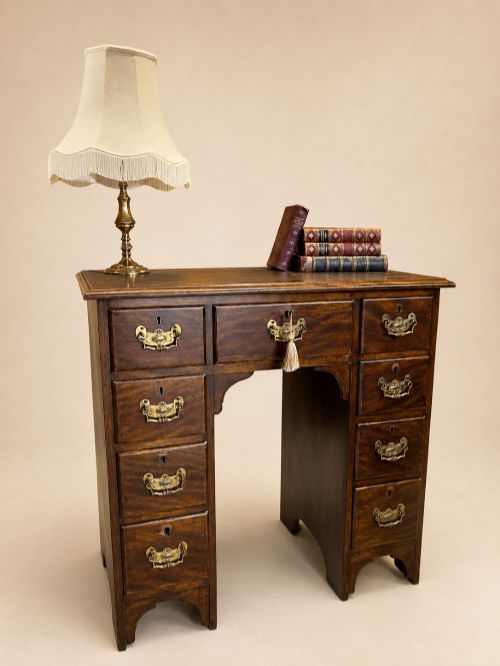
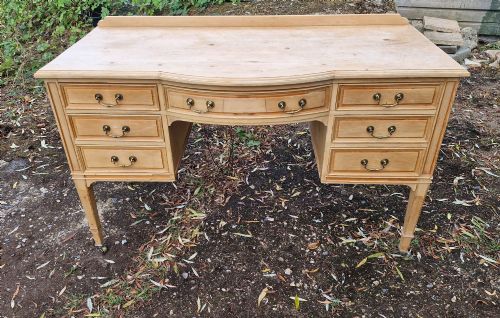
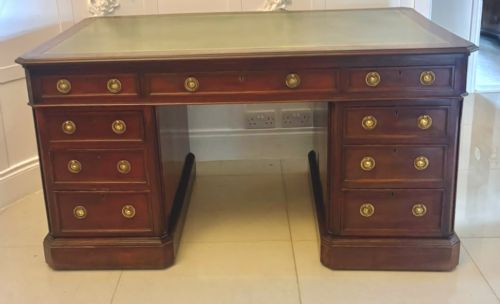
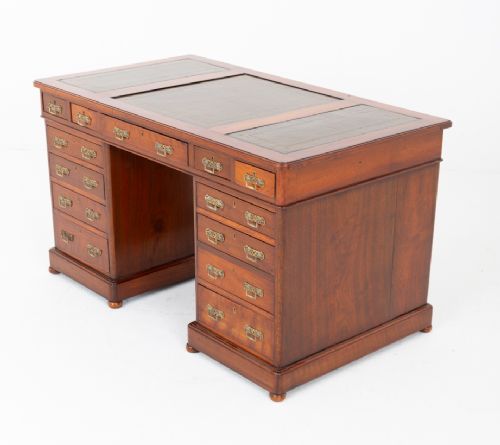
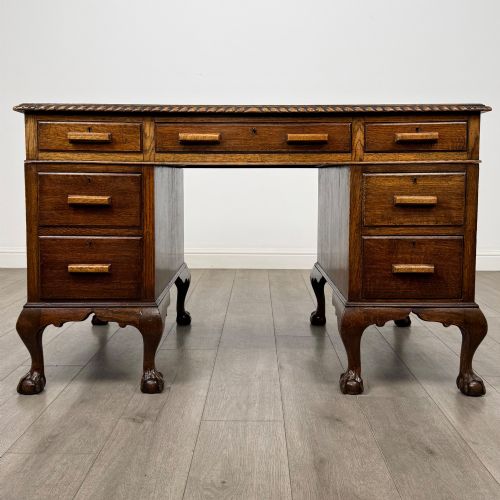
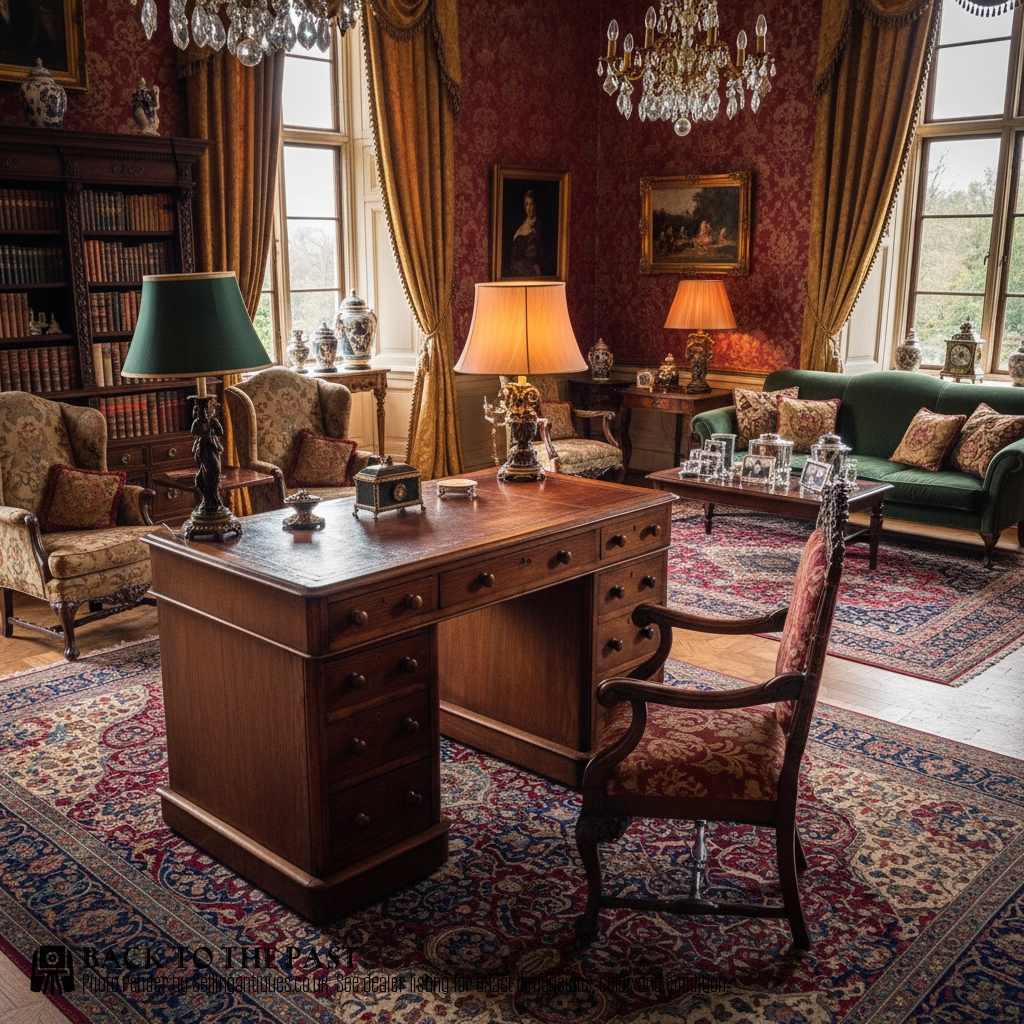
A wooden pedestal desk anchors a room with twin banks of drawers and a central writing space, built to handle a working day.
Wooden Pedestal Desk
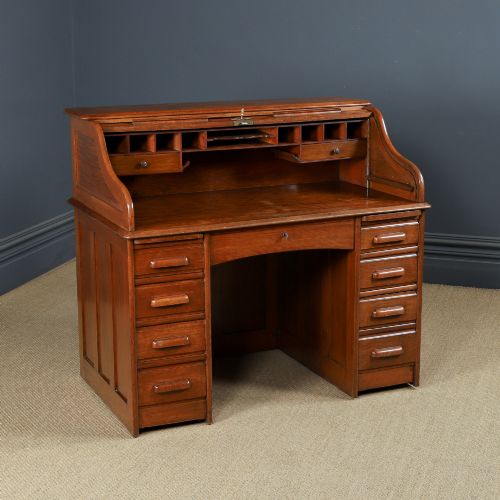
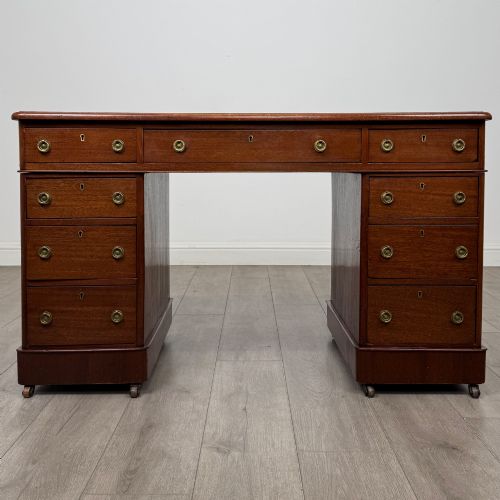
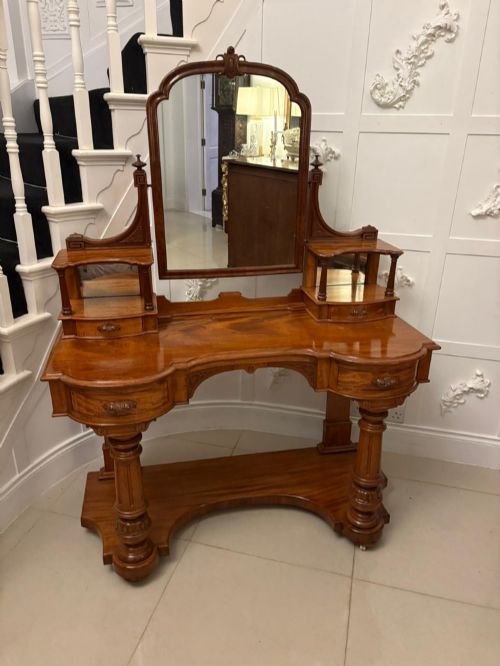
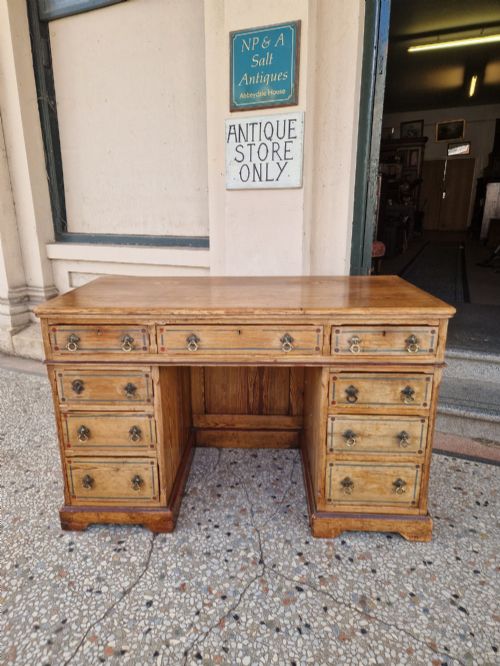
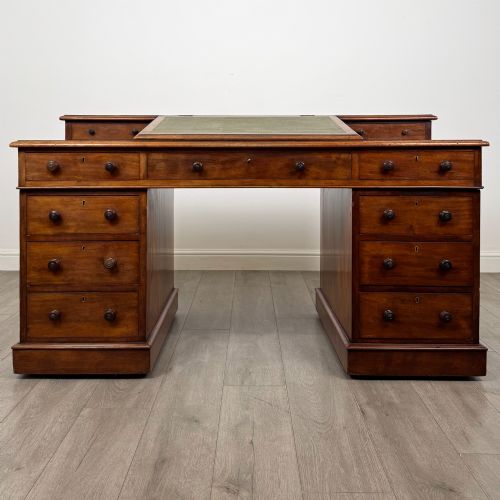
A wooden pedestal desk provides a sturdy double-sided or single-sided structure featuring two supportive pedestals beneath a spacious top. These pieces appear frequently in Victorian and Edwardian iterations, often fitted with writing slides and stationery drawers.
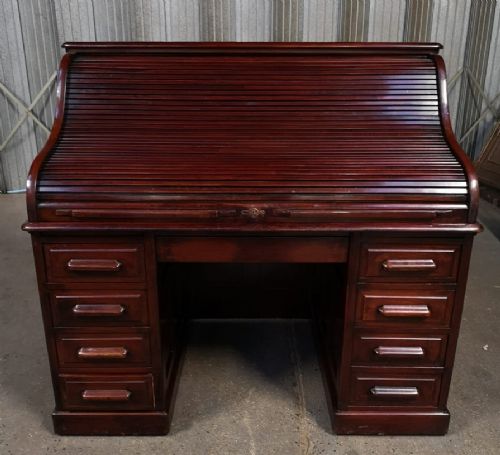
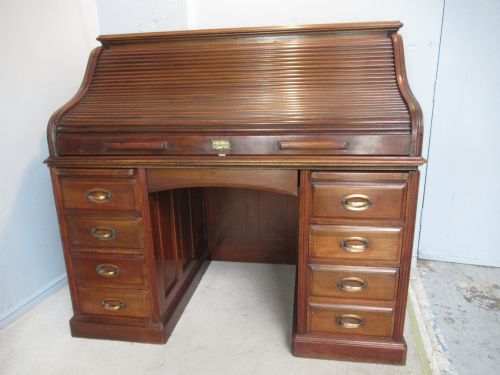
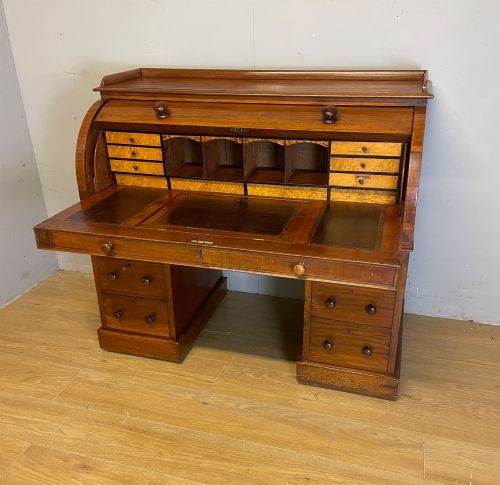
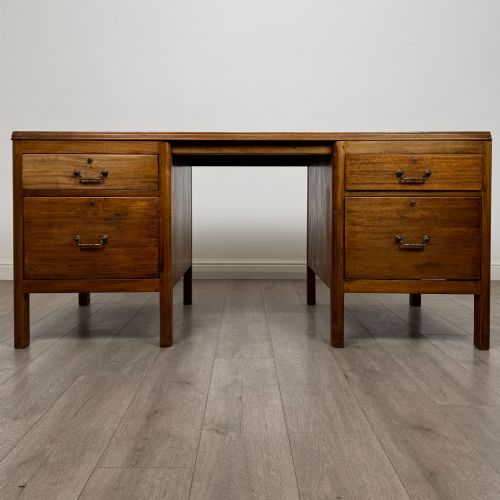
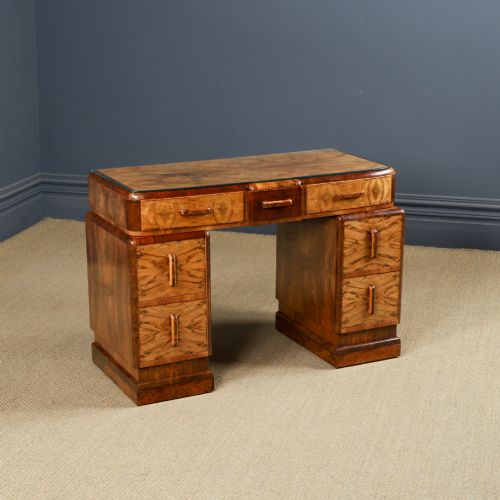
The layout generally relies on twin pedestals flanking a kneehole space, though variations stretch to cylinder desks, roll top desks, and kneehole writing tables. Makers from the nineteenth and early twentieth centuries constructed these to serve demanding offices and home libraries alike.
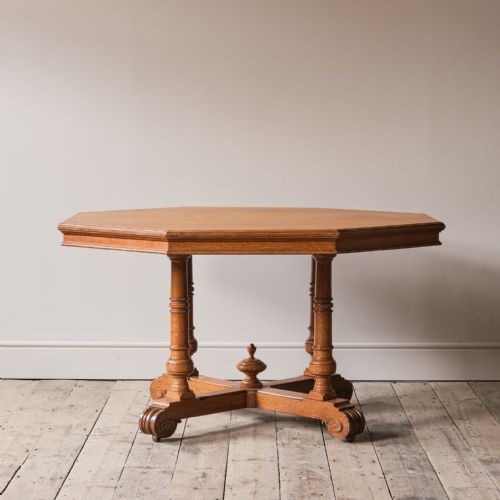
Victorian and Edwardian examples dominate the selection, bringing substantial timber proportions and functional interior compartments into modern studies. The form ranges from austere oak utilitarian pieces to highly figured burr walnut and mahogany library furniture.
Materials and construction
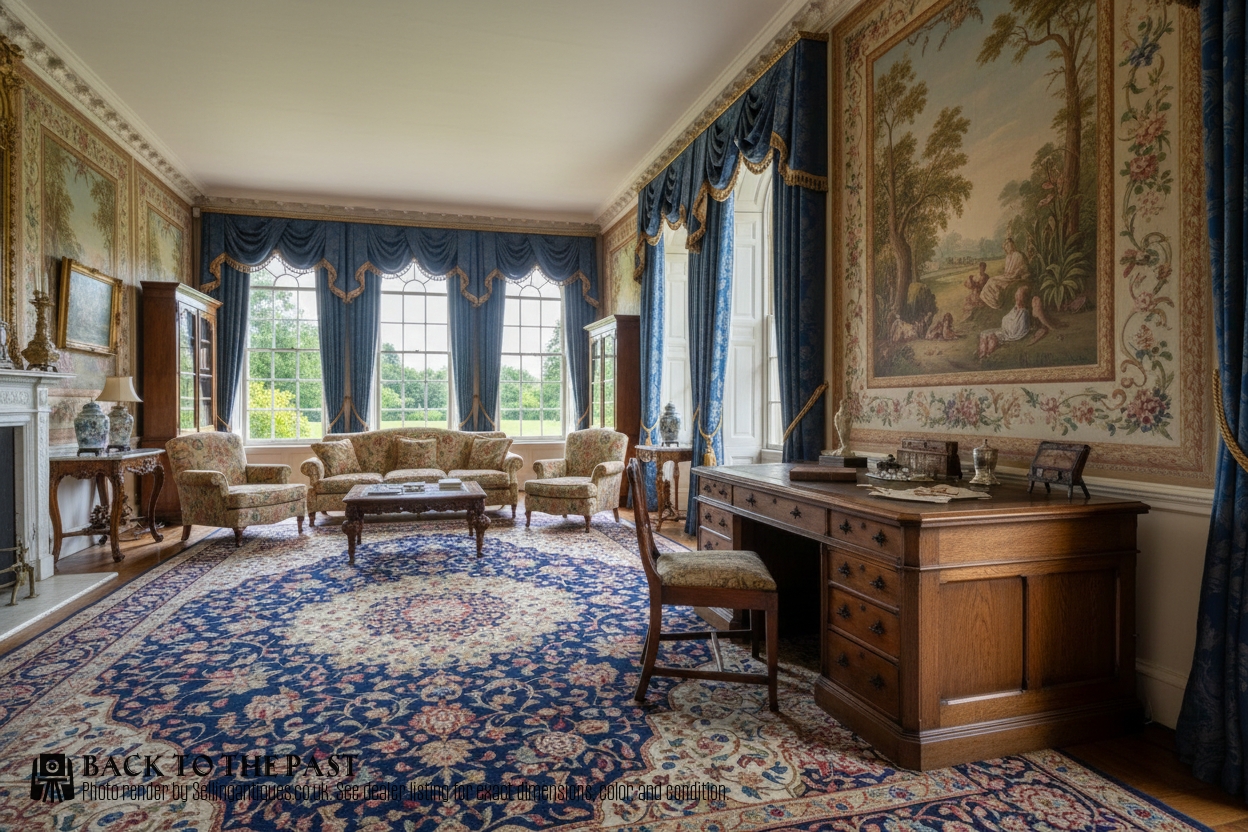
Makers utilised solid and veneered timbers including mahogany, oak, walnut, and burr walnut, laid over sturdy framing to ensure stability. Leather inserts frequently surface on the writing surfaces, providing a traditional smooth texture for daily correspondence.
Brass hardware such as handles, castors, and key escutcheons punctuate the dark and light woods, while glass and pitch pine appear in specific regional or later styles. Joinery methods relied on dovetailed drawer construction and framed panels designed to withstand heavy use.
Wooden Pedestal Desk Retail Price Guide 2026
Typical asking prices for wooden pedestal desk among the pieces listed under this phrase on Sellingantiques today, from the lower quarter to the upper quarter. They describe what is for sale here now, not the wider market.
Listings feature woods such as mahogany, oak, walnut, burr walnut, maple, pine, teak, and rosewood across multiple centuries.
Markers of distinction
The choice of timber grain dictates much of the visual weight, with highly figured burr walnut and richly toned mahogany standing apart from plain utilitarian softwood frames. Finer specimens display meticulous hand-carving, well-fitted internal stationery compartments, and original brass fittings.
Proportion and secondary timbers reveal the maker's hand, where thoughtful secondary wood selection inside the drawer linings indicates a higher grade of workshop production. Structural integrity in the pedestals and smooth sliding mechanisms in the drawers separate standard office furniture from exceptional library centerpieces.
Hobbs & Co.·Maple & Co·Heal's
The Wooden Pedestal Desk Glossary
- Pedestal desk
- A heavy writing table supported by two upright banks of drawers rather than four simple legs.
- Kneehole desk
- A compact form of pedestal desk featuring a central recessed space for the legs beneath a single bank or tier of drawers.
- Roll top desk
- A cylinder-fronted desk equipped with a slatted tambour shutter that rolls down to conceal the writing surface and pigeonholes.
- Writing slide
- A pull-out board located above the pedestals to extend the usable surface area for paper or ink.
- Cylinder desk
- A desk featuring a curved, quarter-circle solid or veneered wooden lid that rotates backward to open the interior.
Wooden Pedestal Desk: Frequently Asked Questions
How do I care for the leather top?
Clean the leather gently with a damp cloth and nourish it periodically with a suitable wax or leather cream to prevent cracking.
Avoid placing hot cups or direct moisture on the surface to preserve the traditional gilded tooling and tone.
What is a Dickens desk?
A Dickens desk is a high-backed pedestal desk featuring a raised bank of small drawers and pigeonholes above the main writing surface.
This specific layout provided private compartmentalised storage for ledgers and correspondence in nineteenth-century offices.
How do I distinguish Edwardian from Victorian models?
Victorian versions tend to feature deeper, heavier timbers with rich dark mahogany patination and robust carved mouldings.
Edwardian alternatives often present lighter oak or walnut tones with cleaner, more restrained lines reflecting changing interior tastes.