


Gothic Revival Desk
These robust oak and pine pieces bring architectural gravity to a study, offering serious working spaces rooted in nineteenth-century craftsmanship.
Gothic Revival Desk
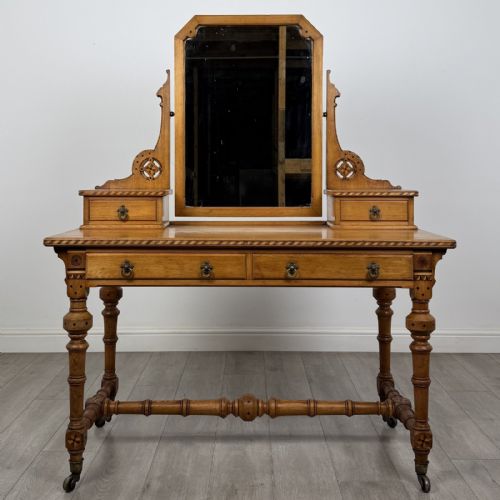
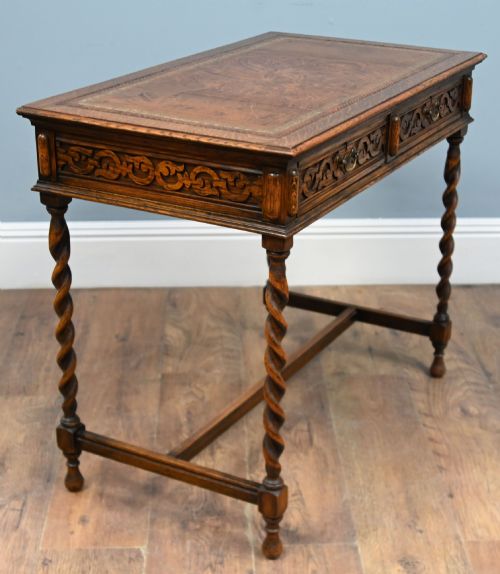
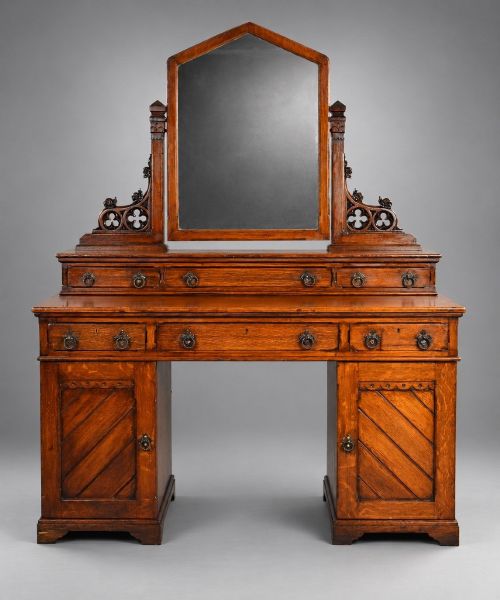
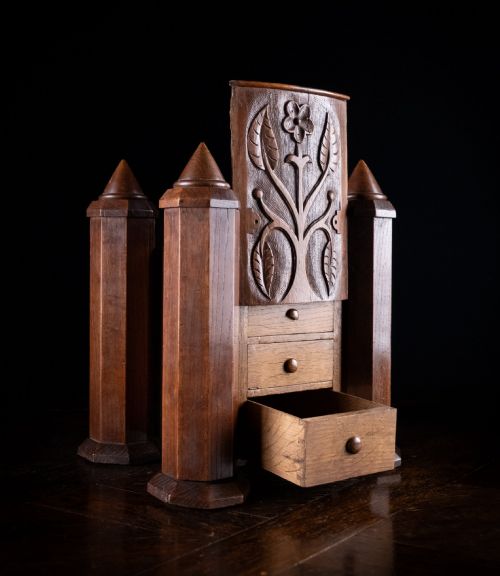
A gothic revival desk typically manifests as a heavy oak pedestal or kneehole writing table, built during the Victorian era with architectural proportions and ecclesiastical details. Buyers search for these pieces to anchor a room with substantial timber construction and historic character.
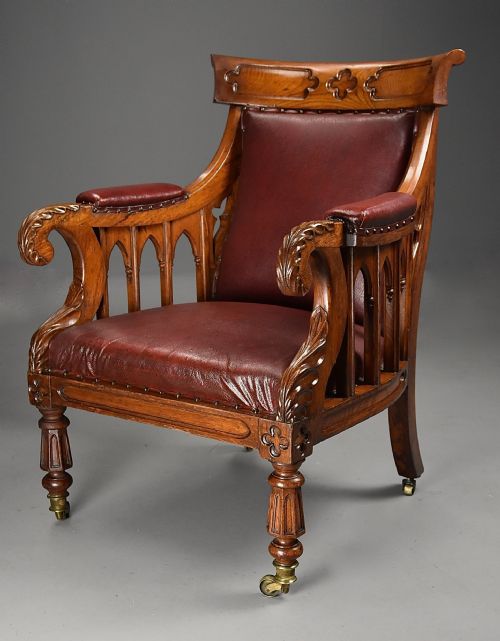
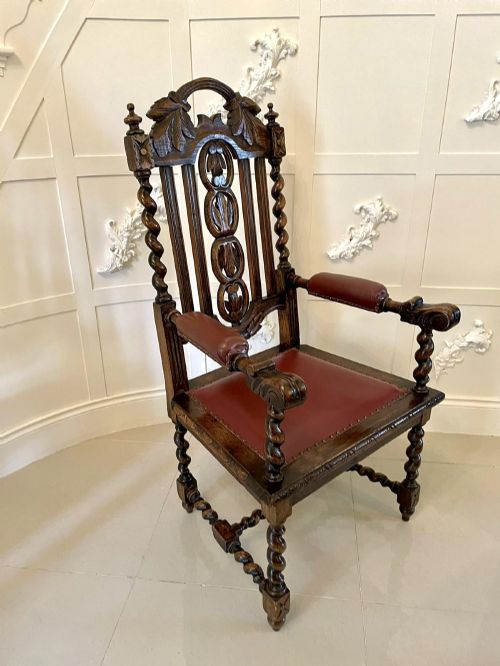
The selection ranges from simple pine writing desks and oak tables with drawers to elaborate partners desks and revolving chairs fitted with leather writing surfaces. Victorian examples dominate the listings, often displaying linenfold carving, trefoil motifs, and pointed arch influences.
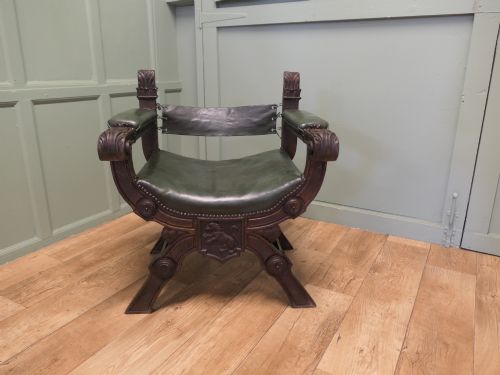
Beyond standard writing surfaces, the category encompasses specialised ecclesiastical forms such as prayer desks, prie-dieu stands, and reading pods. These complementary pieces share the structural weight and dark timber tones characteristic of the movement.
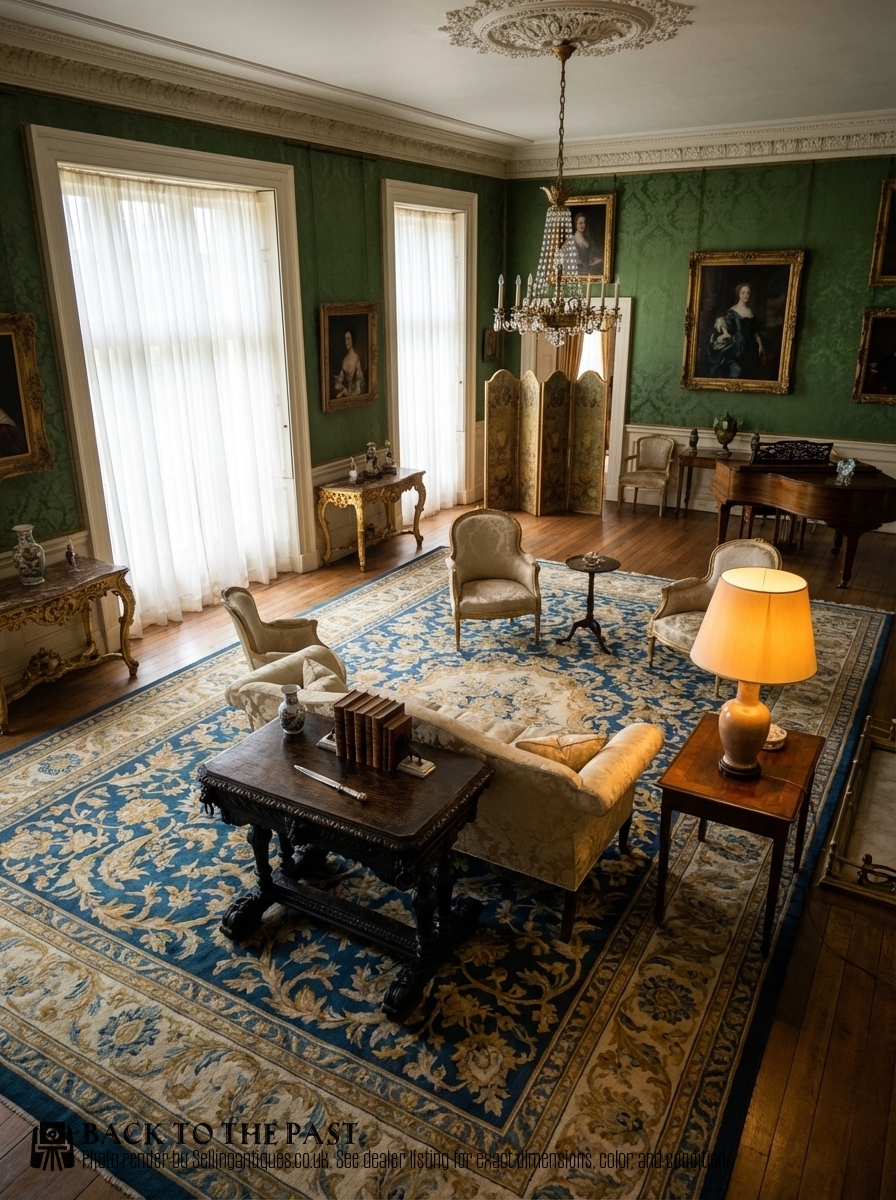
Carving Depth and Structural Integrity
Quality rests heavily on the depth and crispness of the hand-carved ornamentation, distinguishing sharp linenfold panels and trefoil cutouts from shallow, machine-routed imitations. The joinery of pedestal drawers and the rigidity of revolving chair mechanisms also indicate the original maker's investment of time.
The choice of secondary timbers inside drawers and the preservation of original leather writing surfaces alter the desirability of a piece. Substantial oak framing without excessive shrinkage splits represents the upper tier of surviving examples.
Gothic Revival Desk Retail Price Guide 2026
Typical asking prices for gothic revival desk among the pieces listed under this phrase on Sellingantiques today, from the lower quarter to the upper quarter. They describe what is for sale here now, not the wider market.
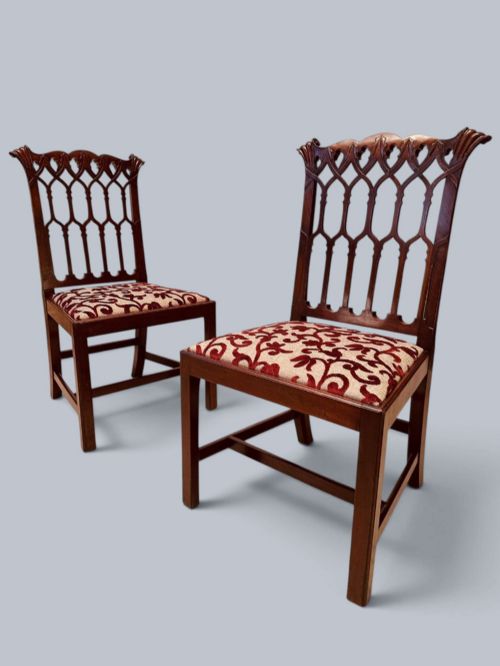
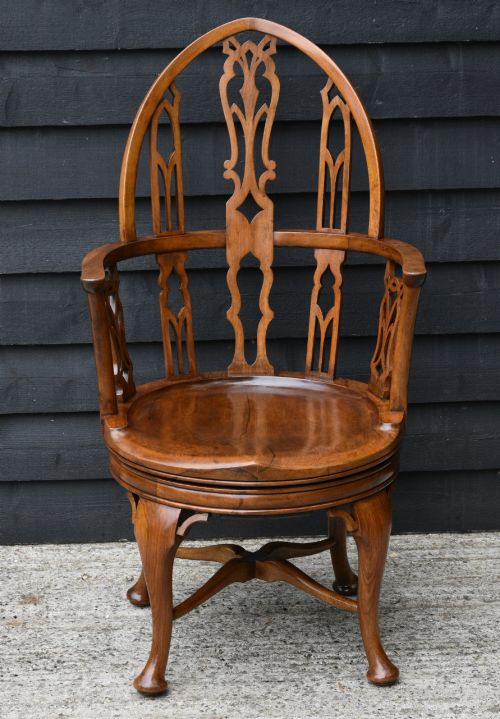
An eighteenth-century Gothick side chair shares floor space with a nineteenth-century sound desk stand.

Gillows·Edwards and Roberts·Arthur Simpson of Kendal·Heals of London·Bruce J Talbert·Winterhalder·Barber and North
The Gothic Revival Desk Glossary
- Linenfold
- A style of relief carving on wooden panels intended to resemble folded fabric. It appears frequently on the doors and modesty panels of Victorian desks.
- Pedestal Desk
- A heavy writing table supported by two banks of drawers resting on the floor. This form provides substantial storage beneath the main writing surface.
- Prie-Dieu
- A devotional desk or kneeling chair equipped with a sloping shelf for books and a padded lower rail. These ecclesiastical pieces share timber characteristics with secular writing furniture.
- Trefoil
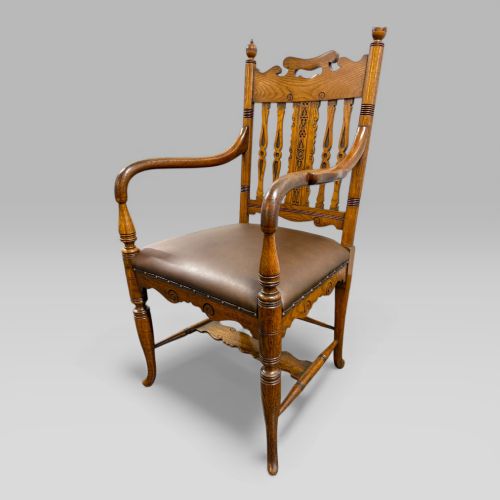
- A three-lobed ornamental design resembling clover leaves, frequently pierced through chair splats and gallery rails. It is a defining geometric motif of the movement.
Gothic Revival Desk: Frequently Asked Questions
How do I identify a true period desk?
Examine the timber construction beneath the drawers and inside the pedestals for hand-cut joints and consistent ageing. Period pieces usually feature solid oak or pine framing rather than modern manufactured boards.
Look closely at the hardware, as original brass pulls and cast iron brackets show natural oxidation and match the specific fastening techniques of the nineteenth century.
What is a partners desk?
A partners desk is a large writing table designed with drawer banks on both sides, allowing two people to work opposite one another simultaneously. These imposing pieces were traditionally built for offices, libraries, and large studies.
They often incorporate leather writing inserts on both working faces and substantial central pedestals for maximum stability.
How should I care for the leather writing surface?
Keep the leather surface clean by dusting regularly with a dry, soft cloth to prevent particulate buildup in the grain. Avoid harsh chemical cleaners that can strip the original dyed finish.
Apply a neutral leather cream sparingly if the material begins to dry out, buffing gently to maintain a soft sheen without creating a slippery writing plane.
Did these pieces use pitch pine?
Yes, workshop makers utilised pitch pine alongside oak, particularly for regional or secondary desk constructions. This resinous timber provided strong structural support and accepted dark stains well.
Pitch pine surfaces often display a distinct grain pattern that distinguishes them from standard Baltic pine or hardwood alternatives.