


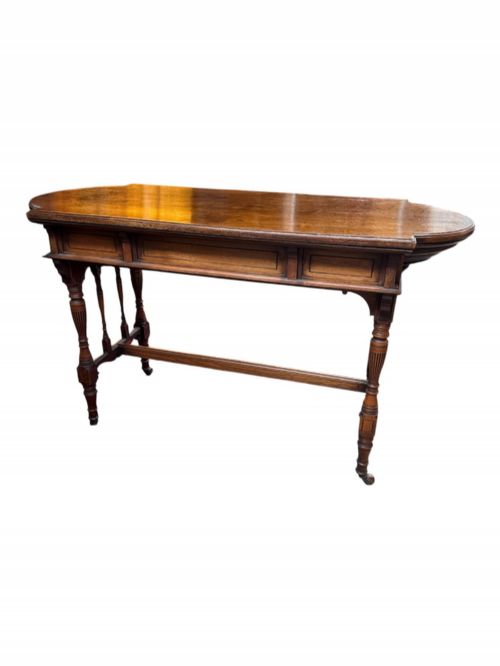
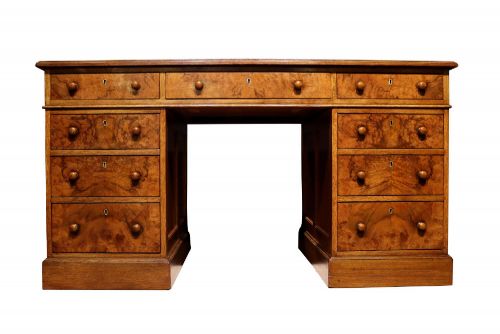

Carved Oak Library Table
When you search for a carved oak library table, you step into a world of substantial nineteenth-century craftsmanship designed for serious study.
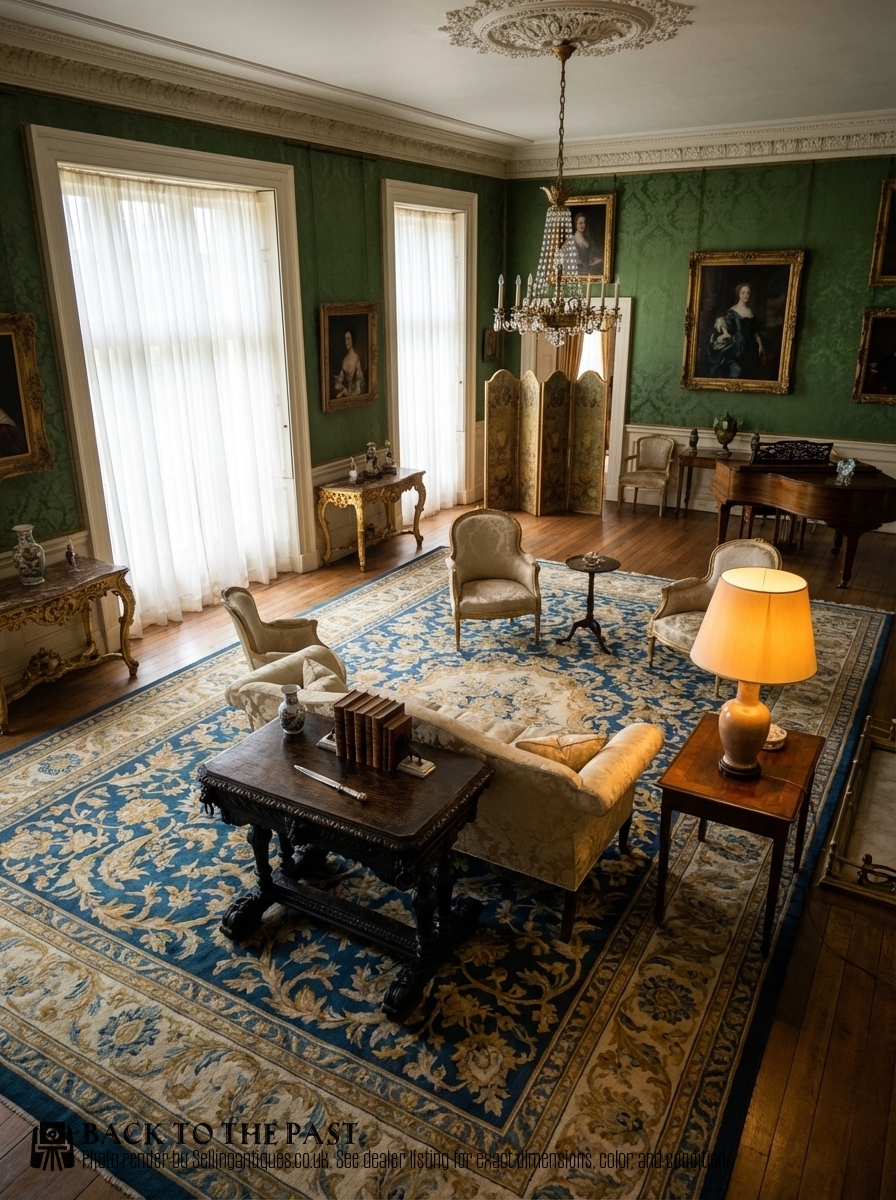
Carved Oak Library Table
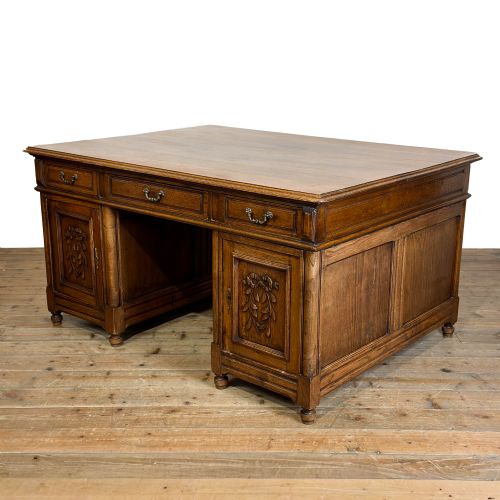
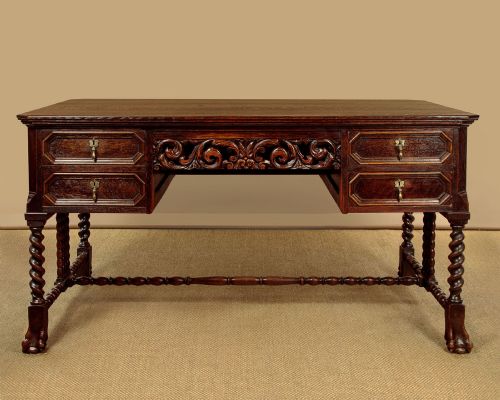
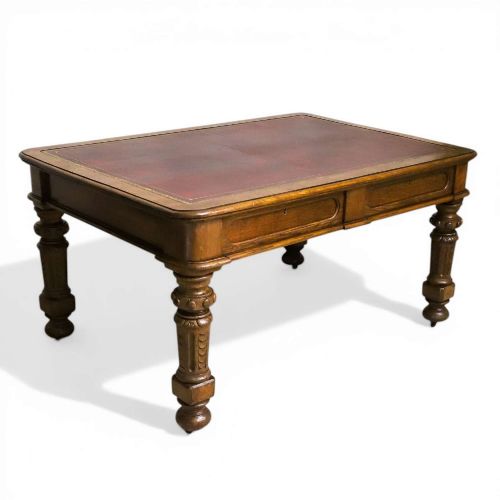
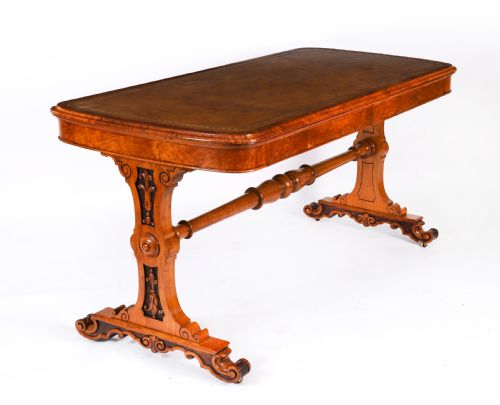
A carved oak library table represents a sturdy and functional piece of furniture originating primarily from the nineteenth century, built to serve as a central workspace in studies, libraries, and large halls. These tables typically feature substantial timber frames, often equipped with drawers for storing writing materials and manuscripts.
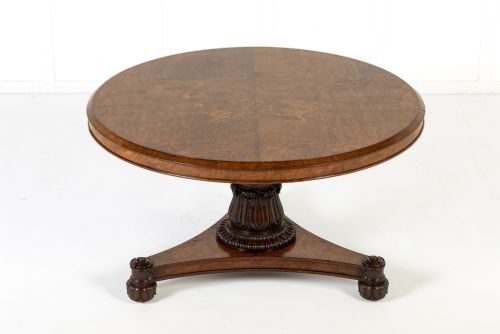
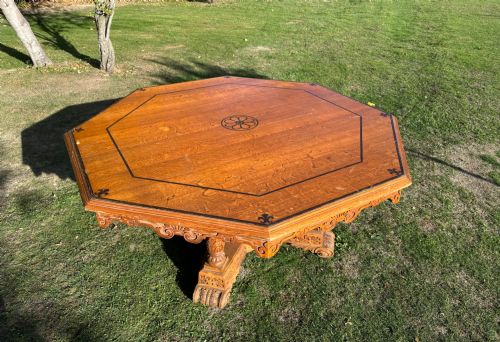
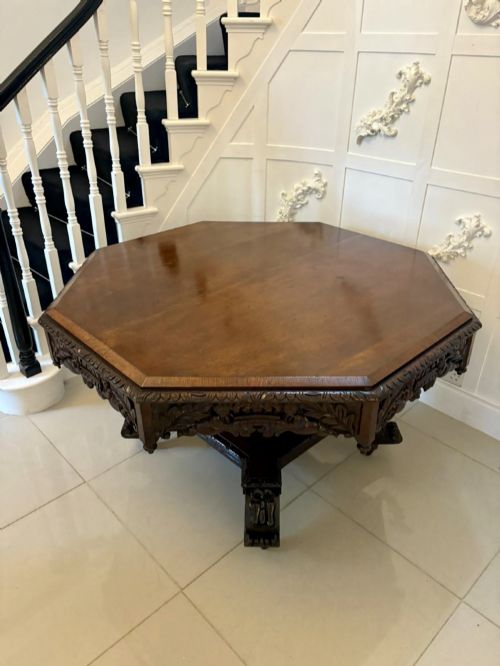
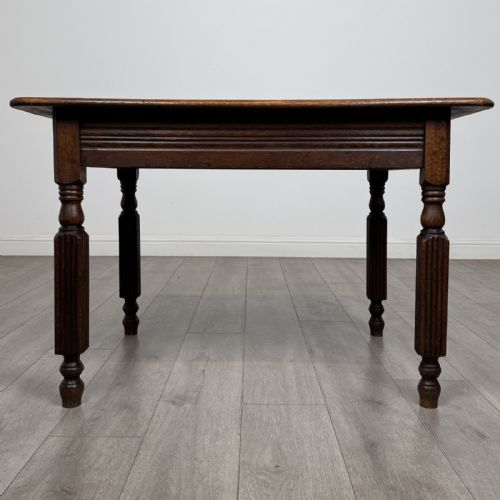
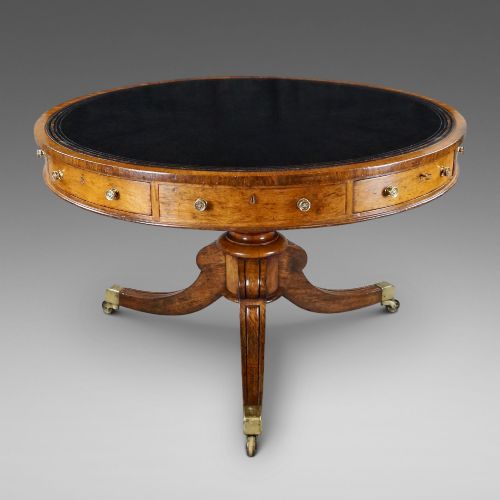
The versions most frequently encountered on this page belong to the Victorian era and adopt styles such as Gothic Revival, Renaissance Revival, and Jacobean Revival. Alongside standard rectangular forms, octagonal library tables and drum tables appear regularly, offering freestanding utility designed to be viewed from all sides.
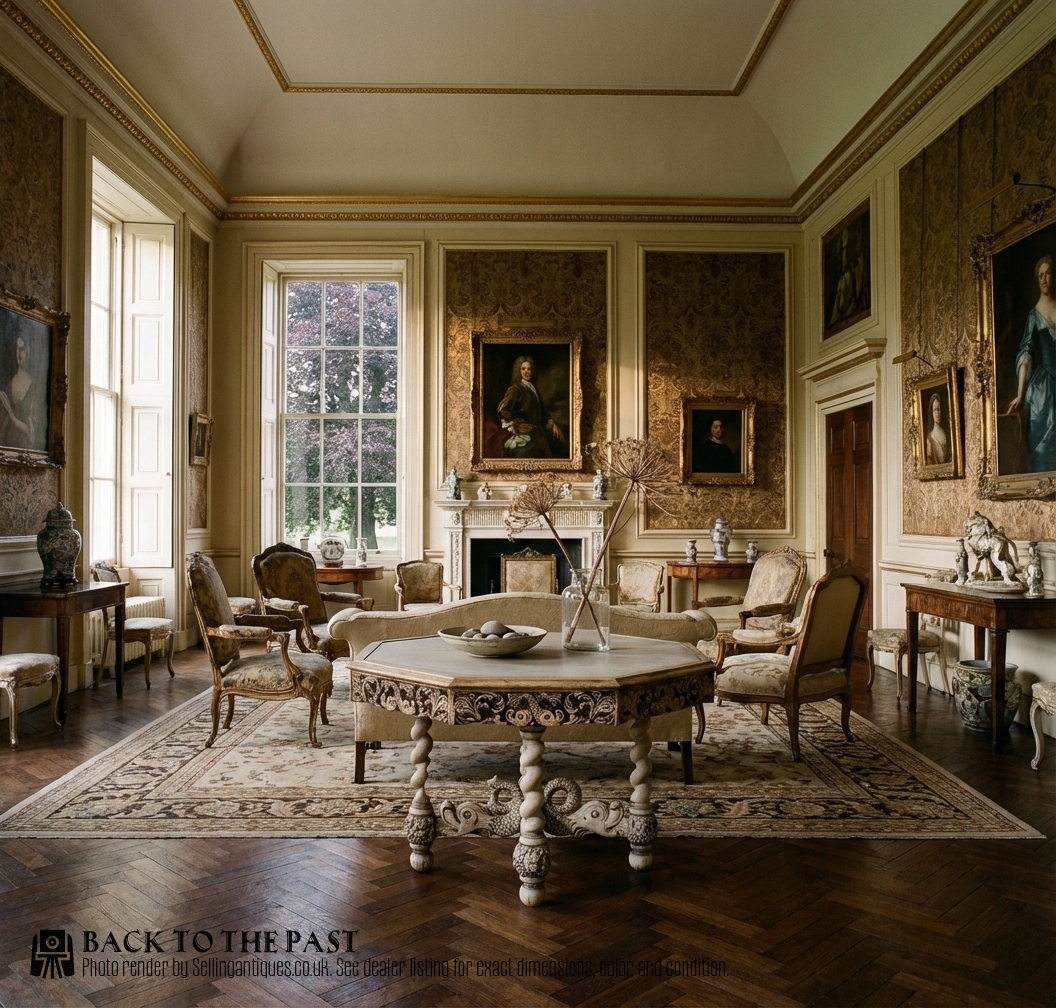
What varies in quality
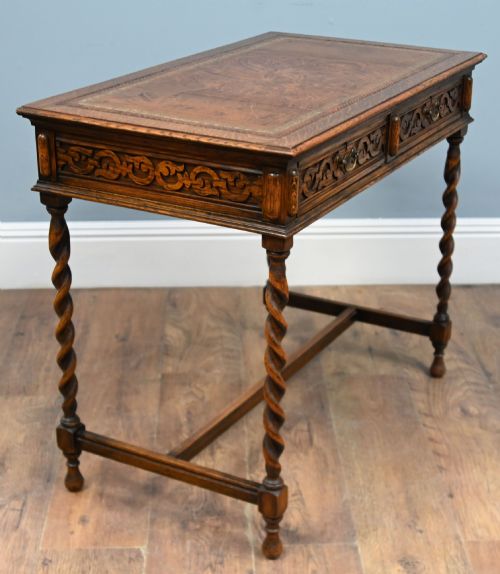
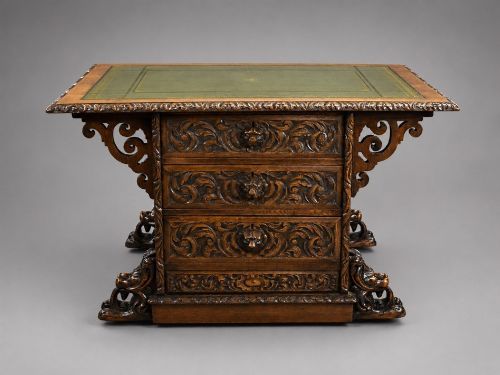
The depth and crispness of the hand-carving define the upper tier of these tables, where figures and foliage retain sharp relief rather than dull, shallow contours. Timber selection equally dictates standard, with figured grains like burr and pollard oak marking out more ambitious commissions.
Proportion and scale separate ordinary workshop output from exhibition quality pieces, where balanced dimensions and thoughtful integration of secondary woods like walnut or mahogany elevate the entire silhouette.
Carved Oak Library Table Retail Price Guide 2026
Typical asking prices for carved oak library table among the pieces listed under this phrase on Sellingantiques today, from the lower quarter to the upper quarter. They describe what is for sale here now, not the wider market.
Several Victorian oak library tables stand on spirited carved dolphin feet rather than standard wooden legs.
James Shoolbred & Co·Gillows·James Winter & Sons·T Wilson·Heals
The Carved Oak Library Table Glossary
- Partners desk
- A large double-sided desk designed for two people to work opposite one another, featuring opposing sets of drawers or cupboards.
- Drum table
- A circular library table with a rotating or stationary top surrounded by a deep frieze containing alternating real and dummy drawers.
- Pollard oak
- Timber taken from trees that have been pollarded, producing a dense, highly figured grain prized for decorative veneer panels.
- Gothic Revival
- A nineteenth-century design movement drawing inspiration from medieval architecture, characterised by pointed arches, tracery, and heavy carving.
- Bobbin turned
- Furniture legs or stretchers shaped on a lathe to resemble a series of bobbins or spools stacked end to end.
Carved Oak Library Table: Frequently Asked Questions
What distinguishes a library table from a centre table?
Library tables traditionally incorporate one or more drawers beneath the top for storing paper and writing implements, whereas centre tables are primarily decorative freestanding pieces.
Despite this functional distinction in nineteenth-century workshops, many surviving examples share similar proportions and were used interchangeably in large rooms.
How were library tables used in Victorian homes?
These tables served as the primary workspace for correspondence, reading, and household accounts in the library or study of a large residence.
Placed in the middle of the room, they allowed readers to access books and writing materials from a seated position without pushing against a wall.
Are all carved oak library tables Victorian?
While the vast majority of pieces originate from the nineteenth century under Victorian influence, earlier examples from the Regency period and later revivals into the twentieth century also appear.
Stylistic markers such as heavy lion carving point firmly toward Victorian tastes, while simpler Regency pieces favour cleaner lines and pollard oak veneers.
How do I care for a leather writing surface?
Leather inserts require occasional gentle cleaning and conditioning to prevent the material from drying out and cracking over time.
Keeping the surface free from moisture and avoiding harsh modern chemical cleaners will preserve the original tooling and colour.