


Turned Leg Centre Table
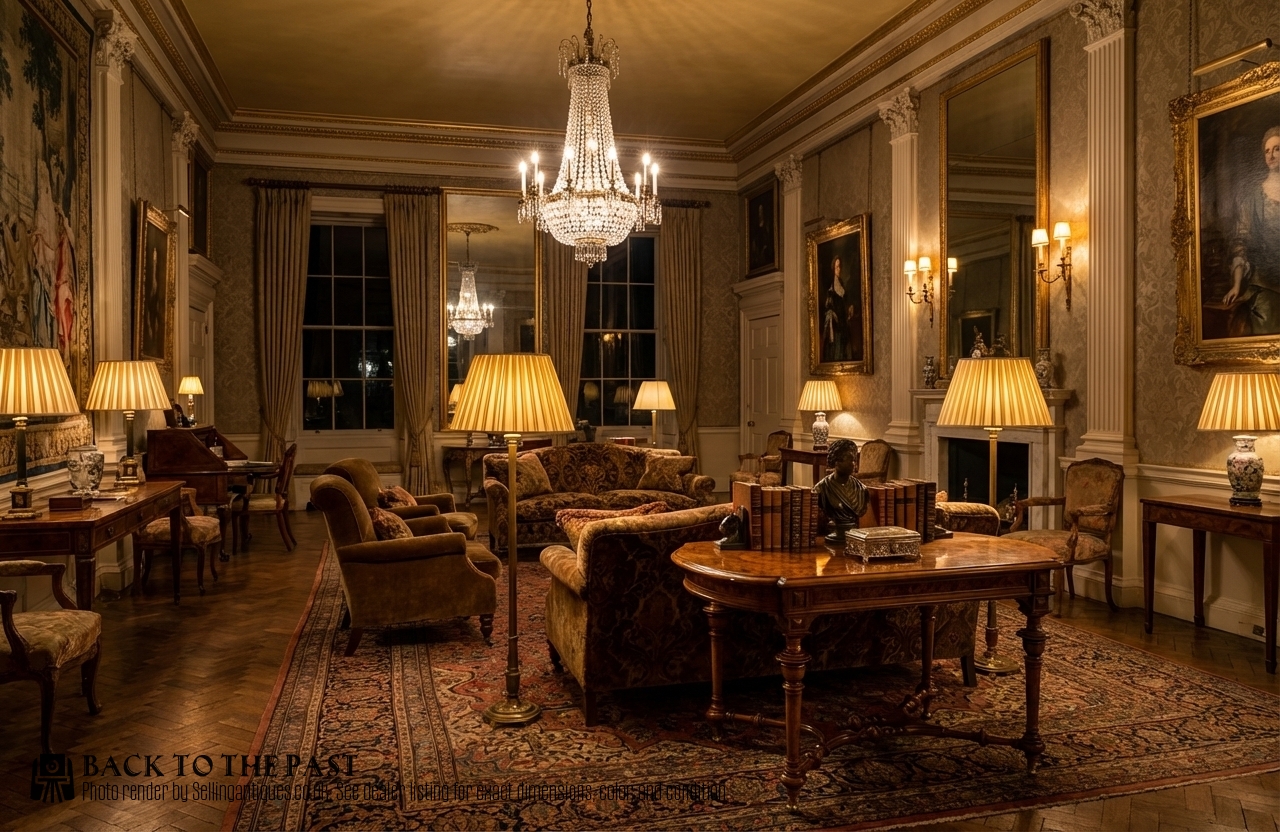
A turned leg centre table is a freestanding piece designed to anchor a room, uniting utility with rich timber grain.
Turned Leg Centre Table
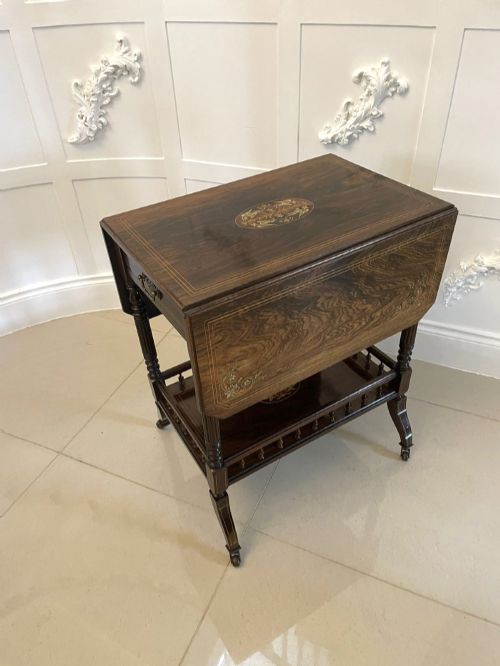
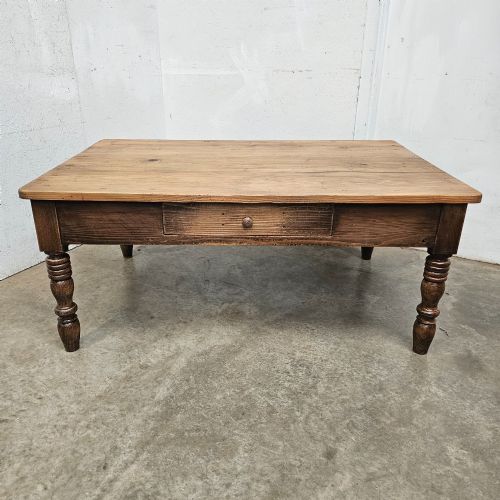
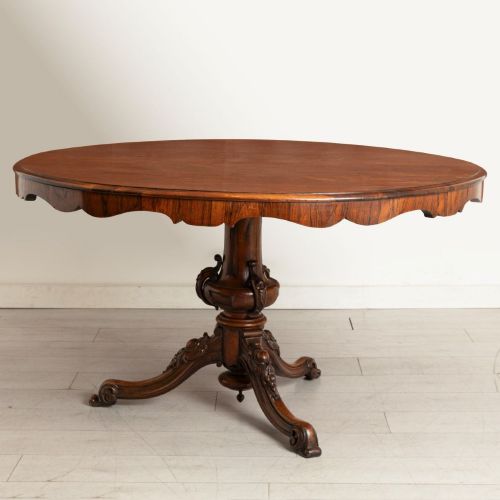
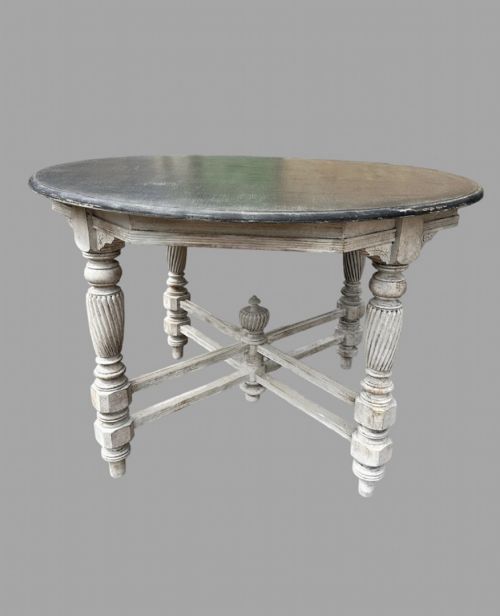
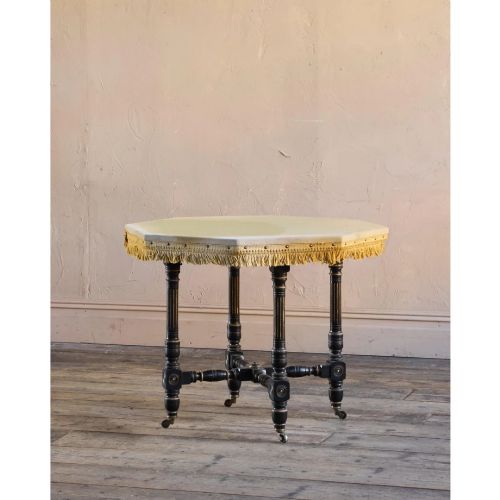
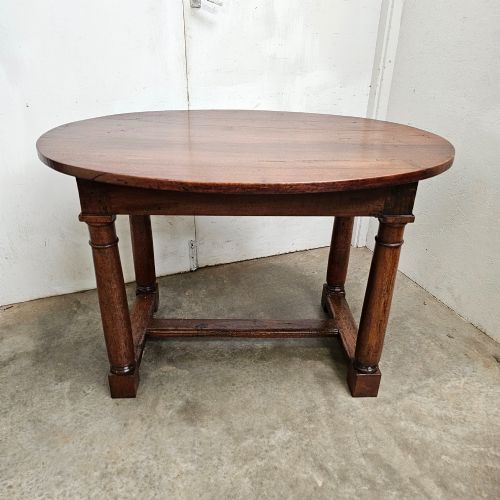
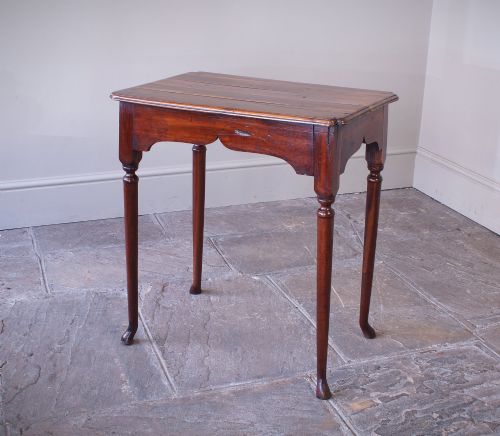
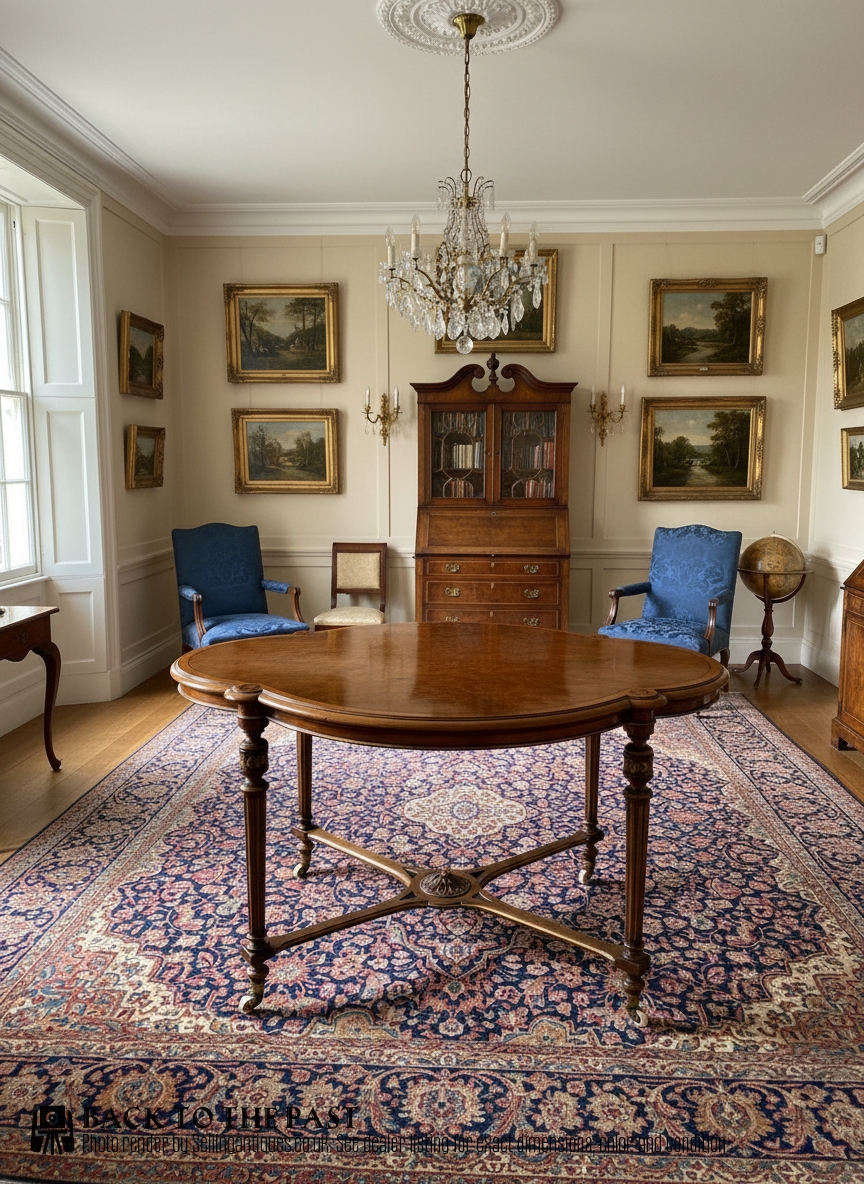
When you search for a turned leg centre table, you encounter freestanding pieces designed to sit in the middle of a room rather than against a wall. The selections span from seventeenth-century oak tavern tables to nineteenth-century Victorian walnut and rosewood iterations.

Materials and Construction
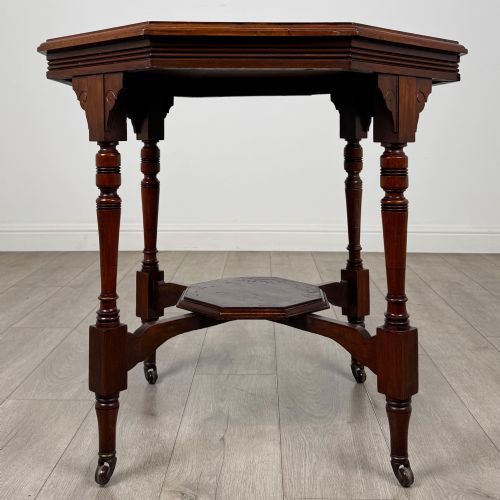
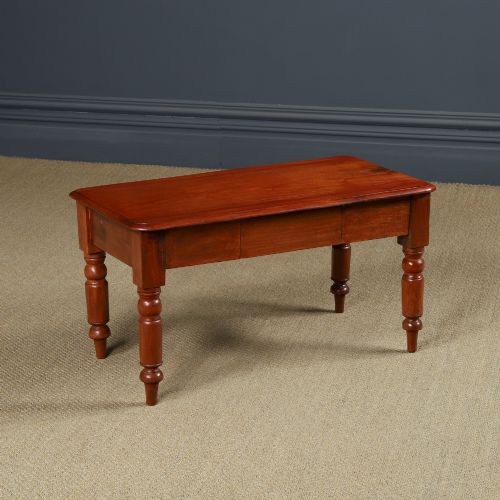
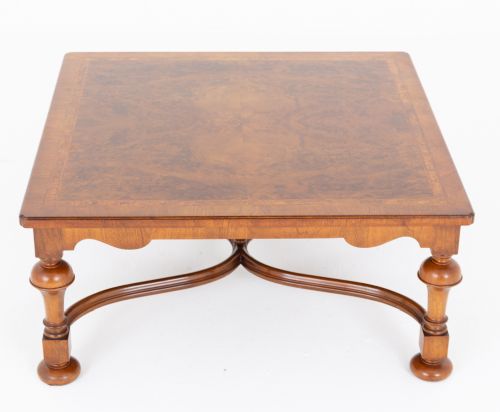
Cabinet makers utilised dense hardwoods including mahogany, walnut, rosewood, and oak, often selecting burr veneers to create striking symmetrical patterns across the top. Secondary timbers provided internal framing, while turned uprights and legs were shaped on a lathe to form robust structural supports.
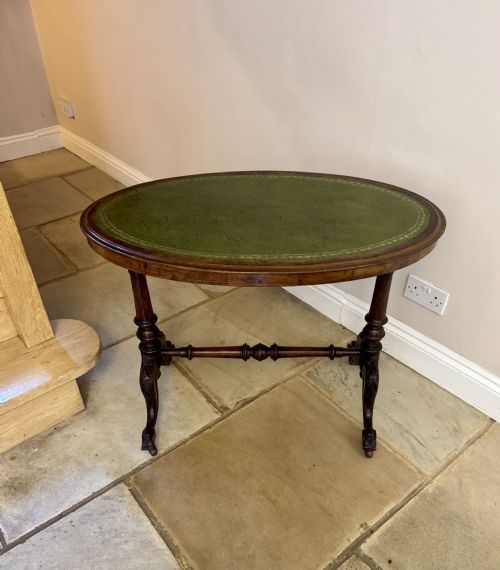
Surfaces were frequently inlaid with contrasting lighter woods, or fitted with tooled leather or Moroccan leather inserts for writing and library use. Brass castors occasionally appeared on nineteenth-century feet to assist movement across heavy carpets.
Turned Leg Centre Table Retail Price Guide 2026
Typical asking prices for turned leg centre table among the pieces listed under this phrase on Sellingantiques today, from the lower quarter to the upper quarter. They describe what is for sale here now, not the wider market.
Current listings feature pieces spanning from the seventeenth century through to the Edwardian period, constructed in walnut, oak, mahogany, and rosewood.
Execution and Depth
Quality rests in the crispness of the turned woodwork and the selection of the primary timber veneers. Superior examples display tight, highly figured grain patterns and precise joinery that keeps the freestanding frame rigid from all angles.
The sophistication of secondary details, such as delicate marquetry inlay or the retention of original leather work, separates standard utility tables from exceptional parlour and library pieces.
Hindley And Sons
The Turned Leg Centre Table Glossary
- Centre table
- A freestanding table finished on all sides, intended to stand away from walls in the middle of a room.
- Burr walnut
- Timber taken from a tree growth featuring swirling, knotty grain patterns prized for decorative veneering.
- Tilt-top table
- A table featuring a mechanism that allows the top to pivot vertically for compact storage when not in use.
- Marquetry
- Decorative patterns formed by fitting together thin pieces of coloured wood veneer onto a structural surface.
Turned Leg Centre Table: Frequently Asked Questions
Where should a centre table go?
These tables belong in the middle of a room, functioning as a focal point for lamps, books, or decorative objects. Their finished appearance from every angle allows complete freedom of placement away from perimeter walls.
In larger spaces, they anchor the surrounding seating arrangement, providing a natural gathering point that balances the proportions of the interior.
How do I identify a Victorian table?
Victorian pieces often utilise dark hardwoods like walnut, rosewood, and mahogany, frequently enhanced by burr veneers and inlaid marquetry. Turned bases and heavier proportions distinguish them from lighter Edwardian alternatives.
Many incorporate functional elements popular in the nineteenth century, such as inset leather writing surfaces or tilt-top mechanisms for flexible room usage.
What is a tavern table?
A tavern table is a sturdy, utilitarian form typically constructed from solid oak or fruitwood during the seventeenth or eighteenth centuries. These pieces feature thick turned legs connected by low stretchers designed for stability on uneven floors.
Their robust nature suited public houses and domestic dining spaces alike, prioritising durability and simple lines over decorative veneers.
Can I use an antique table daily?
Solid construction in dense hardwoods equips these tables for everyday tasks such as writing, dining, or holding household objects. Using coasters and protective mats preserves polished timber and delicate leather inserts from moisture and heat.
Regular polishing with appropriate wax maintains the condition of the wood without altering the natural patina developed over the centuries.