
Antique Parlor Table
These antique parlor table pieces range from Victorian centre tables to Edwardian occasional forms, offering versatile display surfaces for the home.
Antique Parlor Table
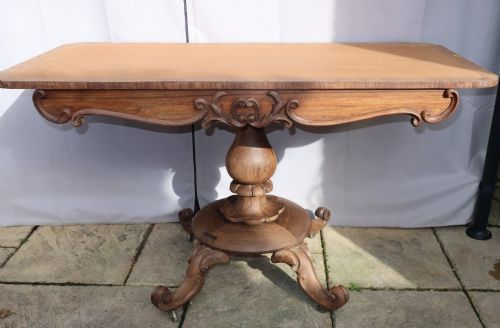
When buyers search for an antique parlor table, they are looking for smaller display and gathering surfaces originating primarily from the nineteenth and early twentieth centuries. These encompass occasional pieces, centre tables set in the middle of a room, and side tables designed for domestic sitting spaces.
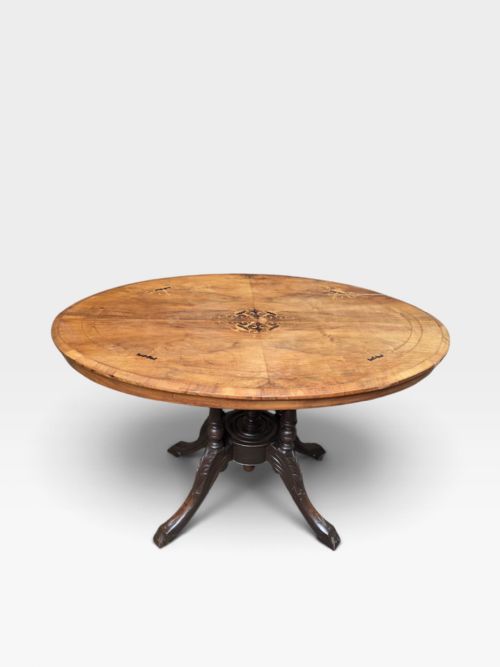
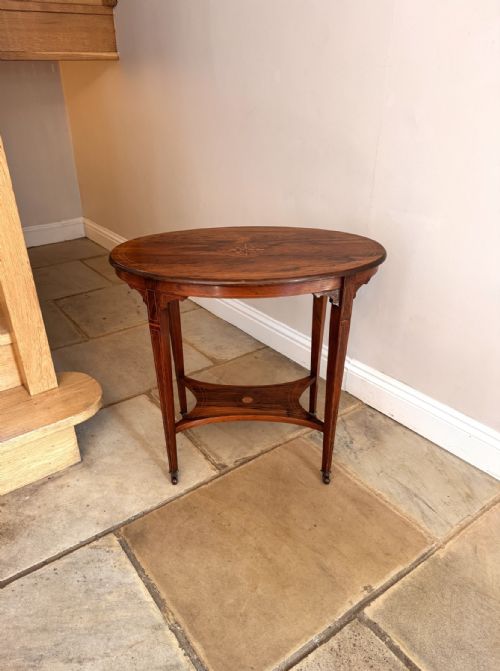
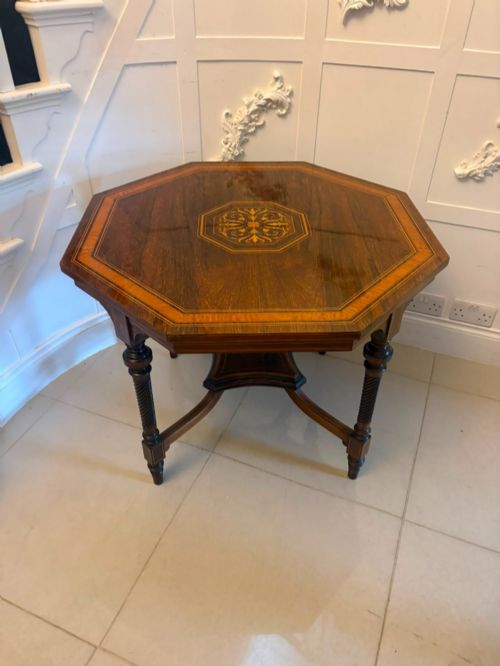
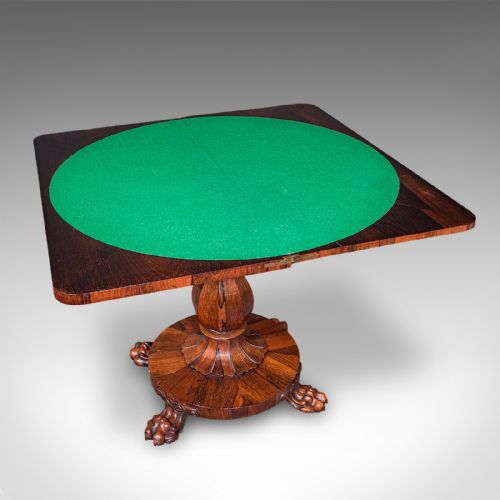
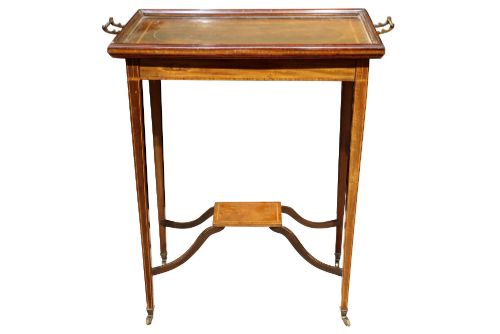
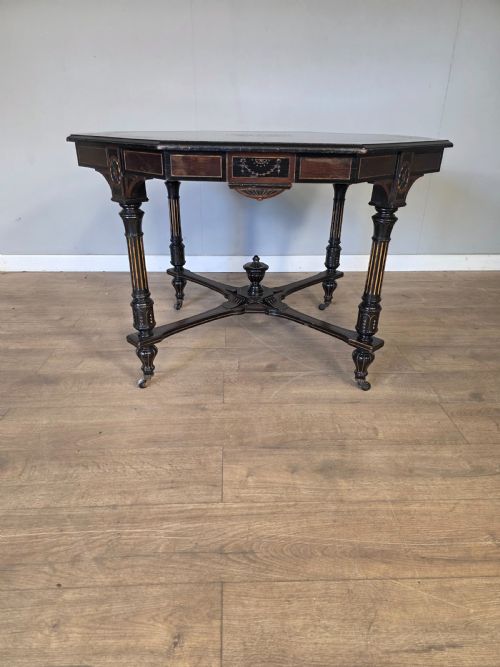
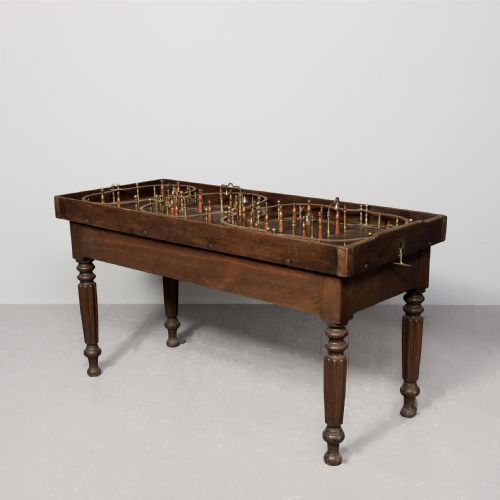
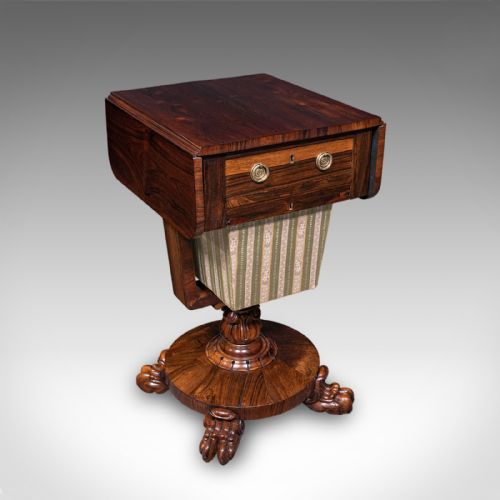
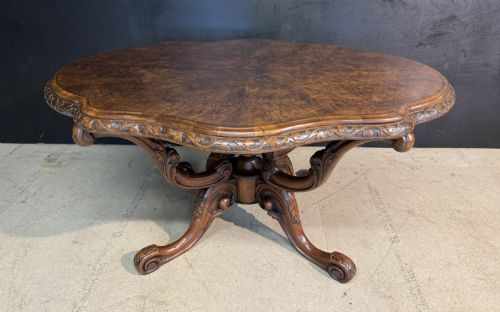
The most common versions met on this page include Victorian and Edwardian examples fashioned from mahogany, walnut, and rosewood. Forms span octagonal, oval, and circular tops, alongside specialised pieces associated with parlour games and needlework.
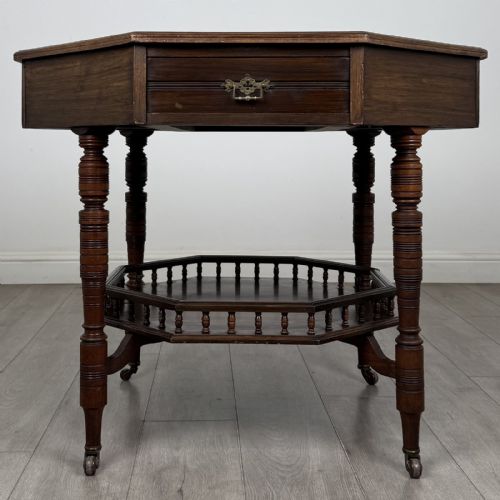
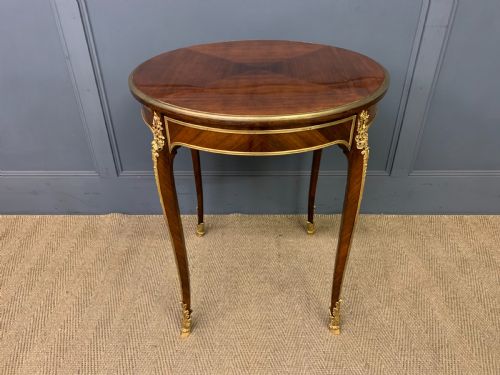
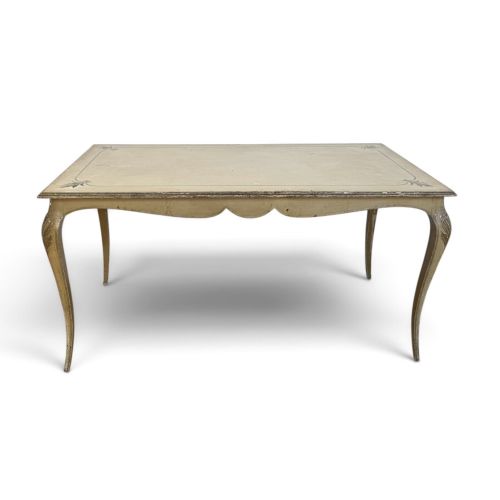
Origin points diverge between English cabinetwork and French designs, including Louis XV Revival styles and marble-topped occasional forms. Pieces often feature turned legs, castors, or marquetry inlay that reflects the period aesthetic of the formal reception room.
Materials and construction methods
Makers utilised dense cabinet timbers such as mahogany, walnut, and burr walnut, frequently enhancing surfaces with satinwood, rosewood, or marquetry inlay. Oak and ebonised woods also appear, providing robust foundations for centre tables and occasional forms.
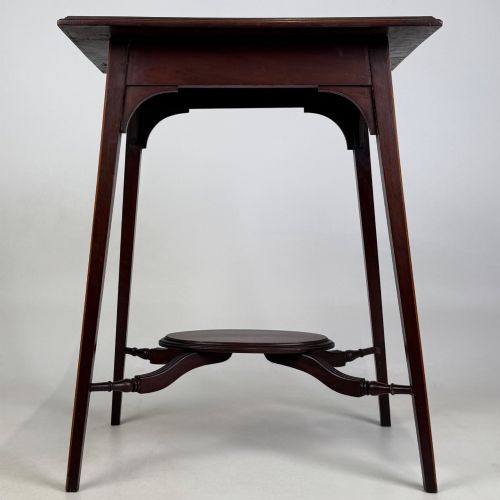
Decorative detailing involved gilt bronze or ormolu mounts, hand-painted finishes, and delicate stringing. Tops were supported by turned legs, pedestal bases, or cabriole legs, occasionally incorporating tray edges or drop leaves for practical utility.
Listings feature woods including mahogany, walnut, burr walnut, rosewood, satinwood, oak, and elm across Victorian and Edwardian periods.
Distinctions in construction and design
The upper tier of these pieces displays meticulous timber selection, visible in the rich grain configuration of burr walnut and the precision of intricate marquetry inlay. Quality rests upon the integration of decorative elements like gilt bronze mounts and hand-finished veneers rather than plain secondary woods.
Structural integrity and proportional harmony separate superior examples from standard workshop output. Finely turned supports, stable pedestal bases, and well-executed joinery demonstrate the maker's skill without relying on excessive surface embellishment.
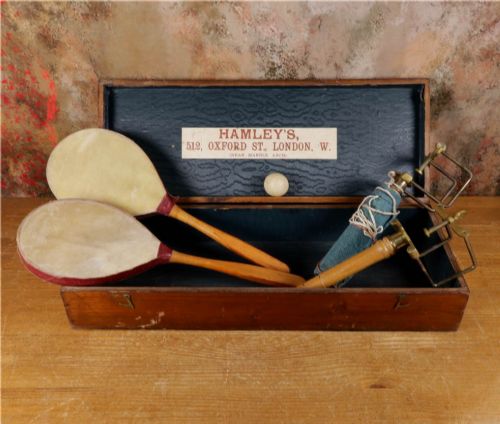
Francois Linke·Jaques And Hamleys Gossima·Hindley And Sons
The Antique Parlor Table Glossary
- Centre table
- A freestanding piece designed to be viewed from all sides, placed in the middle of a room rather than against a wall.
- Occasional table
- A small, portable piece of furniture used for a specific, transient purpose such as holding books or decorative objects.
- Marquetry
- Decorative veneer work arranged in geometric or pictorial patterns using various coloured woods.
- Ormolu
- Gilded bronze ornamentation applied to furniture mounts and decorative hardware during the eighteenth and nineteenth centuries.
- Loo table
- A large round or oval Victorian table originally utilised for the card game loo.
Antique Parlor Table: Frequently Asked Questions
Where should an antique parlor table be placed?
Centre tables function well as freestanding room centerpieces where all sides remain visible. Occasional tables suit placement beside seating or against perimeter walls for display.
Smaller formats fit comfortably in entrance halls or reception spaces. Their historical use involved gathering circles for conversation or card games.
How do I distinguish Victorian from Edwardian pieces?
Victorian examples tend to employ darker timbers like rosewood and mahogany, often featuring heavier carved details or rich marquetry. Ebonised finishes and burr walnut veneers are also characteristic of this period.
Edwardian pieces frequently display lighter woods such as satinwood and brighter mahogany. Their aesthetic leans towards delicate inlay, refined proportions, and influences from earlier eighteenth-century designs.
What were parlor tables originally used for?
These tables served as functional hubs for nineteenth-century domestic social life. They held oil lamps, reading material, or tea services during formal gatherings.
Certain specialised variants accommodated parlour games, cards, or sewing equipment. Their surfaces adapted easily to the shifting demands of Victorian and Edwardian household entertaining.
Are marble top tables difficult to maintain?
Marble top tables require standard care to protect the stone surface from acidic spills and moisture marks. Regular dusting with a soft cloth preserves the polish without chemical intervention.
The stone itself provides a durable, heat-resistant surface historically favoured for occasional and centre furniture in French and English interiors.