
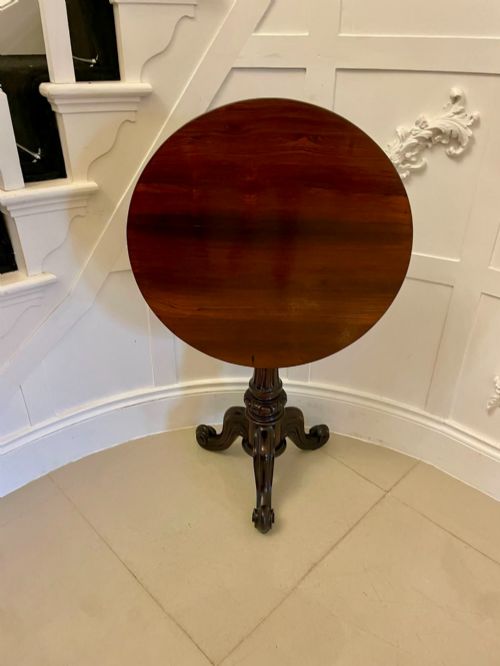


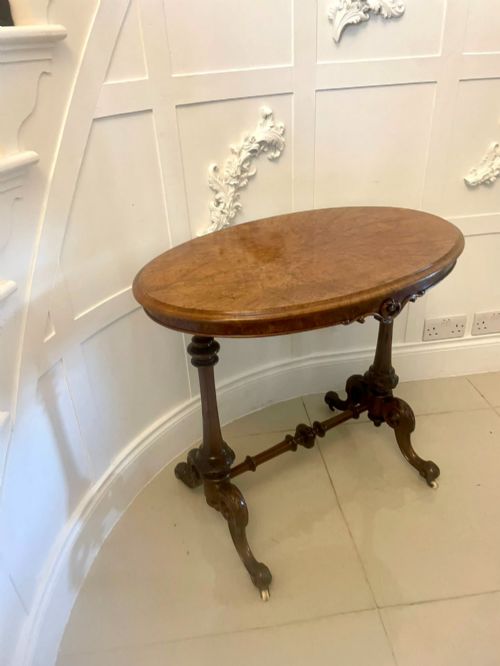
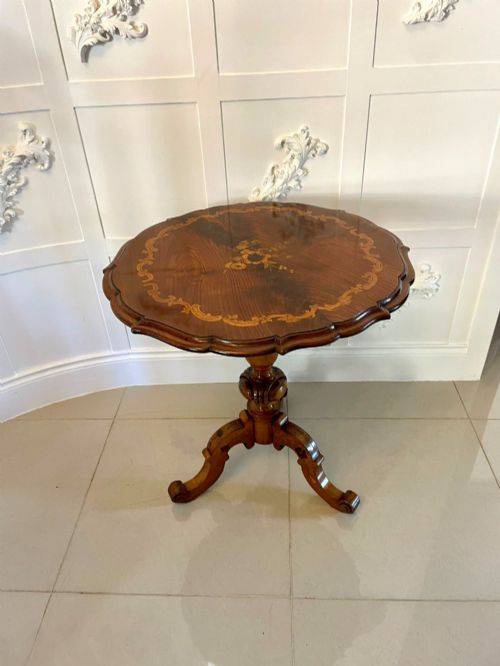
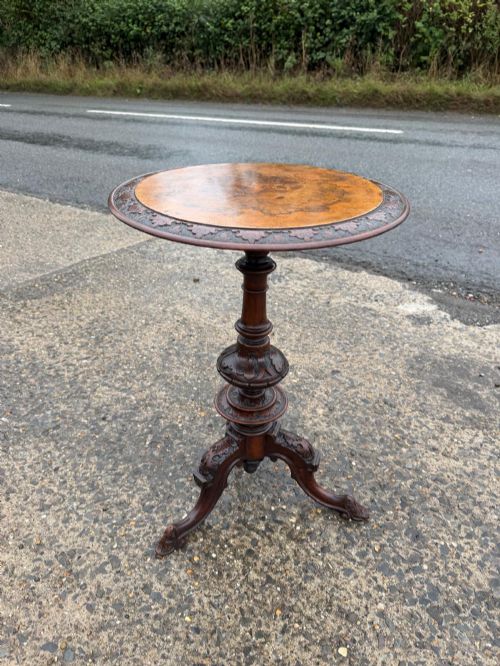
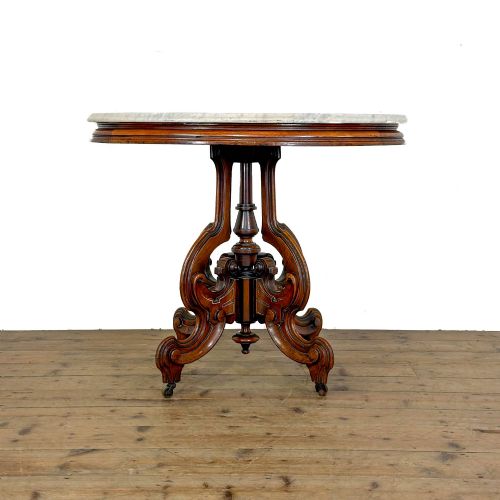
Victorian Carved Lamp Table
A victorian carved lamp table anchors a room with solid timbers and intricate relief work designed to hold a light.
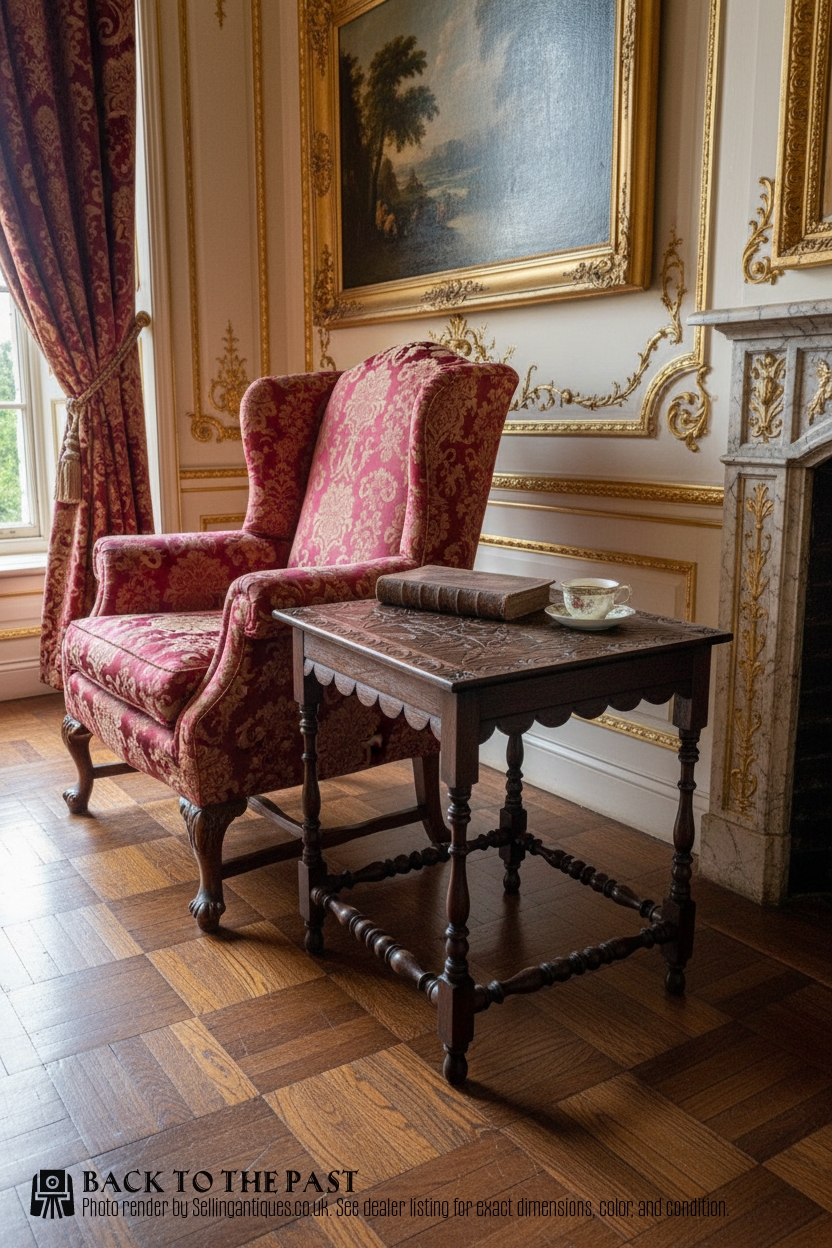
Victorian Carved Lamp Table
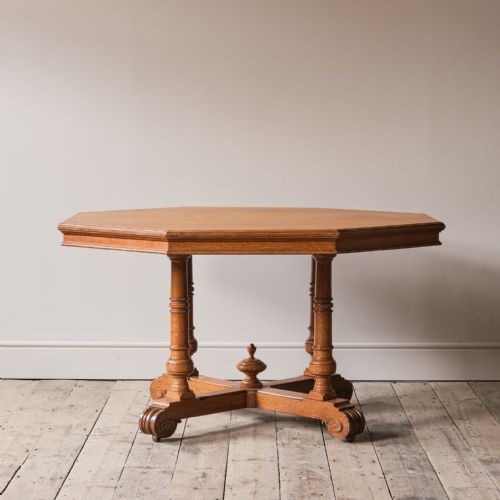
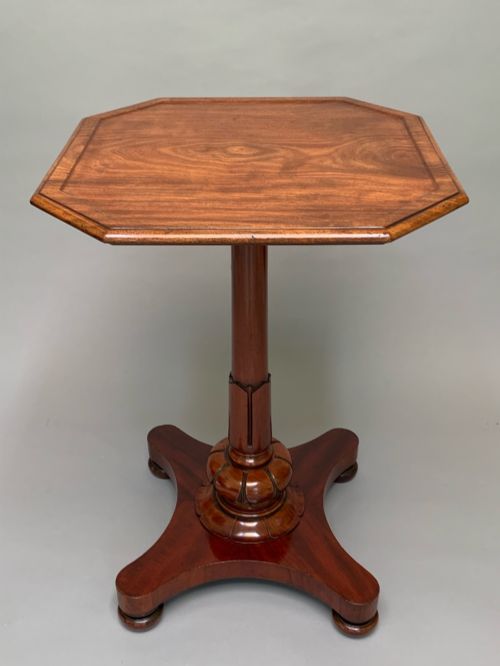
A victorian carved lamp table primarily appears as a circular or octagonal pedestal piece designed to support a light source beside a seating area. The form bridges the gap between utilitarian occasional surfaces and ornamental display pieces, frequently emerging from the mid to late nineteenth century.
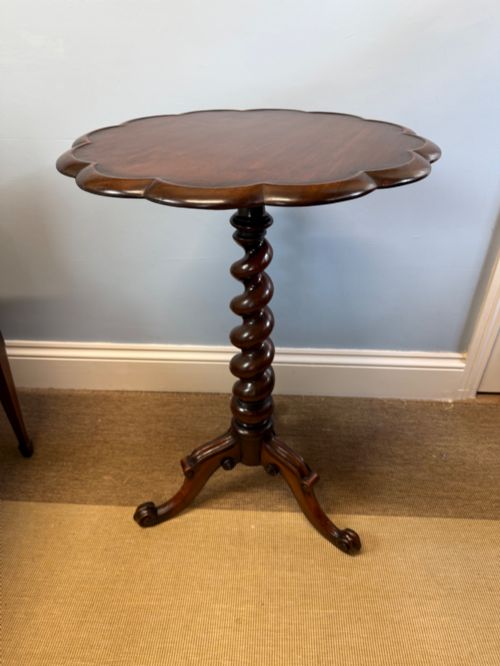
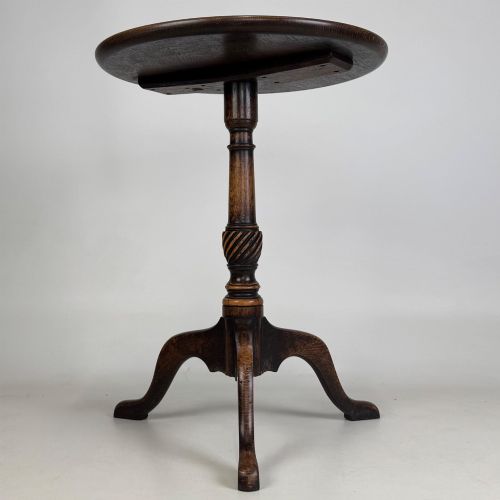
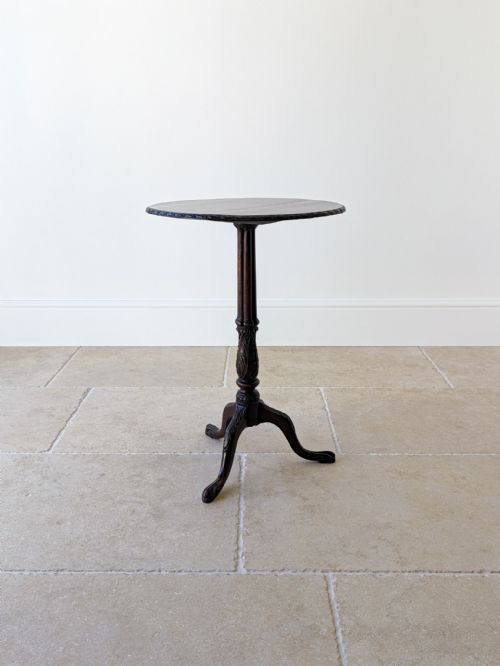
Makers utilised various secondary formats including tripod bases, square tops, and occasional tables with scalloped edges or lower tiers. Walnut, burr walnut, and carved oak dominate the physical record, reflecting the heavy domestic requirements of the Victorian interior.
Materials and Technique
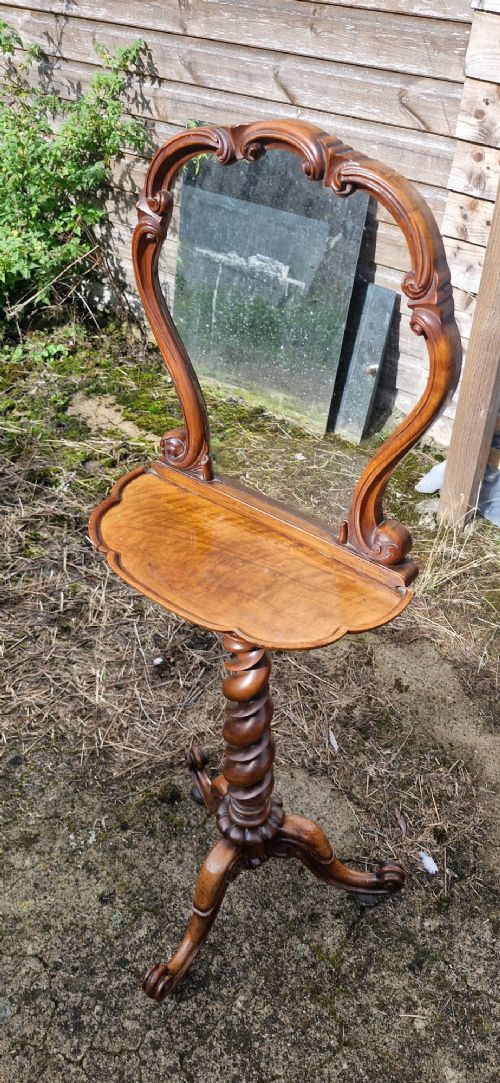
Carpenters constructed these tables using dense hardwoods such as mahogany, rosewood, and oak, often applying figured burr walnut veneers to circular or oval tops. Structural integrity relied on turned pedestals, tripod legs, and occasionally barley twist or bobbin turned supports.
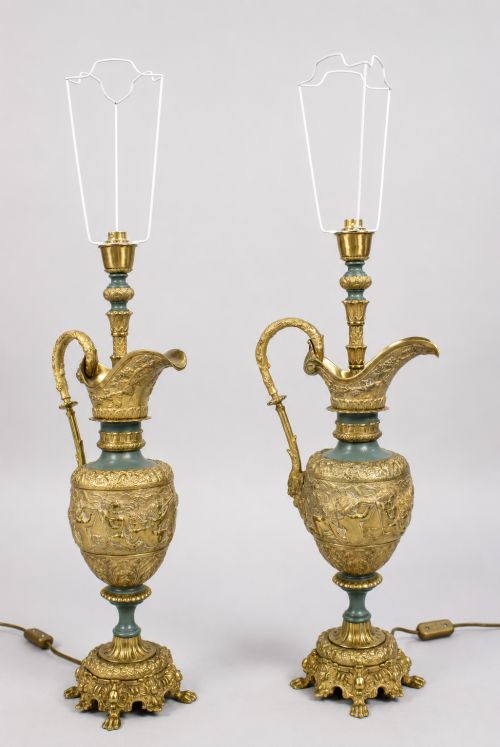
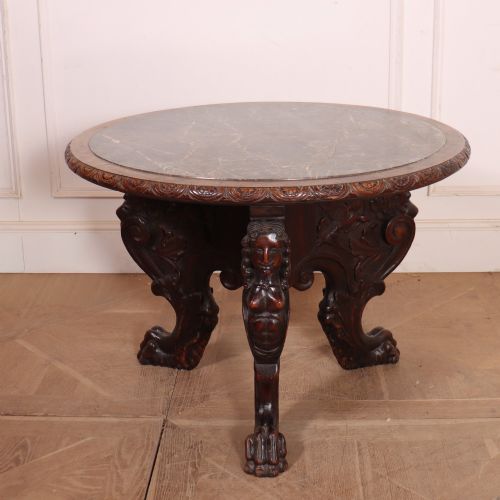
Decorative enrichment involved hand carving floral or geometric relief work into the solid timber borders, supplemented by marquetry inlays and brass or ormolu mounts. Joinery techniques ensured stable weight distribution for heavy oil lamps and decorative objects.
Listings feature walnut, mahogany, oak, and rosewood alongside specialised forms like octagonal centre tables and tripod wine tables.
Judging Quality
The degree of refinement in the hand carving and the selection of timber figure distinguish standard production from superior examples. Finely figured burr walnut and crisp, deep relief carving indicate workshops that invested greater labour in the piece.
Structural harmony between the top, the central pedestal, and the base legs dictates overall success. Pieces retaining original patination and integrated marquetry inlay demonstrate a higher level of original design and preservation.
Liberty of London
The Victorian Carved Lamp Table Glossary
- Burr Walnut
- A figured wood veneer taken from the wart-like growths on walnut trees. It creates complex, swirling patterns highly prized on Victorian table tops.
- Barley Twist
- A turning style resembling a spiralling rope. This technique adds vertical movement to the central pedestals and legs of nineteenth-century tables.
- Marquetry
- The art of applying pieces of veneer to a structure to form decorative patterns. It frequently incorporates floral motifs on walnut surfaces.
- Tripod Base
- A support structure featuring three legs radiating from a central pillar. This configuration prevents wobbling on uneven nineteenth-century floorboards.
Victorian Carved Lamp Table: Frequently Asked Questions
What is a victorian carved lamp table used for?
These pieces were originally built to hold heavy oil lamps, providing a stable surface next to seating areas in nineteenth-century drawing rooms.
Today, they function effectively as bedside tables, plant stands, or occasional surfaces for modern reading lights.
How do I identify a Victorian table?
Look for dense traditional timbers like walnut, mahogany, and oak combined with hand-carved details, turned pedestals, and period joinery methods.
Dates generally cluster around the mid to late nineteenth century, reflecting the prevailing domestic styles of the reign.
Are these tables sturdy enough for daily use?
The heavy hardwood construction and solid pedestal bases make these tables remarkably robust for everyday placement in a modern home.
Tripod and four-legged formats distribute weight evenly, though one should avoid overloading delicate inlaid surfaces.
How do I care for a burr walnut top?
Maintain the timber by keeping the surface away from direct sunlight and extreme temperature shifts that can dry out old veneers.
Occasional application of appropriate wax polish preserves the natural sheen and protects the grain from moisture.