
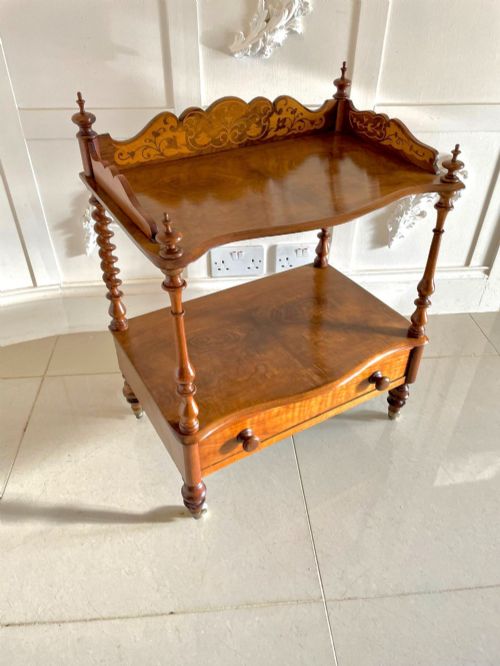
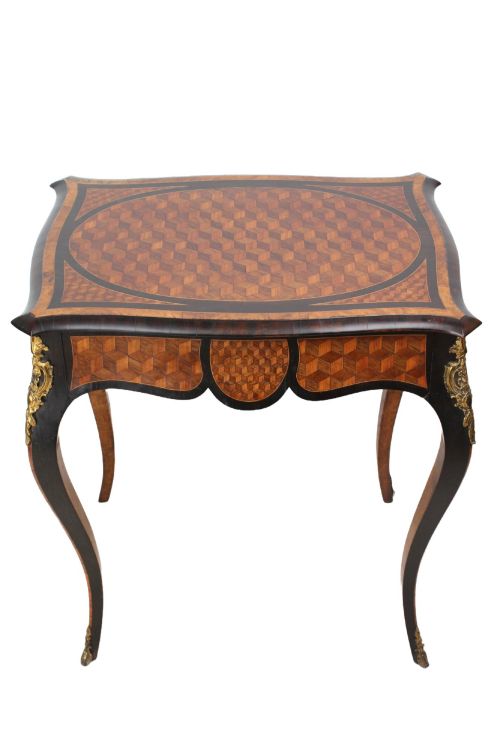
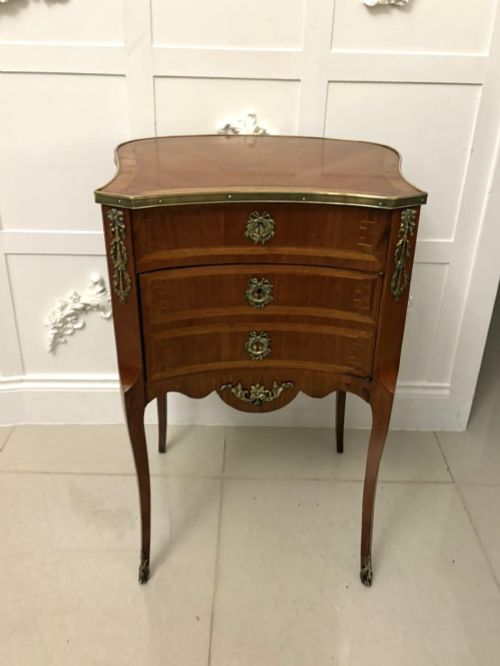

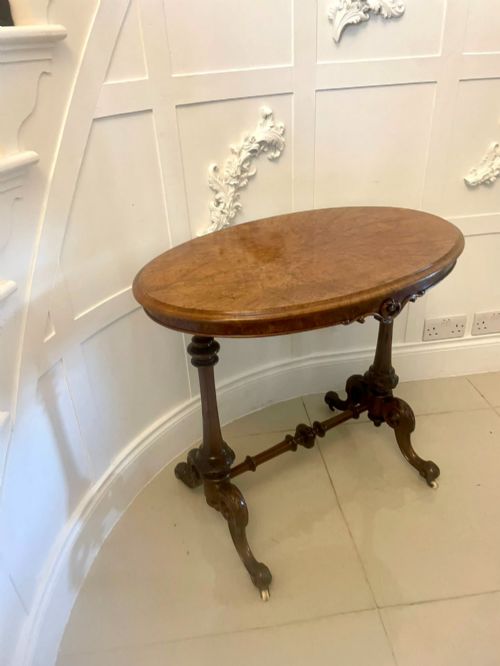
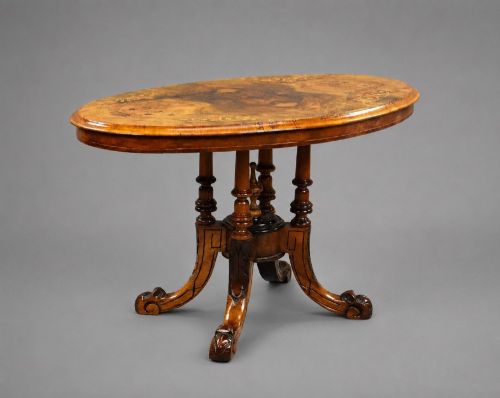
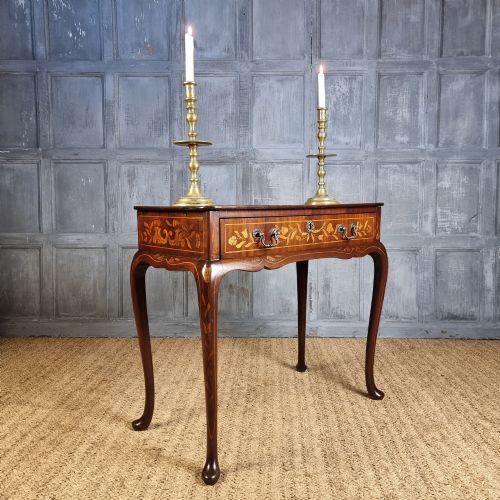
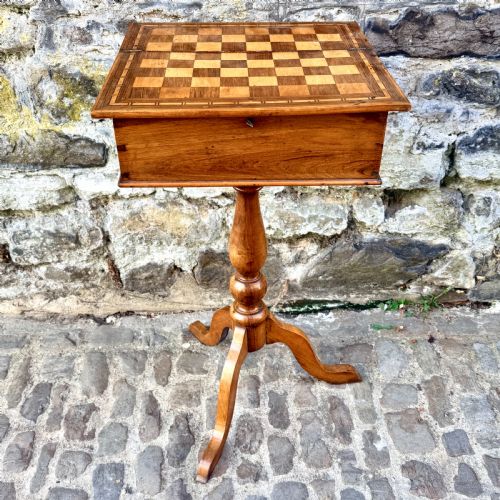
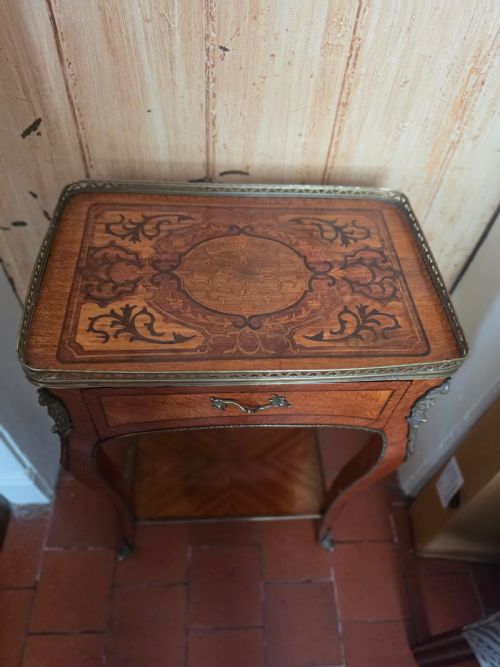
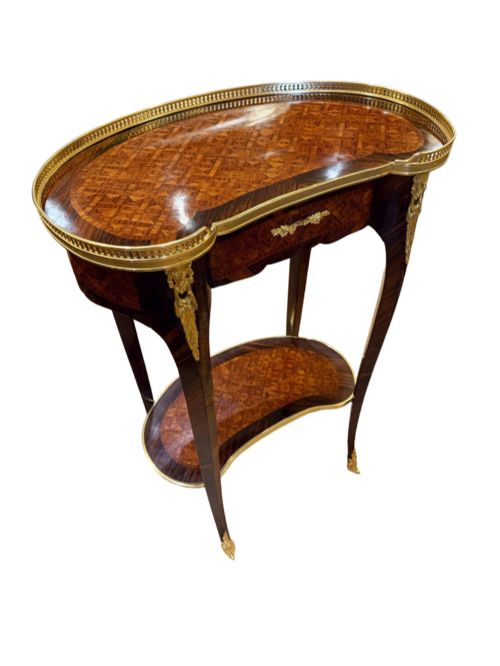
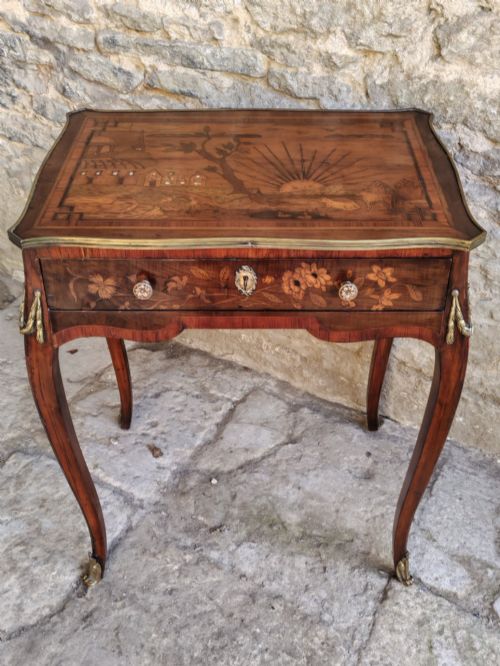
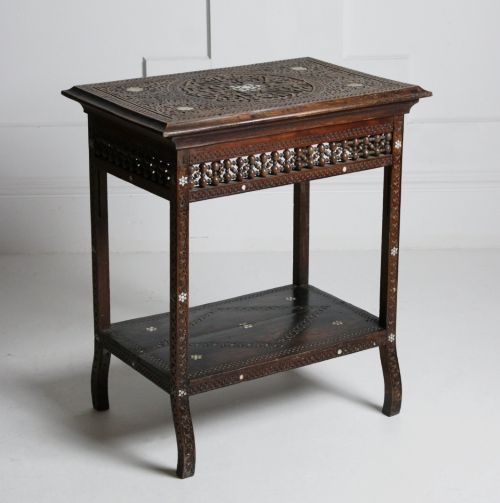
Inlaid Walnut Occasional Table
When you search for an inlaid walnut occasional table, you are looking for a versatile piece of furniture defined by figured timber and intricate decorative craft.
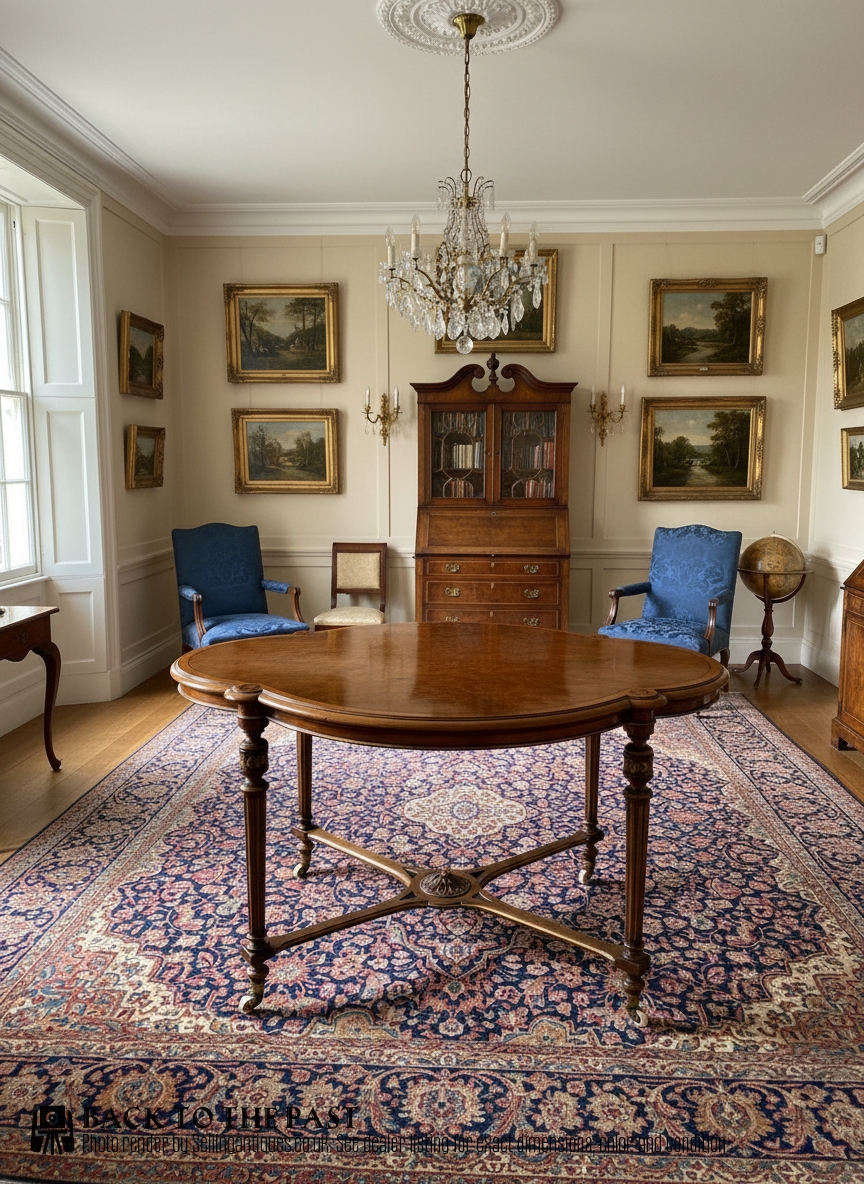
Inlaid Walnut Occasional Table
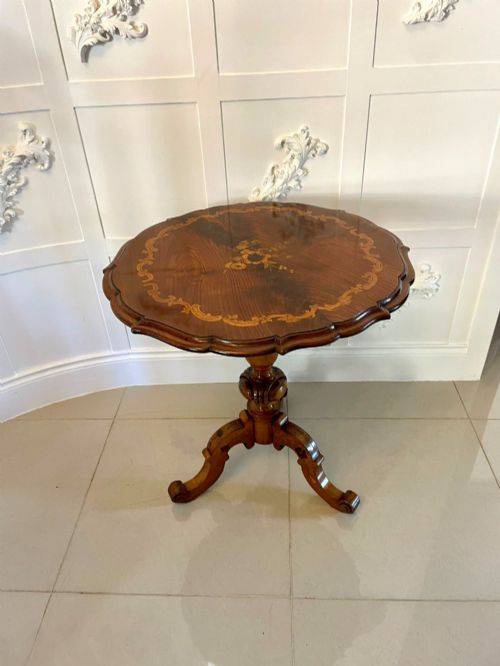
An inlaid walnut occasional table provides a compact surface for lamps, books, or tea, appearing frequently in Victorian iterations alongside French and Italian examples from the nineteenth century.
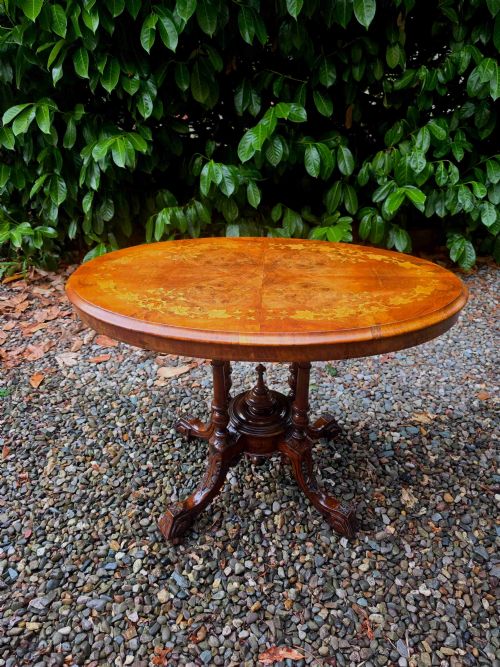
The form spans lamp tables, Sutherland tables, and oval centre tables, utilising rich burr walnut veneers combined with marquetry or parquetry decoration.
These pieces emerge across the nineteenth and early twentieth centuries, reflecting diverse regional tastes from English vernacular workshops to continental revival studios.
How They Were Made
Cabinetmakers constructed these tables using solid walnut frameworks overlaid with carefully selected burr walnut veneers to create highly figured top surfaces.
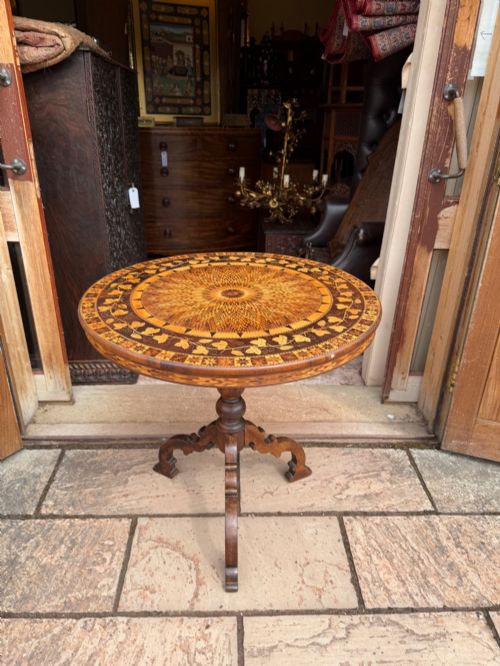
Decorative surface patterns rely on marquetry inlay, incorporating contrasting woods like fruitwood and rosewood, sometimes accented with brass or ormolu mounts.
Inlaid Walnut Occasional Table Retail Price Guide 2026
Typical asking prices for inlaid walnut occasional table among the pieces listed under this phrase on Sellingantiques today, from the lower quarter to the upper quarter. They describe what is for sale here now, not the wider market.
The listings show nineteenth century production dominated by Victorian burr walnut examples alongside French and Italian marquetry pieces.
What Varies in Quality
The distinction between ordinary and exceptional pieces rests on the depth of the burr walnut grain and the precision of the marquetry cutting.
Fine examples display harmonious proportions, crisp botanical or geometric inlay work, and robust structural joinery that withstands daily use.
JAS Shoolbred
The Inlaid Walnut Occasional Table Glossary
- Burr Walnut
- A specialised wood cut from walnut tree growths, producing swirling, highly decorative grain patterns prized for table tops.
- Marquetry Inlay
- The art of applying small pieces of veneer to a structural surface to form elaborate pictorial or geometric designs.
- Parquetry
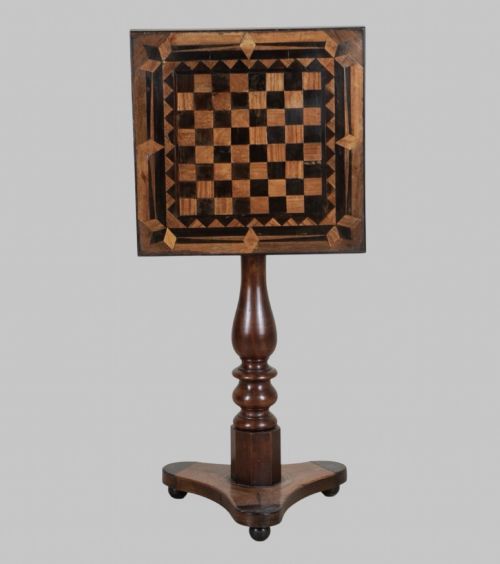
- A geometric mosaic of wood pieces used for decorative surface patterns, frequently seen on table tops.
- Ormolu
- Gilt bronze ornamentation applied to furniture, adding metallic highlights to French and English designs.
- Sutherland Table
- A narrow drop-leaf table with folding flaps supported by pivoting gate legs, designed to save space.
Inlaid Walnut Occasional Table: Frequently Asked Questions
What is an occasional table?
An occasional table is a small, movable piece of furniture designed to serve a specific, intermittent function in a principal room. These versatile surfaces easily shift from holding a reading lamp to supporting tea service.
Historically, nineteenth century households used them flexibly across drawing rooms and parlours. Their modest proportions allowed owners to place them wherever an extra surface was required.
How do I identify burr walnut?
Burr walnut exhibits distinctive, swirling grain patterns filled with small knots and organic irregularities. This figuring comes from specific growths on the tree, making each cut unique.
Cabinetmakers reserved these prized veneers for the most prominent surfaces of nineteenth century tables. The resulting visual texture sets burr walnut apart from straight-grained timber.
Where should I place this table?
These tables suit placement beside sofas, beneath windows, or as central lamp stands in a sitting room. Their compact footprints allow them to anchor small spaces without overwhelming the room.
Keep them away from direct heat sources and strong sunlight to protect the fragile walnut veneers and inlay work from drying out.
How do I date these tables?
Dating relies on examining construction methods, timber choices, and stylistic cues such as Victorian revival motifs or Edwardian proportions. Secondary woods used beneath the surface often provide clues to origin and age.
Nineteenth century pieces frequently display hand-cut dovetails and traditional joinery techniques distinct from later mass-produced alternatives.