


19th Century Italian Table
A 19th century Italian table brings classical warmth, intricate marquetry and structural drama into a room.
19th Century Italian Table
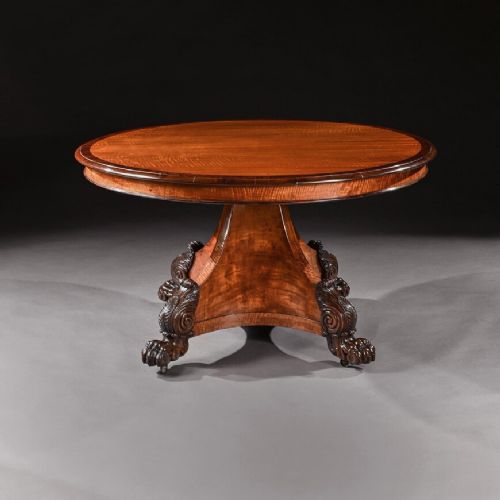
When searching for a 19th century Italian table, buyers encounter a diverse selection ranging from grand console tables designed for wall placement to circular centre tables meant to anchor a room.
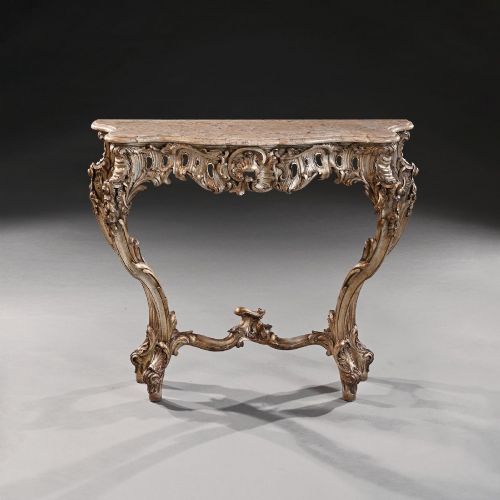
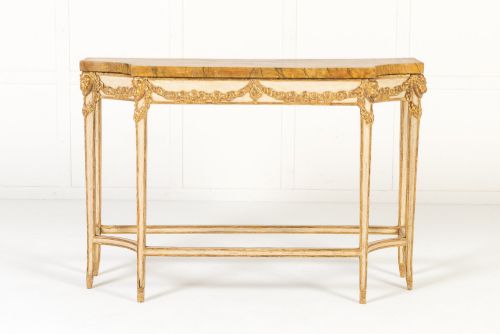
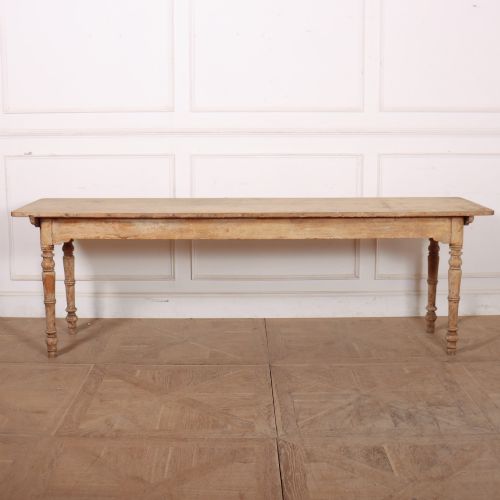
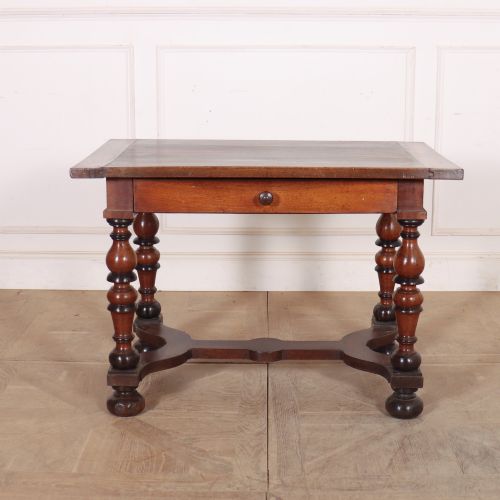
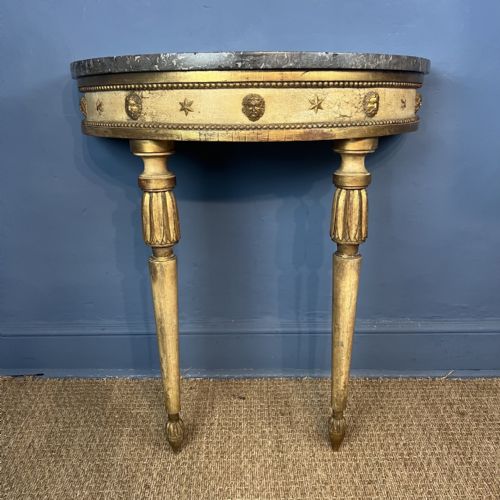
The inventory includes specialised forms such as Sorrento inlaid occasional tables, heavy walnut refectory and drapers tables, and giltwood console tables topped with shaped marble.
These pieces reflect regional Italian craftsmanship from the eighteen-hundreds, drawing on neoclassical, baroque and revival styles to create functional surfaces that double as works of art.
How they were made
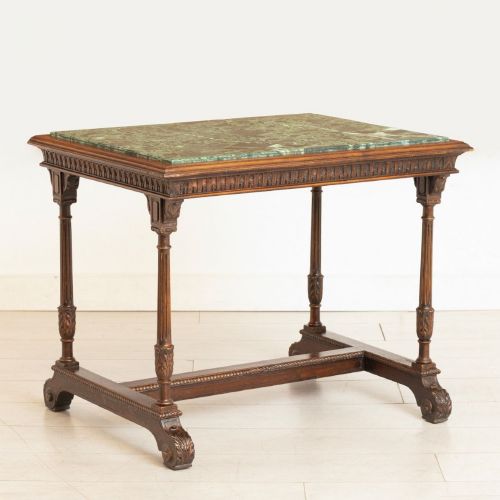
Carpenters utilised rich timbers including European walnut, mahogany, olivewood, satinwood and rosewood, often building robust carcases designed to support heavy stone elements.
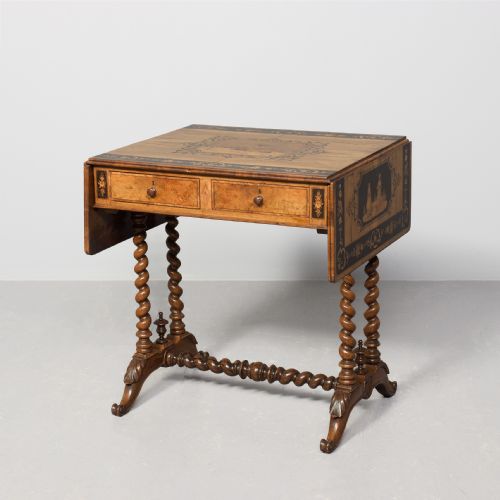
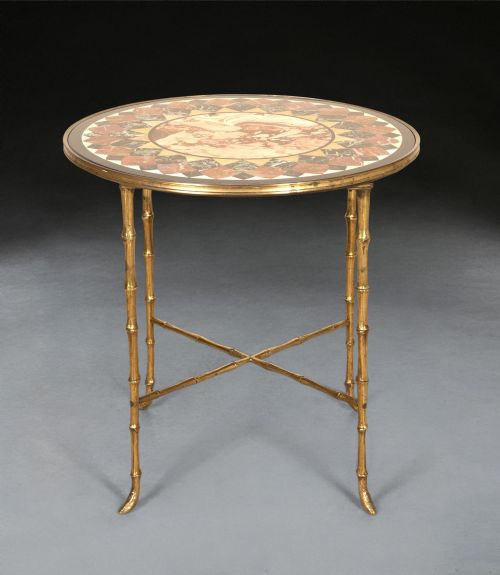
Surface decoration defined much of the production, utilising intricate marquetry, parquetry, olivewood inlays and pietra dura work alongside giltwood, gold leaf, and hand-painted finishes.
Many tables incorporate inset slabs of marble, alabaster or specimen stone, requiring precise stonemasonry to fit the wooden frames of console and occasional tables.
19th Century Italian Table Retail Price Guide 2026
Typical asking prices for 19th century italian table among the pieces listed under this phrase on Sellingantiques today, from the lower quarter to the upper quarter. They describe what is for sale here now, not the wider market.
Recorded styles span from Italian Neoclassical and Baroque Revival to Victorian interpretations and intricate Sorrento marquetry.
What varies in quality
The standard of a 19th century Italian table rests upon the precision of its timber inlays and the sculptural depth of its carved elements, such as giltwood dolphins or grotto work.
Execution of secondary details, from parcel gilt highlights to the structural integrity of heavy walnut bases, separates workshop production from standard commercial output.
Peters of Genoa·Richard Ginori
The 19th Century Italian Table Glossary
- Console table
- A table designed to stand against a wall, frequently supported by ornate brackets, legs or sculptural figures rather than standard four-legged framing.
- Pietra dura
- An artistic technique using cut and fitted polished coloured stones to create pictorial designs on tabletops and decorative panels.
- Marquetry
- The art of applying pieces of veneer to a structure to form decorative patterns, widely seen on Sorrento and occasional tables.
- Gueridon
- A small circular table supported by a central column or figures, popular for displaying decorative objects in nineteenth-century interiors.
- Specimen marble
- A tabletop composed of various geometric or arranged fragments of different coloured marbles, often collected during the Grand Tour.
19th Century Italian Table: Frequently Asked Questions
Where should a console table go?
A console table fits naturally against a blank hallway or living room wall, often paired with a mirror above to create a focal point.
Because these pieces were designed for display, placing them in prominent reception areas allows their carved wood and marble tops to be fully appreciated.
How do I care for marble tops?
Stone surfaces require gentle cleaning with mild soap and water, avoiding acidic substances that can etch polished marble over time.
Regular dusting keeps the porous stone and surrounding wooden frames safe from abrasive particle buildup.
What is a Sorrento table?
Sorrento tables originate from the town of Sorrento in southern Italy, renowned for intricate wood mosaic and inlay work.
These pieces feature elaborate geometric patterns and pictorial scenes created using varied natural wood veneers.
How are walnut and giltwood distinguished?
Walnut pieces display the natural grain and warm tones of the hardwood, often shaped into classical revival or baroque silhouettes.
Giltwood tables apply a layer of gold leaf over carved wood or gesso, creating a reflective, metallic finish typical of formal console designs.