



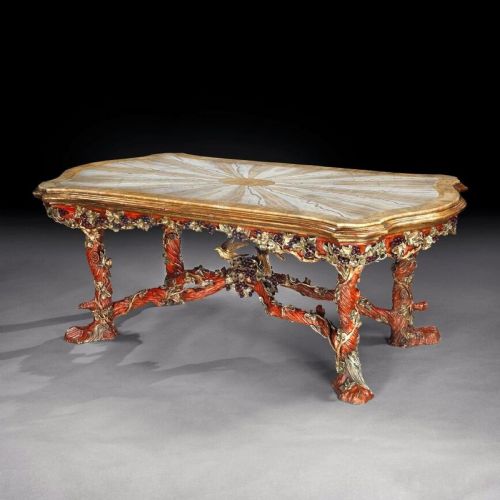
Vintage Marble Top Table
A vintage marble top table brings solid stone and rich timber together in forms that suit everything from a grand hallway to a quiet corner.
What these tables are
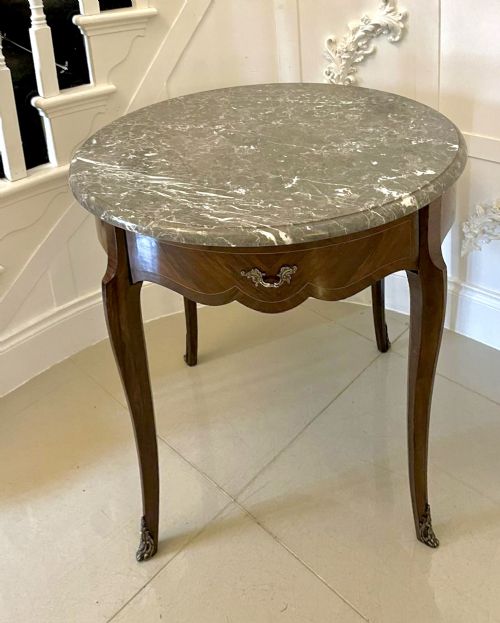
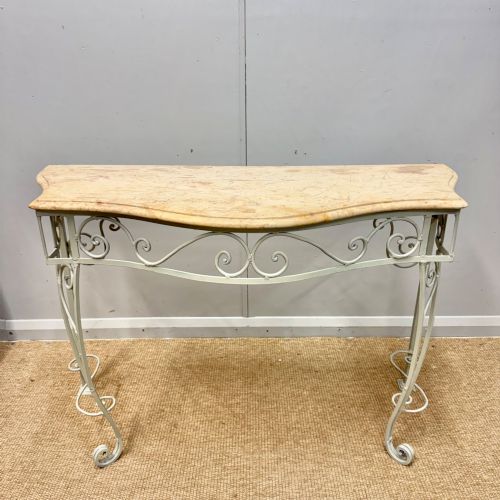
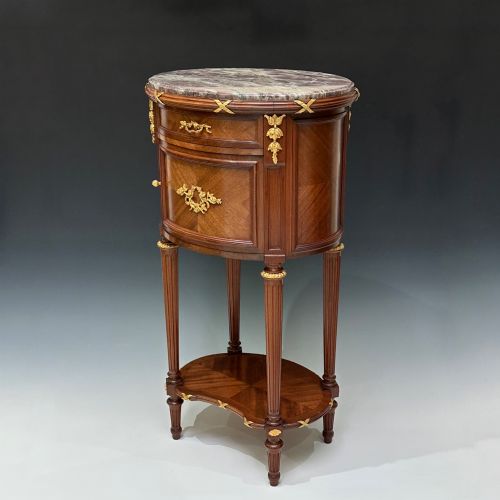
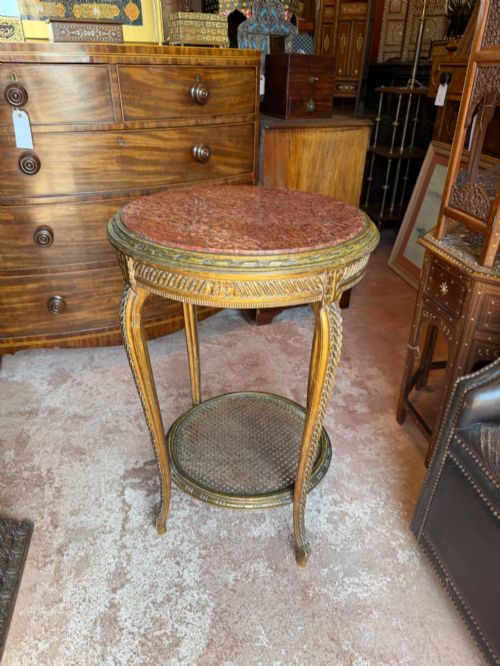
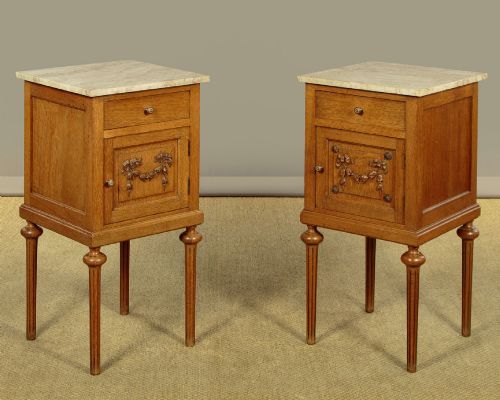
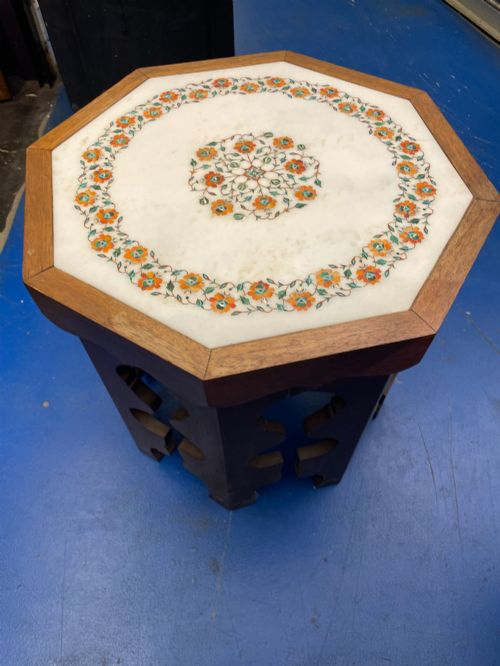
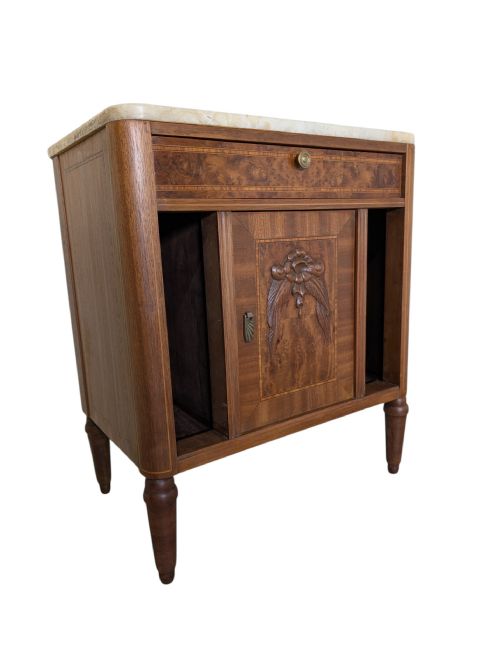
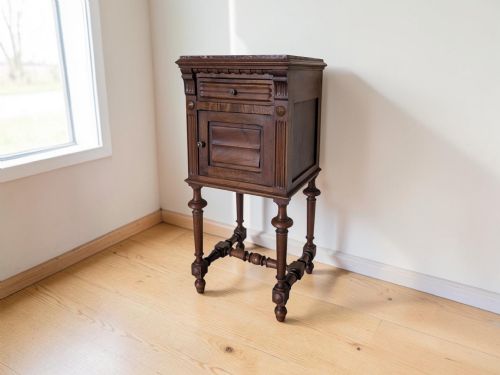
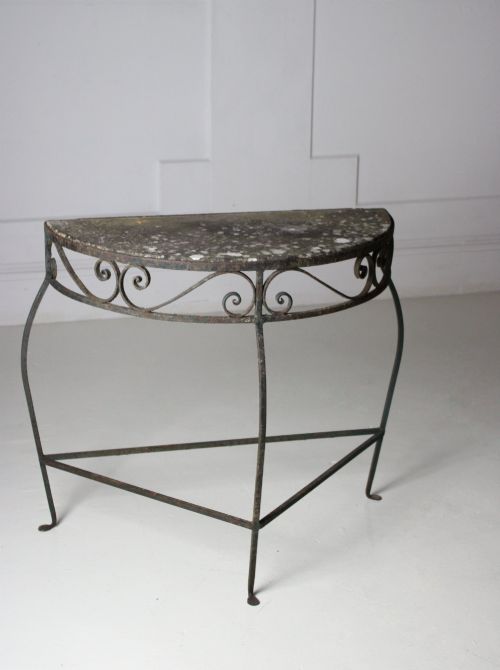
A vintage marble top table spans several centuries of design, covering forms from grand console tables to low coffee tables and compact side tables. These pieces emerge in styles ranging from George II Revival and Louis XVI to Italian Neoclassical and French Chateau aesthetics.
The most common examples on this page are circular coffee tables and side tables, often supported by timber frames. Originating from periods including the eighteenth and nineteenth centuries as well as the 1920s and 1930s, each piece combines a stone surface with a wooden base.
How they were made
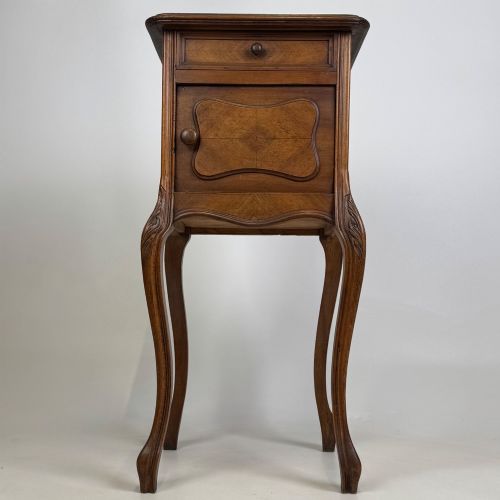
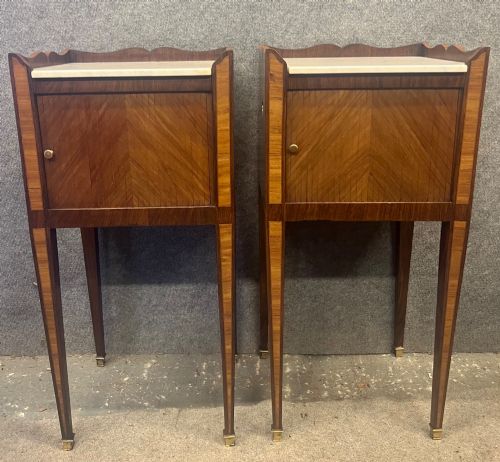
Construction relies on combining heavy stone with timber frames made from walnut, mahogany, fruitwood inlay, and satinwood. Artisans shaped these woods into structural supports while mounting heavy marble slabs directly onto the upper frames.
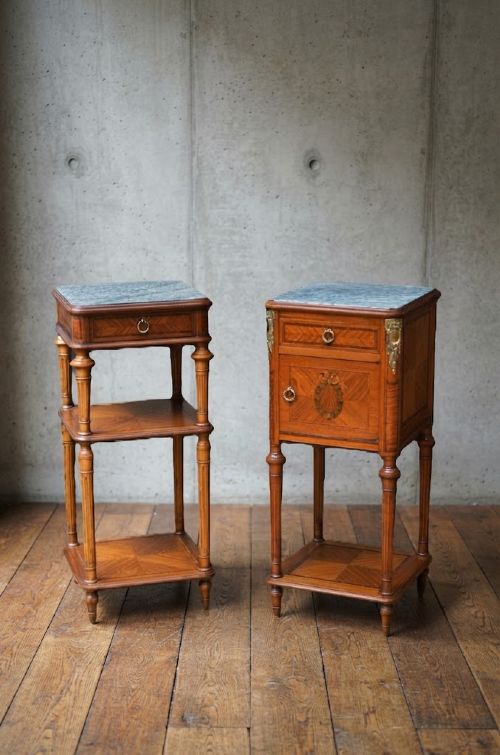
Decorative metal elements such as ormolu and brass frequently appear as mounts, feet, or accents. Parquetry and fruitwood inlay add geometric patterns to the wooden surfaces, complementing the natural veining of the marble above.
Retail Price Guide 2026
Typical UK retail prices for vintage marble top table, calculated from the Sellingantiques database of over a million retail prices indexed since 2003. This retail price guide relies exclusively on Sellingantiques data; no external sources or auction records are used, so the figures do not describe the wider market.
The current selection includes pieces spanning the eighteenth and nineteenth centuries alongside items from the 1920s and 1930s.
What varies in quality
Quality rests in the relationship between the weight and type of the marble and the precision of the underlying woodwork. Finer tables feature select stones such as purple marble paired with intricate parquetry or delicate ormolu mounts rather than plain timber.
The refinement of the carving and inlay work distinguishes standard items from exceptional examples. Structural integrity in the joints and the careful matching of wood veneers dictate the longevity and overall presence of the table.
The Vintage Marble Top Table Glossary
- Marble
- A metamorphic rock prized for its smooth surface and natural veining, forming the primary tabletop material across these listings.
- Parquetry
- A geometric mosaic of wood pieces used for decorative surfaces, seen on satinwood lamp tables here.
- Ormolu
- Gilded bronze applied as decorative mounts and accents on furniture frames, frequently paired with classical designs.
- Console Table
- A wall-mounted or freestanding table designed to stand against a vertical surface, represented here by eighteenth-century examples.
- Satinwood
- A durable, lustrous timber from tropical trees utilised for fine cabinetmaking and decorative inlay work.
Frequently Asked Questions
How do I clean a marble top?
Wipe the stone surface gently with a soft cloth and warm water to remove dust and daily marks. Avoid acidic cleaners that can etch the polished finish over time.
Dry the surface thoroughly after cleaning to prevent water spots from settling into the natural grain of the stone.
Can these tables handle daily use?
The combination of heavy stone and solid timber creates a sturdy piece suitable for everyday placement in a living room or hallway. Using coasters helps protect both the polished stone and the underlying wooden frame from moisture.
Positioning the table away from direct heat sources keeps the wood stable and prevents the joins from drying out.
What styles are available?
Listings feature items spanning George II Revival, Louis XVI, Italian Neoclassical, and French Chateau designs. These styles incorporate distinct decorative elements like brass lion paw feet or geometric fruitwood inlay.
Each period brings its own proportion and detailing to the basic combination of a stone top and a wooden base.
Are the tabletops removable?
Many marble slabs rest securely within the wooden frame under their own considerable weight rather than being permanently fixed. This allows for easier transport and careful maintenance of both the stone and the timber base.
Lifting the stone requires adequate help due to the heavy nature of the material.