


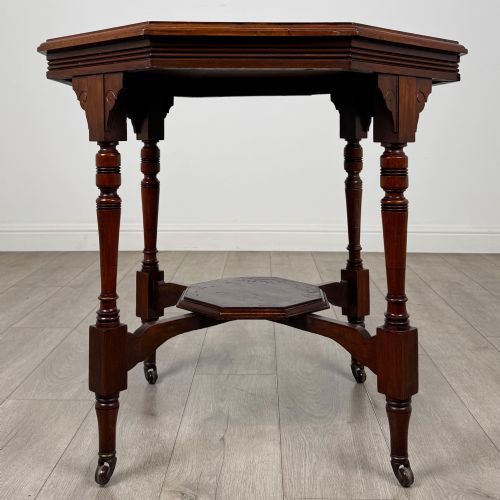
Turned Leg Lamp Table
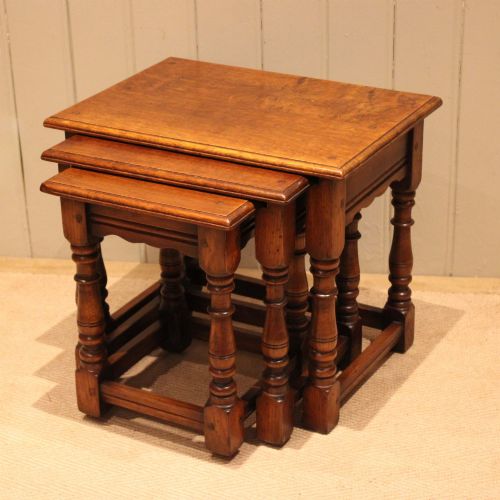
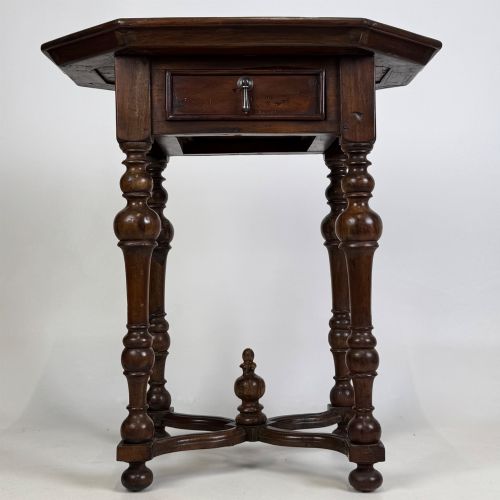
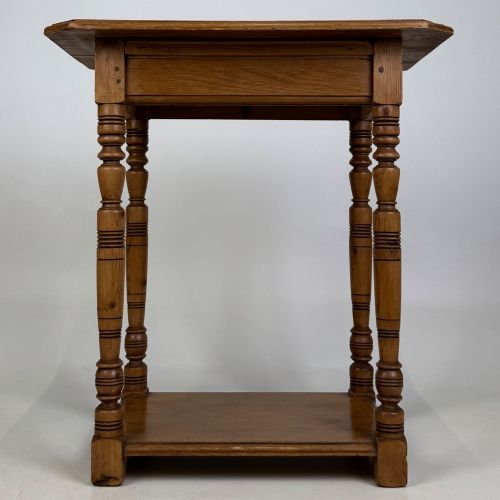
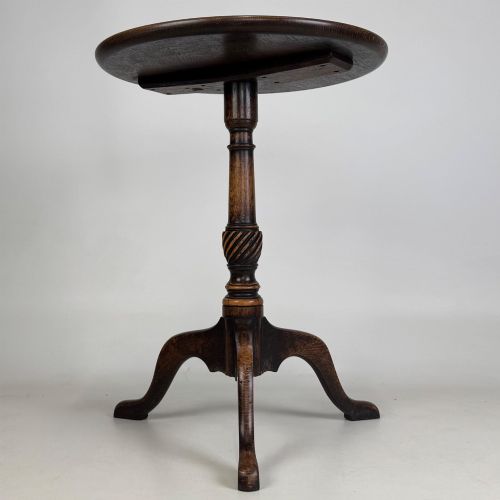
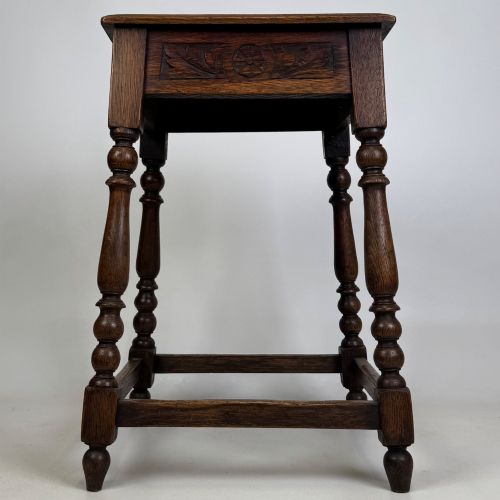
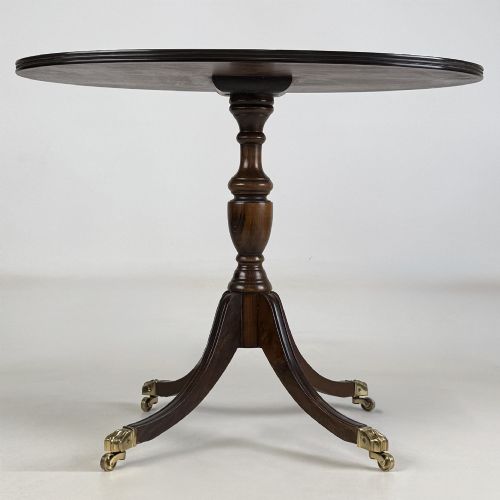
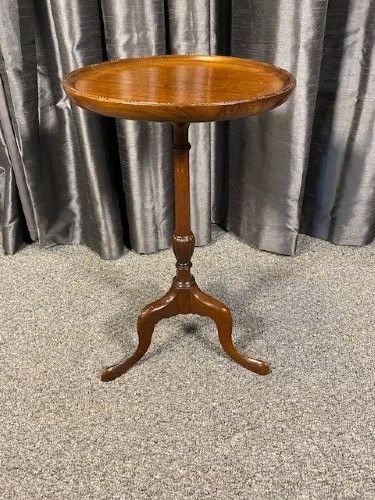
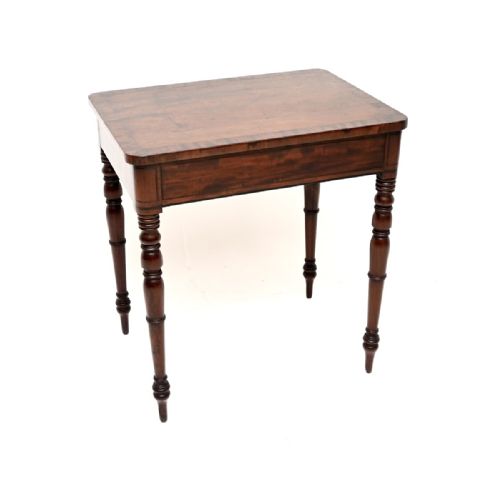
These turned leg lamp table pieces bring small-scale utility and period character to any room, offering versatile surfaces built from timber.
What They Are
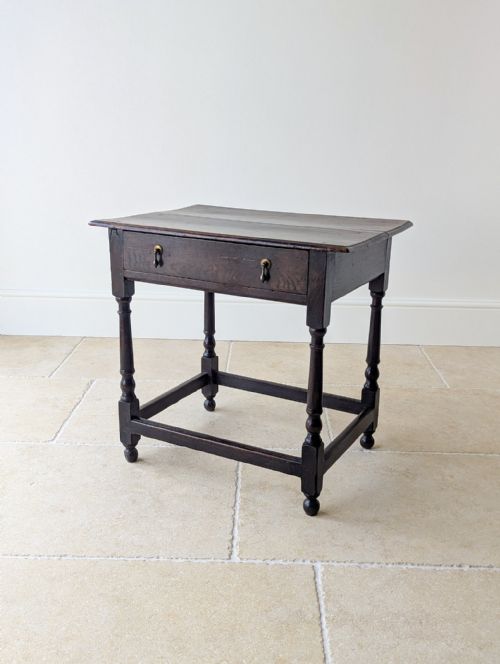
When you search for turned leg lamp table items, you encounter side tables and occasional tables designed for practical placement around a room. These smaller surface forms appear across several periods, including the eighteenth century, nineteenth century, and early twentieth century.
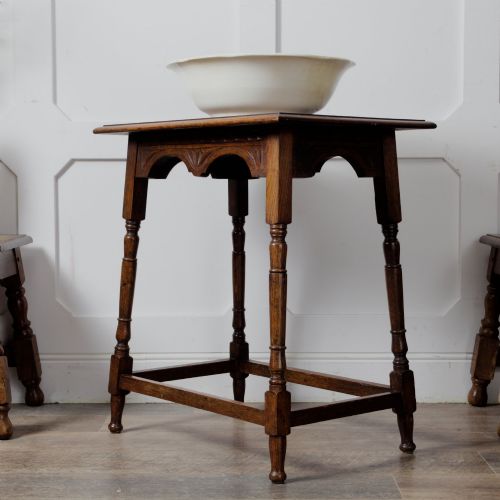
The pieces on this page span diverse stylistic traditions, moving between English country, Jacobean revival, Louis XVI, French chateau, and Victorian aesthetics. You meet versions finished in plain timber as well as painted wood.
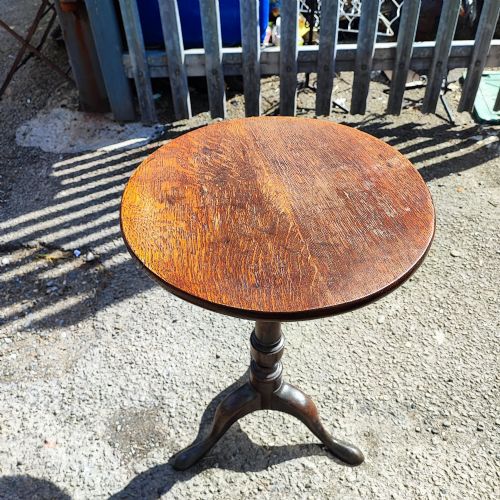
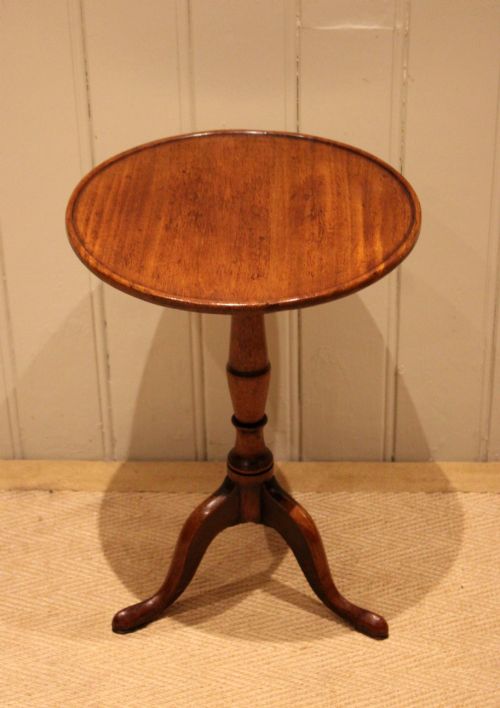
Makers utilised various secondary forms like work tables or tripod swept leg variants alongside standard occasional tables. Walnut, mahogany, oak, yew wood, and satinwood all form the structural basis of these items.
How They Were Made
Craftsmen built these tables using solid timbers such as oak, yew wood, mahogany, and walnut, often shaping supports with a turned lathe. Decorative surfaces incorporated parquetry and intricate inlay work alongside painted finishes.
Selected examples integrate brass or ormolu mounts to accent the woodwork. Tabletops occasionally feature inset marble panels paired with wooden frames.
Retail Price Guide 2026
Typical UK retail prices for turned leg lamp table, calculated from the Sellingantiques database of over a million retail prices indexed since 2003. This retail price guide relies exclusively on Sellingantiques data; no external sources or auction records are used, so the figures do not describe the wider market.
Some tables come with tiny built-in work bags or compartments for your secret stash of nineteenth-century embroidery floss.
What Varies in Quality
The hierarchy of quality rests upon the selection of timber, ranging from standard painted wood to figured satinwood, walnut, and mahogany. More elaborate examples elevate themselves through parquetry, inlay, ormolu, or marble additions.
Execution of the turned legs and stability of the joined frame dictate the structural integrity of each piece. Finer items demonstrate superior joinery and balanced proportions between the top and the supporting base.
The Turned Leg Lamp Table Glossary
- Occasional table
- A small, movable table designed for light, specific uses rather than primary dining. These pieces fit easily beside seating arrangements.
- Parquetry
- Geometric wood mosaic work used for decorative tabletops. Artisans piece together contrasting timbers to form patterns.
- Ormolu
- Gilt bronze mounts applied to furniture for decorative effect. This technique appears on French-influenced pieces.
- Tripod swept legs
- Three curved legs radiating from a central turned column. This configuration provides stable support for small round tables.
Frequently Asked Questions
What is a turned leg lamp table?
These pieces are small tables featuring lathe-turned wooden legs, designed to hold lamps or small objects.
They function as versatile side or occasional tables across different historical periods.
How were these tables used historically?
Historically, they provided convenient surfaces next to seating for lighting, books, or decorative items.
Their compact size allowed servants to move them easily around rooms as needed.
What materials should I expect?
Construction relies on various timbers including oak, yew wood, mahogany, walnut, and satinwood.
Surface treatments range from simple paint and plain wood to marble tops, ormolu mounts, and parquetry.
How do I date these tables?
Dating relies on stylistic clues, construction methods, and the specific timber choices characteristic of periods like the eighteenth century or Victorian era.
Revival styles can sometimes blend historical aesthetics with later manufacturing dates.