
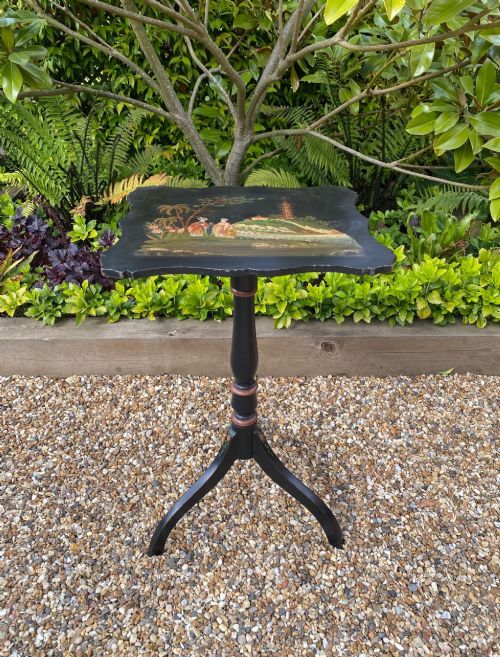

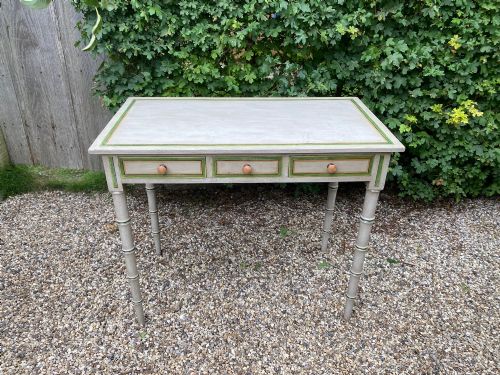
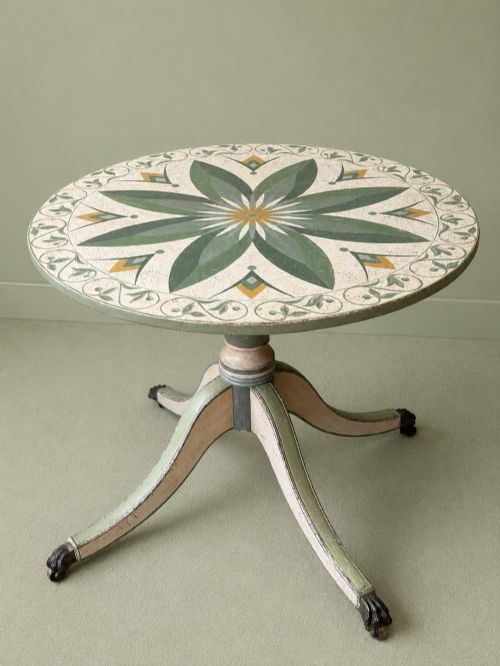
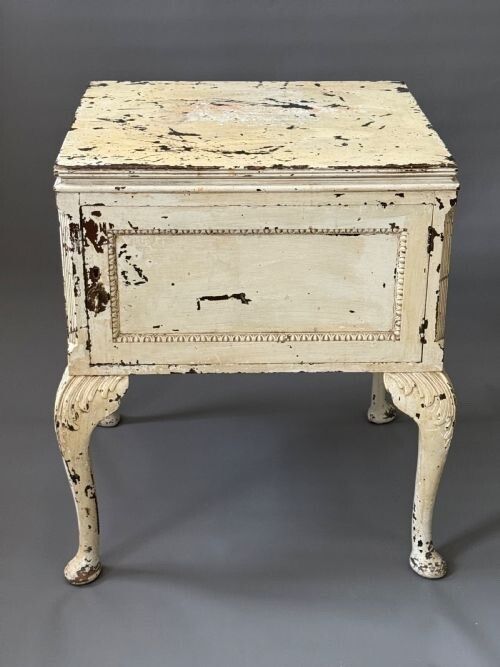



Georgian Painted Side Table
A georgian painted side table brings colour and character into a room through hand-applied ornament on timber.
Georgian Painted Side Table
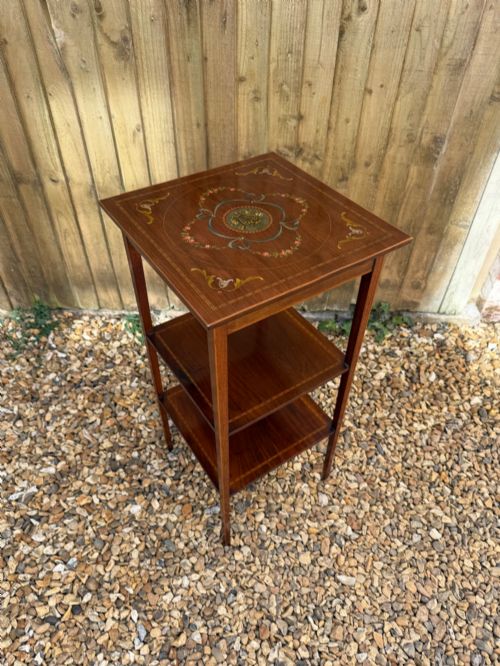
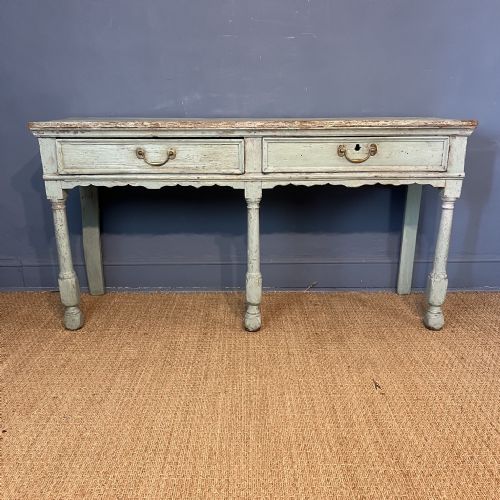
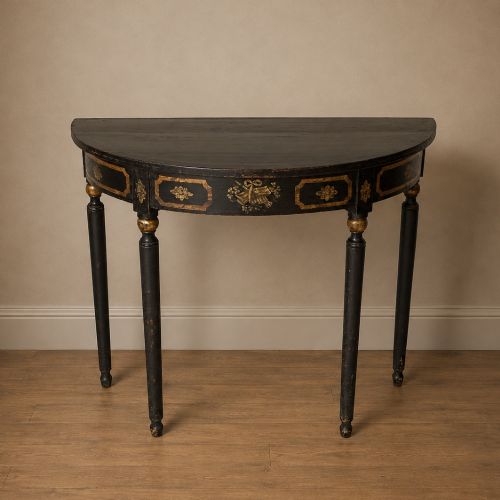
A georgian painted side table appears most often in pine, mahogany, or satinwood, carrying decorative surfaces ranging from floral patterns to geometric motifs. These pieces serve practical functions in hallways, bedrooms, and reception rooms while providing a distinct visual anchor.
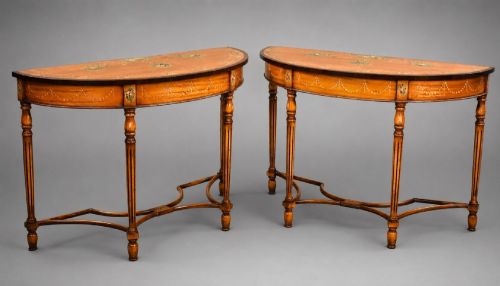
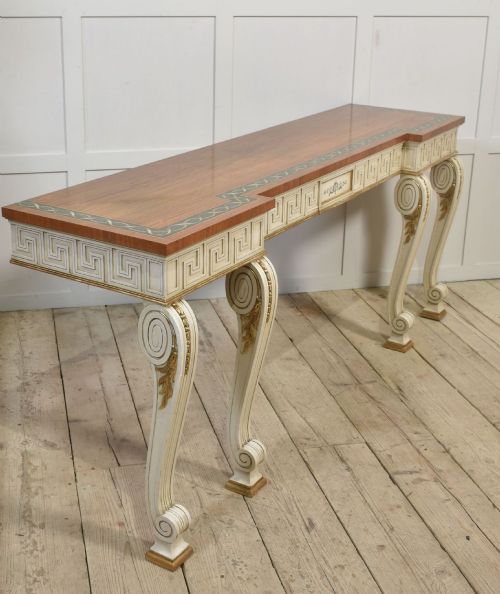
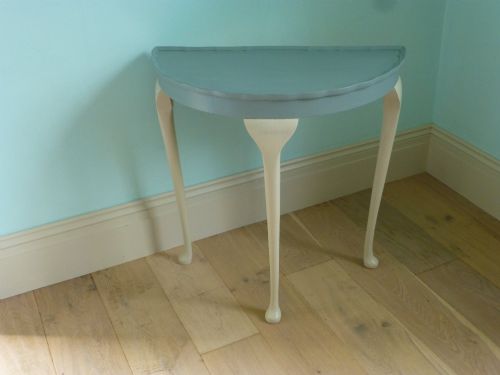
The selection includes compact occasional tables, demi-lune console tables, and bedside cabinets spanning the eighteenth century through later revival periods. Buyers encounter both original decorative schemes and later painted interpretations applied to earlier timber frames.
How they were made
Joiners constructed the foundational carcases using traditional timbers like pine, oak, and mahogany, sometimes employing finer woods such as satinwood for veneer and detail work. Surfaces were prepared and finished with traditional paint formulations, often embellished with gold leaf or hand-rendered ink work.
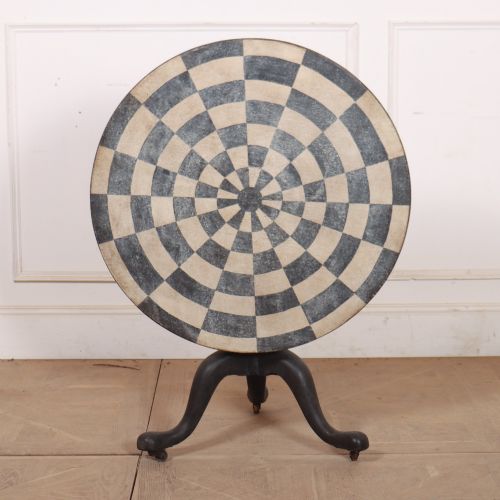
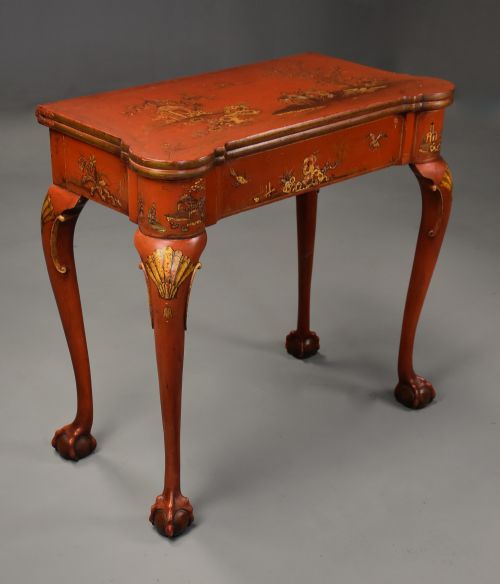
Decorative schemes rely on specific historical techniques, including lacquering for Chinoiserie designs, trompe l'oeil effects, and delicate floral or geometric brushwork. Many examples combine painted decoration with inlaid woodwork or parcel-gilt highlights to enhance the visual depth of the piece.
Georgian Painted Side Table Retail Price Guide 2026
Typical asking prices for georgian painted side table among the pieces listed under this phrase on Sellingantiques today, from the lower quarter to the upper quarter. They describe what is for sale here now, not the wider market.
Materials recorded across the inventory include pine, mahogany, satinwood, oak, brass, and gold leaf applied to timber bases.
What varies in quality
The integrity of the underlying timber construction and the precision of the joinery set the structural standard for each piece. Stable frames, well-fitted drawers, and solid timber joints distinguish superior examples from simpler utilitarian items.
The artistry and preservation of the painted surface dictate the aesthetic value. Finely executed brushwork, well-maintained original pigments, and sophisticated decorative motifs elevate a table above standard decorative pieces.
Edwards & Roberts
The Georgian Painted Side Table Glossary
- Chinoiserie
- European decorative style reflecting Chinese artistic traditions, typically executed in lacquered finishes with painted figures or landscapes. This technique appears on cabinets and occasional tables.
- Pembroke table
- A small occasional table with hinged drop leaves on either side and often a single drawer. These tables were utilised for writing, sewing, or serving tea.
- Parcel-gilt
- Woodwork partially decorated with gold leaf applied over a prepared base layer. This method highlights carved details and architectural mouldings on console and side tables.
- Trompe l'oeil
- An artistic technique designed to create an optical illusion of three-dimensional depth on a flat surface. Examples in these listings include painted geometric and architectural details.
Georgian Painted Side Table: Frequently Asked Questions
Are these tables painted originally?
The evidence shows a mix of original decorative surfaces and later painted finishes applied to period timber frames. Some pieces retain their eighteenth or nineteenth-century schemes, while others received decorative updates during subsequent revival periods.
Examination of the pigment, wear patterns, and underlying wood helps determine the age of the decoration relative to the table itself. Both original and later painted surfaces hold distinct places in the history of these furnishings.
Where do I put a console table?
Demi-lune and console tables suit narrow spaces such as hallways, landings, or entryways where floor space is limited. Their flat backs allow them to rest securely against a wall beneath mirrors or artwork.
They also function effectively in reception rooms as display surfaces for lamps, ceramics, or decorative objects without dominating the room's layout.
How do I care for painted wood?
Painted timber requires protection from direct sunlight and extreme humidity fluctuations to prevent the surface from fading or cracking. Dusting with a soft, dry cloth preserves the delicate pigments and varnishes.
Avoid chemical polishes or abrasive cleaners, which can strip historic paint layers and modern finishes alike. Gentle maintenance ensures the decorative brushwork remains intact for years to come.