




Distressed Blue Side Table
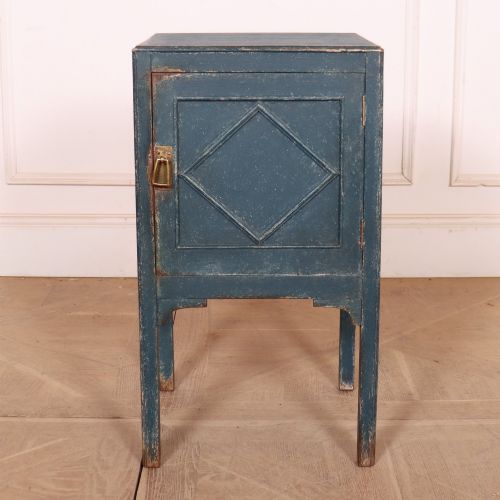
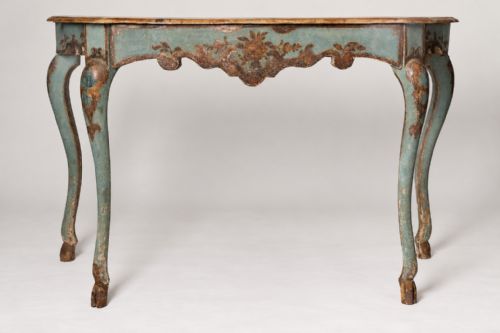
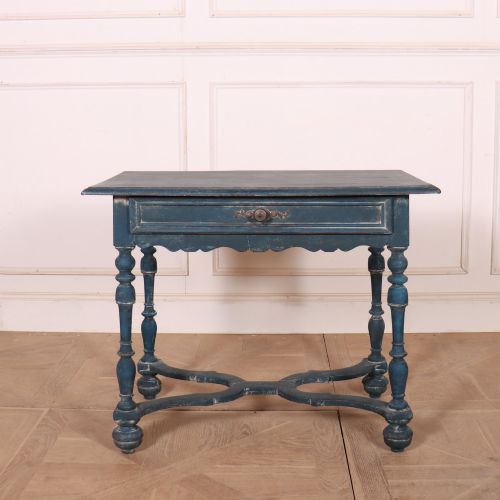
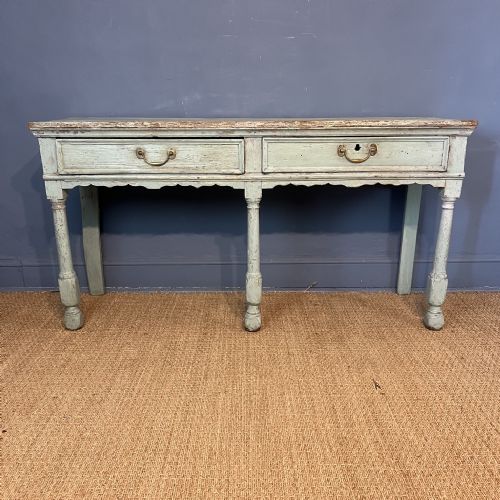
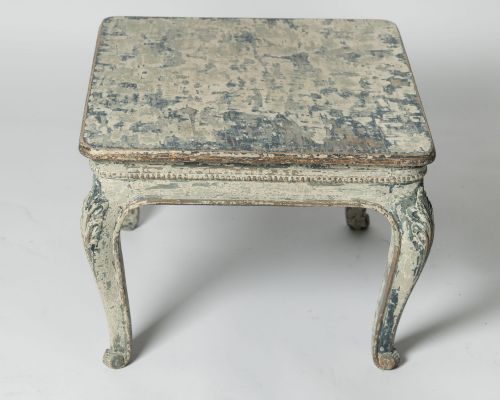
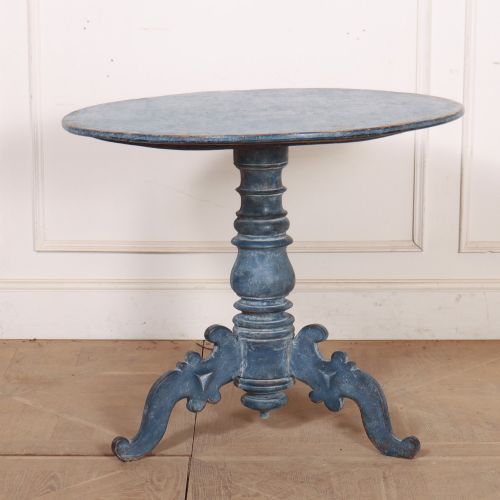
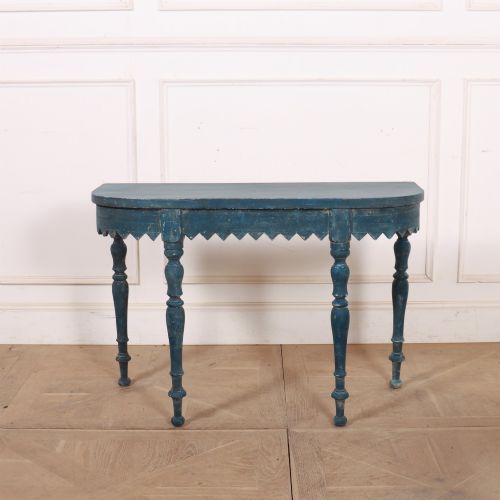
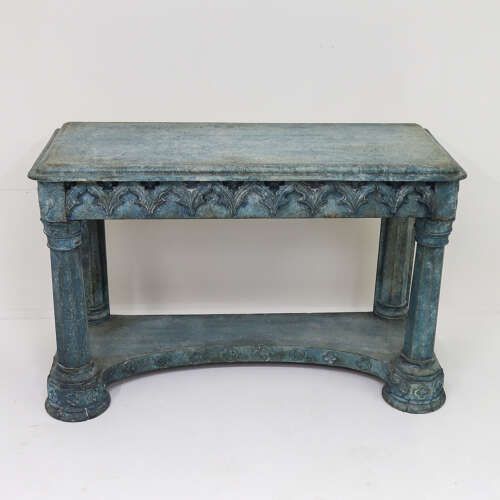
A distressed blue side table brings aged character and painted charm into a room, offering both practical surface space and distinct historic presence.
Distressed Blue Side Table
When you search for a distressed blue side table, you encounter an array of painted occasional pieces, lamp tables, and console tables spanning from the eighteenth century into the early twentieth century. These items derive primarily from English country houses and Scandinavian workshops, where utilitarian pine and timber received coats of paint over generations.
The version you are most likely to meet on this page is a nineteenth-century painted pine side table or lamp table, often bearing the marks of rustic or country traditions. Alongside these, French provincial and Gustavian influences appear, ranging from simple occasional tables to marble-topped gueridons and console tables.
Forms vary from small bedside cabinets and cricket tables to larger console and serving tables, reflecting the diverse domestic roles these painted items fulfilled. Their origins stretch across England, Sweden, France, and Italy, uniting under a shared aesthetic of aged blue paint surfaces and timber construction.
How they were made
Makers utilised solid pine and timber to construct the foundational carcases of these tables, often employing traditional joinery suited for daily utility in country houses and bakeries. The structural elements rely on straightforward framing, sturdy legs such as spider legs or trestles, and occasional drawer assemblies.
Surfaces were finished with paint, creating the characteristic blue tones that define the group over decades of wear and re-painting. Selected French pieces incorporate marble tops, introducing a contrasting stone element to the painted wood bases.
Distressed Blue Side Table Retail Price Guide 2026
Typical asking prices for distressed blue side table among the pieces listed under this phrase on Sellingantiques today, from the lower quarter to the upper quarter. They describe what is for sale here now, not the wider market.
Form variations include lamp tables, console tables, dresser bases, and gueridons incorporating marble surfaces.
What varies in quality
The distinction between ordinary and exceptional examples lies in the integrity of the original painted surface and the subtlety of the colour. Tables retaining genuine historic paint layers demonstrate a depth and character that modern repainting simply cannot replicate.
Proportion and form also determine distinction, separating simple utility items from pieces designed in specific stylistic traditions like the Gothic taste or Gustavian classicism. Finer construction details, such as well-proportioned bow ends or integrated marble tops, elevate specific console and lamp tables above standard workshop output.
The Distressed Blue Side Table Glossary
- Gueridon
- A small French table, often round and supported by a central pillar or column, used for lamps or display.
- Console table
- A table designed to stand flat against a wall, frequently featuring decorative brackets or legs.
- Cricket table
- A small, lightweight English table traditionally featuring three legs and a circular wooden top.
- Drop leaf table
- A table with hinged flaps on either side that can be folded down or raised to save space.
- Dresser base
- The lower section of a traditional dresser, comprising cupboards and drawers beneath a flat serving surface.
Distressed Blue Side Table: Frequently Asked Questions
Where should I place a side table?
These painted tables sit comfortably beside a sofa, in a hallway as a console, or serving as a bedside cabinet. Their compact proportions allow them to fit into corners and smaller spaces where surface space is needed.
Position them away from direct heat sources to protect the aged wood and painted surfaces from drying out. A lamp or a small ceramic piece sits well on the top surface without cluttering the historic finish.
How do I clean painted wood?
Dust the surface regularly with a soft, dry cloth to prevent dirt accumulation on the painted finish. Avoid harsh chemical cleaners or abrasive pads that can strip away historic layers of paint.
Should moisture touch the wood, wipe it away promptly with a gentle cloth. Preserving the original character relies on minimal intervention and gentle maintenance.
Are these tables sturdy enough for daily use?
Constructed from solid pine and timber, these pieces were originally built for practical tasks in country houses, kitchens, and bakeries. Their robust frames handle everyday items like lamps, books, and decorative objects with ease.
Periodic checking of joints ensures the tables remain stable over time. Even with their antique status, they function reliably in modern living spaces.
How can I tell the period?
Dating relies on construction methods, timber choice, and the characteristics of the paint surface. Eighteenth-century examples often display hand-sawn boards and older joinery techniques, while nineteenth-century pieces reflect broader industrial or regional country styles.
Stylistic cues, such as Gothic revival details or Gustavian proportions, also point toward specific decades. Comparing the wear patterns with known period examples helps confirm the age.