






Gustavian Style Side Table
These pale, elegant pieces bring a distinct Scandinavian restraint to a room, and a gustavian style side table fits neatly beside a sofa or bed.
Gustavian Style Side Table
When you search for a gustavian style side table, you encounter a range of pale painted pieces originating mainly from Sweden, alongside related Scandinavian country and French neoclassical designs. The selection spans the eighteenth century through to the Edwardian era and the early twentieth century.
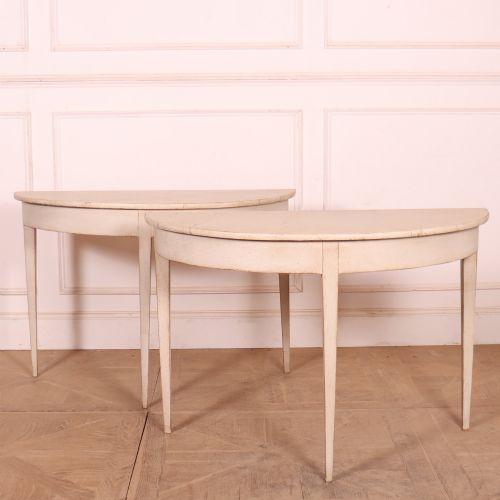
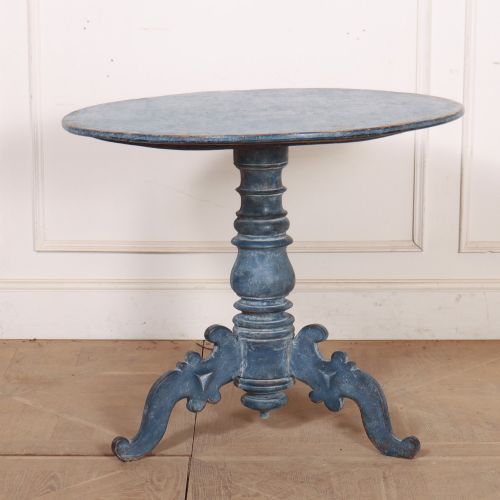
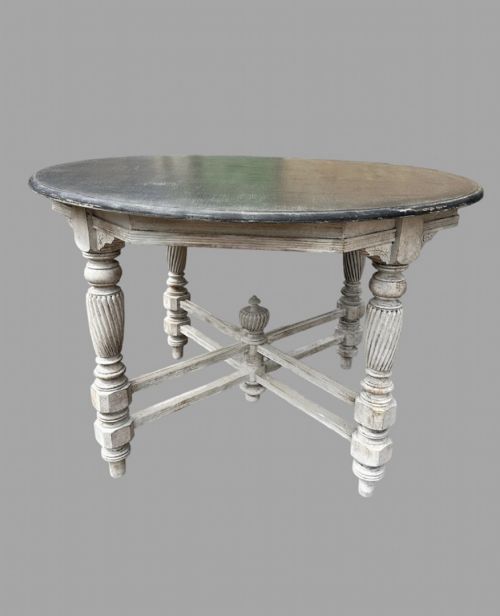
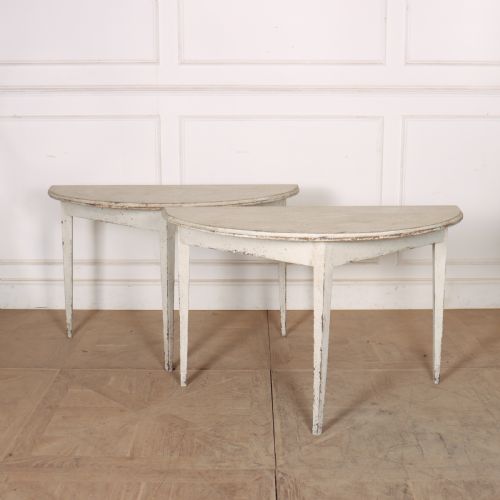
Console tables, demi-lune forms, lamp tables, and occasional tables dominate the items available. Many appear as pairs, particularly the bedside tables and console tables.
The aesthetic draws on neoclassical lines adapted in northern Europe, often featuring soft grey, white, or scraped paint finishes over pine or hardwood carcasses.
Materials and Construction
Pine and general painted wood form the primary structural materials for these tables, complemented by occasional use of oak, gesso, and marble tops. Craftsmen shaped softwood carcasses before applying layered paint finishes.
Surface treatments range from lacquered coats to scraped pine and traditional painted finishes that show the texture of the wood beneath. Brass hardware appears on desks and writing tables within the selection.
Gustavian Style Side Table Retail Price Guide 2026
Typical asking prices for gustavian style side table among the pieces listed under this phrase on Sellingantiques today, from the lower quarter to the upper quarter. They describe what is for sale here now, not the wider market.
Listings span the eighteenth century, nineteenth century, and early twentieth century, incorporating pine, oak, marble, and brass.
Assessing Quality and Execution
The refinement of the carved neoclassical detailing and the handling of the painted surface dictate the standing of an individual table. Finer examples display crisp moulding and considered proportions that reflect formal eighteenth-century sources.
The integrity of the timber beneath the paint and the character of the layered surface finish distinguish simpler rustic pieces from more elaborate console and centre tables.
The Gustavian Style Side Table Glossary
- Demi-lune
- A half-moon shape used frequently for console tables and bedside pieces designed to sit flush against a wall.
- Gesso
- A plaster-like material applied to wood surfaces to provide a smooth base for painting and gilding.
- Scraped pine
- Wood surfaces treated to reveal the grain and earlier layers of paint beneath the current finish.
- Occasional table
- A small movable table intended for specific, flexible uses around a room such as holding a lamp or book.
- Console table
- A table supported by wall brackets or legs, historically designed to stand against a wall.
Gustavian Style Side Table: Frequently Asked Questions
What is a gustavian style side table?
These pieces are small wooden tables finished in pale paint, reflecting the neoclassical aesthetic developed in Sweden during the late eighteenth century and emulated in later periods.
They serve practical functions while introducing light colours and restrained classical proportions to domestic interiors.
How do I use a console table?
Console tables fit flat against a wall in hallways, living rooms, or bedrooms, often paired with a mirror or lamp above.
Their shallow depth makes them suitable for narrow spaces where larger furniture would obstruct movement.
Are these tables antique?
The selection includes pieces from the eighteenth and nineteenth centuries, as well as Edwardian and early twentieth-century interpretations.
Dates range from specific years like seventeen-eighty up to nineteen-twenty, reflecting both original period manufacture and later revivals.
What wood lies under the paint?
Pine serves as the predominant timber for the carcasses of these tables, though oak and general painted wood also appear.
Craftsmen built these items primarily from softwood before applying the characteristic painted finishes.