
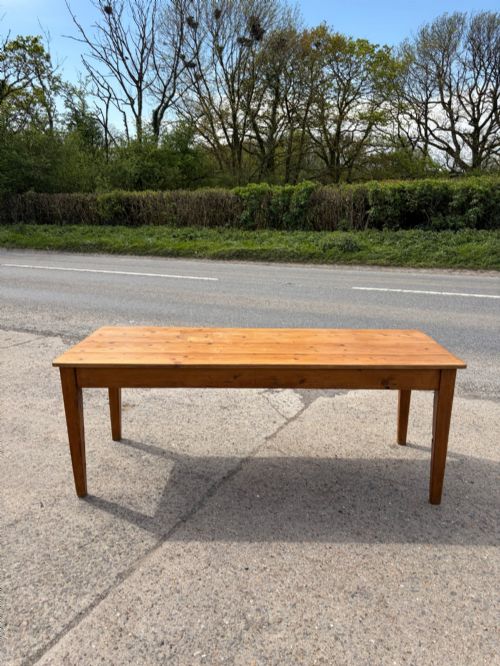
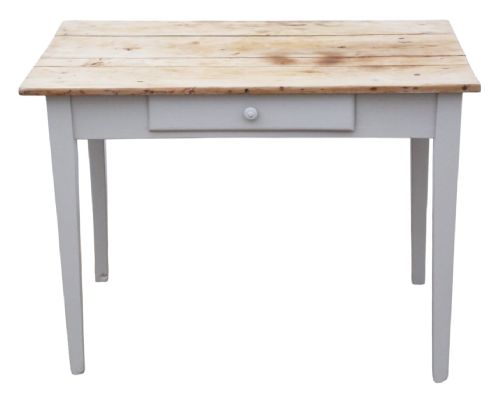


Tapered Leg Pine Table
These tapered leg pine table pieces offer honest utility and warmth, bringing enduring rustic charm into any interior.
Tapered Leg Pine Table
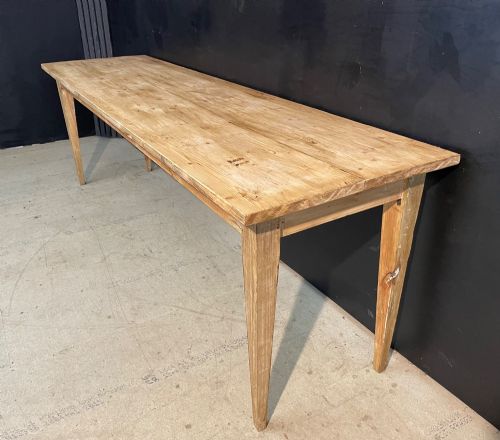
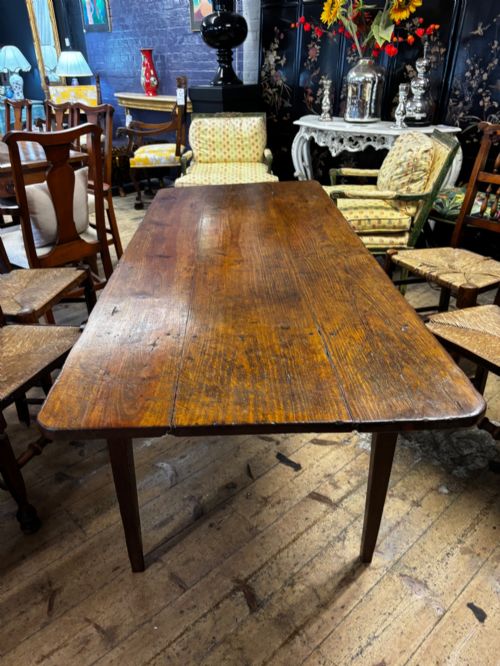
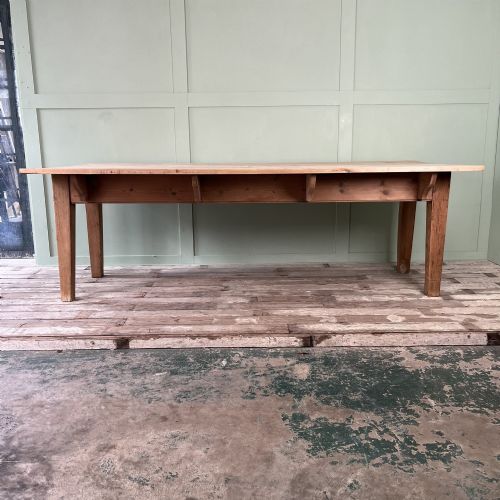
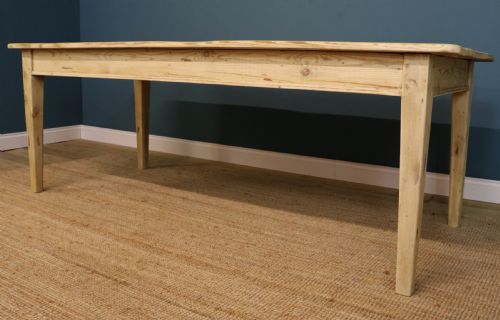
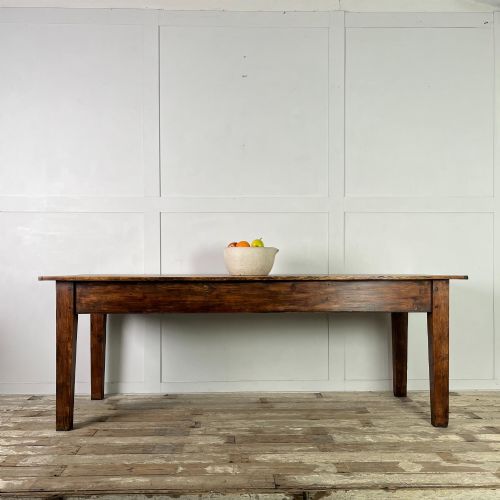
When you search for a tapered leg pine table, you encounter robust utility pieces designed for daily domestic service across kitchens, dining rooms, and workspaces. These objects span the nineteenth century into the early twentieth century, encompassing English, French, and Swedish country house traditions.
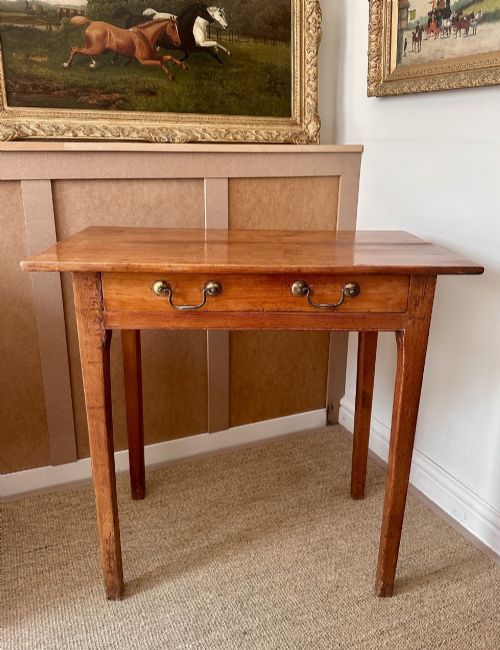
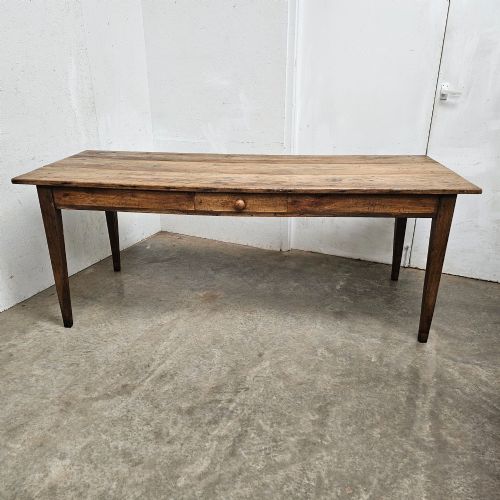
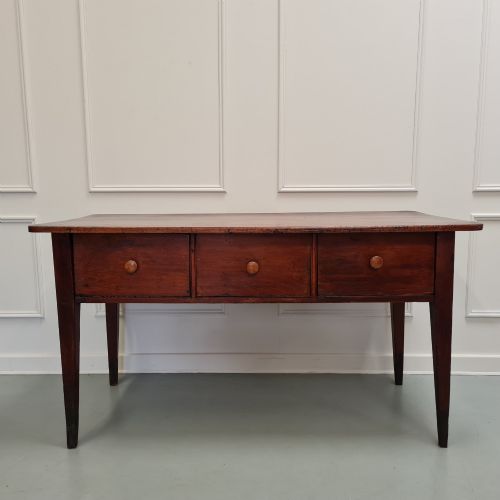
The versions most commonly met on this page include farmhouse dining tables, kitchen tables with single drawers, and side or writing tables. They showcase forms ranging from rustic farmhouse to French provincial styles, shaped by regional workshop practices.
How they were made
Joiners built these tables primarily using solid pine, occasionally pairing timber tops with oak or fruitwood components for structural strength. Surfaces frequently feature scrub-top finishes or painted timber treatments applied over the base wood.
Construction methods rely on traditional joinery techniques, accommodating functional requirements such as front frieze drawers with brass details or plain wooden pulls. Carpenters shaped the timber by hand, resulting in variations across regional workshops.
Tapered Leg Pine Table Retail Price Guide 2026
Typical asking prices for tapered leg pine table among the pieces listed under this phrase on Sellingantiques today, from the lower quarter to the upper quarter. They describe what is for sale here now, not the wider market.
What varies in quality
The distinction between standard utility items and finer examples rests on the selection of timber and the restraint shown in proportions. Tables featuring scrubbed pine tops paired with fruitwood or oak display greater material consideration.
Refinements such as integrated single drawers with clean runners and well-turned or tapered structural supports elevate the work. Surface treatments, from original painted timber to clean scrubbed finishes, determine the visual character of each piece.
The Tapered Leg Pine Table Glossary
- Scrub-top
- A wooden tabletop cleaned repeatedly with soap and water to achieve a pale, smooth surface. This finish is characteristic of nineteenth century kitchen and farmhouse tables.
- Frieze
- The horizontal band running beneath the tabletop, which frequently houses a utility drawer. It provides structural stability to the frame.
- Refectory
- A long dining table traditionally used for communal meals in large institutions or country houses. These forms offer substantial surface area for gatherings.
- Provincial
- Denoting furniture made in regional areas outside metropolitan centres, often reflecting local material availability and vernacular style preferences.
Tapered Leg Pine Table: Frequently Asked Questions
What rooms suit a tapered leg pine table?
These tables find a natural home in kitchens and dining rooms where everyday utility and gathering take place. Their versatile scale also allows them to function effectively as side or writing desks in studies and living spaces.
Because they bridge rustic and refined country styles, they integrate into both traditional interiors and more contemporary schemes that benefit from natural timber textures.
How do I distinguish regional styles?
English country pieces often display straightforward utilitarian forms with scrubbed pine tops and simple stretcher bases. French provincial and Swedish variations introduce distinct painted timber finishes or alternative secondary woods like fruitwood and oak.
Examining the treatment of the frieze and the subtlety of the leg taper reveals the workshop traditions and geographical origins of each piece.
Were these tables used for food preparation?
Many examples on this page served as functional kitchen and farmhouse tables where daily food preparation took place alongside family meals. The frequent presence of scrub-top surfaces indicates active use and regular cleaning with water.
Single drawers built into the front frieze typically stored small implements, knives, or linens required close to the workspace.
How should I care for a pine surface?
Maintain timber surfaces by dusting regularly with a dry cloth and avoiding excessive moisture on unsealed areas. Periodic gentle cleaning preserves the natural patina developed over decades of domestic use.
Protect the wood from direct heat sources and sharp fluctuations in room humidity to prevent movement in the solid pine boards.