

Large Pine Kitchen Table
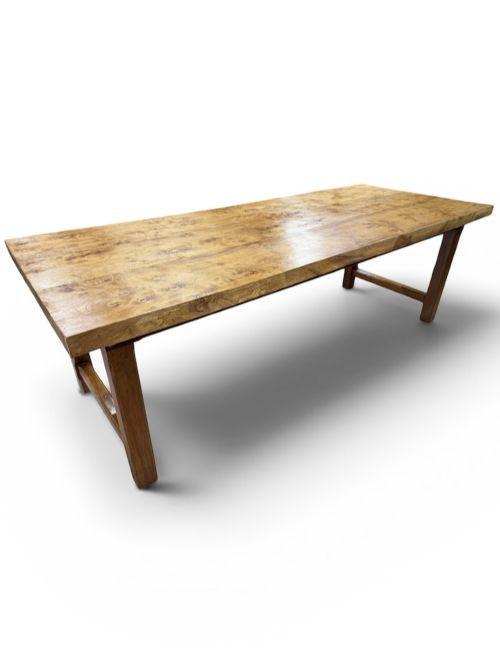
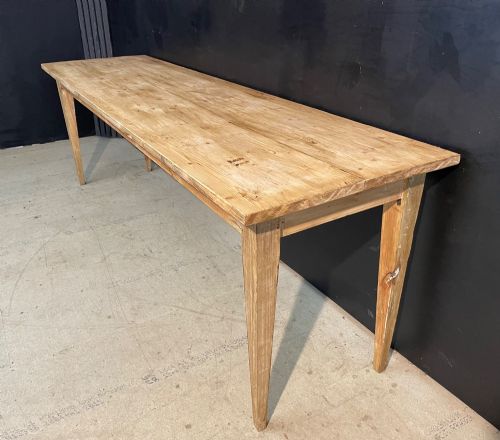
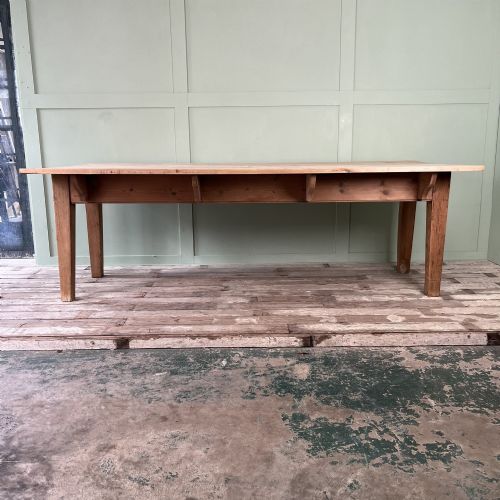
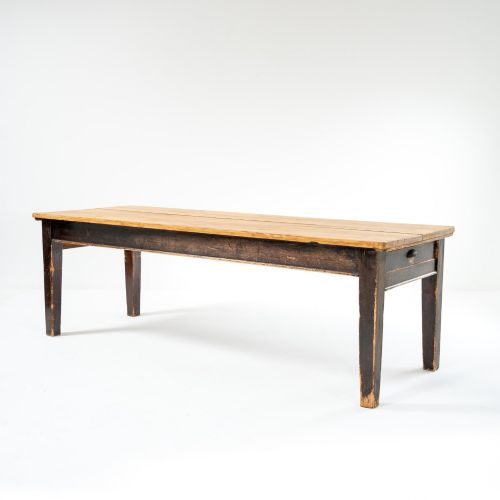
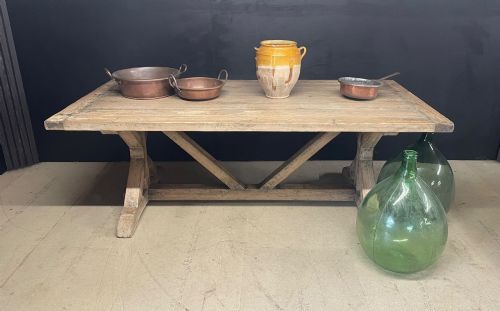
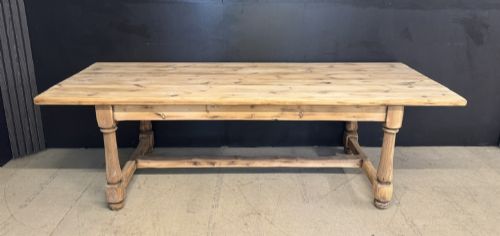
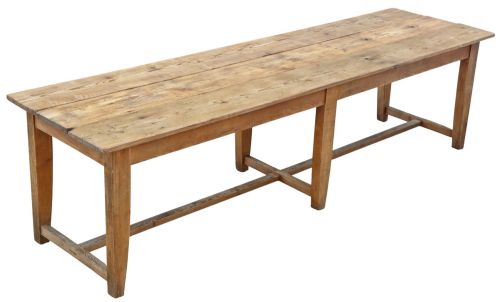
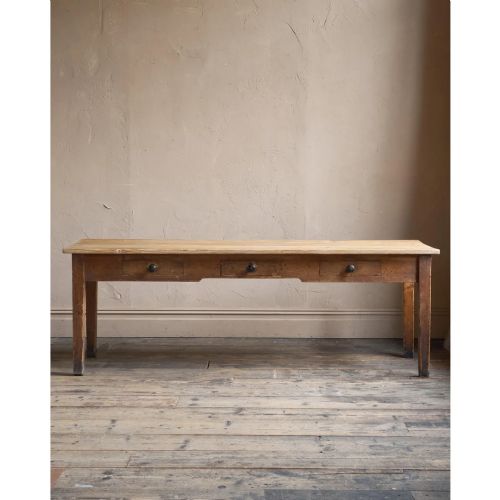
A large pine kitchen table serves as the heavy-working heart of a domestic interior, offering generous proportions and enduring daily utility.
Large pine kitchen table
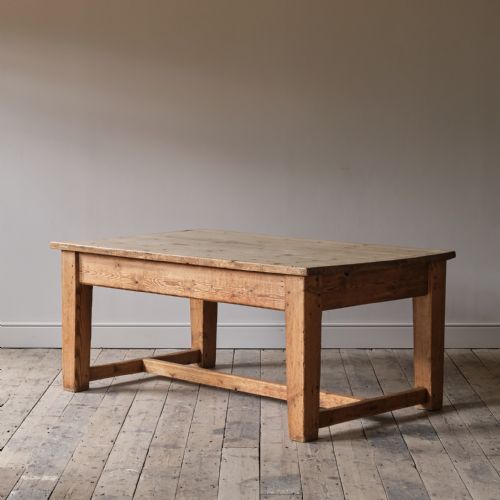
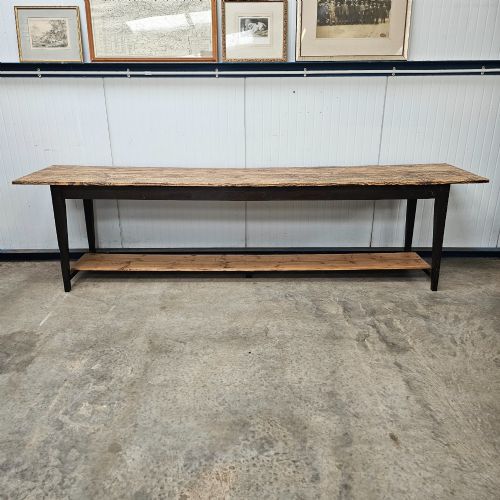
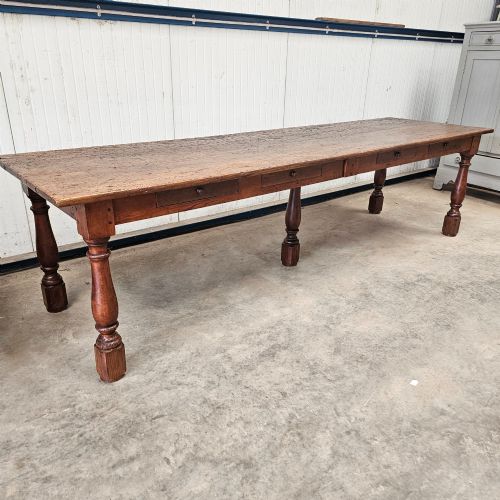
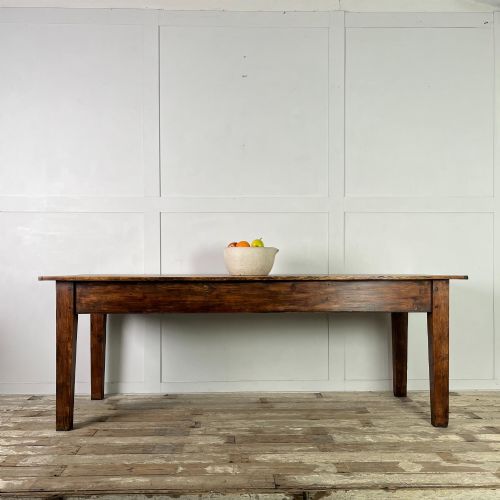
A large pine kitchen table represents the primary gathering place in a home, built for heavy culinary preparation and family dining. These substantial pieces appear across various regional traditions, including English, Scottish, Welsh, French, and Scandinavian examples.
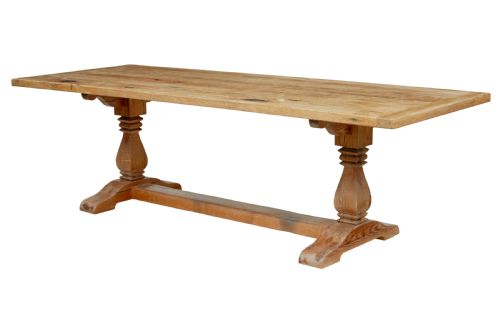
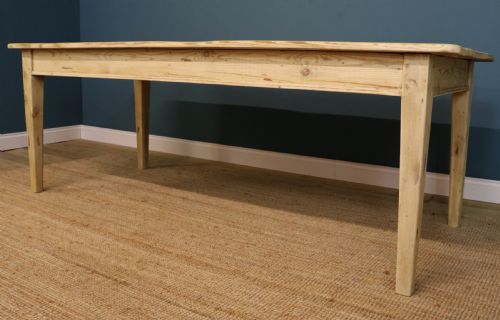
The selections span the nineteenth century, the Edwardian era, and the early twentieth century, encompassing distinct forms such as farmhouse tables, refectories, trestles, and work tables. Buyers frequently encounter Victorian specimens designed with enduring utilitarian strength.
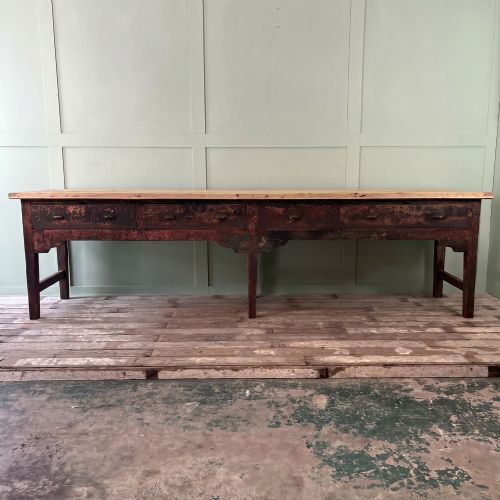
Many examples incorporate practical additions suited to busy domestic spaces, including drawers for storage, castors for mobility, or sturdy trestle bases. The timber surfaces carry the visible marks of decades of active service in country houses, estates, and farmhouses.
Distinctions in quality
Quality rests upon the integrity of the original timber selection, the weight of the plank top, and the balance of the underlying frame. Superior examples combine generous scale with uncompromised structural stability.
The character of the surface patina dictates visual distinction, where untouched timber depth and honest signs of period wear distinguish finer vernacular and workshop pieces from lesser utilitarian items.
Retail Price Guide 2026
Typical UK retail prices for large pine kitchen table, calculated from the Sellingantiques database of over a million retail prices indexed since 2003. This retail price guide relies exclusively on Sellingantiques data; no external sources or auction records are used, so the figures do not describe the wider market.
Several heavy tables arrive fitted with original castors, prepared to roll across the kitchen floor exactly as they did in Victorian country houses.
The Large Pine Kitchen Table Glossary
- Pine
- A softwood utilised extensively for domestic furniture due to its availability and resilience. It develops a rich warm tone and patina through decades of scrubbing and use.
- Refectory table
- A long narrow dining table traditionally built for communal dining halls. In domestic settings, these pieces provide extended seating capacity along narrow proportions.
- Trestle table
- A form where the top rests upon two or more supporting upright frames rather than four legs. This construction allows maximum legroom along the length of the table.
- Farmhouse table
- A robust vernacular dining table designed for heavy daily use in country kitchens. They frequently feature deep skirts, thick plank tops, and straightforward structural joints.
- Patina
- The surface appearance acquired by timber through age, handling, and wear. A desirable patina shows genuine depth and historical use without artificial distressing.
Frequently Asked Questions
Are these tables suitable for daily use?
These pieces were originally constructed for heavy daily tasks such as food preparation and family meals. Their robust joinery and solid timber build make them practical for modern dining.
Using mats and coasters protects the historic surface from heat and moisture. The existing marks and dabs of history accommodate everyday living without concern.
How do I identify a Victorian pine table?
Victorian examples typically display dense grain patterns, heavier timber scantlings, and traditional hand-cut joinery. Turned legs or robust square section legs are common characteristics of this era.
Examination of the underside and drawer construction often reveals tool marks consistent with nineteenth-century workshop production methods.
Do painted finishes indicate age?
Painted surfaces can be original or later additions applied during the working life of the furniture. Historic paint layers often exhibit craquelure, wear, and softening of tone.
Assessing the paint requires looking at how the pigment adheres to the underlying timber and whether multiple historical layers exist beneath the top coat.