
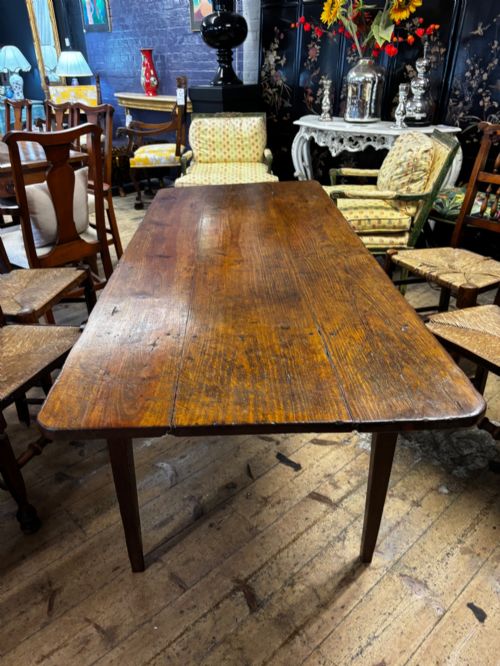
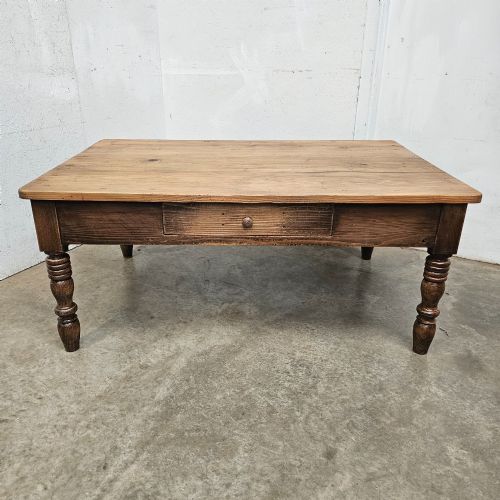
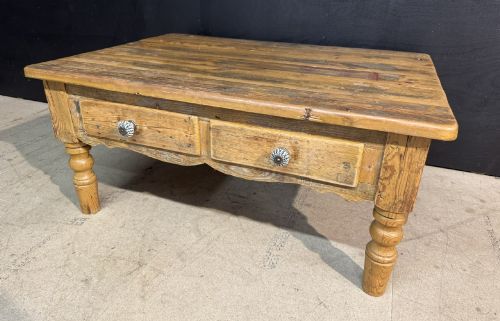
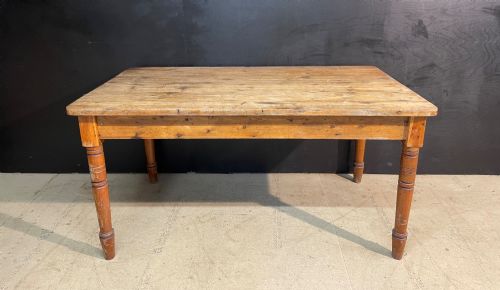
Rustic Pine Farmhouse Table
A rustic pine farmhouse table brings working-kitchen heritage and honest timber grain into a modern room.
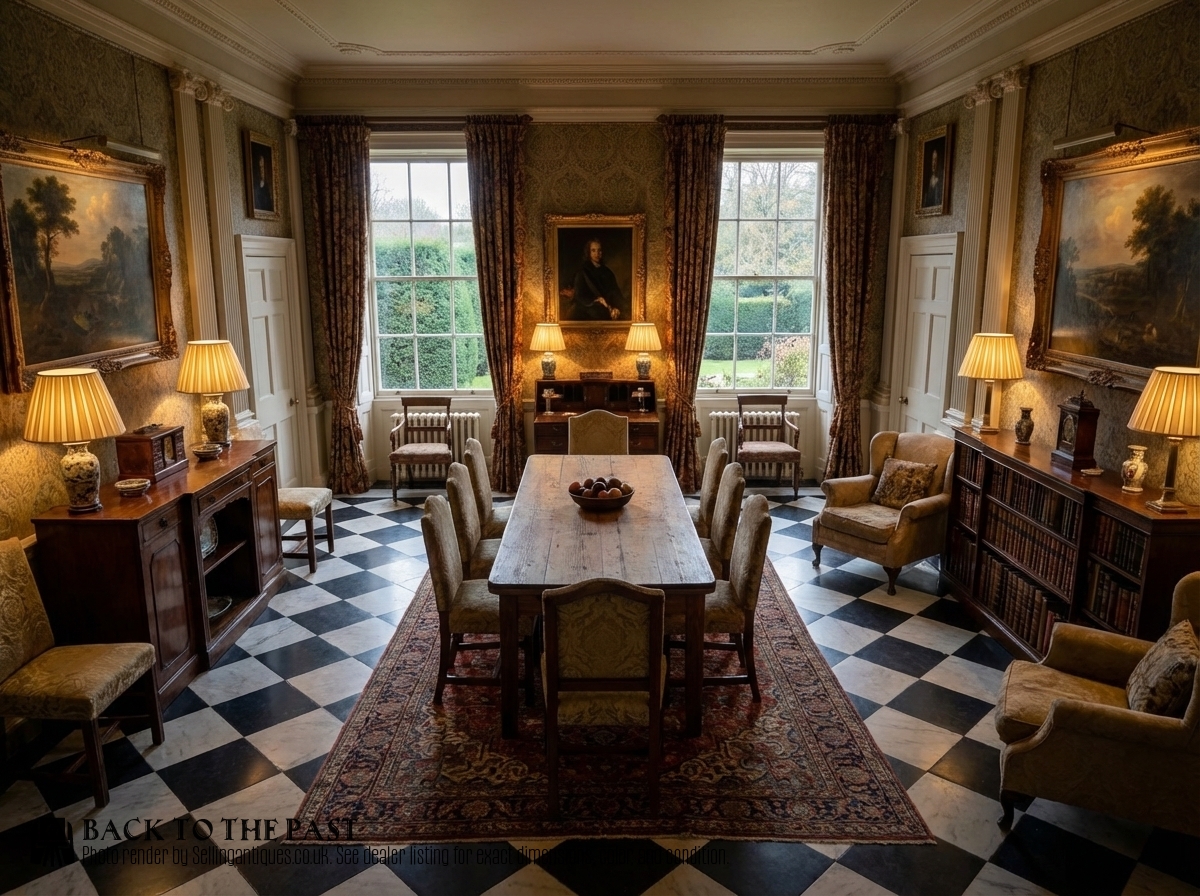
Rustic Pine Farmhouse Table
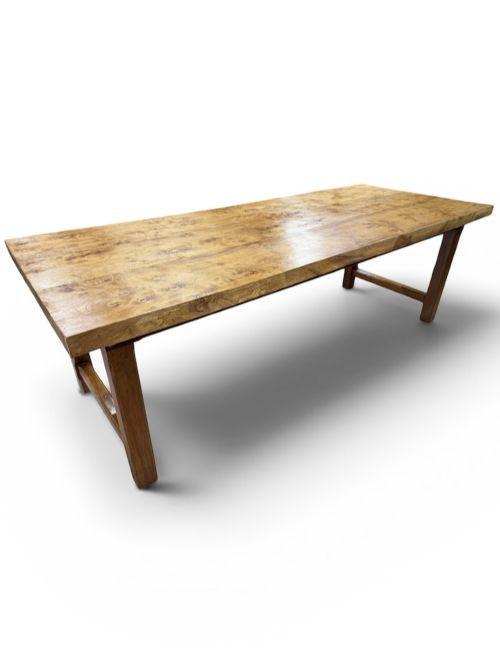
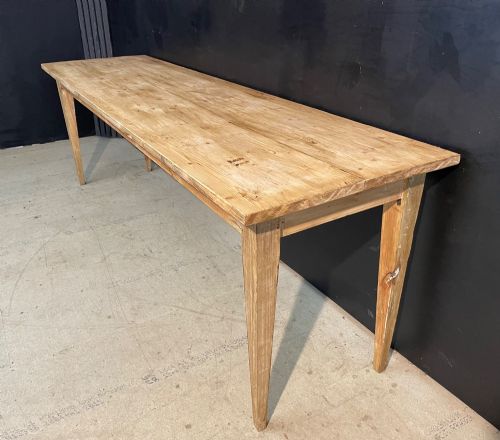
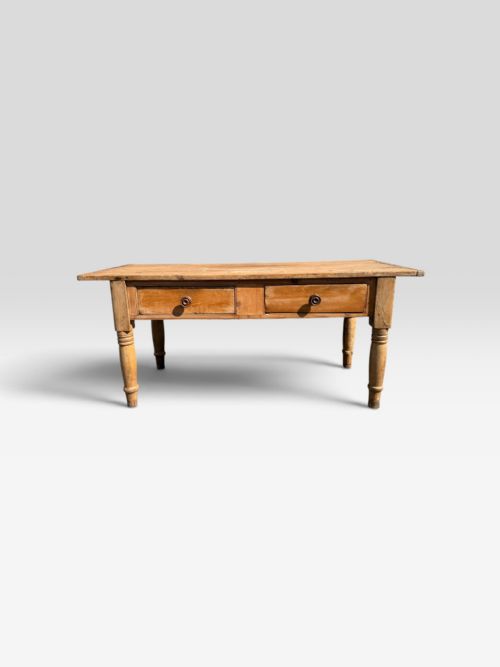
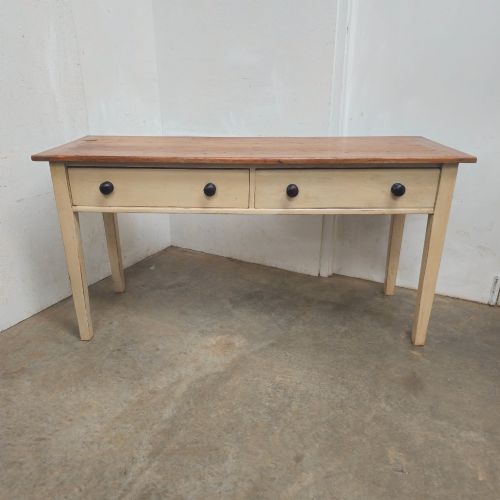
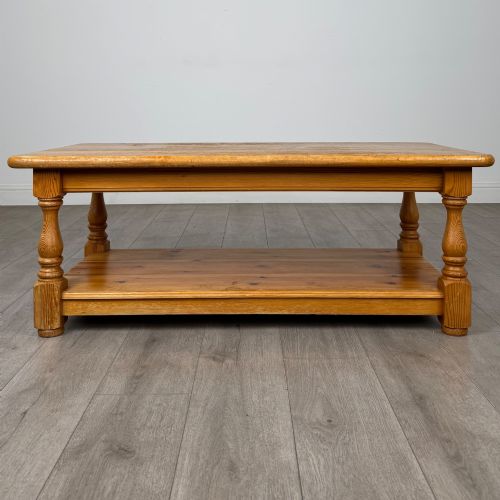
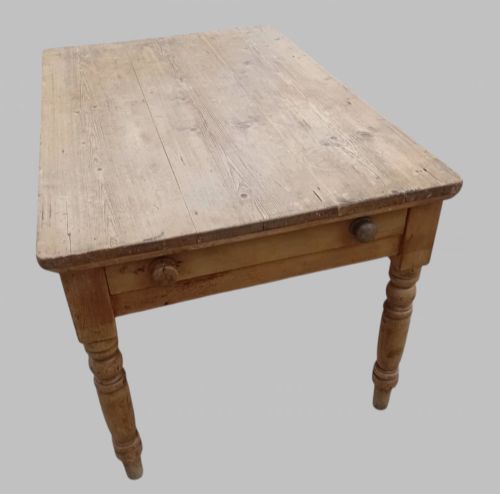
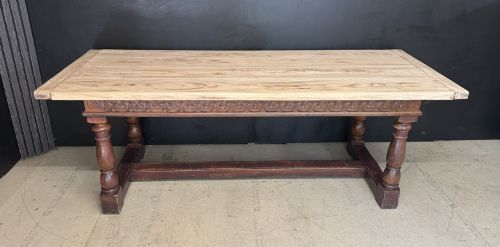
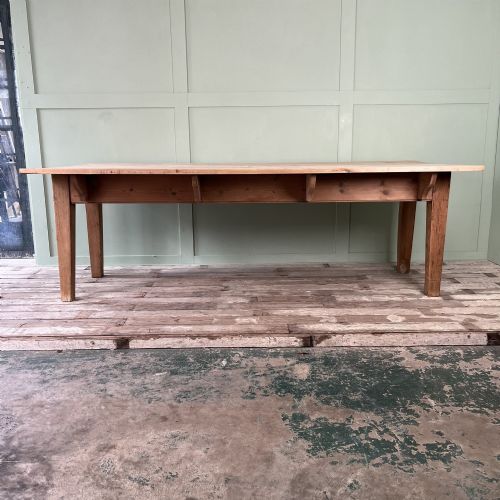
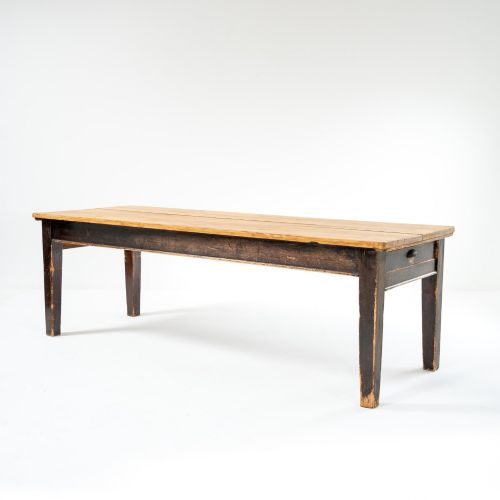
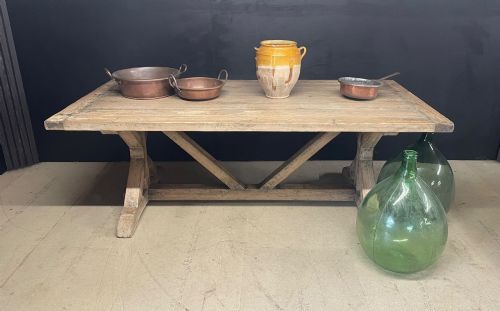
When searching for a rustic pine farmhouse table, a buyer examines sturdy utilitarian surfaces built for daily domestic labour rather than formal dining. The pieces available span large 19th century kitchen boards, harvest tables, and scullery prep counters alongside smaller coffee table adaptations.
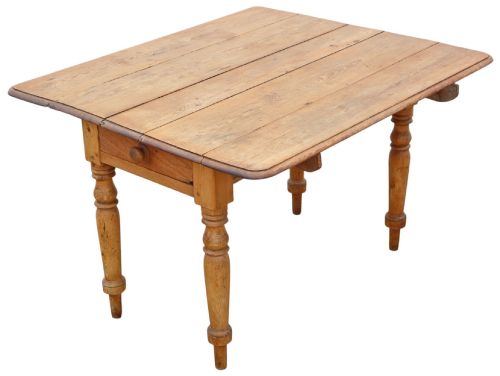
Most examples originate from the 19th century and the Victorian era, constructed in England, France, and Sweden with practical drawers or simple turned legs. These items served whole households for food preparation, dough kneading, and communal meals before moving into contemporary settings.
Regional variations appear across the inventory, ranging from English scrub-top pews and dairy tables to French provincial designs incorporating oak alongside pine. Buyers encounter everything from compact drop-leaf folding versions to expansive refectory lengths reaching past eight feet.
How they were made
Construction relies heavily on solid pine timbers, pitch pine, and fruitwood, paired occasionally with oak for structural frames or scrub tops intended for heavy daily scouring. Iron and brass fittings such as drawer pulls or drop-leaf hinges provide functional support on utility pieces.
Carpenters utilised straightforward joinery methods, fixing thick plank tops to turned or tapered legs and adding single or multiple drawers with wooden runners. Surfaces often display the marks of hard usage, plain historical paint, or weathered patinas developed over generations of service.
Several kitchen tables retain deep flour drawer compartments where bakers once stored bulk provisions away from household mice.
What varies in quality
Quality rests on the integrity of the original timber frame, the thickness of the plank top, and whether secondary woods like oak were integrated for added strength. Tables featuring untouched historical surfaces, original drawers, and robust proportions command greater attention than heavily altered examples.
The degree of honest wear distinguishes superior utilitarian pieces, where decades of scrubbing have left deep character in the grain, from superficial distress applied to mimic age. Proportion and scale also dictate worth, particularly on longer refectory or harvest formats designed to seat large numbers.
The Rustic Pine Farmhouse Table Glossary
- Scrub top
- A wooden table surface left unpolished and scrubbed clean with water and sand during daily kitchen use. This process raised the grain and left a pale, textured finish.
- Refectory table
- A long dining table historically used in monasteries or large country houses for communal meals. They typically feature stretcher bars running low between the legs for stability.
- Harvest table
- A narrow, elongated table designed to accommodate large farm work crews during seasonal gathering periods. They often measure eight feet or longer.
- Potboard
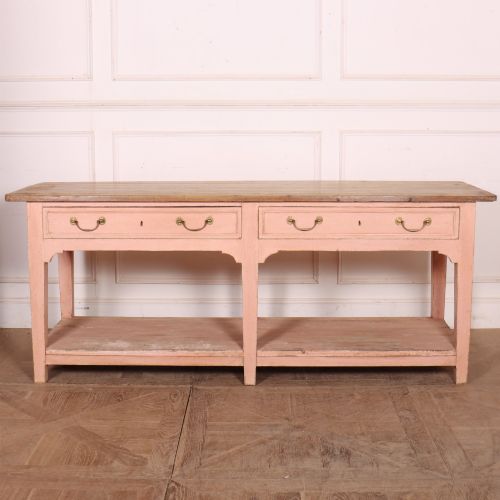
- A lower slatted shelf fitted beneath a dresser base or table to store heavy pots and pans off the stone floor. This feature appears on vernacular country furniture.
- Drop-leaf
- A table design featuring fixed centre leaves with hinged side flaps that fold down to save space. Brackets or swing legs support the flaps when raised.
Rustic Pine Farmhouse Table: Frequently Asked Questions
How do I clean a pine table?
Wash the surface using warm water and a mild soap applied with a soft cloth, avoiding harsh chemical sprays that strip the natural patina.
Dry the timber thoroughly afterwards to prevent moisture damage, and occasionally apply beeswax to nourish old pine grain.
Were these tables actually used in kitchens?
These pieces served as the central workspace for rural households, acting as counters for rolling pastry, chopping vegetables, and general daily preparation.
Their sturdy construction was purposely designed to withstand heavy domestic labour before moving into modern dining rooms.
How can I tell a 19th century table?
Examine the construction methods underneath the top, looking for hand-cut joints, timber shrinkage, and natural wear patterns around the apron and legs.
Older boards often display wider planks, hand-forged iron nails, and accumulated layers of historical wax or paint.
Will a large table fit my dining room?
Measure your available floor space carefully, leaving adequate clearance around all sides for chairs to pull out comfortably without hitting walls.
Consider narrower harvest or drop-leaf formats if your room proportions require a more compact footprint.