

Antique Country Kitchen Table
An antique country kitchen table brings honest utility to a room, offering sturdy timber surfaces shaped by generations of domestic service.
Identifying These Tables
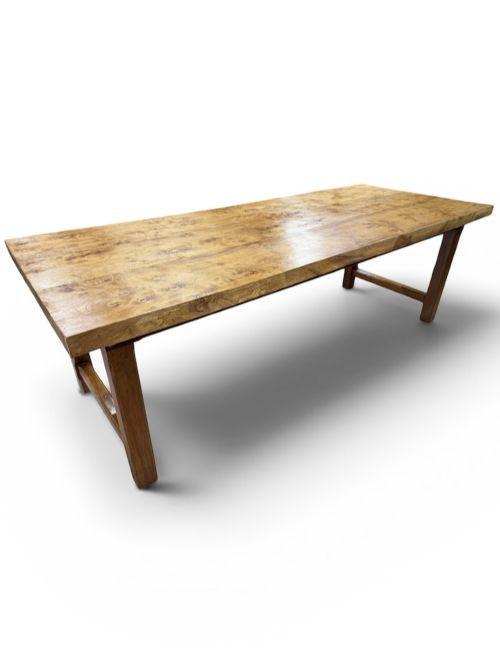
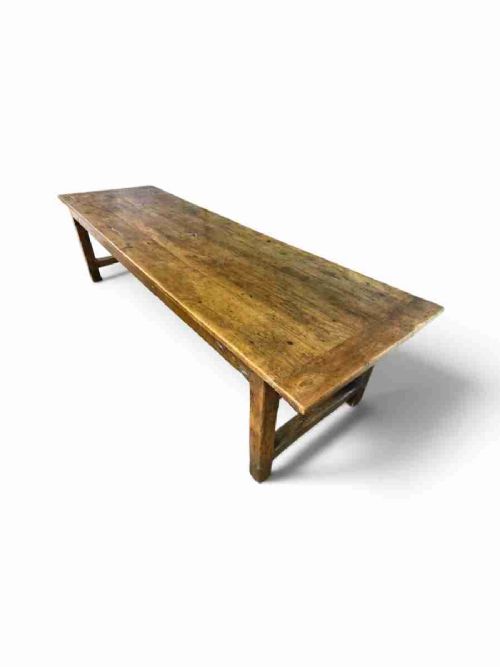
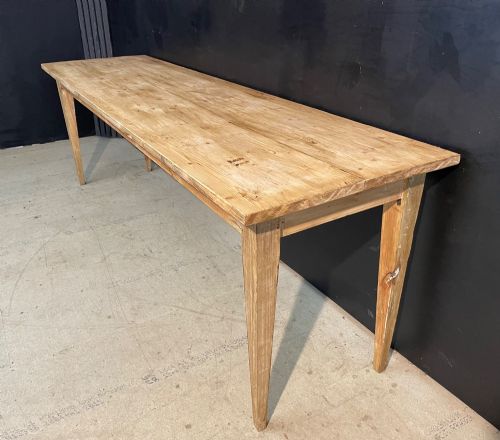
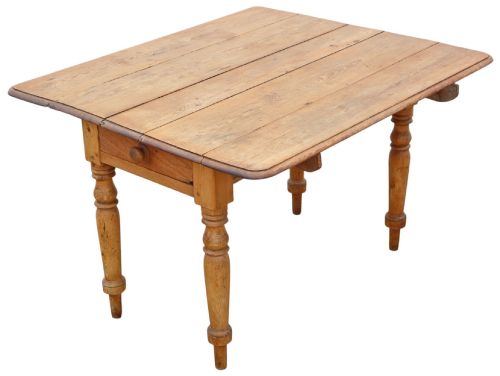
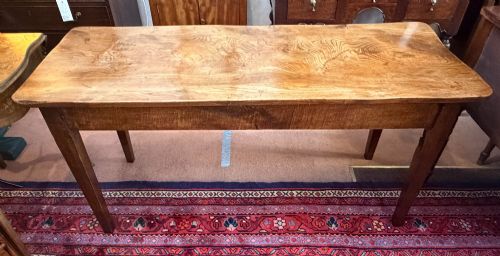
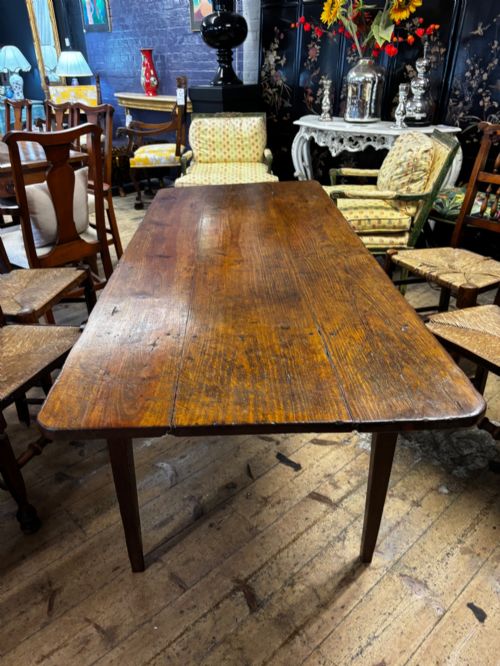
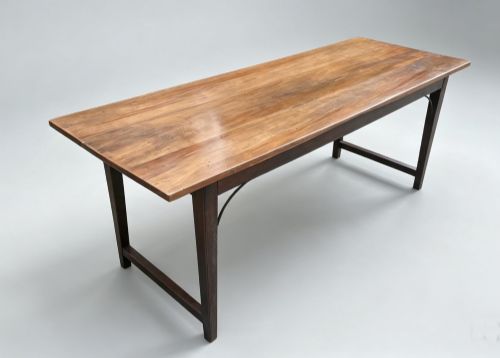
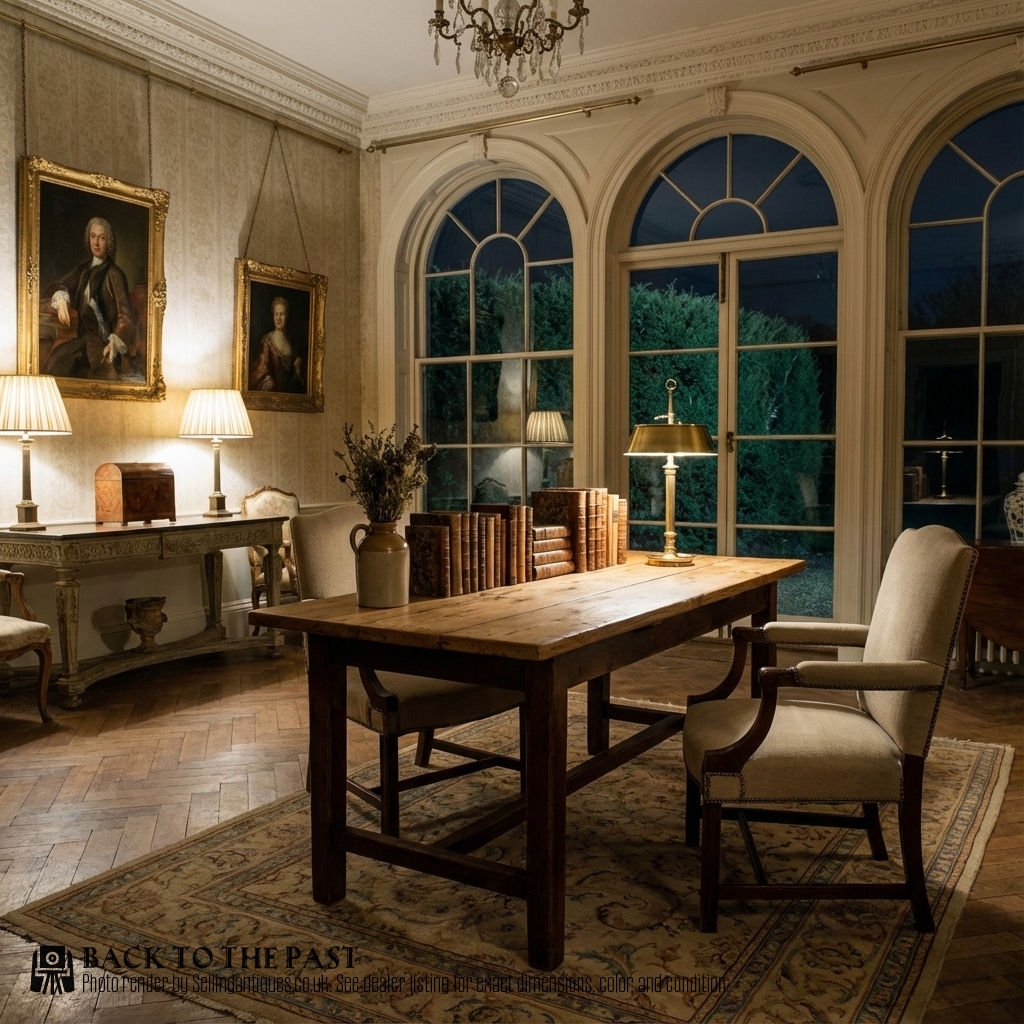
An antique country kitchen table is a utilitarian surface built for daily domestic labour, most frequently encountered in pine, oak, and elm.
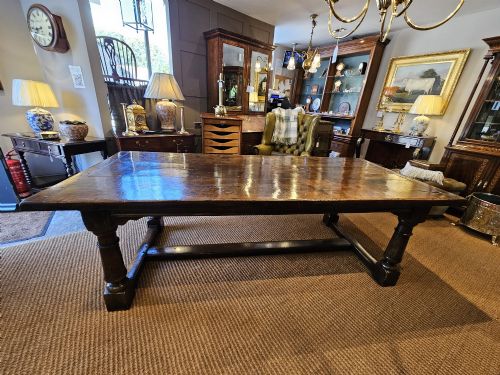
The pieces on this page span several centuries, including 17th Century refectory formats, 18th Century gateleg designs, and numerous 19th Century and Victorian pine farmhouse examples.
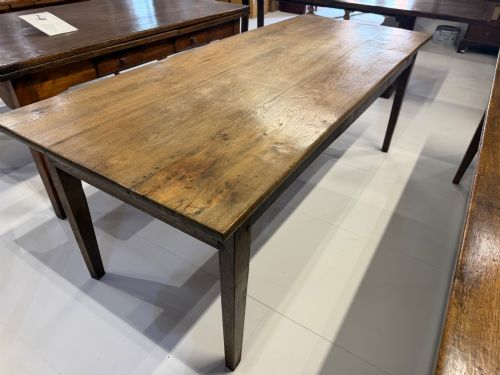
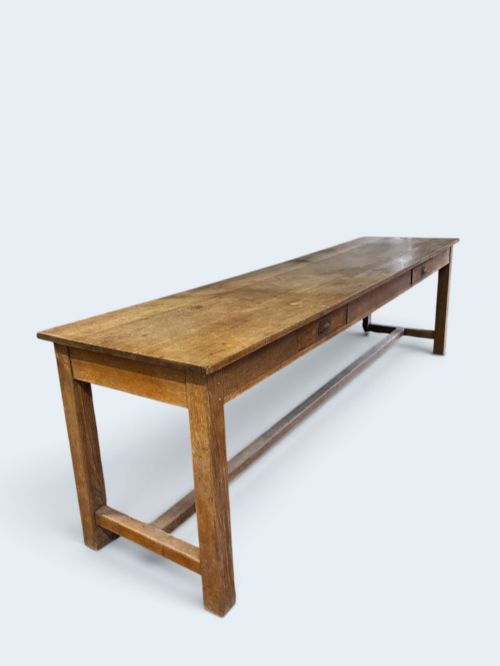
Regional styles such as Welsh, French, and primitive country variations dominate the selection, often incorporating single plank tops or practical side drawers.
Construction and Materials
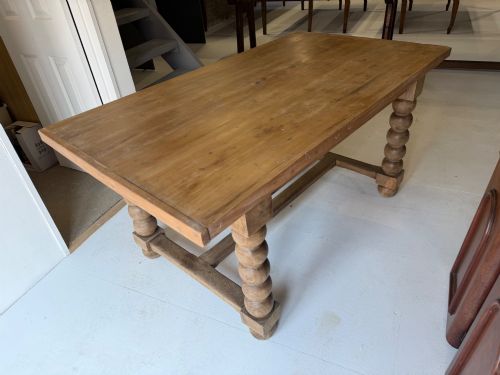
Cabinet makers utilised robust native hardwoods and softwoods, combining oak and elm for structural longevity alongside pine and beech for everyday domestic tables.
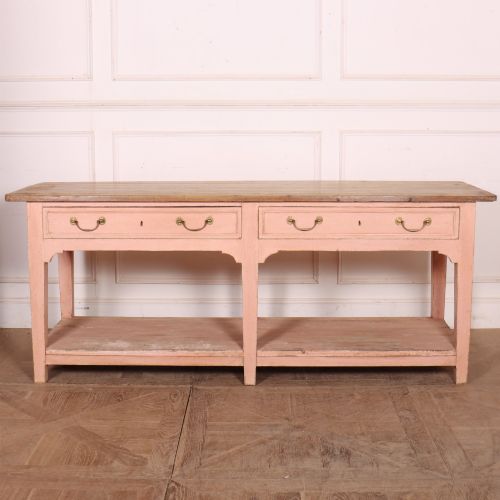
Joinery methods rely on traditional pegged framing and single plank construction, paired occasionally with functional brass hardware on drawers.
Retail Price Guide 2026
Typical UK retail prices for country kitchen table, calculated from the Sellingantiques database of over a million retail prices indexed since 2003. This retail price guide relies exclusively on Sellingantiques data; no external sources or auction records are used, so the figures do not describe the wider market.
Listings feature timbers including oak, elm, pine, beech, mahogany, and fruitwood across 17th, 18th, and 19th Century periods.
Evaluating Quality
Quality rests upon the integrity of the timber selection, such as single plank elm surfaces or dense English oak framing, weighed against how well the structure retains its original proportions.
The presence of period joinery and honest patination from decades of use separate superior utilitarian pieces from later domestic reproductions.
The Antique Country Kitchen Table Glossary
- Refectory table
- A long dining surface traditionally used for communal meals, distinguished by substantial timber legs and longitudinal stretchers.
- Gateleg table
- A drop leaf table where the hinged leaves are supported by swing-out legs that resemble a opening gate.
- Single plank top
- A table top fashioned from one wide board of timber, prized for its uninterrupted grain and maturity.
- Patina
- The surface sheen and colour acquired by wood through decades of handling, cleaning, and exposure to light.
Frequently Asked Questions
What woods were used for these tables?
Makers utilised a variety of native timbers depending on regional availability and the intended function of the piece. Pine and softwood frequently served for domestic farmhouse tables, whilst oak and elm provided the heavy framing required for refectory styles.
Fruitwood and mahogany also appear in French and Georgian examples, adding distinct grain patterns and colour variations to the selection.
How do I care for a wooden top?
Maintaining an antique timber surface requires simple, consistent habits that protect the historical finish. Regular dusting with a dry cloth prevents particle buildup, and spills should be wiped promptly to avoid staining the porous wood.
Applying natural beeswax periodically feeds the grain and preserves the accumulated surface sheen without sealing the timber beneath artificial layers.
Did these tables have drawers?
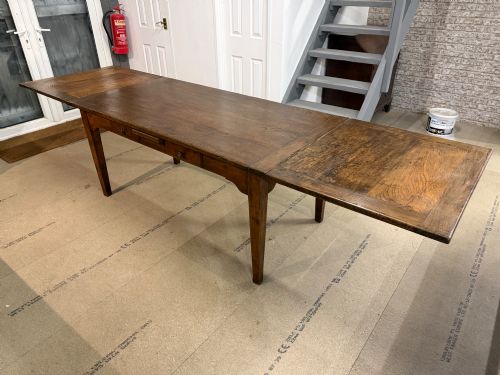
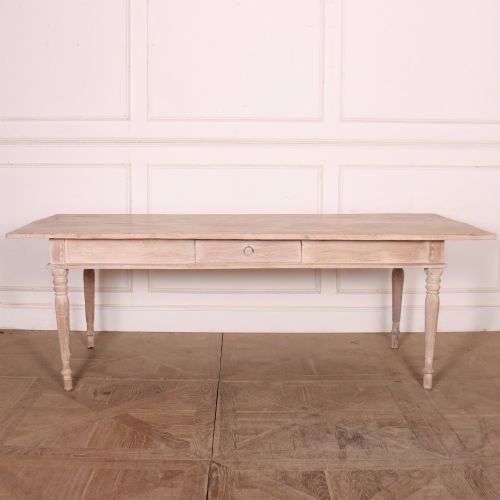
Many domestic kitchen and farmhouse tables incorporate integrated side drawers for storing everyday utensils and linens. These compartments were built directly into the frieze beneath the top using simple dovetail joinery.
Tables designed for formal dining or communal refectory use typically omitted these storage additions in favour of open leg room.
How do I distinguish regional styles?
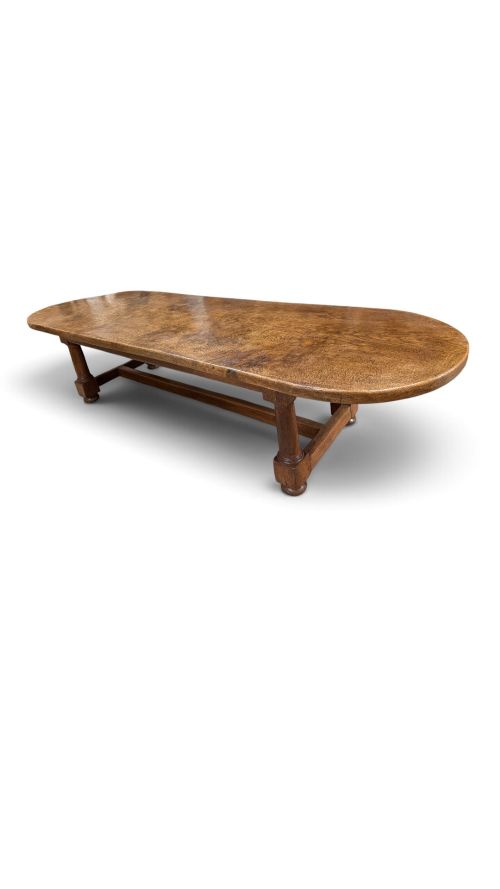
Regional characteristics emerge through the choice of timber and the specific form of the underframe. Welsh and English country pieces frequently employ heavy oak or pine with straightforward turned legs, whereas French designs often feature fruitwood or lighter D-end proportions.
Primitive country pieces display simpler, heavier construction methods dictated by local carpentry traditions rather than metropolitan fashions.