
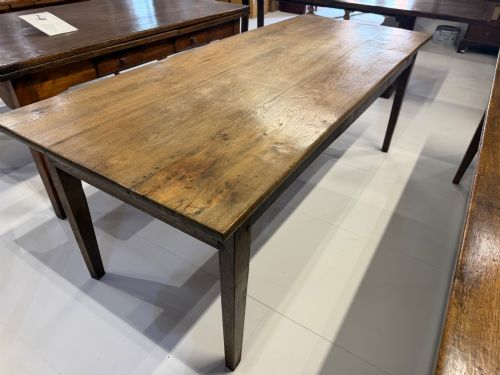
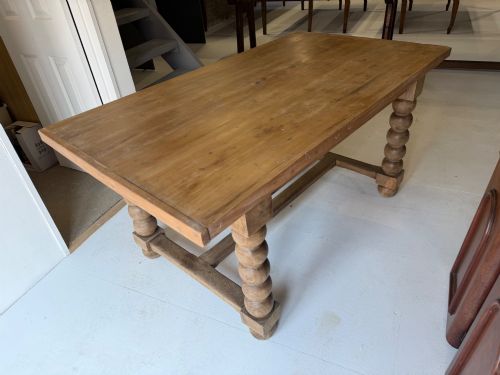
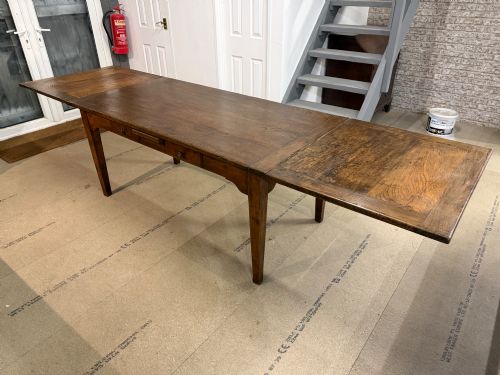
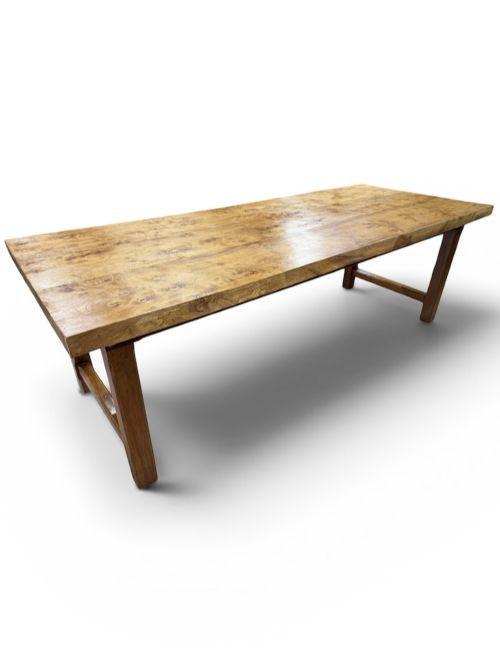
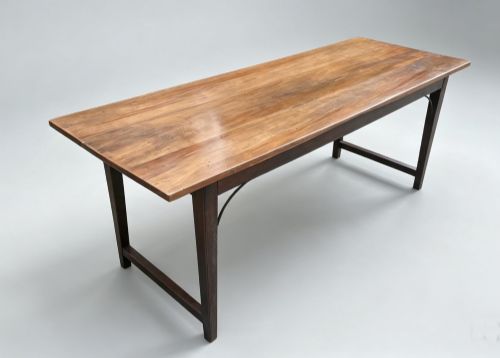
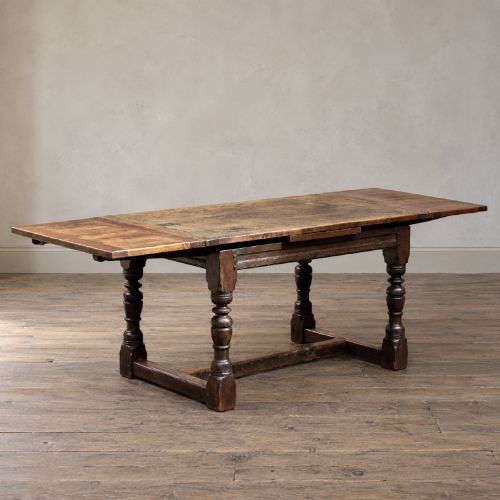
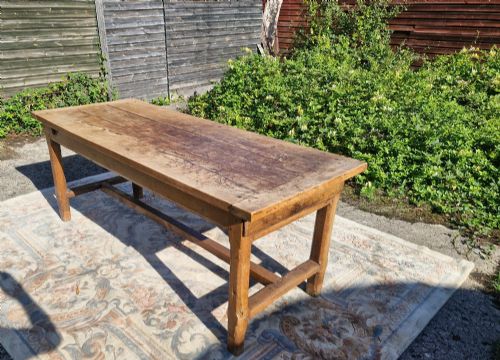
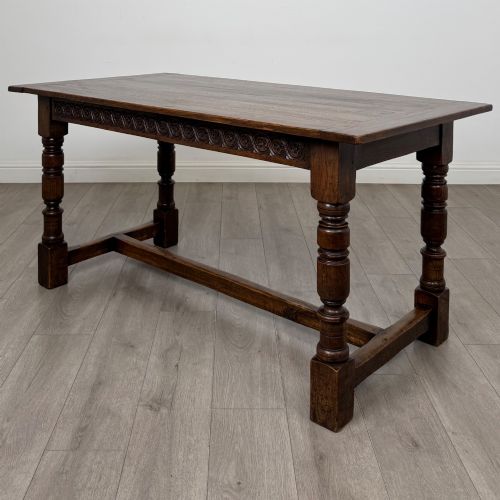
Antique Wooden Refectory Table
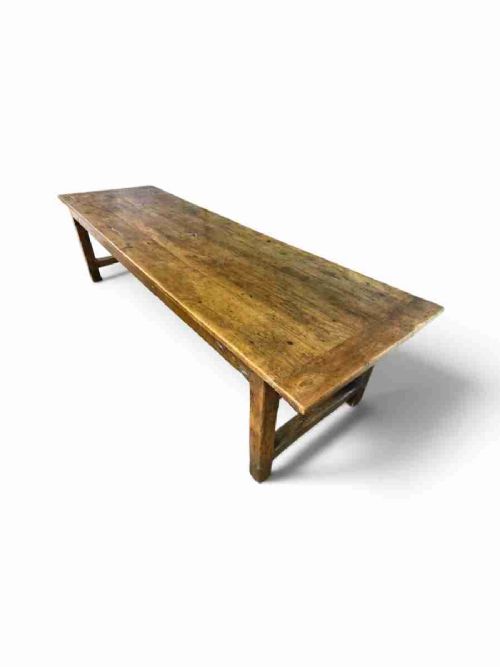
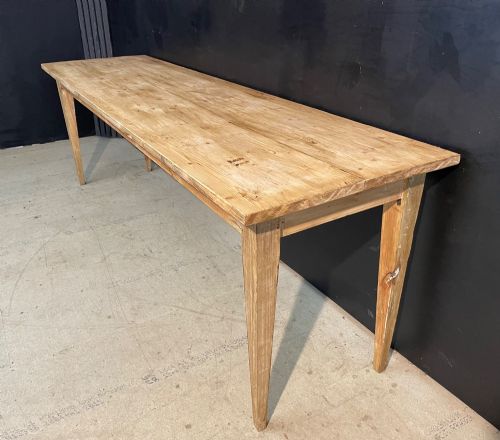
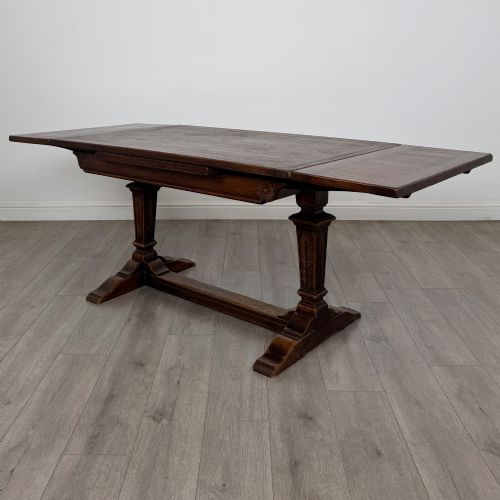
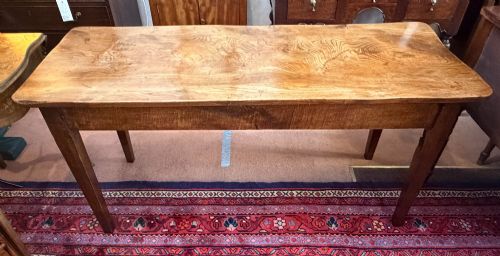
An antique wooden refectory table brings historic craftsmanship and generous proportions to the dining room.

What an antique wooden refectory table is
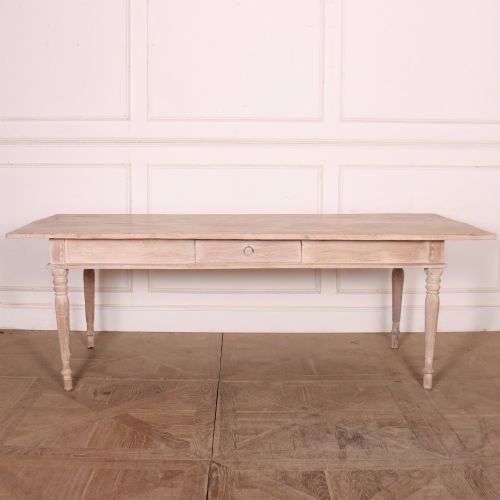
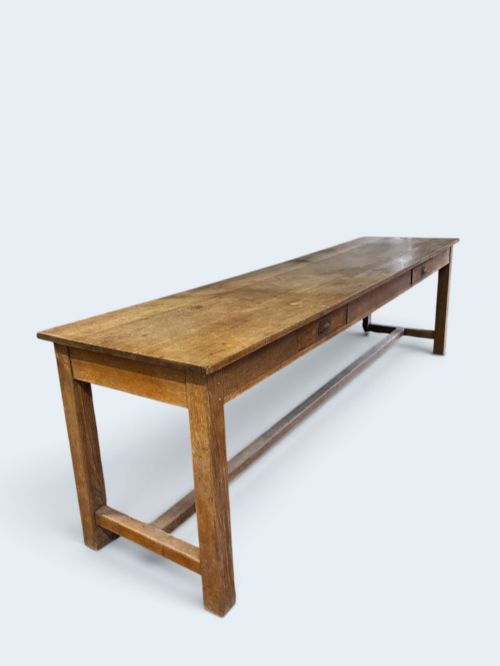
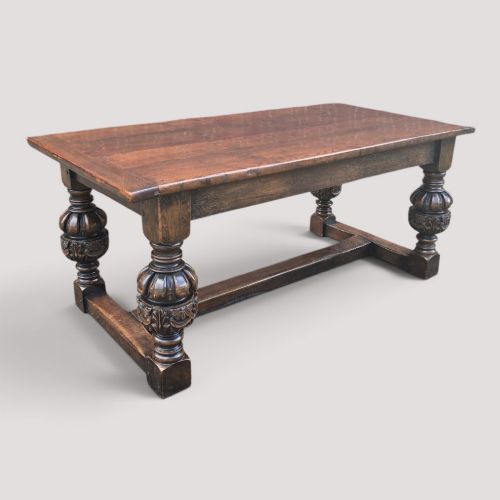
An antique wooden refectory table serves as a substantial dining surface derived from traditional monastic and communal halls. Buyers searching this phrase seek long, robust boards designed to gather large households.
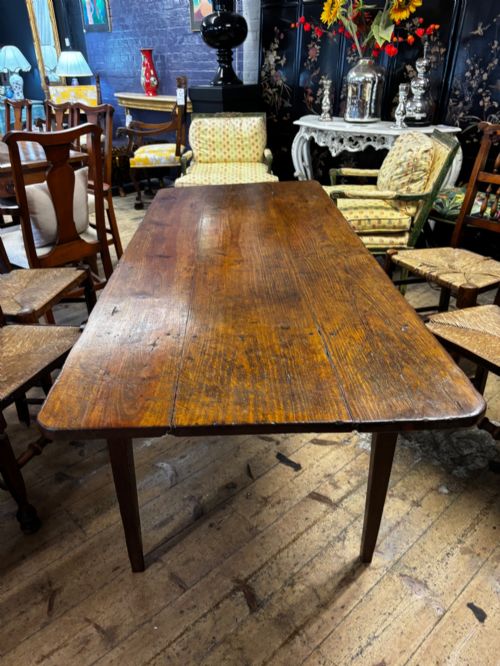
The selections available here span several centuries and regional traditions, ranging from early English oak examples to continental fruitwood and chestnut pieces. Elm and pine farmhouse variations also appear frequently among these dining tables.
Earlier pieces from the seventeenth century showcase heavy timber construction, while nineteenth century items often bring simpler country vernacular characteristics to the kitchen or dining space.
How they were made
Carpenters constructed these tables using solid native hardwoods like oak, elm, chestnut, and fruitwood. Tops frequently feature wide wooden planks joined together, sometimes accompanied by secondary elements in pine or brass.
Joinery methods relied on traditional pegged joints and sturdy framing to support heavy daily use. Surfaces show the marks of hand planing and natural timber shrinkage over generations of use.
Retail Price Guide 2026
Typical UK retail prices for wooden refectory table, calculated from the Sellingantiques database of over a million retail prices indexed since 2003. This retail price guide relies exclusively on Sellingantiques data; no external sources or auction records are used, so the figures do not describe the wider market.
Current listings feature tables dating from the seventeenth century up through the nineteenth century, built in oak, elm, chestnut, fruitwood, and pine.
What varies in quality
Quality rests in the integrity of the timber selection and the retention of original structural surfaces. Tables formed from thick oak planks or figured fruitwood display superior material depth compared to simpler pine constructions.
The proportion of the legs relative to the top and the preservation of authentic surface patination dictate the desirability of the piece. Unaltered construction details separate standard utility tables from superior vernacular examples.
The Antique Wooden Refectory Table Glossary
- Refectory table
- A long dining table originally built for monastic dining halls. These surfaces provide generous length and stable leg framing.
- Plank top
- A table surface constructed from multiple parallel boards joined lengthwise. Early examples often utilise just three wide boards.
- Fruitwood
- Timber milled from fruit-bearing trees such as cherry or pear. This material yields a warm tone and fine grain suitable for continental furniture.
- Vernacular
- Everyday furniture built by local carpenters rather than high-style urban cabinetmakers. These pieces reflect regional materials and practical needs.
Frequently Asked Questions
How do I seat guests comfortably?
These long dining surfaces accommodate multiple chairs or benches along each flank.
Check the clearance beneath the side rails to ensure adequate legroom for seating.
Are these tables suitable for modern kitchens?
The robust construction handles daily family meals and heavy kitchen tasks easily.
Their substantial presence anchors an open plan room effectively.
How do I care for an old wooden top?
Clean surfaces with a damp cloth and dry them immediately to protect the wood.
Apply natural beeswax periodically to nourish dry timber without sealing the historic finish.
How do I distinguish seventeenth century oak?
Early oak displays deep grain figuring, hand-pegged joinery, and heavy timber scantlings.
Surface wear shows centuries of handling rather than machine tooling.