

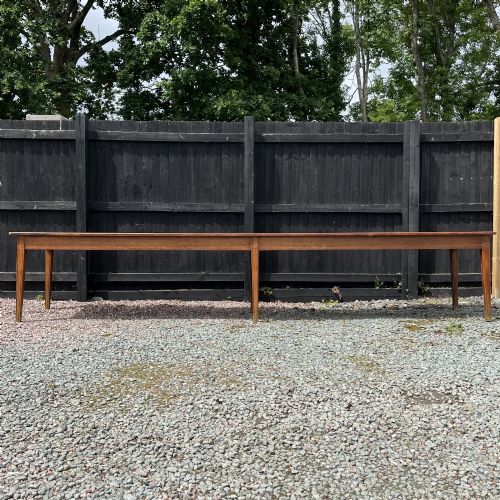


Cherrywood Dining Table
A cherrywood dining table brings a warm, fruitwood grain and honest vernacular build to the room, most often seen in French farmhouse and provincial formats.
Cherrywood Dining Table
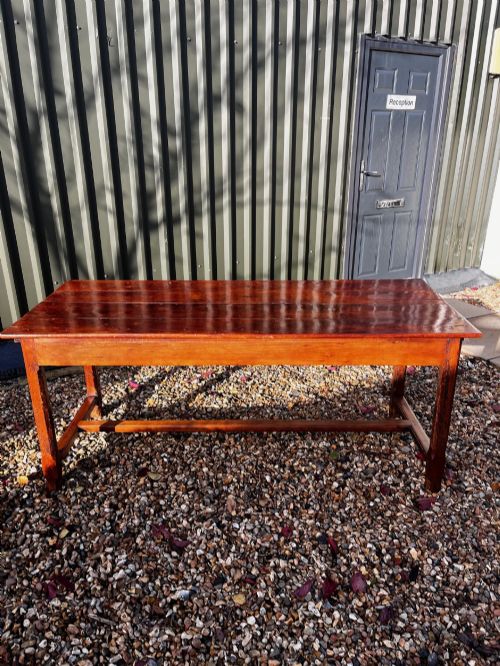
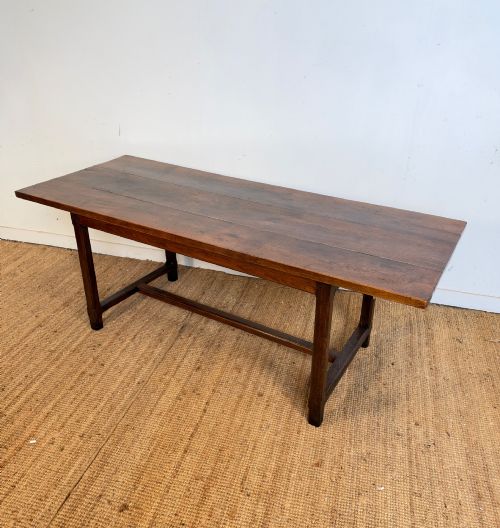
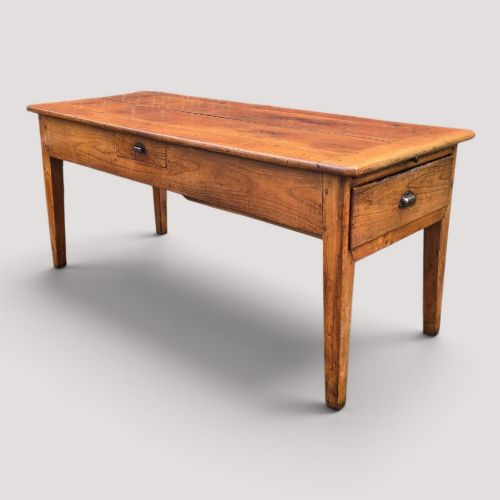
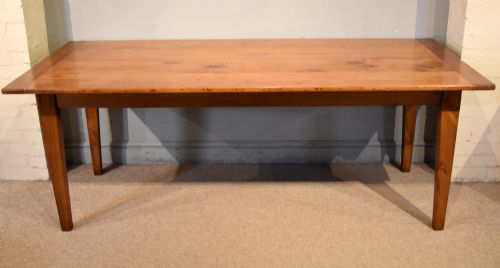
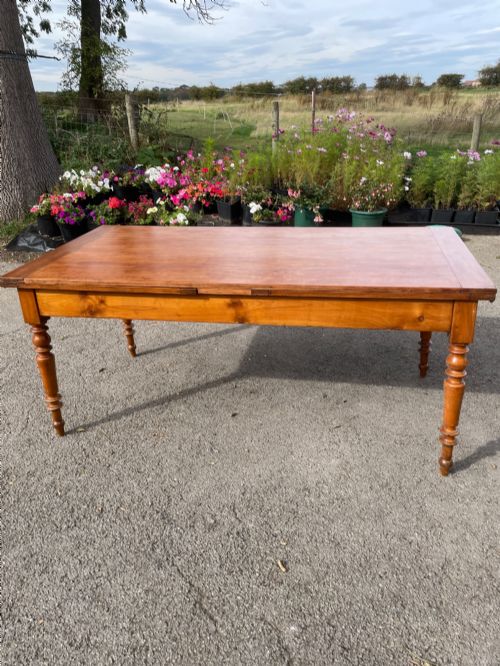
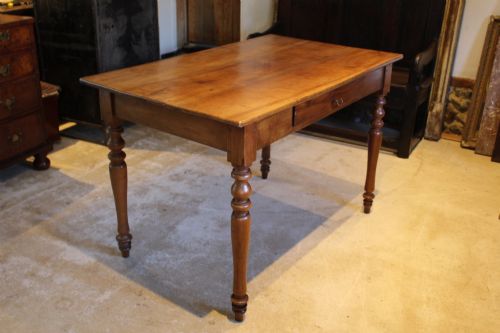
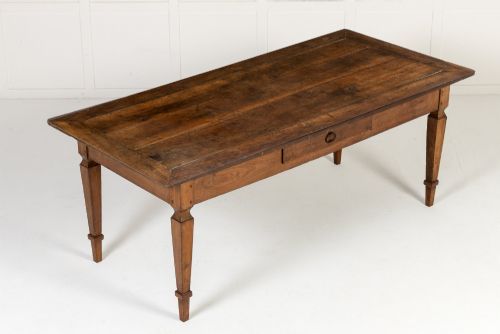
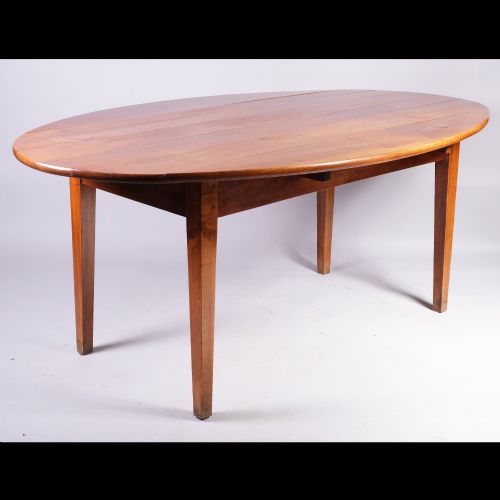
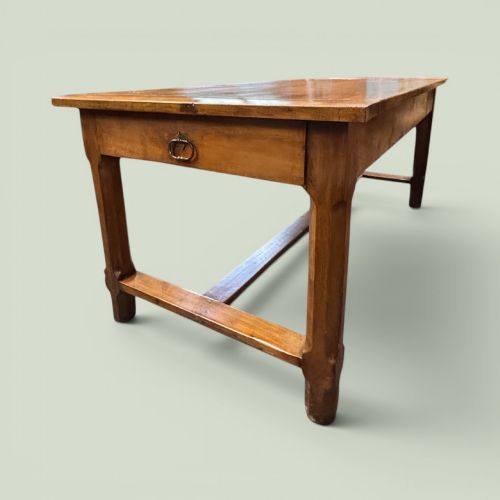
When you search for a cherrywood dining table, you encounter substantial timber furniture built primarily in France during the eighteenth and nineteenth centuries. These pieces span rustic refectory designs, kitchen tables with single or double drawers, and extending formats fitted with bread slides.
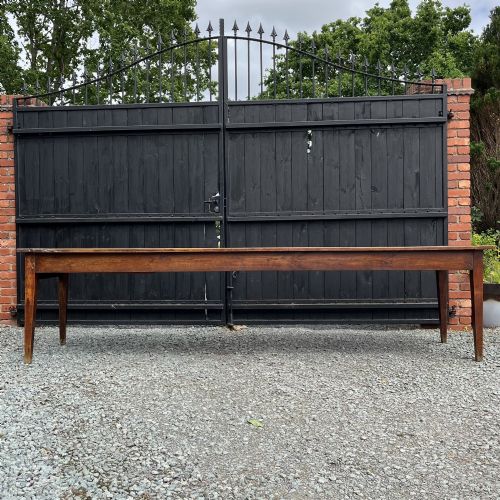
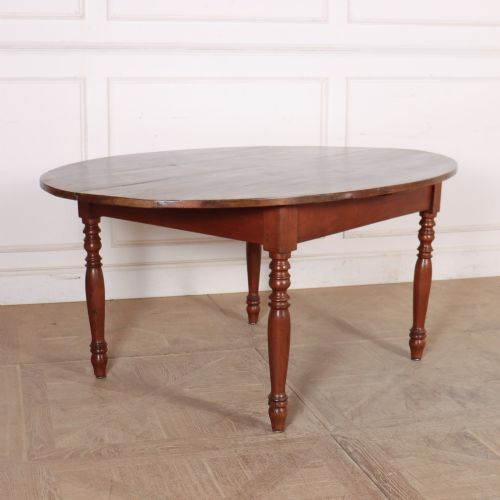
The version you are most likely to meet on this page is the nineteenth-century French farmhouse table, often possessing a generous length, turned legs or cabriole supports, and a patinated top formed from decades of domestic use.
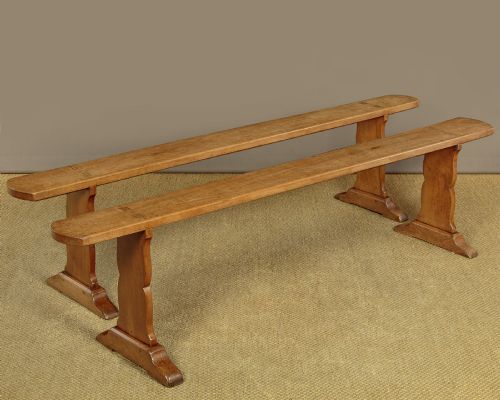
Alongside standard dining formats, the selection includes tilt-top centre tables, folding vendange variants, and associated benches built from matching cherry and oak.
What varies in quality
Quality rests in the selection of the timber and the integrity of the original construction rather than decorative embellishment. Tables fashioned from dense, figured cherry boards with minimal warping display superior initial material selection.
Proportion and scale dictate the desirability of the piece, particularly where longer farmhouse formats maintain structural rigidity across extended spans without excessive sagging in the centre boards. Retaining original drawers, bread slides, and matching leaves elevates the integrity of the piece.
Cherrywood Dining Table Retail Price Guide 2026
Typical asking prices for cherrywood dining table among the pieces listed under this phrase on Sellingantiques today, from the lower quarter to the upper quarter. They describe what is for sale here now, not the wider market.
Listings feature cherrywood alongside complementary materials including oak, fruitwood, and brass hardware.
The Cherrywood Dining Table Glossary
- Bread slide
- A pull-out shelf positioned beneath the main tabletop, historically used for cooling baked goods or extending surface workspace. It slides directly on interior wooden runners.
- Cabriole leg
- A furniture leg that curves outward at the knee and tapers inward toward the foot, echoing animal limb forms. This style appears on provincial tables from the nineteenth century.
- Vendange table
- A folding table traditionally utilised during grape harvests in France. These tables feature hinged mechanisms designed for easy storage when not in active seasonal use.
- Refectory table
- A long, narrow dining table historically built for communal dining halls. Provincial iterations in cherrywood served demanding roles in French farmhouses and manors.
- Draw leaf table
- An extending table containing two hidden leaves stored beneath the main top that pull out from either end. This mechanism lengthens the surface without removing the central boards.
Cherrywood Dining Table: Frequently Asked Questions
How do I clean a cherrywood table?
Wipe surfaces down using a damp cloth without harsh chemical detergents. Apply natural beeswax periodically to maintain the timber sheen and protect the grain.
Avoid placing the table near direct heat sources or strong sunlight to prevent the cherrywood from drying out or splitting.
Are these tables sturdy enough for daily dining?
These tables were built for heavy domestic and agricultural use in French kitchens and farmhouses. Their solid timber construction and mortise and tenon joints provide robust support for everyday meals.
Regularly check wooden pegs and stretchers to ensure the frame remains tight over years of use.
How do I tell an 18th century table apart?
Earlier tables from the eighteenth century generally display hand-cut joinery marks, deeper patination, and broader single-board tops shaped by hand tools. Drawer construction relies on hand-cut dovetails rather than mechanical joints.
Nineteenth-century examples frequently incorporate standardised extending mechanisms like bread slides and draw leaves.
What is a French provincial dining table?
French provincial furniture refers to pieces built in regions outside Paris, reflecting local tastes and practical needs. They utilise regional timbers like cherry and fruitwood, paired with simpler, robust regional joinery.
These tables focus on utility, often featuring single drawers for cutlery or sliding boards for food preparation.