

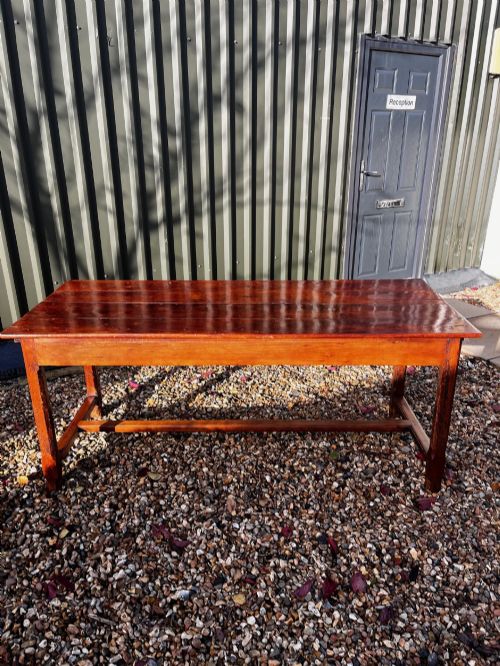
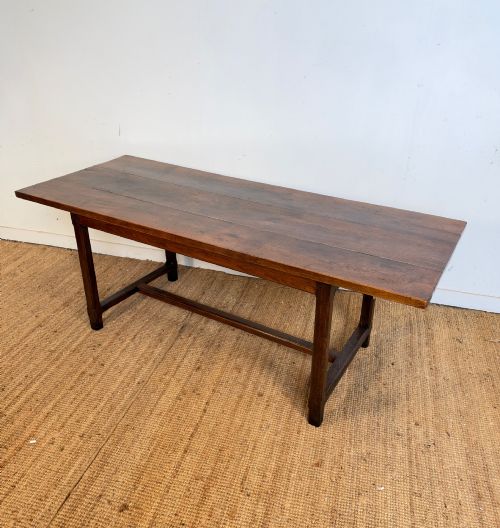
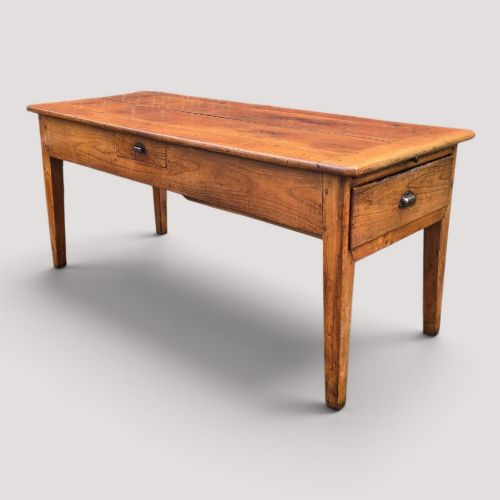
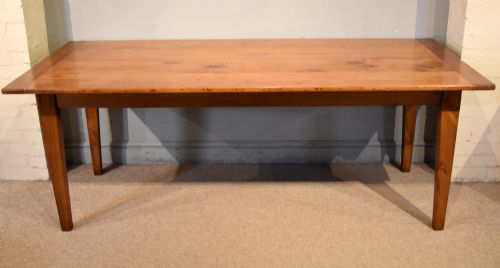
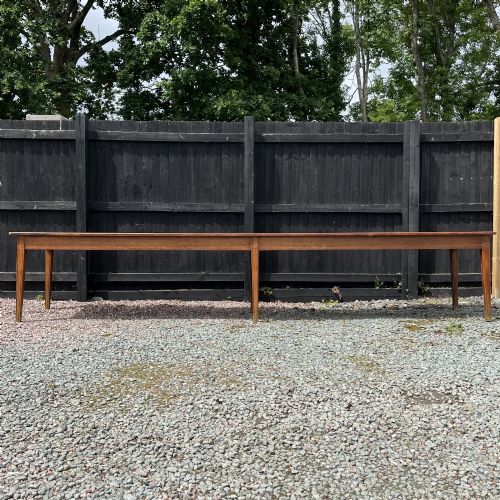


Cherrywood Refectory Table
A cherrywood refectory table brings warmth and grain to a dining room, offering long timber surfaces shaped by French provincial and country traditions.
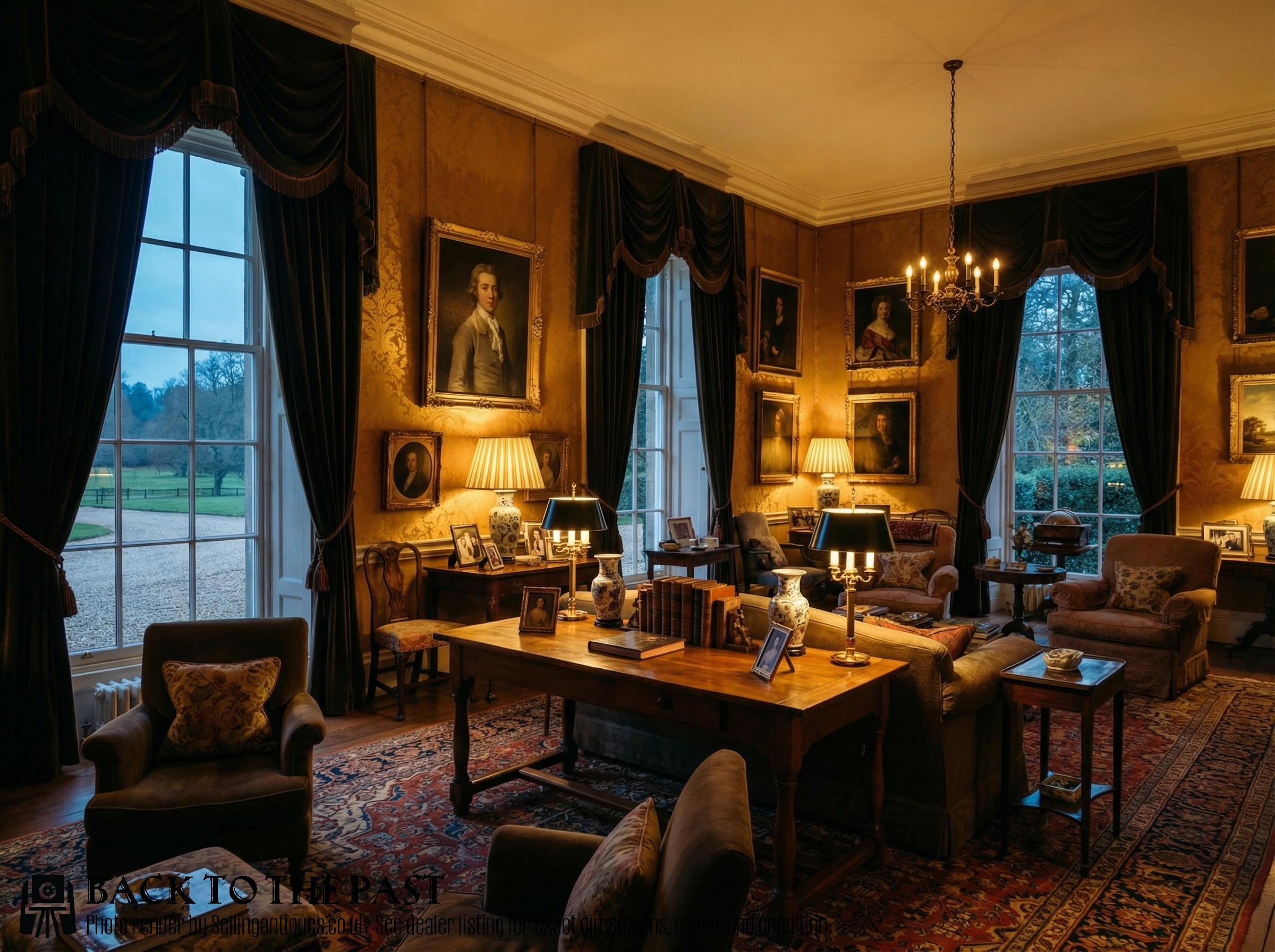
Cherrywood Refectory Table
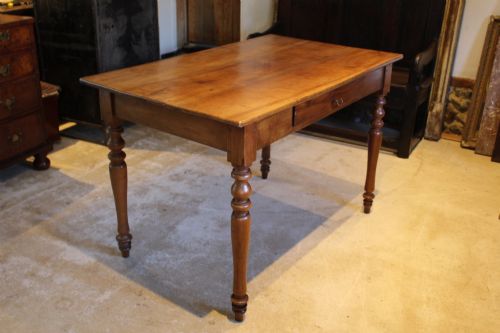
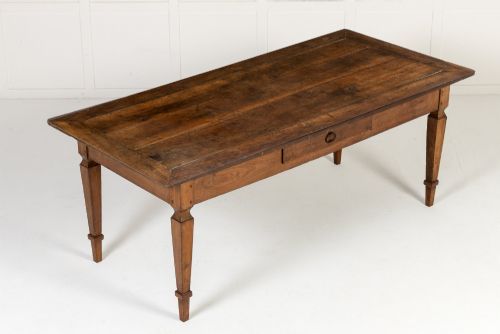
A cherrywood refectory table is a dining table built for communal meals, frequently taking the form of a French farmhouse or provincial dining table. These pieces span the eighteenth century, nineteenth century, Victorian, and Edwardian periods.
Most examples found here originate from France, displaying regional provincial styles. They appear as long dining tables, kitchen tables, and smaller side tables.
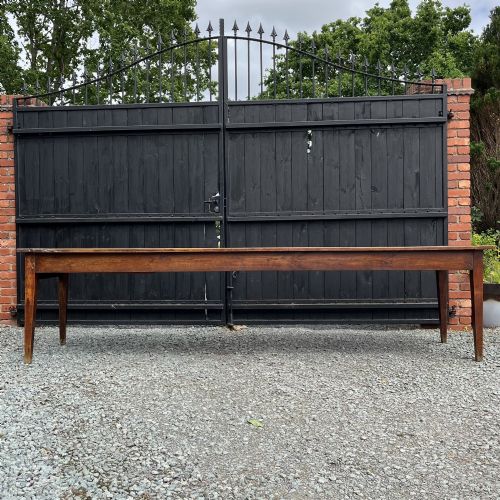
Makers designed these boards for daily use, incorporating practical elements such as drawers, sliding bread boards, and double draw leaves. The forms range from standard rectangular dining formats to extended lengths reaching over three metres.
How they were made
Makers constructed these tables primarily from solid cherrywood, complemented by secondary timbers. Workshops utilised traditional joinery to build sturdy frames capable of supporting heavy daily use.
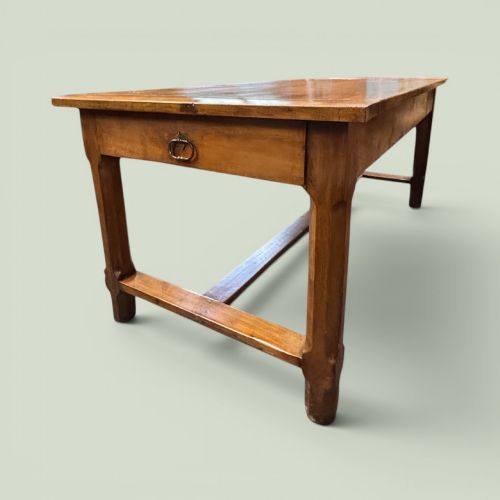
Metal fittings such as brass and iron appear in structural hardware, mechanisms, and drawer fixings. Timber surfaces developed patinas over decades of domestic service, with some pieces showing faded cherry tones.
Cherrywood Refectory Table Retail Price Guide 2026
Typical asking prices for cherrywood refectory table among the pieces listed under this phrase on Sellingantiques today, from the lower quarter to the upper quarter. They describe what is for sale here now, not the wider market.
Some tables include a hidden sliding bread board, ready for slicing farmhouse loaves just as they did centuries ago.
What varies in quality
Quality rests in the depth of the cherrywood grain, the richness of the faded patina, and the structural integrity of the timber top. Tables with original drawers and functioning sliding bread boards command greater interest.
Proportion and scale distinguish finer regional examples, particularly longer farmhouse boards and tables featuring cabriole legs. The integration of mechanical extensions, such as double draw leaves, demonstrates advanced period joinery.
The Cherrywood Refectory Table Glossary
- Refectory table
- A long dining table traditionally used in monastic refectories and large communal halls. These forms evolved into domestic farmhouse tables.
- French provincial
- A style originating from the regions of France outside Paris, reflecting local craftsmanship and domestic utility. It values sturdy construction over ornate court decoration.
- Bread board
- A sliding wooden board fitted beneath the tabletop, historically used for slicing bread. It extends the surface area when pulled outward.
- Cabriole leg
- A furniture leg that curves outward and then tapers inward, ending in a foot. This form draws inspiration from animal legs and appears on select provincial dining tables.
- Draw leaf table
- A table with leaves stored beneath the main top that pull out to lengthen the surface. This mechanism allows the table to accommodate more diners.
Cherrywood Refectory Table: Frequently Asked Questions
Are these tables good for everyday dining?
These tables were originally built for daily farmhouse use, making them sturdy enough for modern family meals. The durable cherrywood surface handles regular domestic activity while developing further character over time.
Consider the height and leg clearance when pairing chairs with older provincial frames. Some historical tables feature lower aprons that require careful chair selection.
What is a refectory table?
A refectory table is an elongated dining table originally designed for large groups to share meals. Their narrow, long proportions make them suited for modern dining rooms and kitchens.
They provide substantial seating capacity along the length of the board. Many examples include stretchers near the floor for added foot support and structural rigidity.
How do I date an antique table?
Examine the construction methods, tool marks on the timber, and the style of the legs and drawers. Hand-cut joints and uneven board widths indicate older period manufacture.
Compare the hardware, such as brass or iron drawer pulls, against known period styles. Faded timber tones and natural wear patterns also help confirm nineteenth-century or earlier origins.