

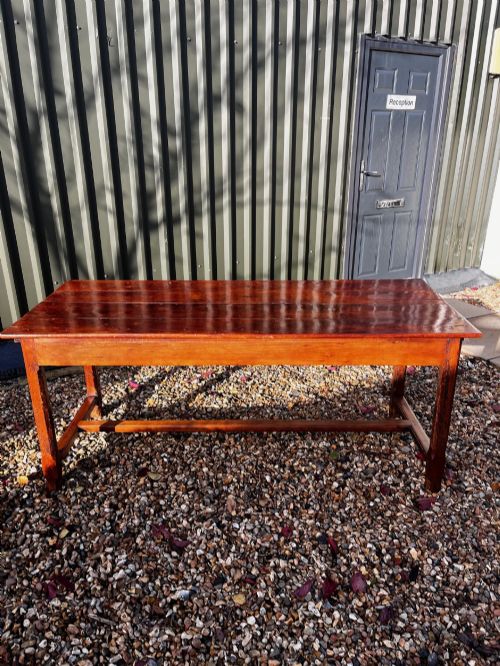
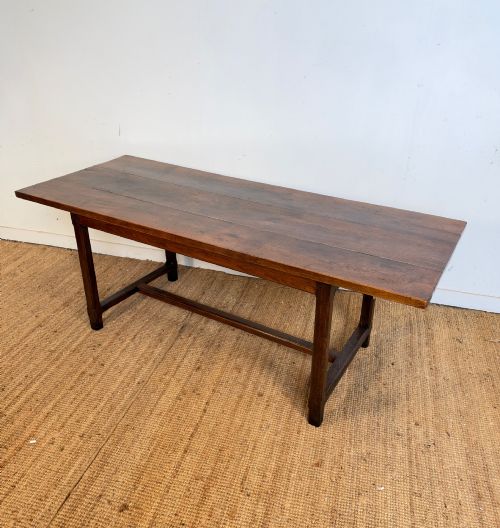
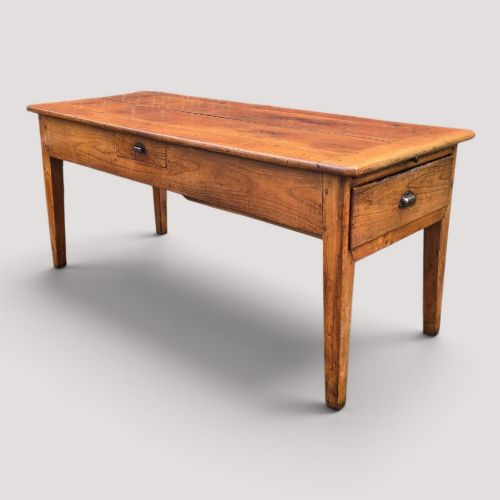
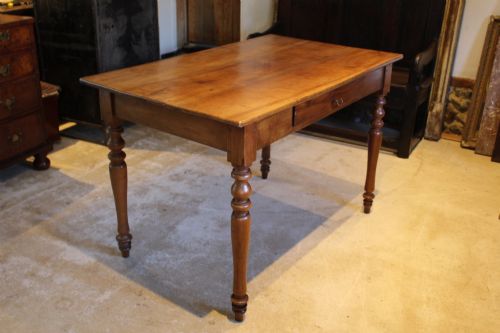


Antique Cherrywood Desk
An antique cherrywood desk offers a warm, golden patina and domestic utility, coming to you in French Provincial and Georgian forms.
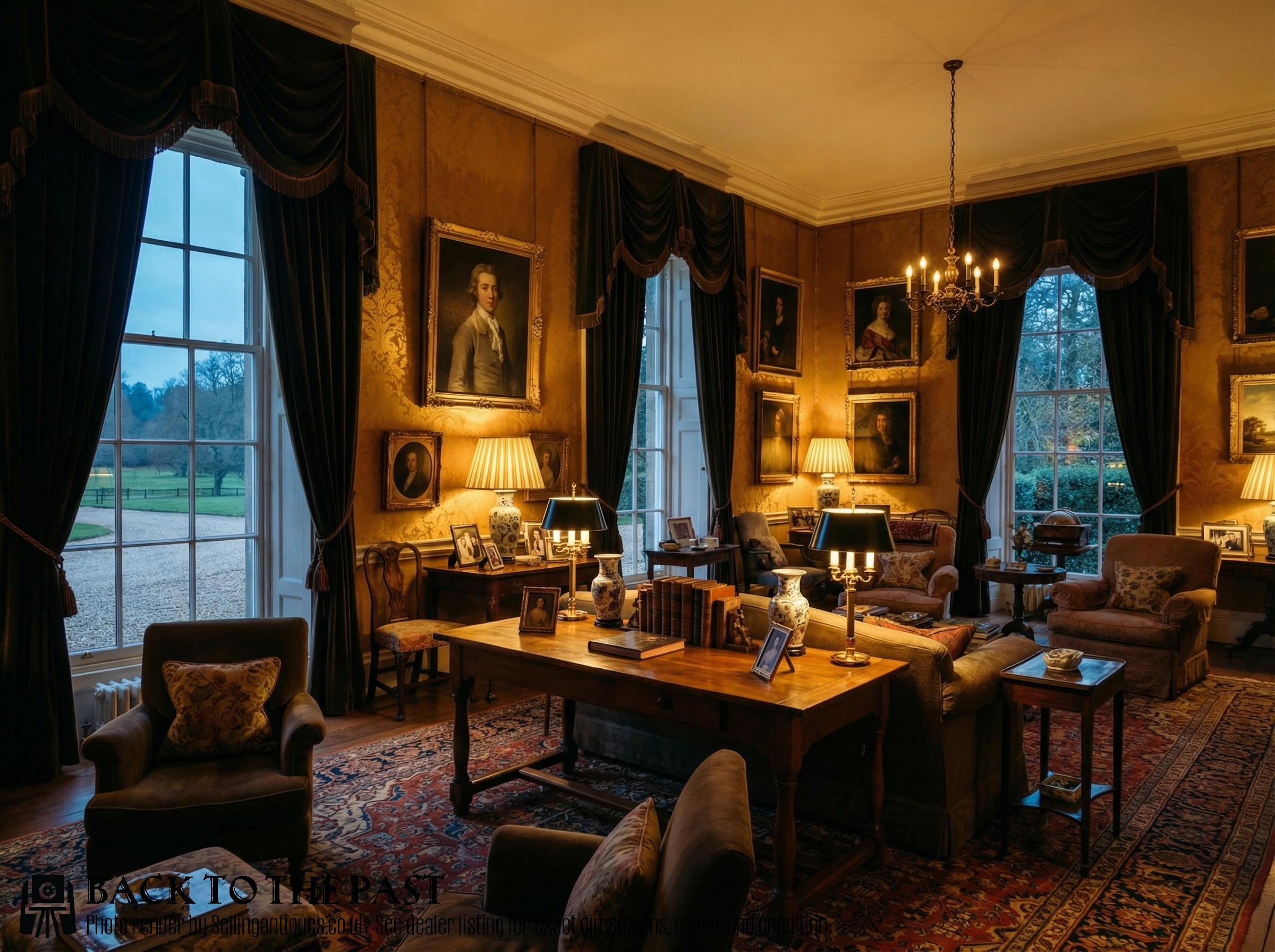
Antique Cherrywood Desk
An antique cherrywood desk combines practical workspace with the rich grain of fruitwood timbers. You will find that pieces matching this description span the eighteenth and nineteenth centuries.
The selection on this page leans heavily toward French provincial servers, side tables, and English lowboys rather than formal pedestal desks. These forms served utilitarian purposes in homes before evolving into prized collector pieces.
Origins stretch between French country workshops and English cabinetmakers working in Georgian styles. Each piece shows the domestic utility typical of regional workshops.
What varies in quality
Depth of colour and consistency of timber selection set the finer examples apart from simpler utilitarian pieces. Wood seasoned over decades retains stability and develops a richer tactile surface.
Proportion and the restraint of regional carving dictate the standing of a desk or table. Pieces retaining original brass fittings hold greater integrity than those with later replacements.
Antique Cherrywood Desk Retail Price Guide 2026
Typical asking prices for cherrywood desk among the pieces listed under this phrase on Sellingantiques today, from the lower quarter to the upper quarter. They describe what is for sale here now, not the wider market.
Fruitwood grew so prized in provincial French kitchens that local carpenters often traded timber logs directly for pressed cider and wine.
The Antique Cherrywood Desk Glossary
- Lowboy
- A small kneehole dressing table or side table with drawers, popular during the eighteenth century. It typically stands on slender cabriole or straight legs.
- Fruitwood
- A dense timber classification that includes cherry, apple, and pear. Cabinetmakers valued it for its fine grain and warm tones.
- French Provincial
- Furniture styles produced in the provinces of France during the seventeenth and eighteenth centuries. These designs interpret Parisian fashions with simpler, regional rustic charm.
- Georgian
- The period of British architecture and design spanning the reigns of the first four Georges. It encompasses stylistic shifts from heavy walnut to refined mahogany and cherry.
Antique Cherrywood Desk: Frequently Asked Questions
What is an antique cherrywood desk?
An antique cherrywood desk is a utilitarian workspace fashioned from native fruitwood timber. These pieces typically originate from eighteenth and nineteenth-century French or English provincial workshops.
Buyers choose them for the rich warmth of the timber grain and their manageable proportions. They bridge the gap between decorative furniture and daily utility.
How do I care for cherrywood?
Cherrywood benefits from regular dusting with a dry lint-free cloth and occasional application of traditional beeswax. Keep the timber away from direct heat sources and strong sunlight to prevent uneven fading.
Over-polishing can dull the natural patina built up over centuries. Simple maintenance preserves the soft sheen characteristic of old fruitwood.
How do I date a cherrywood table?
Dating relies on examining construction marks, timber thickness, and joinery methods. Eighteenth-century pieces often show hand-cut dovetails and pegged joints beneath the surface.
Hardware styles and tool marks provide further clues to the decade of manufacture. Comparing the piece against documented regional examples confirms the period.
Where were these pieces made?
Surviving pieces originate primarily from regional workshops in France and England. French provincial makers and English cabinetmakers utilised local fruitwoods for domestic commissions.
Rural makers adapted high-style metropolitan designs to suit local materials and simpler domestic requirements. This regional character defines the charm of the surviving inventory.