







Cherry Wood Dining Table
A cherry wood dining table brings warmth to a room through rich grain and patination.
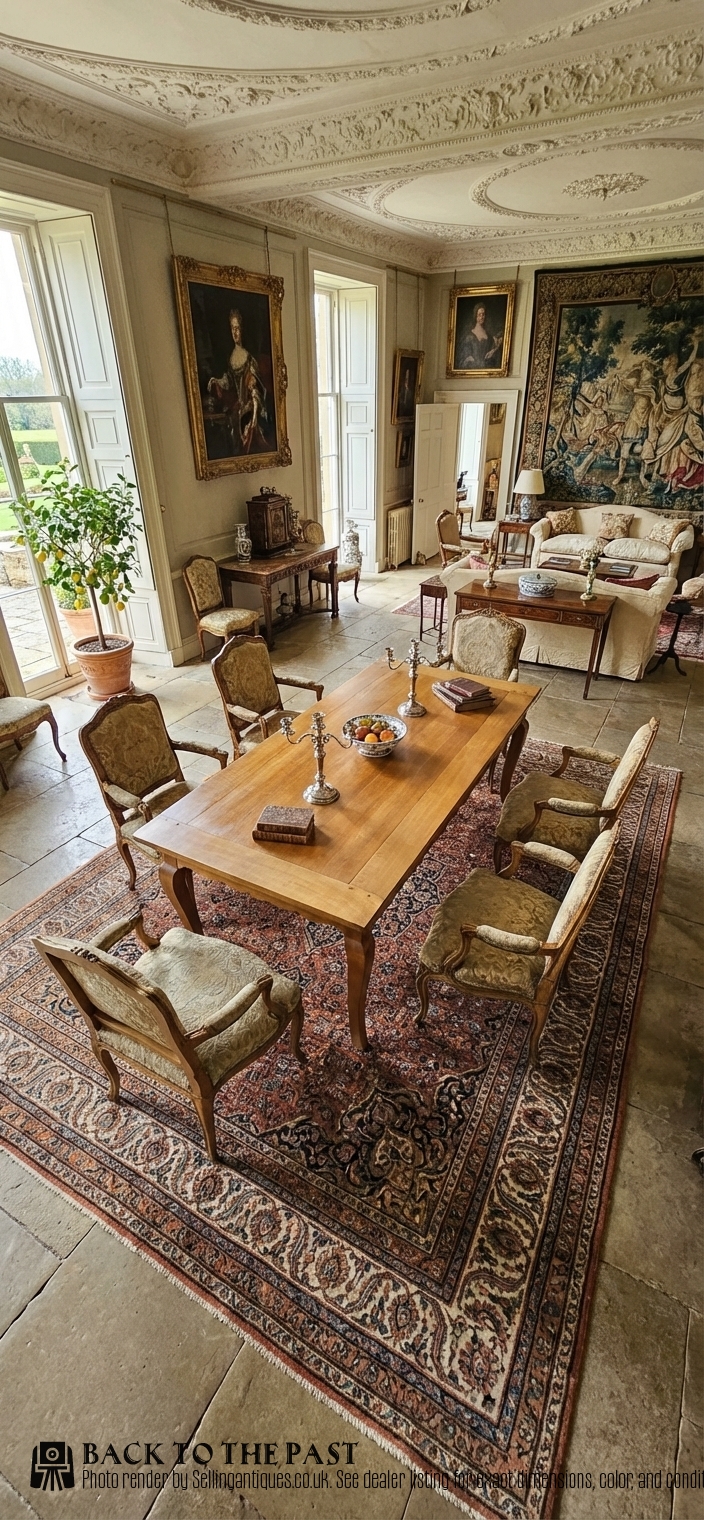
Cherry Wood Dining Table
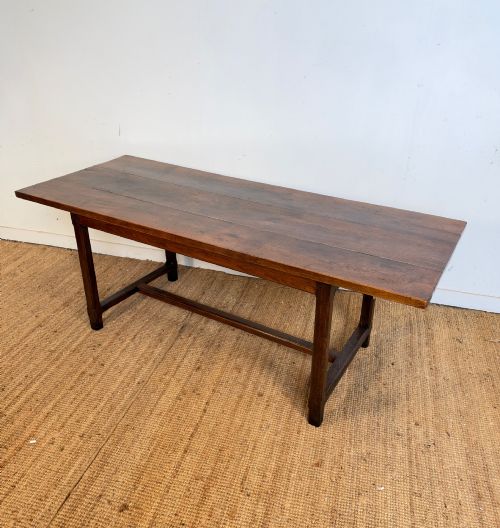
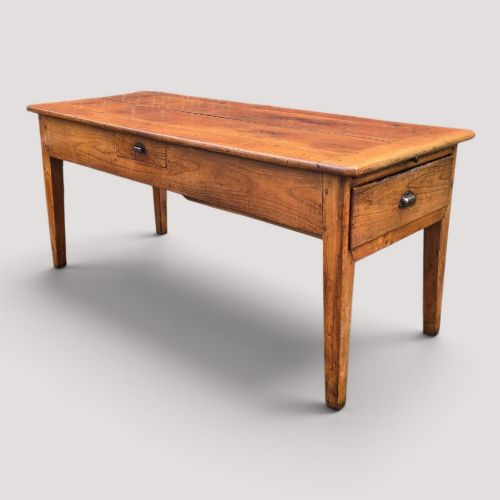
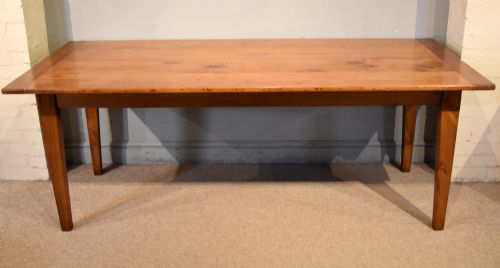
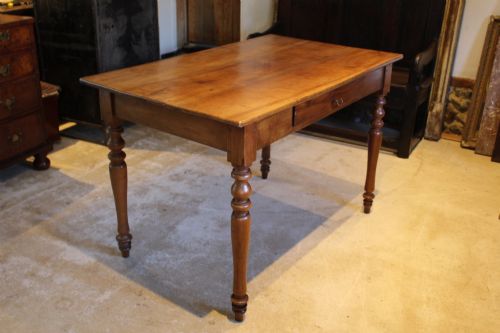
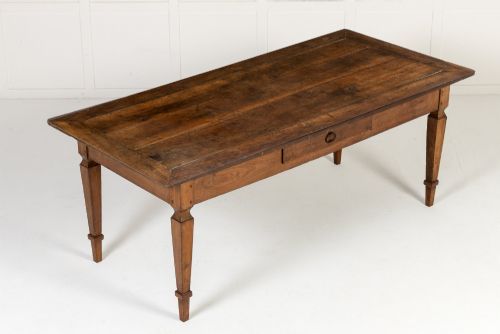
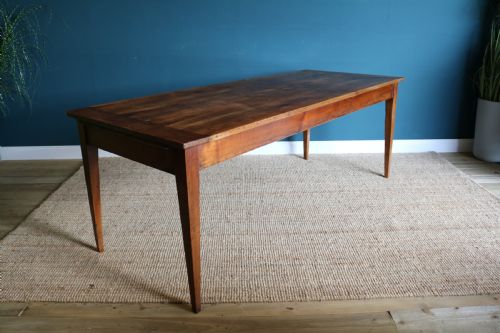
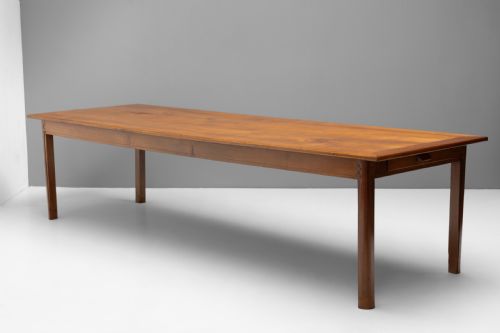
A cherry wood dining table bridges formal dining and rustic utility, appearing most often in provincial French farmhouse or refectory formats. These pieces range from compact kitchen tables to large manor house boards that seat eight to twelve guests.
The inventory leans heavily towards nineteenth-century examples alongside eighteenth-century originals and early twentieth-century reproductions in Georgian styles. Buyers encounter sturdy refectory designs built for daily household use.
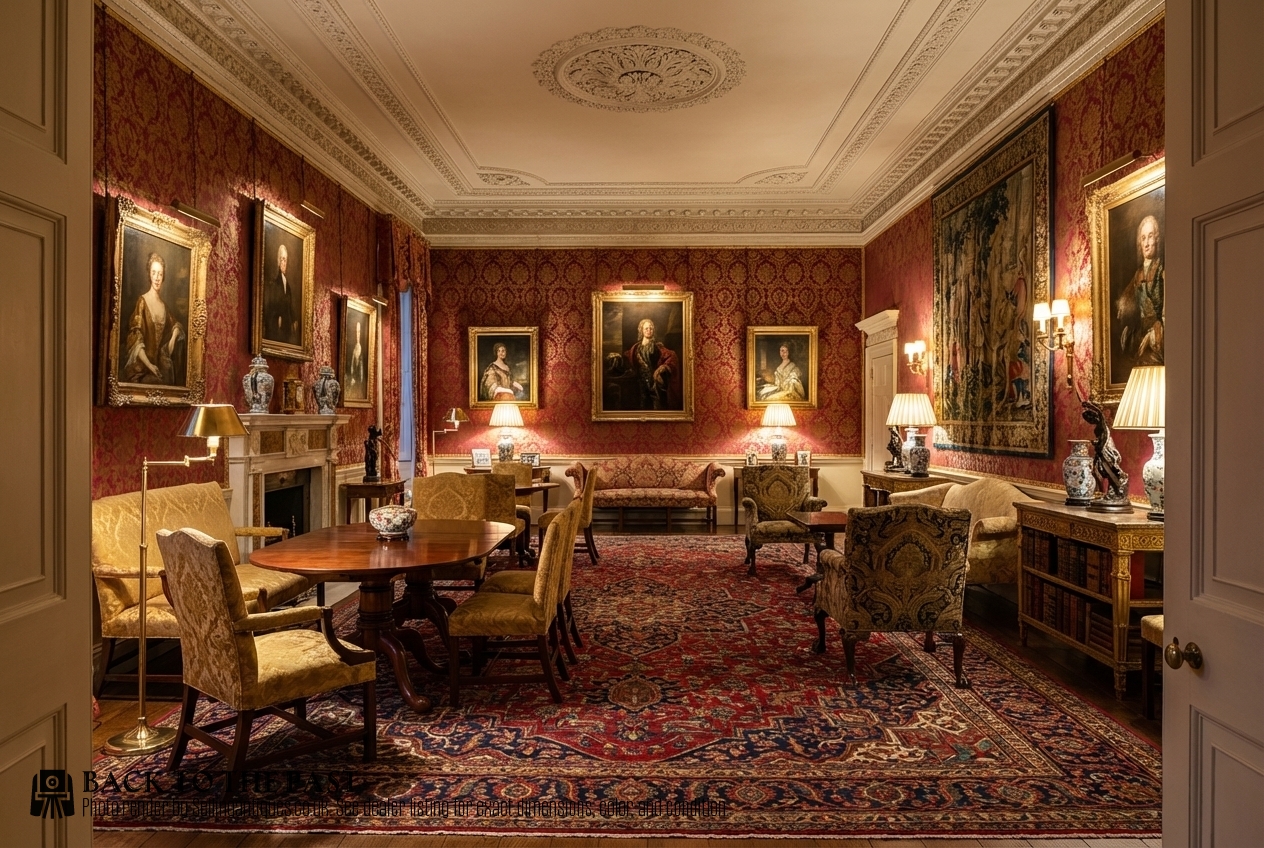
How they were made
Joiners built these tables primarily from solid cherry wood and fruitwood, occasionally incorporating oak for structural support underneath. Metal and brass fixings appear selectively in extension mechanisms and drawer hardware.
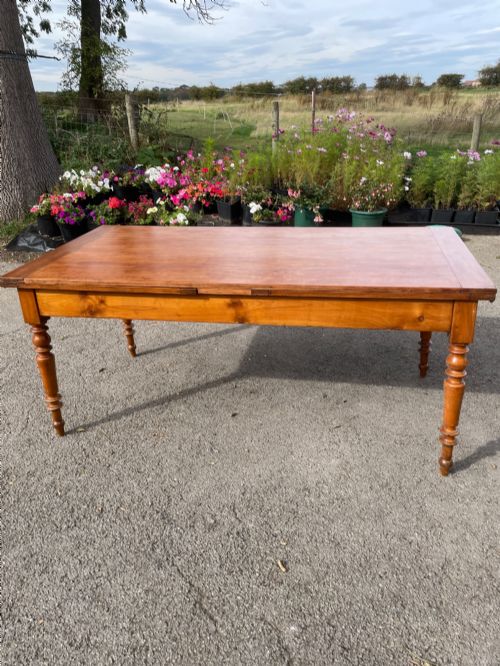
Construction methods rely on robust refectory framing, turned wooden legs, or cabriole legs on provincial French variants. Double extending mechanisms and sliding boards utilise integrated timber tracks built directly into the table apron.
Cherry Wood Dining Table Retail Price Guide 2026
Typical asking prices for cherry wood dining table among the pieces listed under this phrase on Sellingantiques today, from the lower quarter to the upper quarter. They describe what is for sale here now, not the wider market.
What varies in quality
The character of the timber surface dictates much of the visual distinction, separating faded, patinated fruitwood from plainer secondary timber boards. Older eighteenth-century examples exhibit deeper surface maturation developed through generations of use.
Structural complexity alters the standing of individual tables, distinguishing simple four-legged farm formats from sophisticated double extending tables with operational bread slides and fitted drawers.
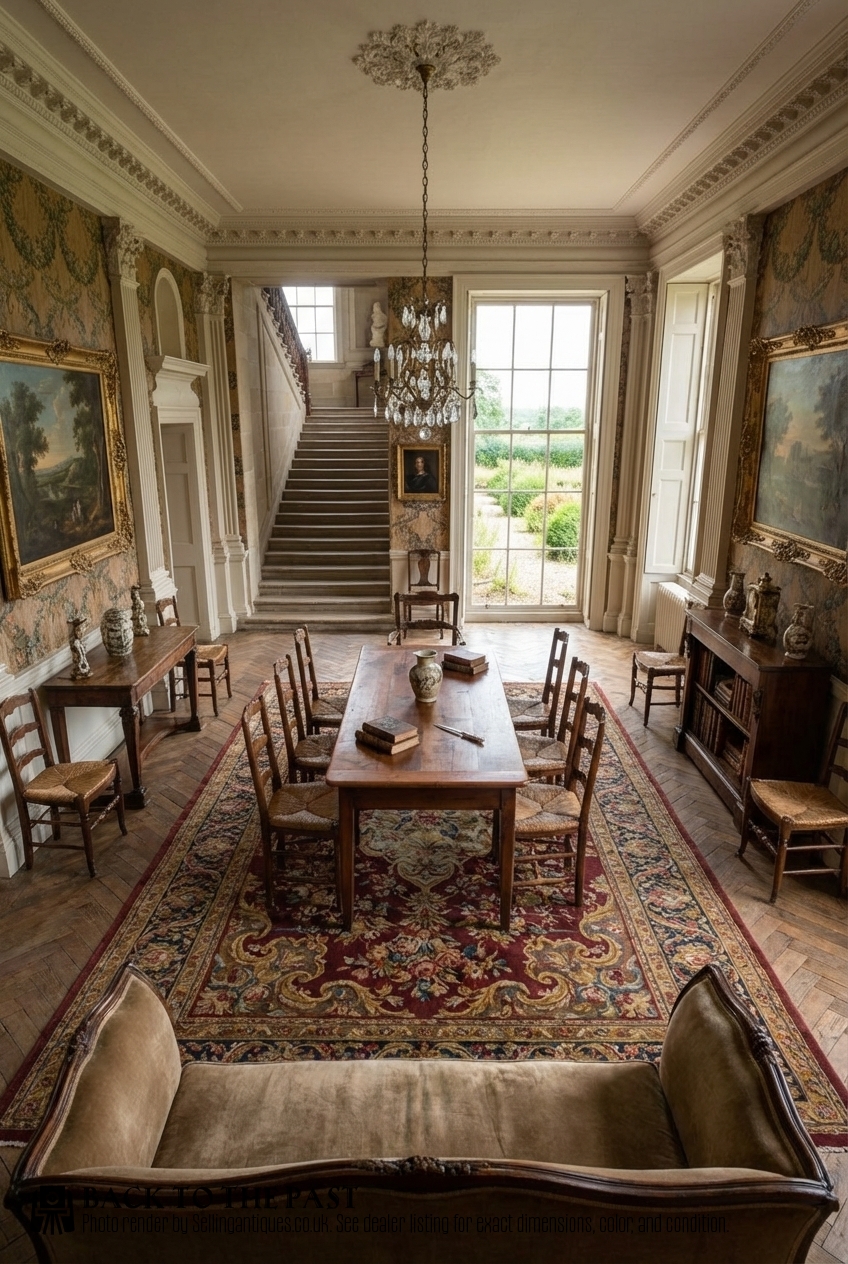
The Cherry Wood Dining Table Glossary
- Bread slide
- A pull-out wooden board mounted beneath the table top used historically for cooling bread or expanding workspace. This clever feature hides discreetly until needed during meal preparation.
- Refectory table
- A long narrow dining table traditionally built for communal dining halls and monastic refectories. These pieces utilise sturdy stretcher bases to maintain stability over long spans.
- Fruitwood
- A dense timber classification encompassing cherry, apple, and pear wood used extensively in provincial furnituremaking. It yields a warm, honeyed tone as age and sunlight affect the surface.
- Cabriole leg
- A furniture leg that curves outward in a convex arc before tapering inward to a foot, typical of refined continental styling. This shape mimics animal limbs and requires skilled woodworking.
- Vendange table
- A utilitarian table associated with wine harvest gatherings in rural France. These sturdy boards accommodated large groups working outdoors or sorting fruit.
Cherry Wood Dining Table: Frequently Asked Questions
How do I clean a cherry wood dining table?
Wipe surfaces using a slightly damp cloth followed immediately by a dry lint-free towel to protect the aged finish.
Avoid harsh chemical sprays or silicone polishes that degrade historical timber patination over extended periods of use.
Can I seat ten people comfortably?
Larger manor house examples and double extending tables provide sufficient leg room and surface area for seated gatherings of eight to twelve guests.
Check the clearance beneath the side aprons to ensure dining chairs slide fully underneath.
What is a bread slide used for?
Original bread slides offered extra wooden surface area for slicing loaves or setting out serving dishes during busy kitchen preparation.
Modern owners utilise these sliding panels to extend table space temporarily without inserting leaves.
How do I date an antique cherry table?
Examine the underside construction marks, timber shrinkage patterns, and hand-cut joinery details visible within the apron and drawer frames.
French provincial pieces from the eighteenth and nineteenth centuries often display tool marks left by regional joiners.