






Cherry Wood Kitchen Table
A cherry wood kitchen table brings warmth to a room through centuries of French farmhouse tradition.
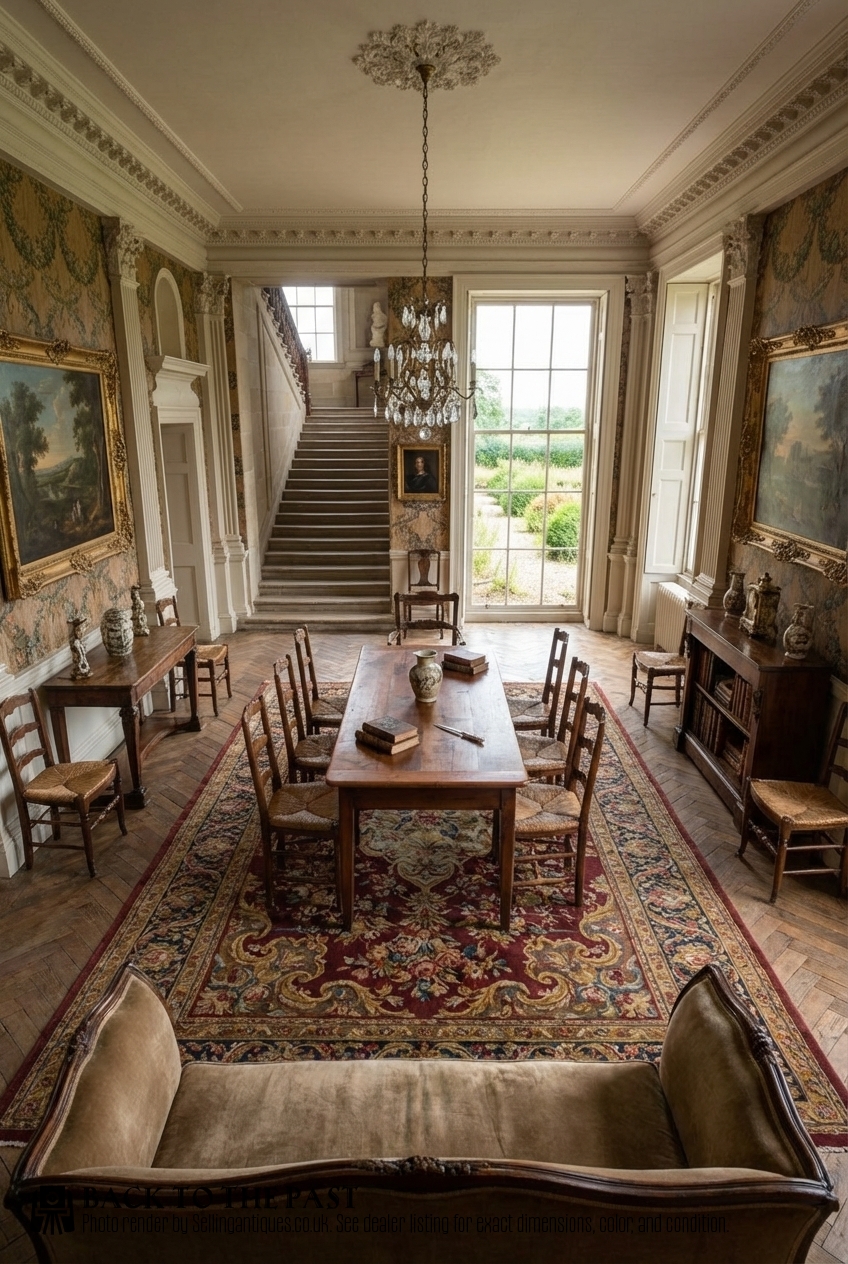
Cherry Wood Kitchen Table
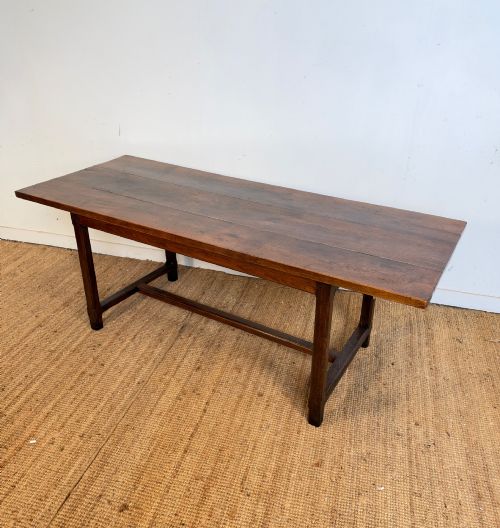
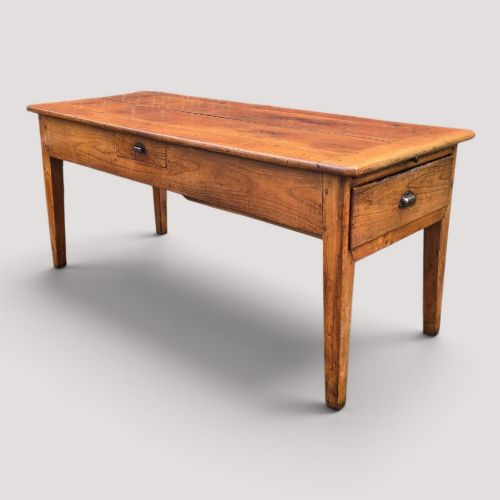
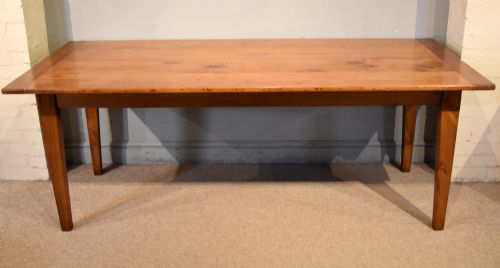
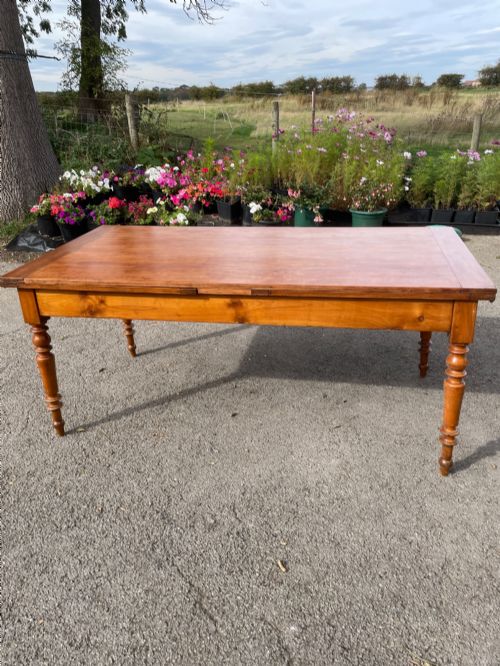
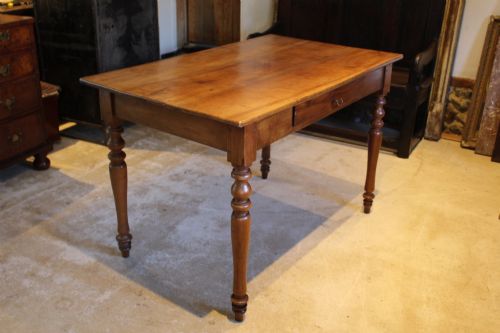
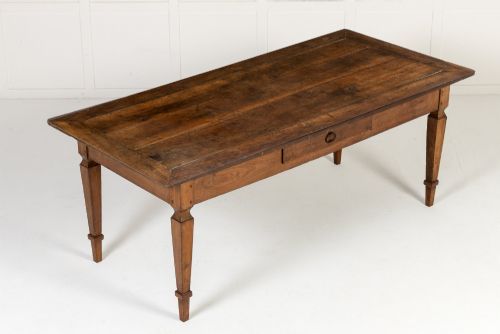
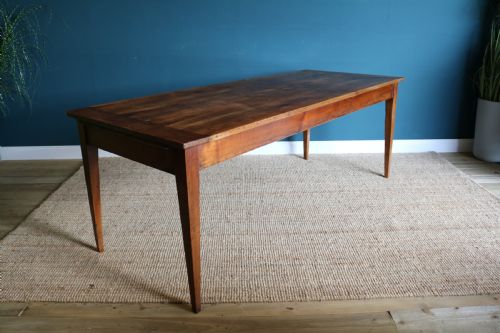
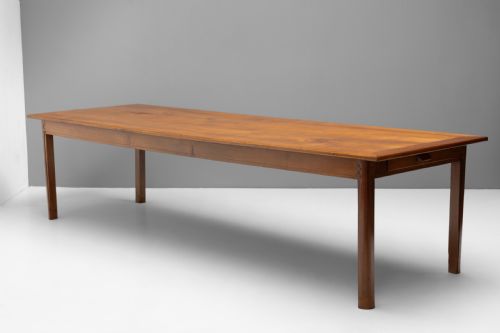
When searching for a cherry wood kitchen table, you encounter substantial timber pieces built for daily domestic use in rural French homes. The listings here comprise nineteenth-century farmhouse tables, refectory styles, and country kitchen formats designed for gathering and food preparation.
The material identity spans cherry wood, cherrywood, fruitwood, and timber. These designations reflect the native orchard timbers utilised by regional cabinet makers to construct sturdy dining and kitchen surfaces.
How they were made
Joiners constructed these tables primarily from solid cherry wood and allied fruitwoods selected for density and grain character. Regional makers shaped the timber using hand tools, assembling tops with breadboard ends to manage seasonal wood movement.
Structural hardware occasionally incorporates brass and metal fittings, particularly on extending mechanisms and drawer pulls. These components support functional elements such as sliding bread boards and double extending frames.
Cherry Wood Kitchen Table Retail Price Guide 2026
Typical asking prices for cherry wood kitchen table among the pieces listed under this phrase on Sellingantiques today, from the lower quarter to the upper quarter. They describe what is for sale here now, not the wider market.
Materials documented across the pieces include cherry wood, fruitwood, brass, metal, and general timber.
What varies in quality
Quality rests in the proportional balance of the timber and the integrity of the original construction. Superior examples display mature fruitwood boards with rich patination developed through decades of active service in French country houses.
The refinement of leg profiles, such as carved cabriole supports versus plain farmhouse stretchers, distinguishes standard utility pieces from manor house commissions. Original joinery intact without excessive timber replacement commands greater architectural presence.
The Cherry Wood Kitchen Table Glossary
- Bread board
- A pull-out wooden board integrated beneath the tabletop, historically used for slicing bread and expanding surface area. These sliding panels operate on wooden runners built directly into the apron.
- Refectory table
- A long, narrow dining table traditionally built for communal dining halls and large farmhouses. These forms rely on strong underframes and stretchers for stability without bulky central pedestals.
- Cabriole leg
- A furniture leg that curves outward in a convex arc and tapers inward in a concave arc, mimicking animal limbs. This style appears frequently on provincial French tables from the nineteenth century.
- Fruitwood
- A collective term for timber harvested from fruit-bearing trees such as cherry, pear, and apple. This wood yields dense grain patterns and warm tones that develop deep patination over time.
Cherry Wood Kitchen Table: Frequently Asked Questions
How do I use a cherry wood kitchen table daily?
A cherry wood kitchen table serves as a central surface for dining, food preparation, and family gathering. Daily use enhances the timber as natural oils from hands and everyday wear build a rich patination over the surface.
Protect the wood from excessive moisture by using coasters and mats. Regular wiping with a dry or slightly damp cloth maintains the finish without stripping the historical surface.
Are these tables French in origin?
The majority of pieces originate from French provincial regions, including Alsace and Bresse. Regional makers built these tables for country houses, manor kitchens, and farmhouses using local fruitwoods.
Stiles and proportions reflect distinct local cabinet-making traditions. Details such as cabriole legs and sliding bread boards point directly to nineteenth-century French workshop practices.
How do I identify a nineteenth-century piece?
Nineteenth-century tables display hand-cut joinery marks and timber boards that show natural variation across the top. Construction methods rely on pegged mortise and tenon joints rather than modern industrial fasteners.
Examine the underside and drawer construction for tool marks left by period joiners. Faded cherry surfaces and timber shrinkage offer further indicators of age.
What is a bread board end?
A bread board end is a transverse piece of timber attached across the main board ends of a table top. This technique conceals end-grain and helps keep the long planks flat as the wood responds to humidity.
Traditional tables often pair these fixed ends with sliding bread boards housed beneath the top. This combination maximises surface utility while respecting timber movement.