






Antique Cherry Dining Table
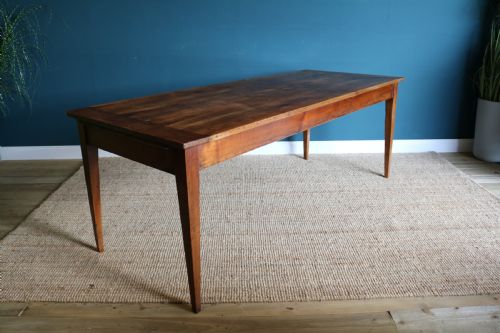
An antique cherry dining table brings warmth to a room with its rich grain and honest French farmhouse construction.
Antique Cherry Dining Table
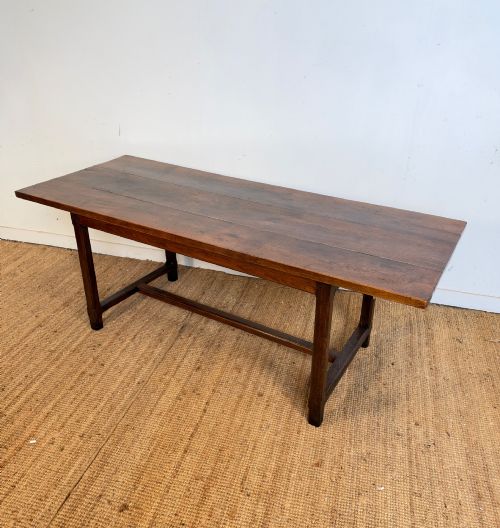
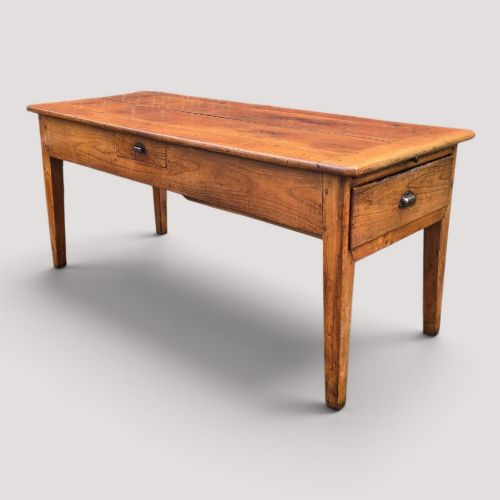
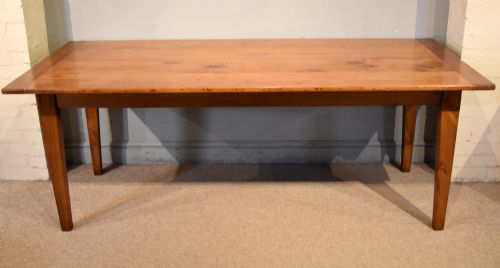
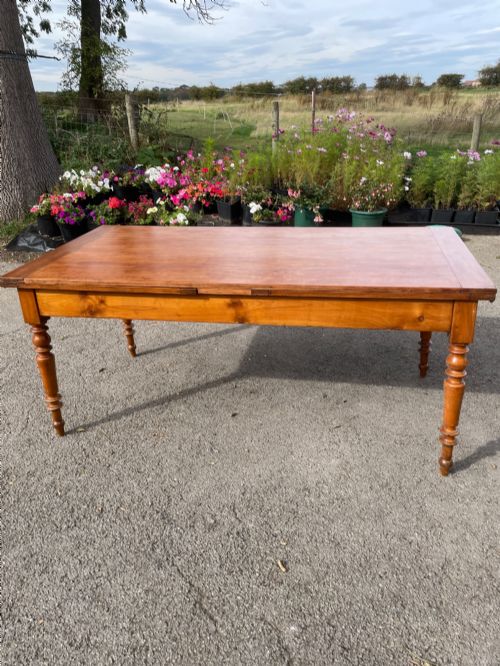
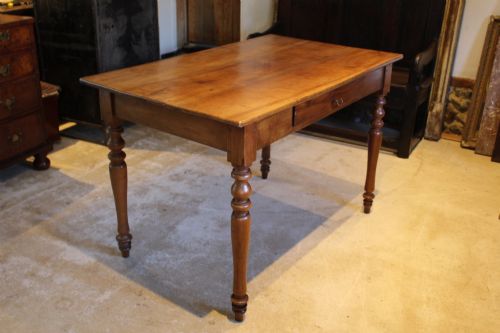
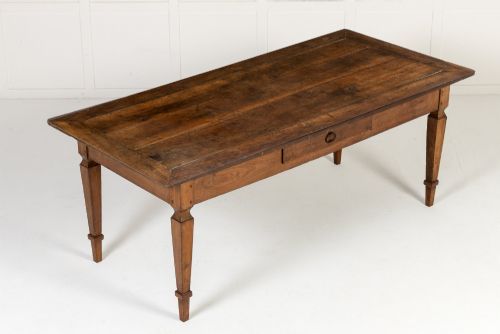
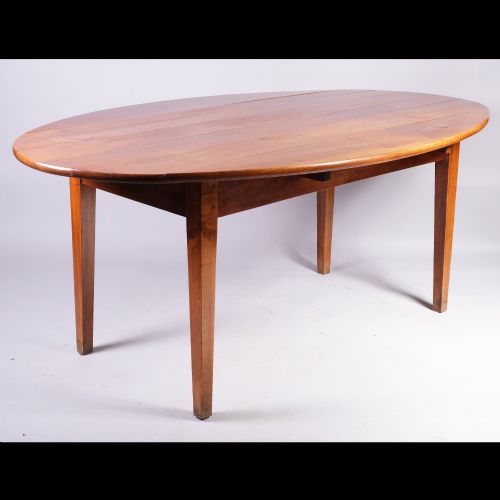
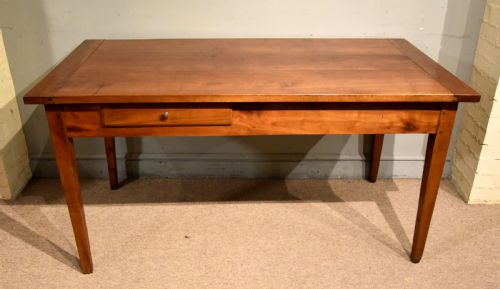
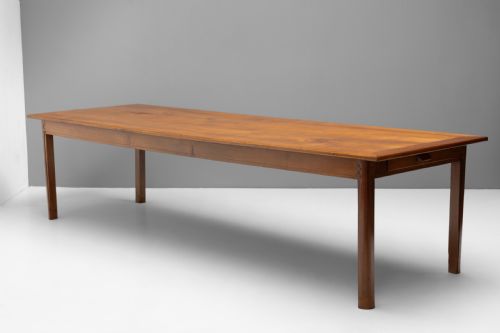
You will encounter various practical forms designed for busy kitchens and dining halls. These include traditional refectory tables, double extending formats with bread slides, folding vendange tables, and examples featuring cabriole legs and single drawers.
How they were made
Joiners built these tables primarily using solid cherry wood and fruitwood, occasionally pairing cherry tops with oak framing for extra structural strength. Metal and brass hardware appear in mechanisms such as extension leaves and folding frames.
Construction techniques focused on utility and endurance, utilising pegged joints and thick timber tops. Many pieces incorporate functional additions like sliding bread boards, end drawers, and double draw leaves for adjustable length.
Antique Cherry Dining Table Retail Price Guide 2026
Typical asking prices for cherry dining table among the pieces listed under this phrase on Sellingantiques today, from the lower quarter to the upper quarter. They describe what is for sale here now, not the wider market.
Listings feature cherry wood, fruitwood, and oak across eighteenth and nineteenth-century French farmhouse tables.
What varies in quality
The distinction between standard examples and superior pieces lies in the depth of the timber patina and the refinement of the carpentry. Tables with well-figured cherry wood, original hardware, and balanced proportions command greater appreciation.
Proportion and scale also dictate quality, particularly in larger manor house or refectory formats. Tables retaining original working mechanisms, such as smooth-running bread slides and extension leaves, demonstrate superior original construction.
The Antique Cherry Dining Table Glossary
- Bread slide
- A pull-out board traditionally used for slicing bread or expanding surface area. It slides directly beneath the table top.
- Refectory table
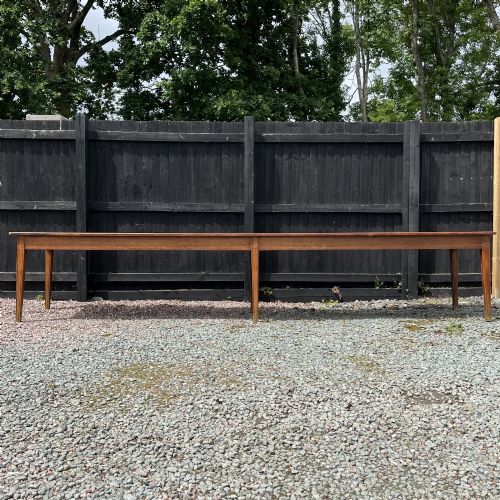
- A long, narrow dining table originally built for communal dining halls. These pieces emphasise sturdy legs and stretcher bases.
- Vendange table
- A folding table designed for use during grape harvests in France. They feature hinged tops and folding wooden bases for easy storage.
- Cabriole leg
- A furniture leg that curves outward at the knee and tapers inward at the ankle. This form is common on finer provincial tables.
Antique Cherry Dining Table: Frequently Asked Questions
How do I clean an antique cherry table?
Wipe the surface gently with a soft, slightly damp cloth to remove everyday dust and debris. Avoid harsh chemical cleaners or silicone sprays that can damage the aged timber.
Apply a traditional beeswax polish occasionally to nourish the cherry wood and maintain its natural lustre. Buff the surface gently with a dry cloth after application.
Can I use daily as a kitchen table?
These tables were originally built for heavy daily use in farmhouses and kitchens, making them robust enough for modern dining. The solid cherry wood handles regular family life and shared meals very well.
Use protective mats under hot dishes and drinks to protect the antique finish from heat rings and moisture marks. Quick attention to spills preserves the timber top.
What is a bread slide used for?
A bread slide is a pull-out wooden board mounted beneath the main table top. Historically, people used this board for cutting bread or resting hot dishes during kitchen preparation.
Today, it provides extra surface space when dining and tucks away neatly when not in use. It remains a key indicator of traditional French farmhouse design.
How do I identify French provincial styles?
French provincial tables typically feature simpler, honest construction compared to formal urban furniture. They often showcase regional variations in leg shape, such as tapered or cabriole legs, combined with thick cherry tops.
Look for practical additions like end drawers for cutlery and natural signs of age in the fruitwood grain. These details point directly to provincial French workshops.