
French Farmhouse Kitchen Table
A french farmhouse kitchen table brings solid timber and honest regional utility straight to the heart of the home.
What they are
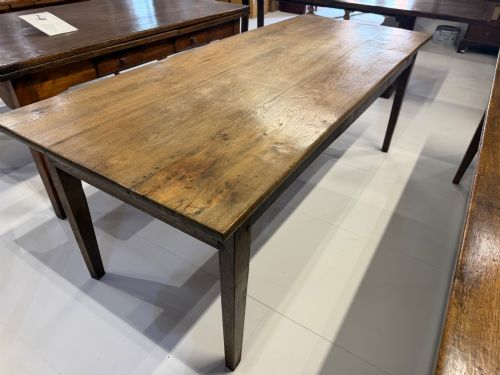
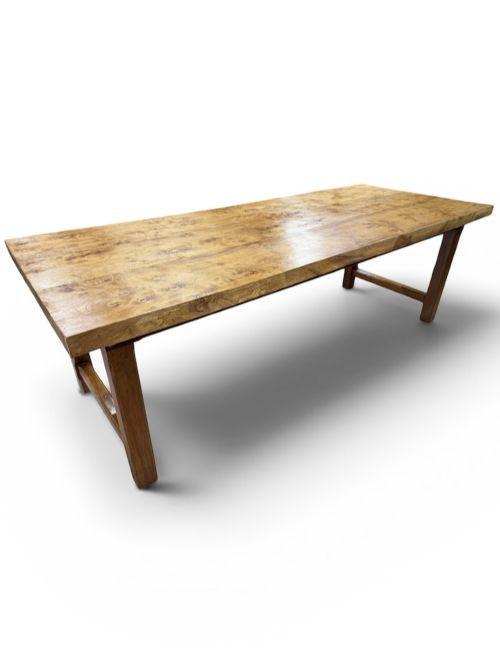
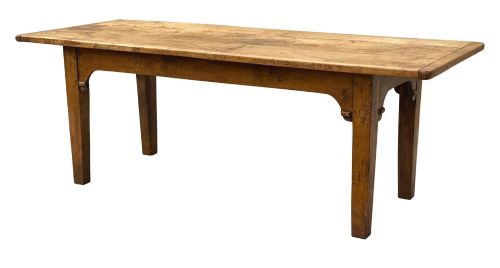
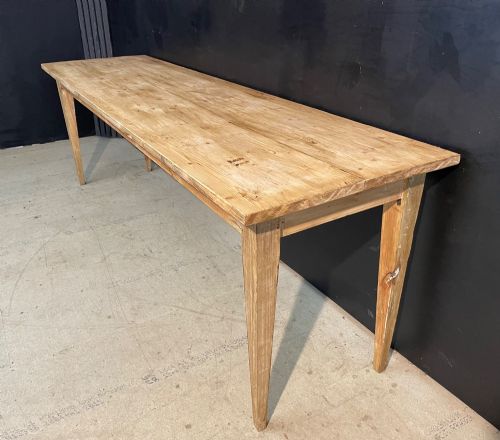
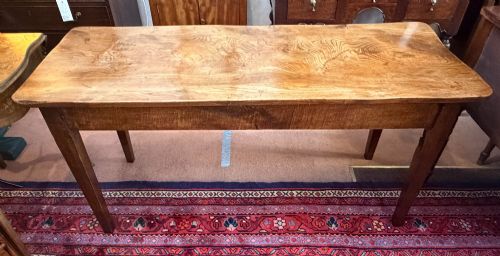
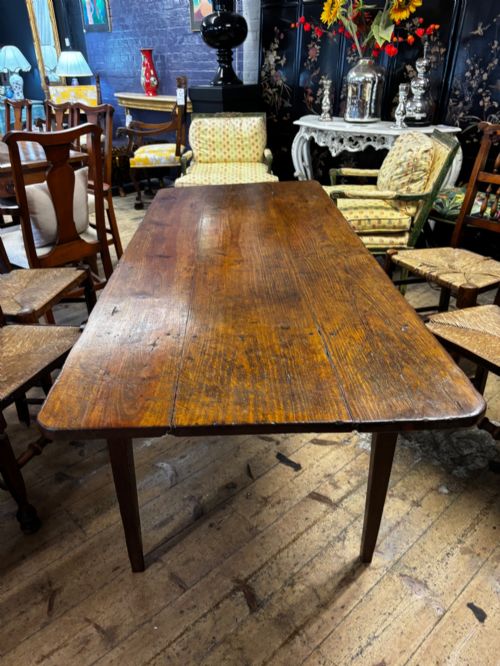
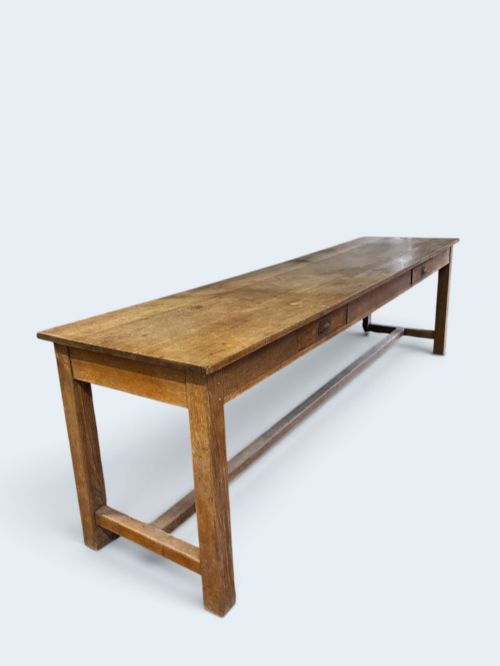
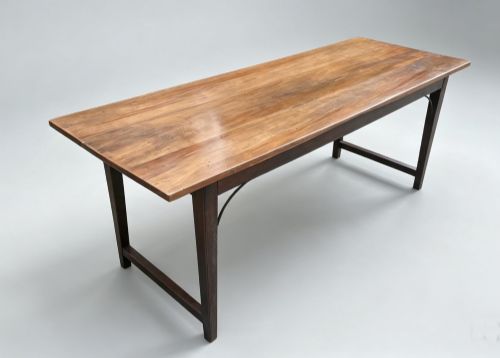
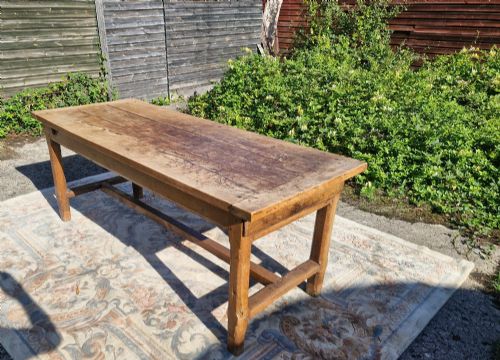
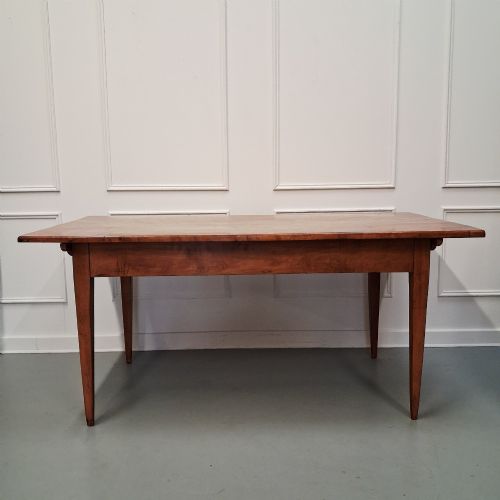
A french farmhouse kitchen table is a large, sturdy dining surface built for everyday rural use in provincial regions. These pieces primarily serve as communal gathering places for meals and food preparation, reflecting a straightforward domestic purpose.
Most examples found here date from the nineteenth century or around nineteen twenty, encompassing styles such as French Provincial and French Country. They take the form of generous dining tables designed to accommodate large families and guests.
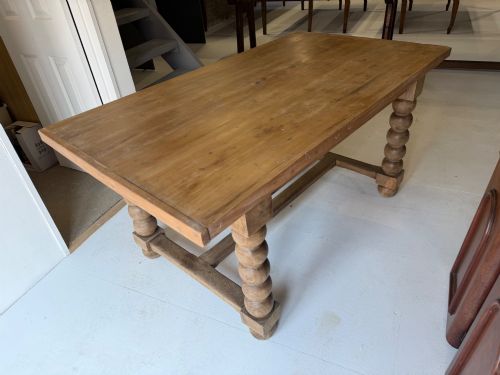
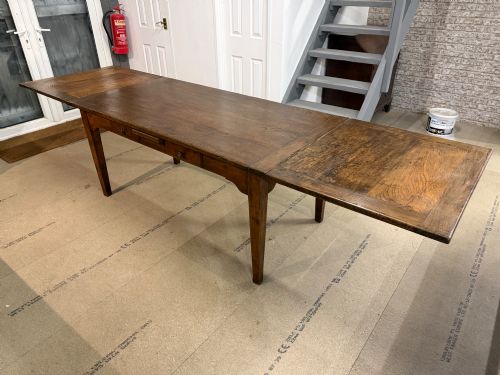
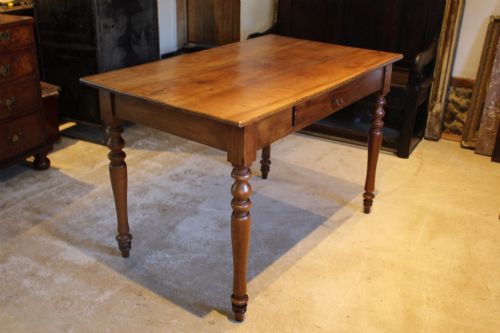
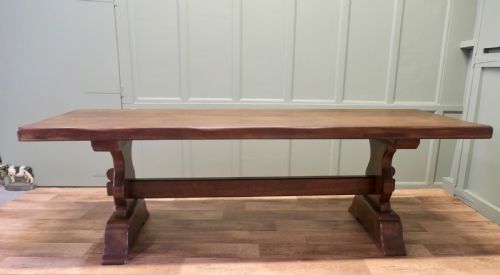
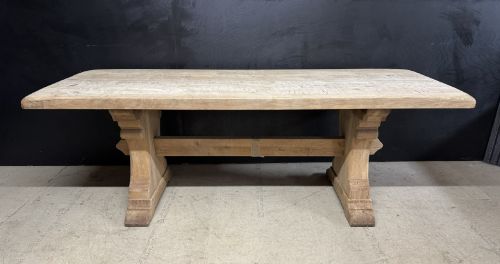
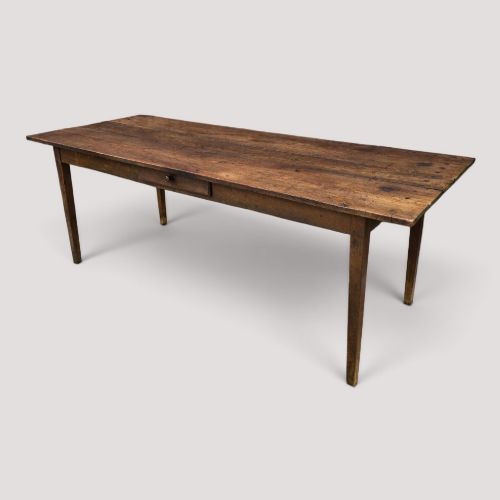
Surviving formats range from simple plank construction to refectory styles, occasionally incorporating functional additions like single drawers, double drawers, extending leaves, or pull-out slides. The scale is typically substantial, often spanning several feet to suit expansive kitchens.
How they were made
Joiners built these tables using robust native timbers including oak, cherry, walnut, chestnut, pine, pear wood, elm, poplar, and fruitwood. These hardwoods and softwoods provided the necessary structural strength for heavy daily labour.
Construction methods relied on thick timber planks for the tops, supported by solid frames and legs, sometimes accented with iron hardware. Surviving items occasionally display painted pine surfaces alongside unpainted natural wood finishes.
Recorded periods span the nineteenth century and the year nineteen twenty across provincial French styles.
What varies in quality
Quality rests primarily on the choice of timber and the integrity of the original construction. Dense hardwoods like oak and cherry provide superior longevity and a finer grain compared to softer woods like pine or poplar.
The French Farmhouse Kitchen Table Glossary
- Refectory table
- A long dining table traditionally used in communal halls and large kitchens. This form provides extended seating capacity along both sides.
- French Provincial
- A style originating from the provinces outside Paris, combining practical rustic construction with modest decorative shaping. It reflects local craftsmanship rather than courtly fashion.
- Extension leaf
- A movable board fitted to the main surface to lengthen the table for larger gatherings. These mechanisms allow the top to expand when needed.
- Fruitwood
- A collective term for timber sourced from fruit-bearing trees such as cherry or pear. These woods yield warm tones and fine grain patterns.
- Plank top
- A surface constructed from several wide boards laid side by side. This method was standard for heavy kitchen tables before sheet materials existed.
Frequently Asked Questions
How do I clean a wooden table top?
Wipe the surface regularly with a soft, damp cloth to remove everyday dust and debris. Avoid harsh chemical cleaners that can strip the natural finish of the timber.
Dry the wood thoroughly after cleaning to prevent moisture damage. Periodic application of natural wax helps nourish the grain and protects against daily wear.
Can these tables be used daily?
These tables were originally built for heavy daily use in busy rural kitchens. Their sturdy construction makes them well suited for modern family dining and regular household tasks.
Using placemats and coasters helps protect the aged timber from heat and moisture marks. Embracing minor operational marks allows the history of the piece to show.
How do I identify a nineteenth-century piece?
Examine the timber boards for hand-sawn tool marks and traditional joinery methods. Nineteenth-century examples often display irregular grain patterns and construction details unique to provincial workshops.
Check for hardware such as hand-forged iron nails or hinges that match period manufacturing techniques. Wear patterns around the edges also indicate decades of authentic domestic service.