



Antique Wooden Work Table
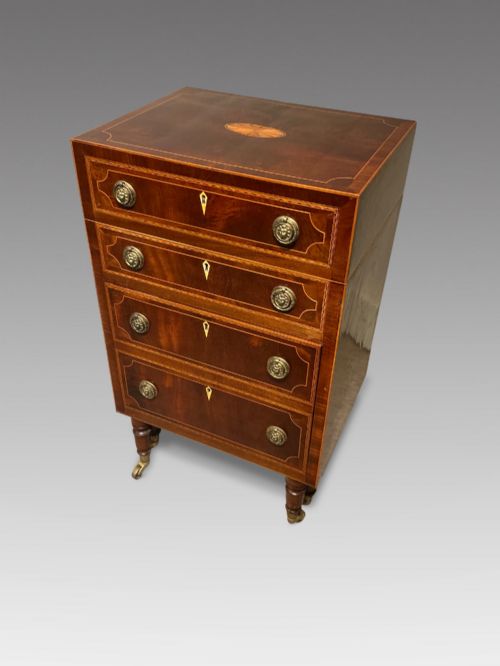
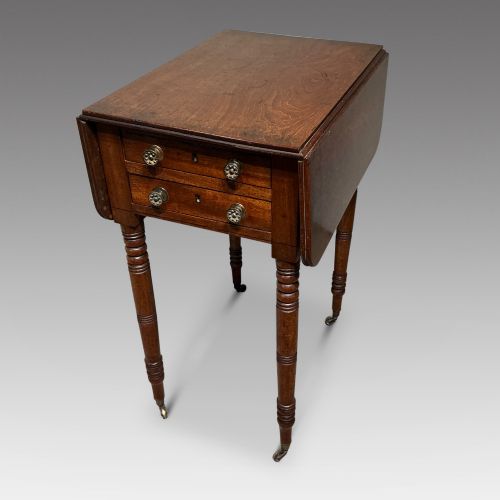
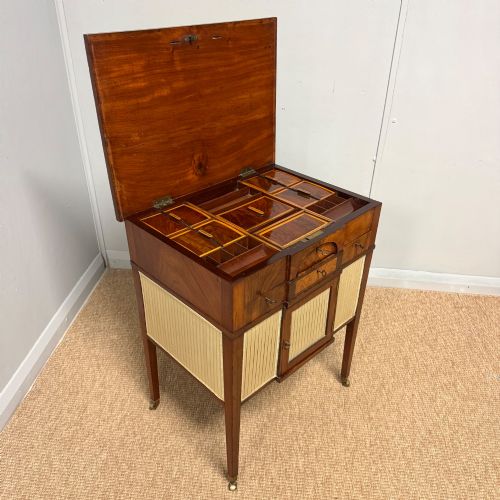
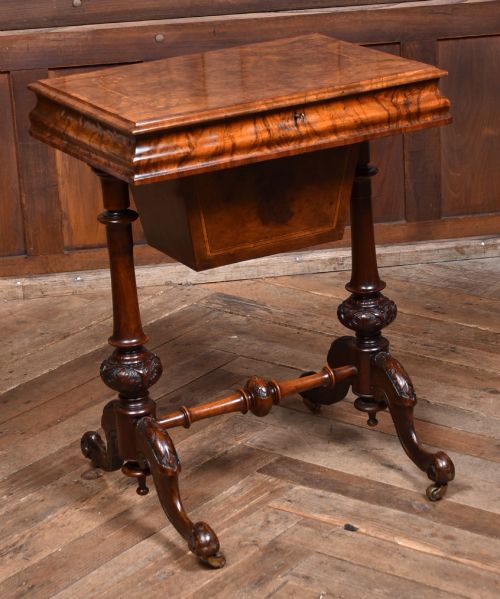
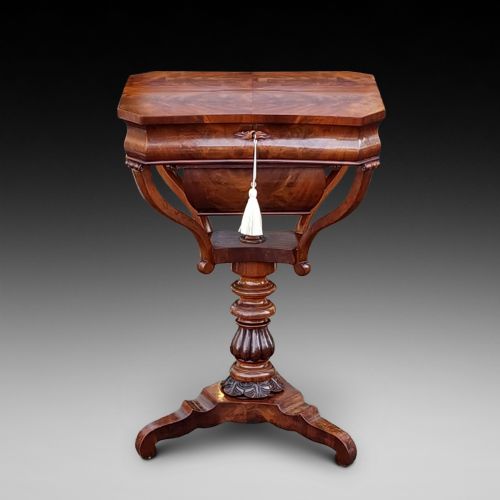
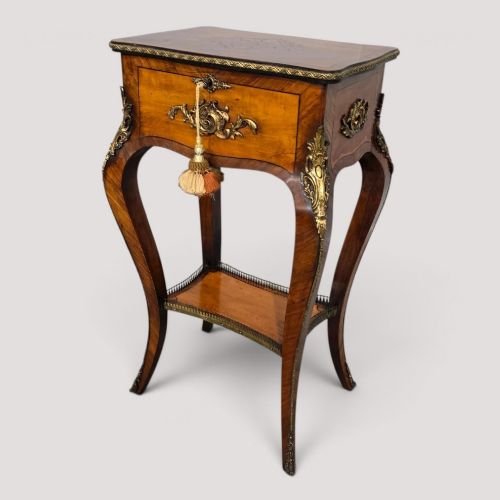
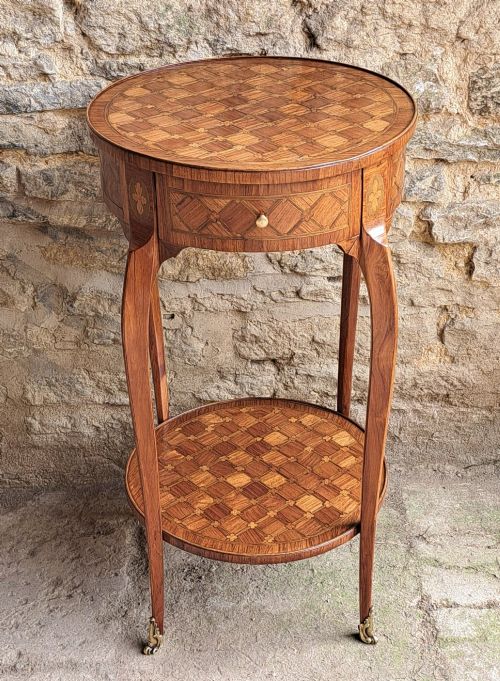
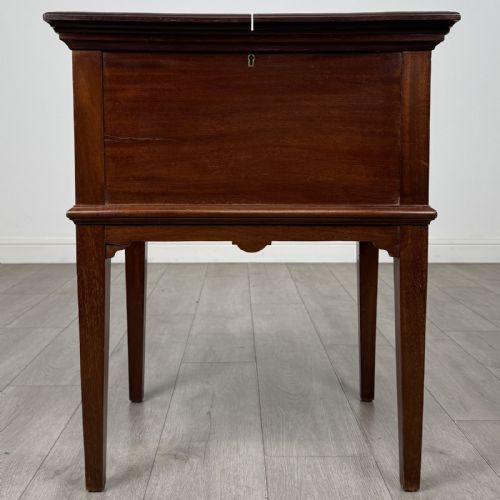
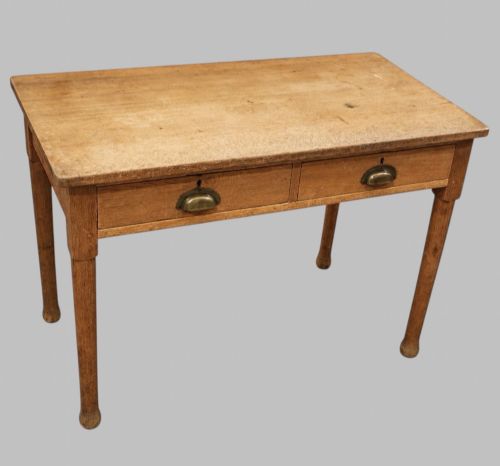
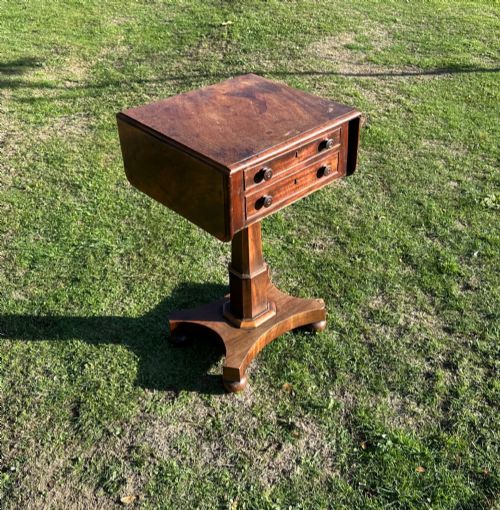
An antique wooden work table offers a practical surface combined with fitted compartments designed for sewing, writing or preparation.
Antique Wooden Work Table
An antique wooden work table is a functional domestic piece designed for specific tasks such as sewing, writing or kitchen preparation. These items date from the 17th century through to the 20th century, encompassing Georgian, Regency, Victorian and Edwardian periods.
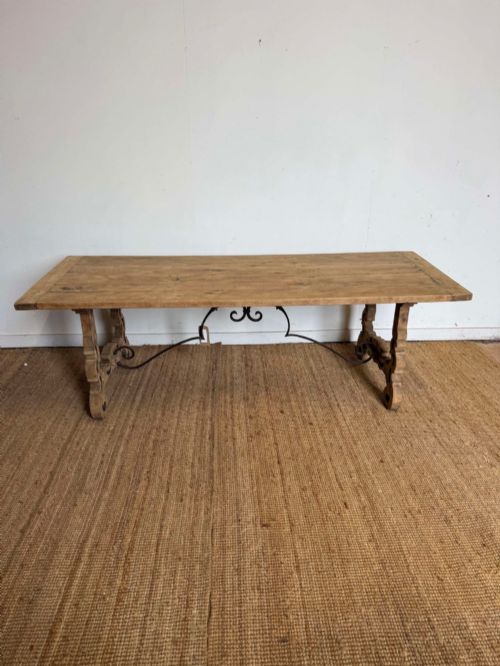
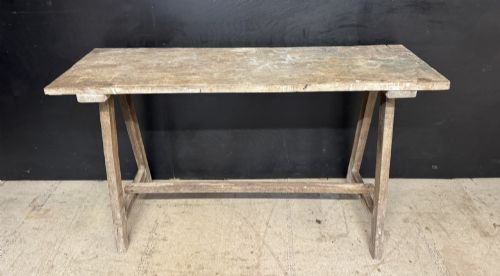
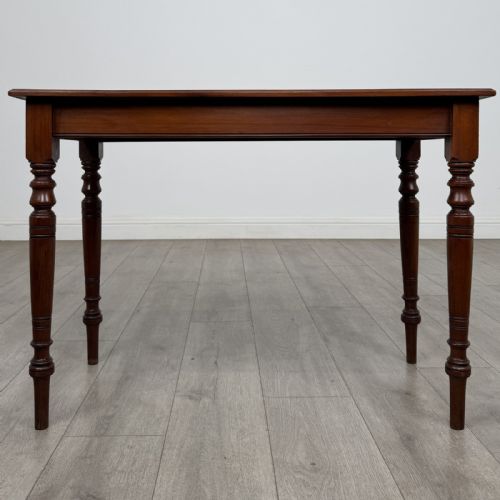
The versions most commonly met on this page include mahogany, walnut, rosewood and pine examples. Formats range from refined ladies sewing tables with fitted interiors to sturdy rustic farmhouse and dairy prep tables.
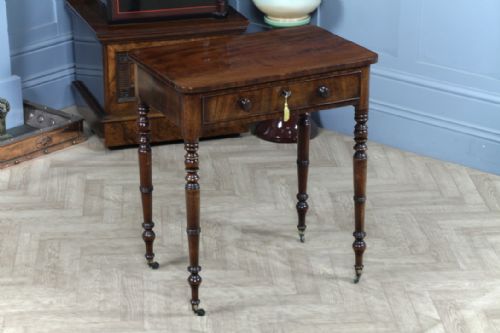
Many incorporate drawers, drop leaves or dual tiers for utility. They serve equally well as lamp tables, side tables or functional surfaces in modern rooms.
How they were made
Cabinet makers utilised a variety of timbers including dense hardwoods like mahogany, walnut and rosewood alongside softer woods such as pine, sycamore and fruitwood. Finer pieces incorporate decorative veneers like burr walnut, satinwood and harewood.
Joinery techniques matched the intended function of the table, ranging from delicate dovetailed drawers in parlour sewing tables to robust plank construction in country house prep and farmhouse tables. Brass fittings, castors and inlaid details frequently complete the construction.
Antique Wooden Work Table Retail Price Guide 2026
Typical asking prices for wooden work table among the pieces listed under this phrase on Sellingantiques today, from the lower quarter to the upper quarter. They describe what is for sale here now, not the wider market.
Several tables retain hidden compartments originally designed for spools of silk and ivory bobbins.
What varies in quality
The distinction between standard utility items and finer examples lies in the selection of timbers and the sophistication of the joinery. Finely-drawn proportions, well-figured veneers and intact fitted interiors elevate a piece above basic workshop production.
Originality of surface finish and hardware also separates examples. Retaining original patination, operational internal compartments and period brass castors indicates superior preservation and craftsmanship.
The Antique Wooden Work Table Glossary
- Drop leaf
- A hinged section of a table top that can be folded down to save space or raised to extend the surface area.
- Satinwood
- A durable hardwood with a natural golden sheen, frequently used for decorative inlay and finer cabinet work.
- Patina
- The surface sheen and mellowing developed through age, handling and regular use over the decades.
- Burr walnut
- A figured wood grain resulting from a tree growth, highly prized for decorative veneer panels on Victorian furniture.
Antique Wooden Work Table: Frequently Asked Questions
What is an antique wooden work table used for today?
These tables adapt easily to modern rooms as bedside stands, lamp tables or compact desks. Their original drawers and compartments provide useful concealed storage for small items.
Larger pine and farmhouse variants function well as kitchen prep surfaces or sideboards. Their sturdy construction suits daily domestic use.
How do I identify a Victorian work table?
Victorian examples often feature rich timbers like mahogany or walnut with turned legs and fitted interior compartments for sewing or writing. They frequently date from the mid to late 19th century.
Heavier carved details and darker finishes are common markers of this period. Many incorporate wool bags or small drop leaves beneath the main surface.
Are pine farmhouse tables considered work tables?
Sturdier pine and sycamore tables often originate as dairy, prep or farmhouse work tables designed for heavy kitchen tasks. They lack the delicate fitted interior of a sewing table but share the functional utility of the work table category.
Plain timber tops and robust frames distinguish these utilitarian country pieces from parlour furniture.