


Victorian Chess Table
When you search for a victorian chess table, you are looking at dual-purpose furniture designed for parlour entertainment and domestic elegance.
Victorian Chess Table
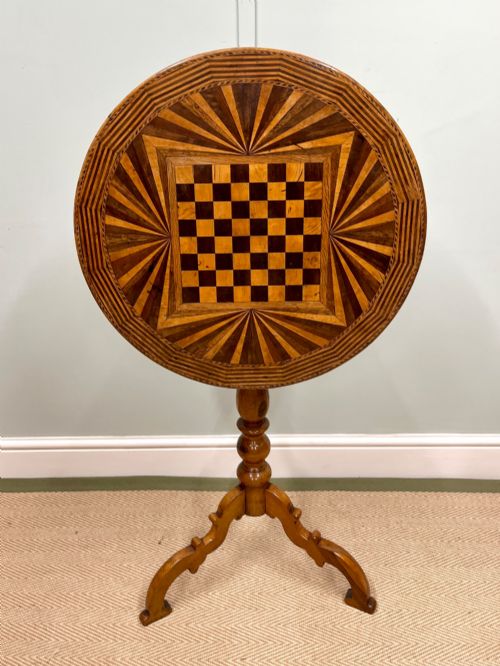
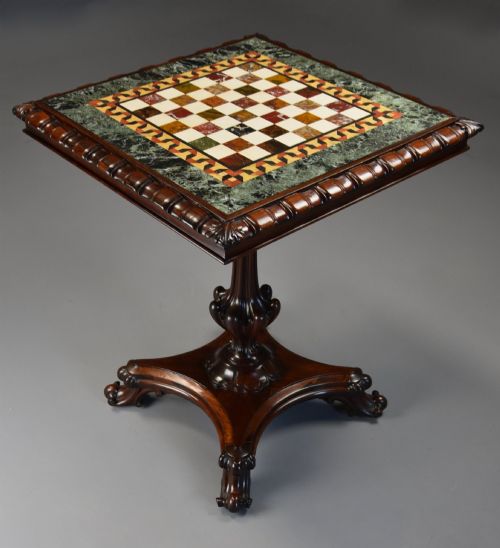
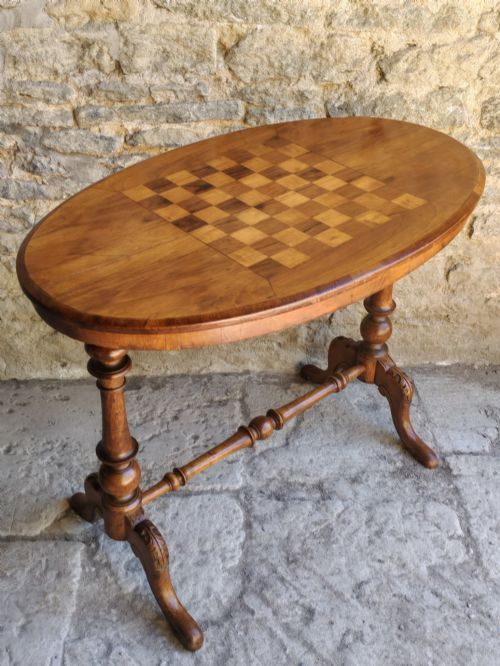
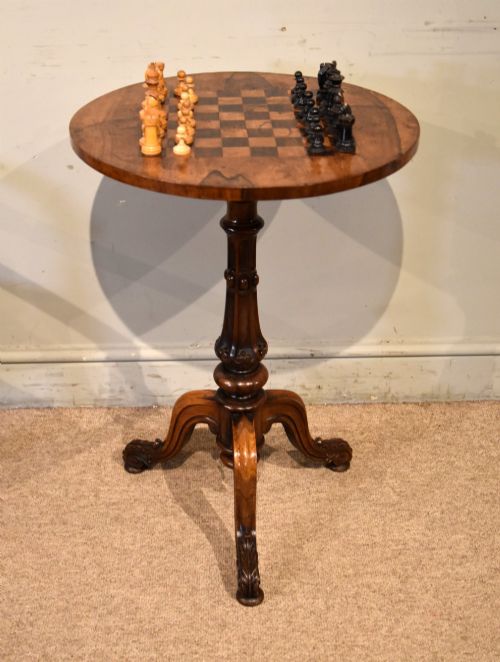
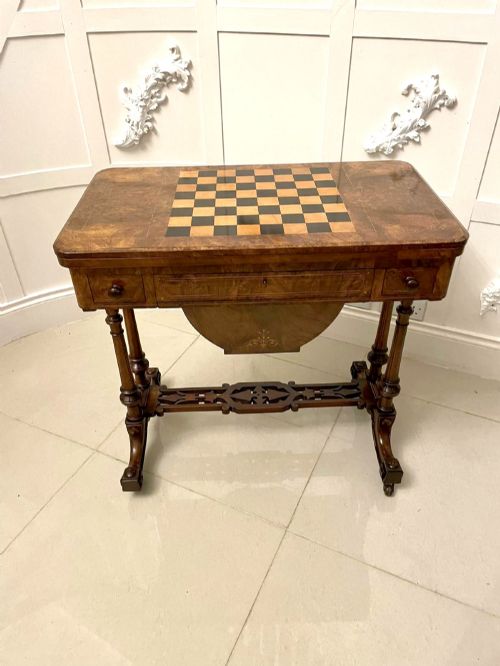
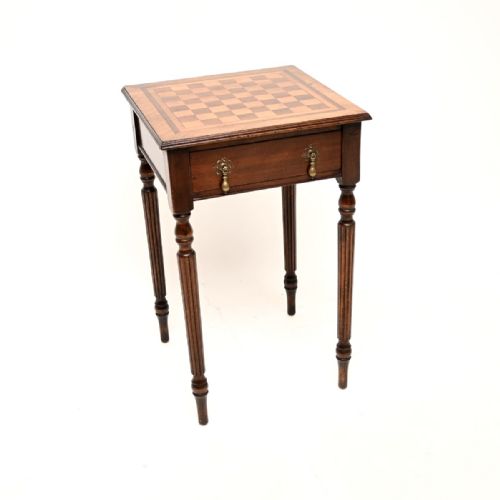
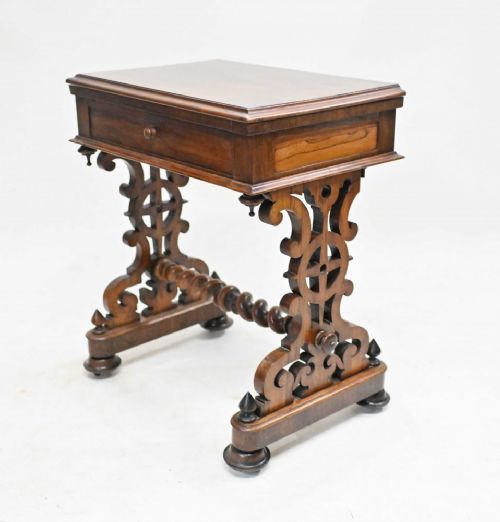
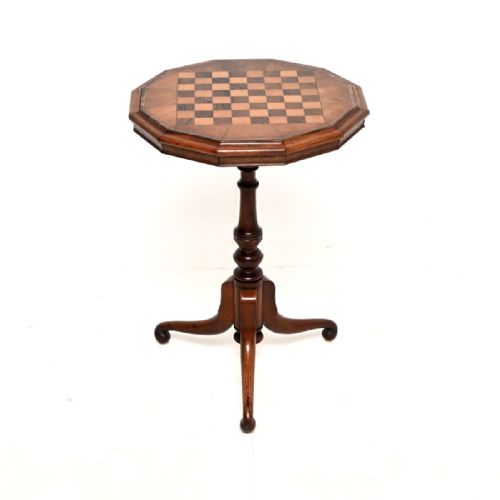
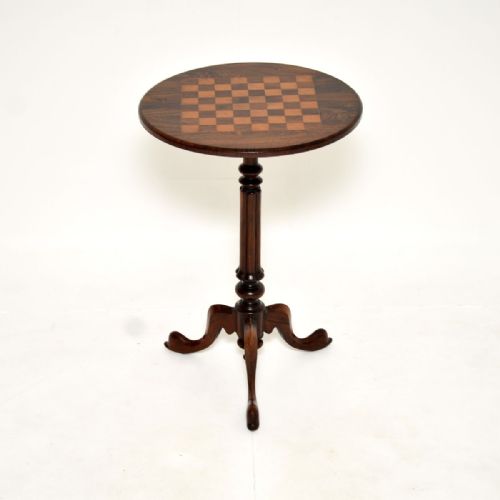
A victorian chess table is most commonly found as a walnut, burr walnut, or rosewood occasional table featuring an inlaid chequer board on the top surface. These pieces frequently double as sewing tables, card tables, or multi-game compendiums with fitted interiors and storage compartments beneath the playing surface.
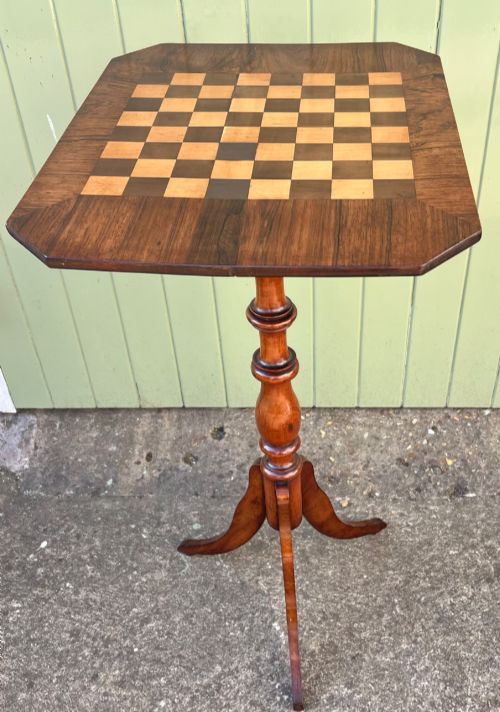
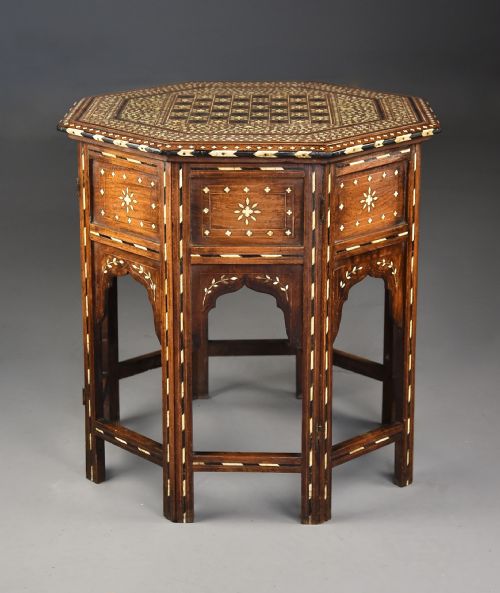
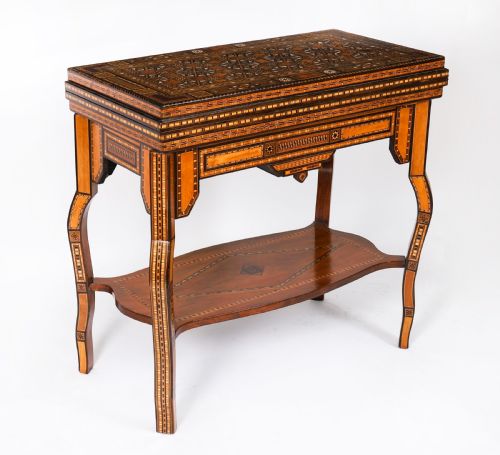
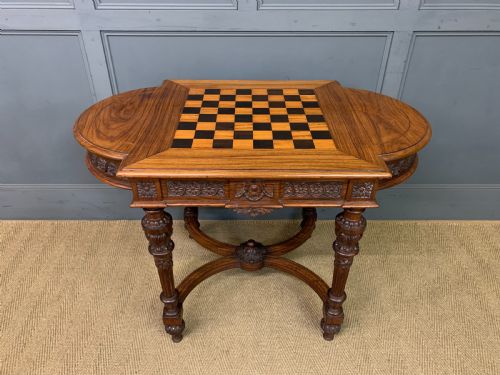
The selection ranges from tripod lamp tables and tilt-top designs to octagonal Anglo-Indian tables and elaborately carved Victorian Rococo Revival centre tables. Many examples incorporate intricate wood inlay, marquetry, and boxwood or ebony details to define the squares of the chess board.
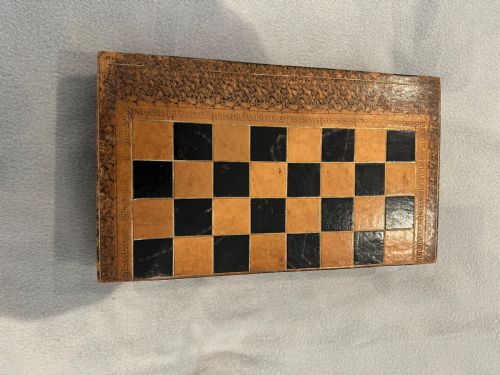
Originating predominantly from the nineteenth century, these tables reflect the era's taste for social gaming and multifunctional parlour furniture. Buyers will encounter both straightforward folding chess tops and complex pivoting or sliding mechanisms designed for domestic leisure.
How they were made
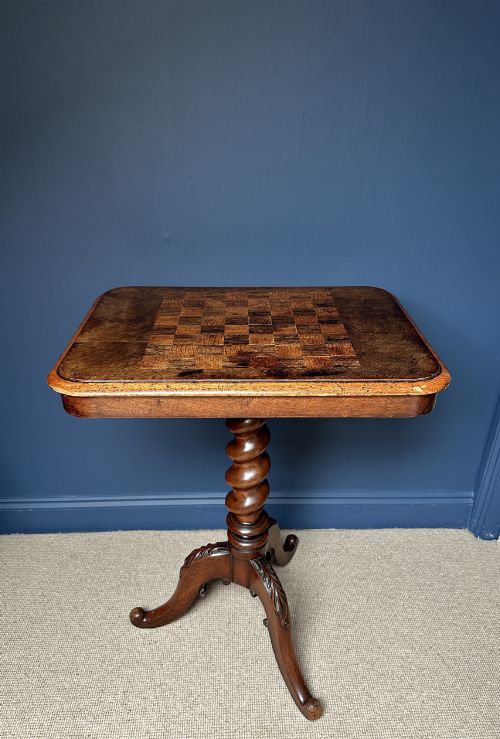
Cabinet makers utilised dense hardwoods such as mahogany, rosewood, and burr walnut as the primary structural and decorative timbers, often applying highly figured veneers to the table tops. Marquetry and wood inlay techniques combined contrasting woods like boxwood and ebony to create precise chequer boards and floral motifs.
Construction methods involved stable pillar and tripod pedestals, barley twist stems, and sophisticated folding mechanisms or drawers lined for sewing equipment. Intricate carving appeared on pedestal bases, rims, and friezes, particularly in Victorian Rococo Revival and occasional tables.
Victorian Chess Table Retail Price Guide 2026
Typical asking prices for victorian chess table among the pieces listed under this phrase on Sellingantiques today, from the lower quarter to the upper quarter. They describe what is for sale here now, not the wider market.
Some tables cleverly disguise themselves as leather-bound faux books when closed, keeping a secret library appearance.
What varies in quality
The standard of a victorian chess table depends heavily on the choice of timber veneer and the precision of the wood inlay within the playing surface. Superior examples exhibit tightly figured burr walnut or rich rosewood alongside crisp, perfectly aligned boxwood and ebony squares.
A British Chess Company
The Victorian Chess Table Glossary
- Marquetry
- Decorative veneer work forming pictures or geometric patterns by assembling pieces of different coloured wood. This technique creates the elaborate floral designs seen on many nineteenth-century table tops.
- Burr Walnut
- Wood cut from a walnut tree growth featuring swirling, knotted grain patterns. It was highly prized by Victorian cabinet makers for tabletops.
- Chequer Top
- A playing surface marked with alternating light and dark squares for chess or draughts. It is frequently inlaid directly into the walnut or rosewood timber.
- Tilt Top
- A table mechanism allowing the surface to pivot and lock vertically when not in use. This design saved space in crowded drawing rooms.
- Games Compendium
- A fitted box or table containing equipment for multiple pastimes such as chess, backgammon, and cards. These pieces offer versatile entertainment storage.
Victorian Chess Table: Frequently Asked Questions
What are victorian chess tables?
They are nineteenth-century domestic tables equipped with inlaid chequer boards for playing chess and draughts in the parlour.
Many examples combine this function with sewing storage, card playing surfaces, or tilt-top mechanisms.
How were these tables used?
Families and guests used them for evening entertainment, playing chess or board games in the drawing room.
The integrated drawers and compartments also held sewing equipment, cards, and game pieces.
How do I live with a chess table?
They function well as occasional lamp tables or centre tables in a living space, requiring minimal footprint.
The folding or tilt-top versions allow you to display the inlaid wood surface vertically when the table is not in use.
How do I identify the period?
Look at the timber selection, such as burr walnut, rosewood, and mahogany, alongside characteristic carving styles like barley twist stems or tripod bases.
Construction details, including nineteenth-century joinery and inlaid boxwood squares, help confirm the era.