

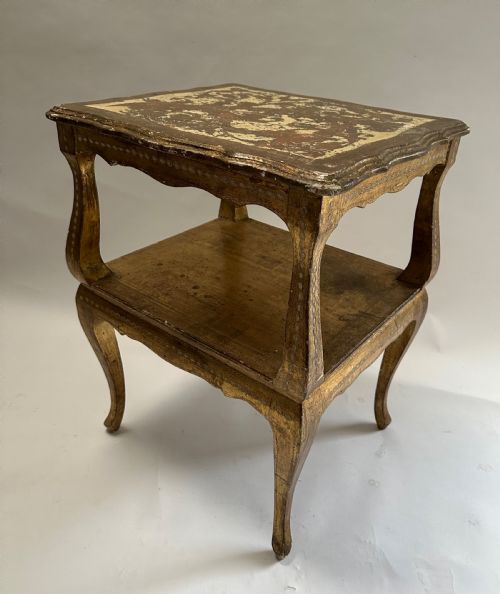
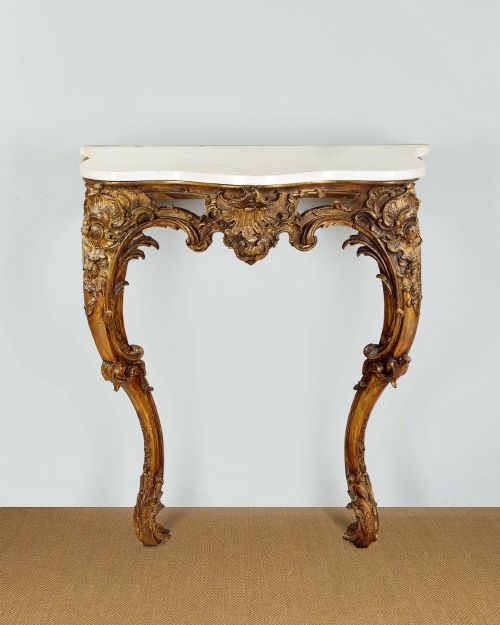
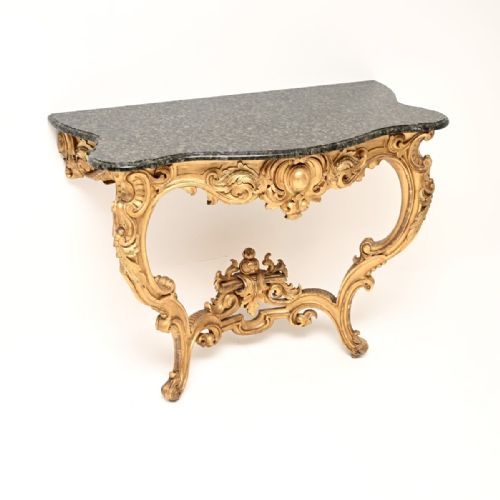
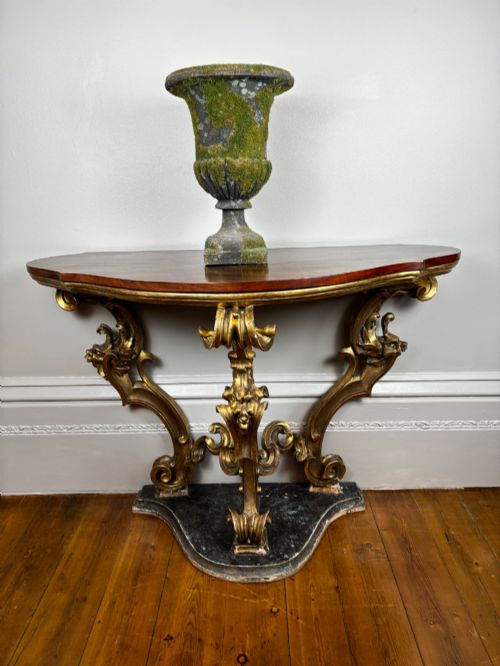
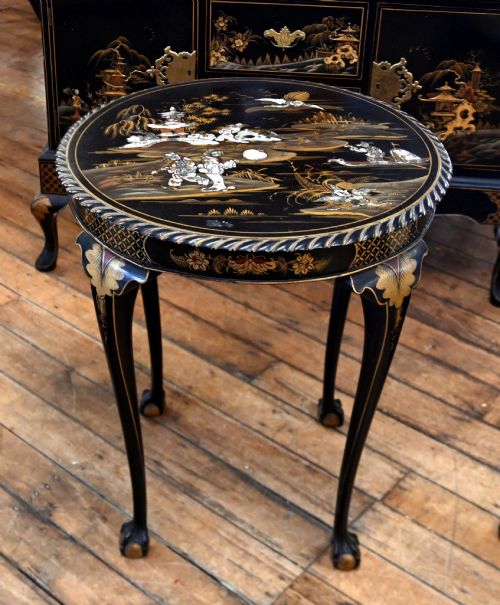
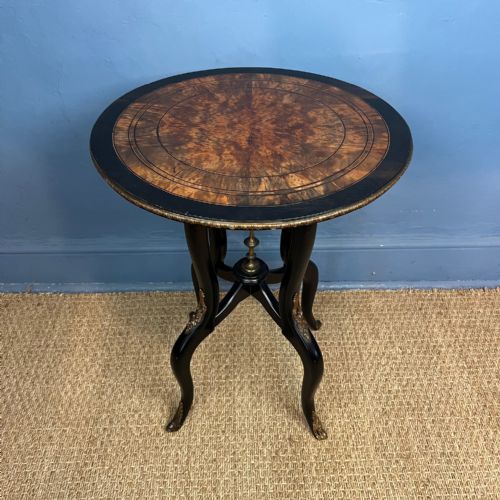
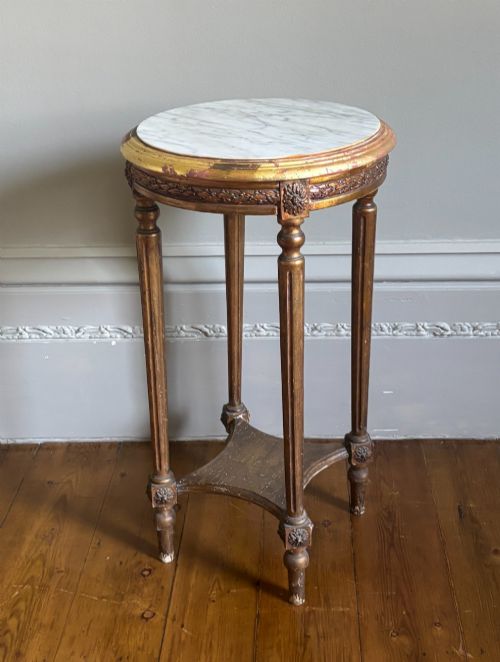
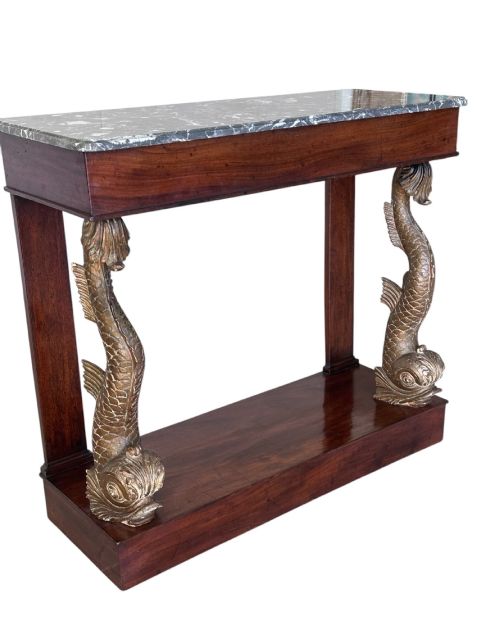

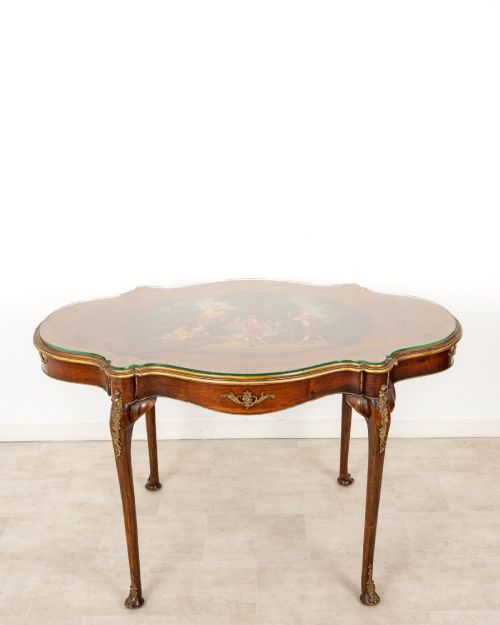
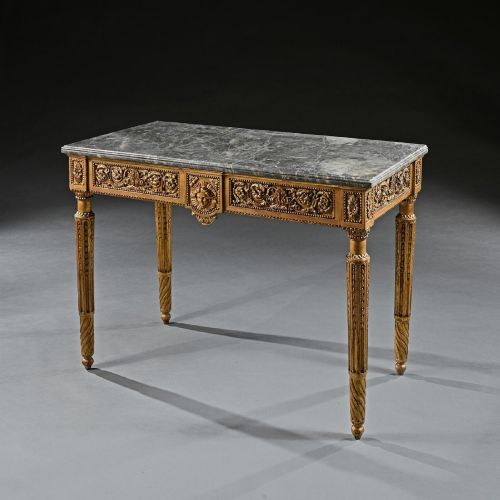
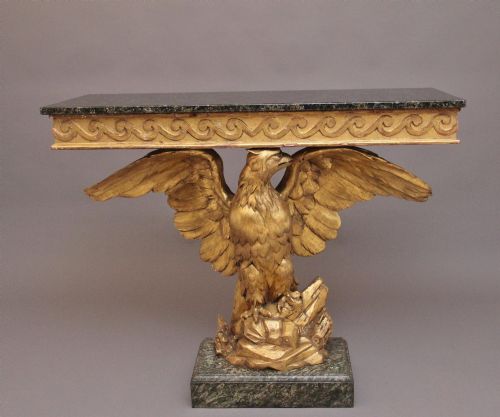
Gilt Wood Side Table
When you search for a gilt wood side table, you encounter console tables, occasional pieces, and marble-topped servers spanning several centuries.
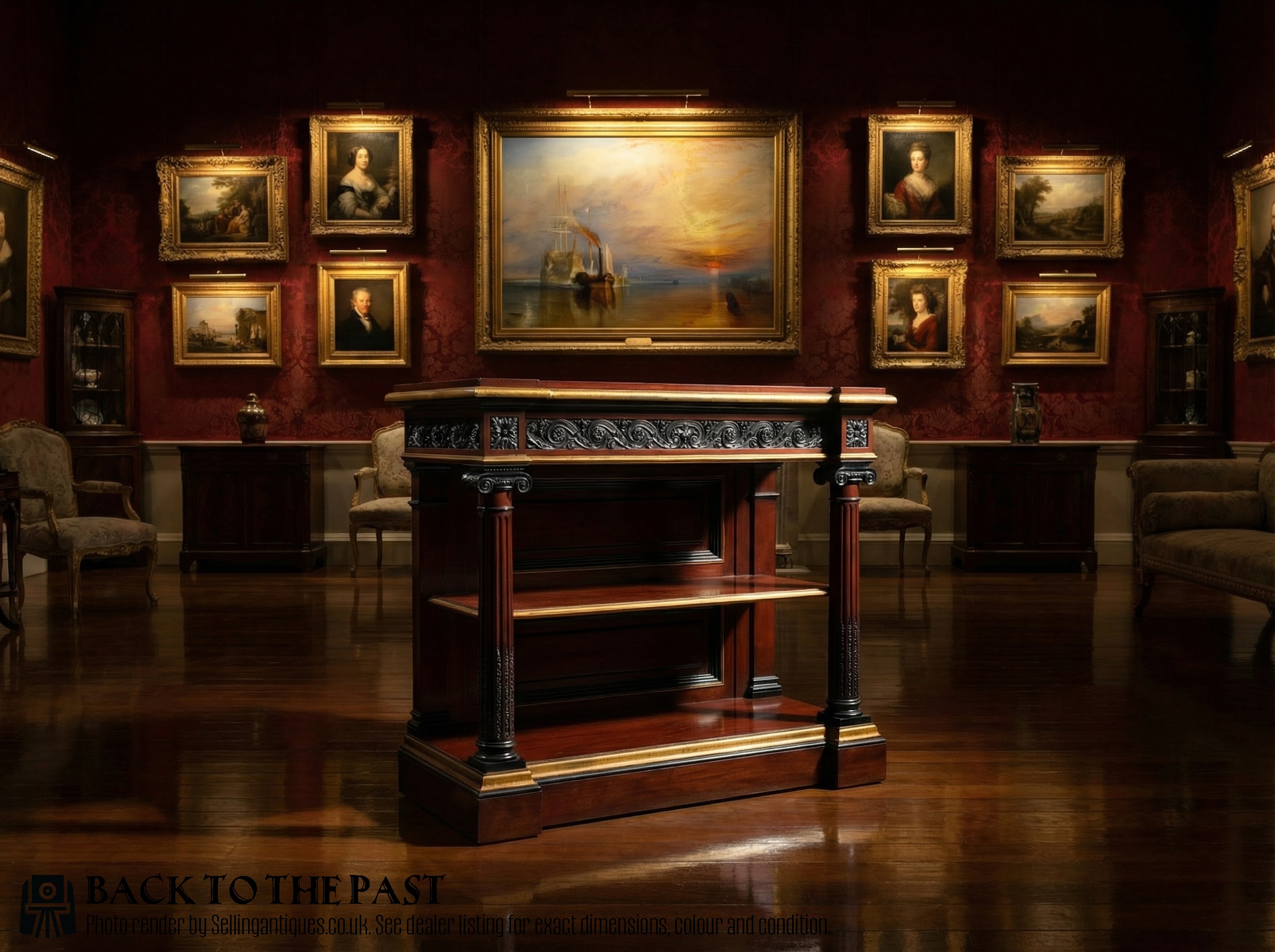
Gilt Wood Side Table
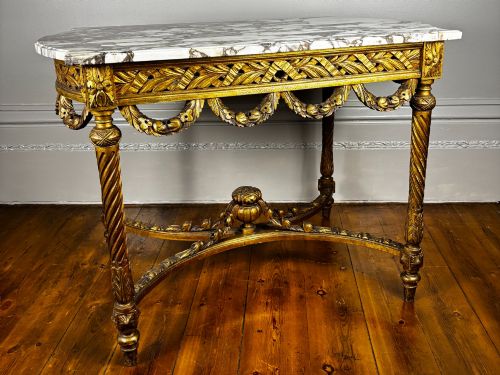
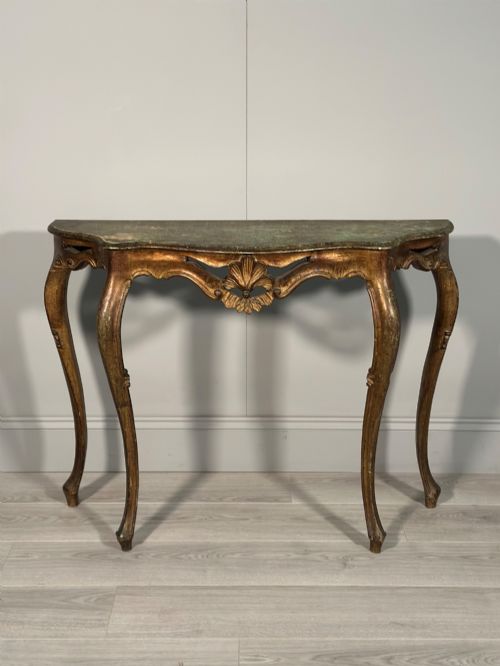
A gilt wood side table bridges decorative display and functional surface across centuries of design. Console tables dominate the selection, frequently paired with thick marble tops meant to anchor grand rooms.
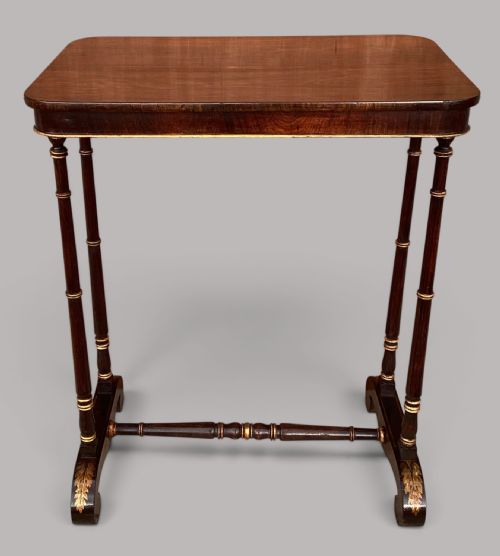
You also meet lighter occasional tables, tripod stands, and tiered etageres designed for more intimate spaces. Italian and French workshops supply many of the most ornate examples, spanning the eighteenth and nineteenth centuries.
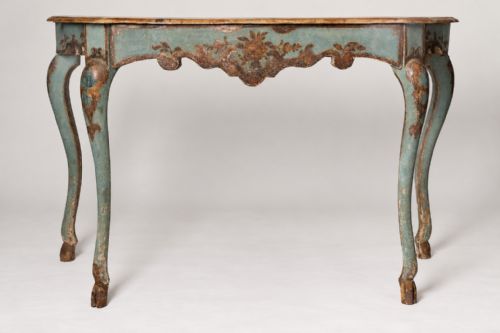
The selection ranges from restrained neoclassical forms to exuberant rococo and baroque revival pieces. Each format serves the primary purpose of carrying light and texture into a room through gilded surfaces.
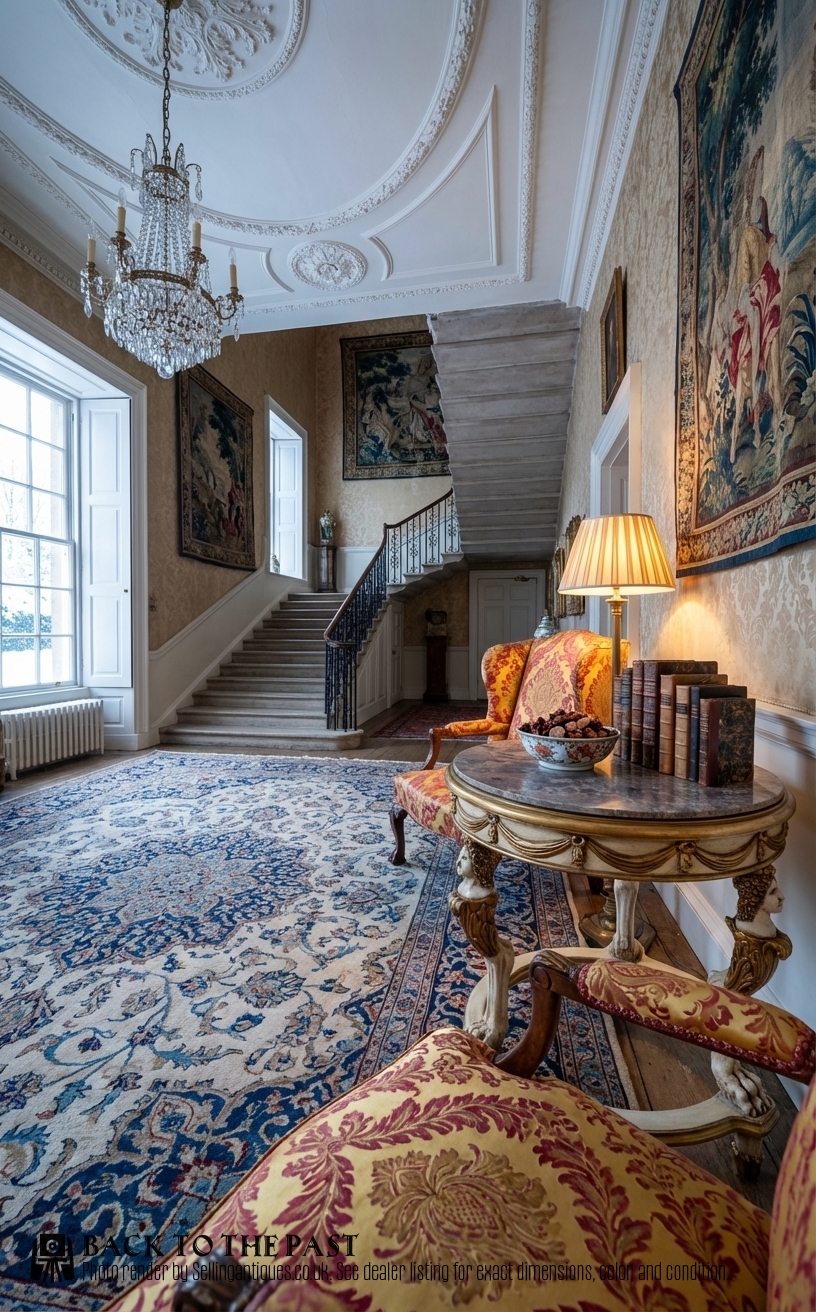
How they were made
Makers shaped structural carcases from solid pine, mahogany, or walnut before applying preparation layers. Artisans laid thin sheets of gold leaf over bole and gesso, burnishing the metal to achieve a deep lustre.
Many tables incorporate heavy marble slabs, including breccia and figured varieties, fitted directly into carved wooden frames. Ormolu mounts and cast brass details frequently accent French and Victorian pieces.
Carvers executed intricate foliage, scrolls, and animal supports by hand directly into the timber. The combination of gilded woodwork and stone created durable surfaces designed for formal display.
Gilt Wood Side Table Retail Price Guide 2026
Typical asking prices for gilt wood side table among the pieces listed under this phrase on Sellingantiques today, from the lower quarter to the upper quarter. They describe what is for sale here now, not the wider market.
Several tables disguise themselves as resting places for stone sphinxes or carved wooden herons.
What varies in quality
Depth and precision in the wood carving separate ambitious workshop production from simpler output. Crisp undercut foliage and sharply defined motifs indicate skilled hands at the bench.
The application of the gilding and the quality of the underlying gesso layer dictate the visual richness of the surface. Original marble slabs, fitted without gaps to the wooden aprons, hold greater authority than later replacements.
Gillows·George Bullock·François Linke
The Gilt Wood Side Table Glossary
- Giltwood
- Timber coated with gold leaf applied over a prepared gesso ground. This finish reflects light and protects the wood beneath.
- Console table
- A table designed to stand against a wall, frequently supported by two front legs or brackets. These pieces often feature heavy marble tops.
- Ormolu
- Gilt bronze mounted onto furniture as decorative enrichment. Makers cast and chased these metal elements before gilding them with mercury.
- Breccia marble
- A multicolored stone composed of angular fragments embedded in a fine-grained matrix. It appears frequently on eighteenth-century Italian consoles.
- Étagère
- A set of open tiered shelves used for display. These pieces provide multiple surfaces for lamps or small decorative objects.
Gilt Wood Side Table: Frequently Asked Questions
Where should a gilt wood side table go?
These tables suit hallways, drawing rooms, or living spaces where reflective surfaces lift darker corners. Console versions anchor well against plain walls beneath mirrors or artwork.
Lighter occasional and tripod tables sit easily beside seating areas. Their reflective finishes bring brightness into domestic interiors.
How do I care for antique gilding?
Dust giltwood gently using a soft, dry brush without applying commercial cleaning sprays or water. Moisture can soften the underlying gesso and lift the gold leaf.
Keep the tables away from direct heat sources and strong sunlight. Gentle handling preserves the delicate metallic surface over time.
Are the marble tops original?
Many eighteenth and nineteenth-century tables retain their heavy stone slabs, cut specifically to fit the contours of the wooden frame. You can often check originality by examining the underside for age-related staining and matching edge profiles.
Replacements do occur on pieces that suffered heavy use. Look for consistent wear between the stone and the supporting rails.
How do I distinguish regional styles?
Italian consoles from the eighteenth century often display deep carving, bold baroque motifs, and rich breccia marble tops. French pieces frequently favor lighter neoclassical lines or ornate rococo scrolls with fine gesso work.
English interpretations tend toward restrained architectural proportions. Comparing the carving depth and secondary timbers helps identify the workshop origin.