
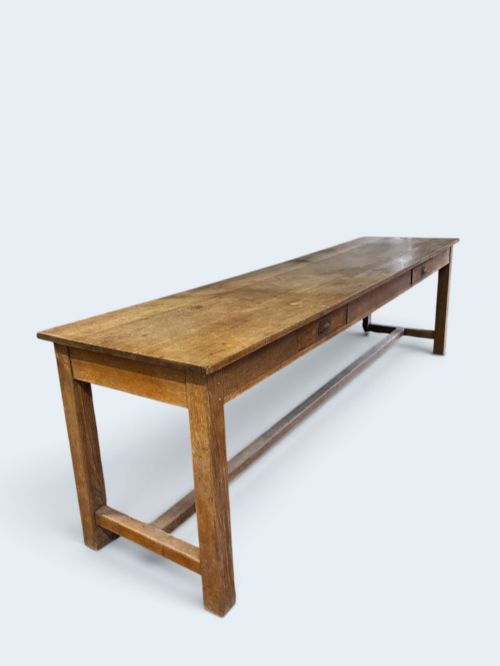
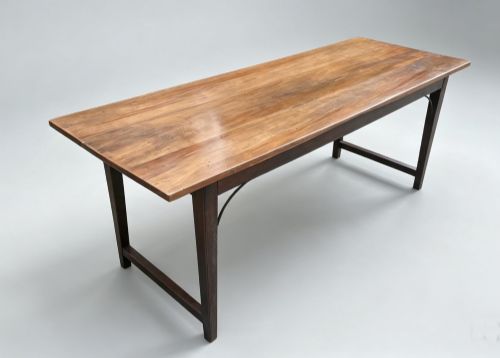

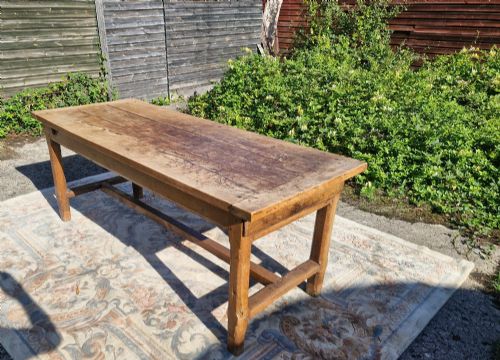
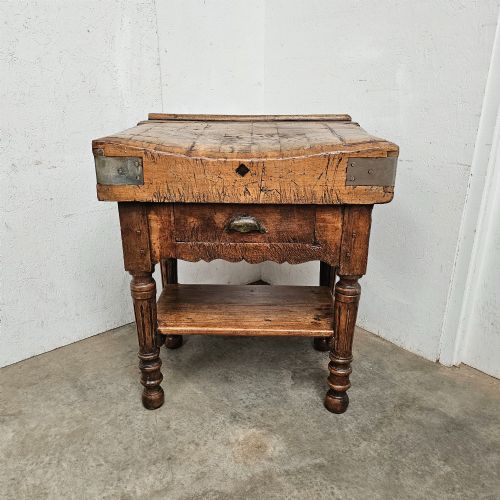
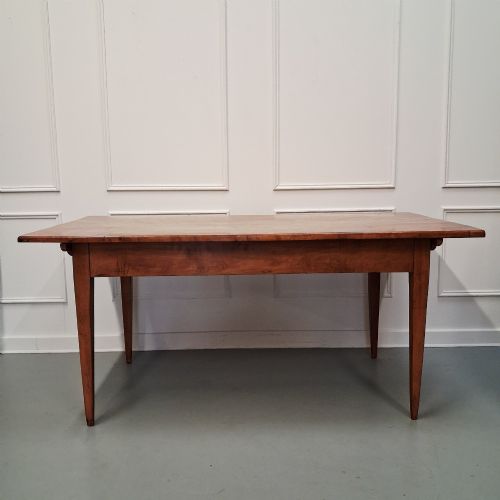
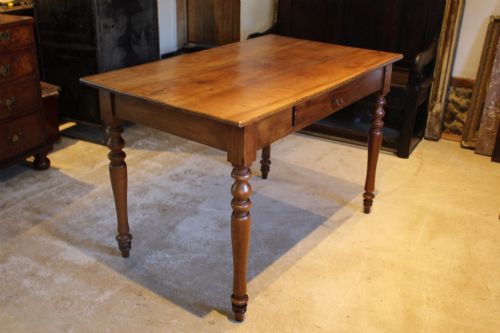
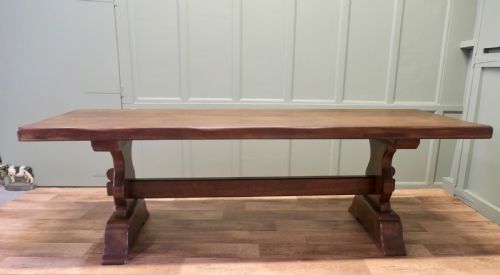
Rustic French Kitchen Table
A rustic french kitchen table anchors the room with worn timber and practical proportions, offering daily utility and honest charm.
What these tables are
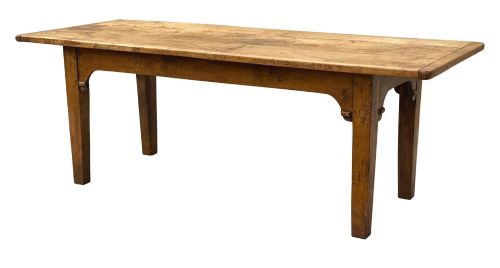
A rustic french kitchen table brings together generous dining surfaces and provincial craftsmanship from the nineteenth century. These pieces serve as the working heart of the home, shaped by French provincial and French country traditions.
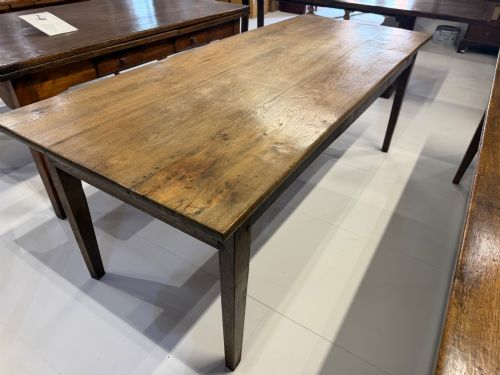
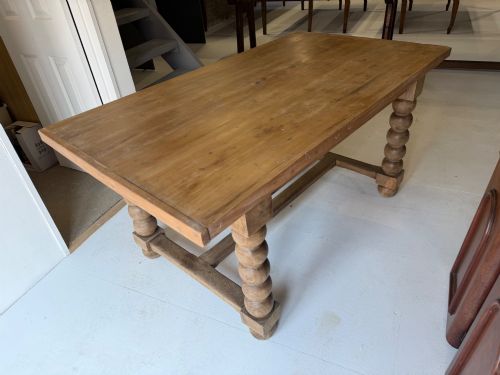
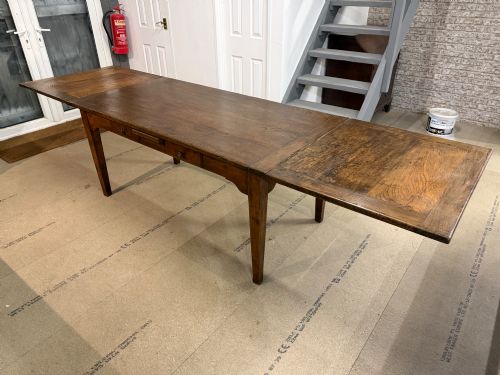
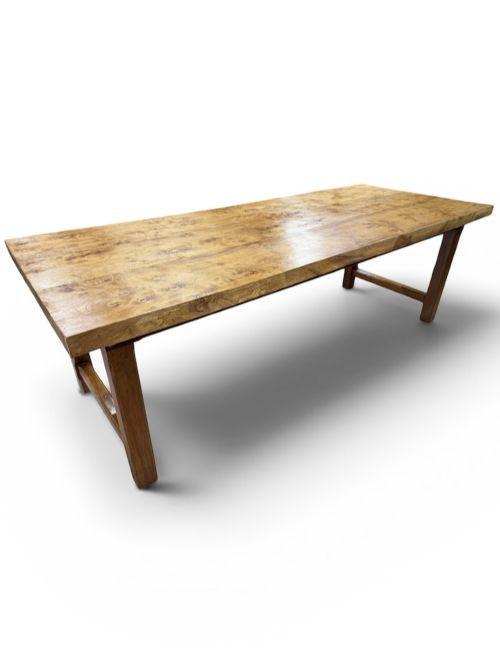
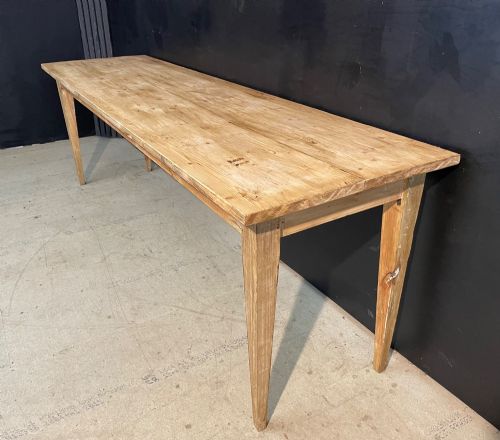
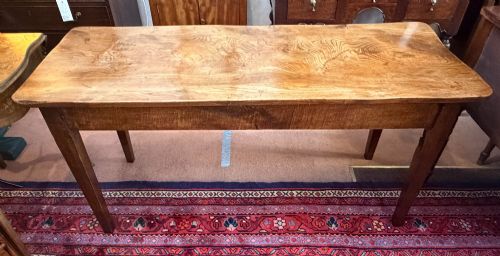
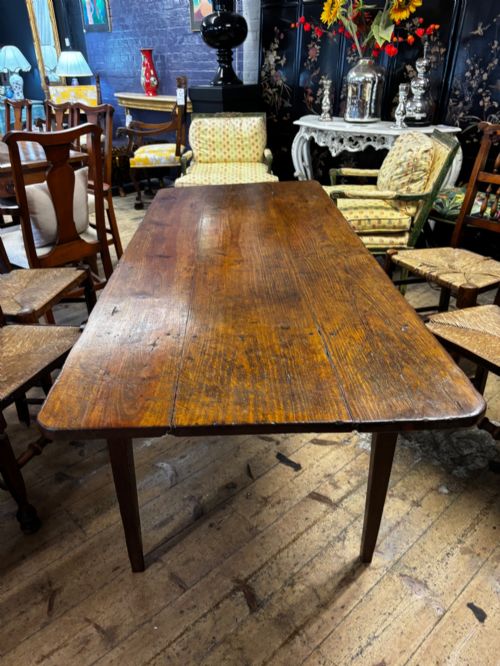
The examples found here span the period around eighteen-fifty to eighteen-sixty, alongside broader nineteenth-century dates. Dining tables dominate the selection, often taking the form of refectory or farmhouse designs equipped with drawers or scrub tops.
How they were made
Cabinet makers utilised a variety of native timbers including oak, cherrywood, fruitwood, pine, elm, and pear wood. These materials were chosen for their durability and grain, providing sturdy foundations for daily culinary preparation and dining.
Iron components frequently appear alongside timber frames, adding structural support and functional hardware such as drawers. Construction methods focus on heavy planks and sturdy framing designed to withstand decades of heavy use.
Retail Price Guide 2026
Typical UK retail prices for rustic french kitchen table, calculated from the Sellingantiques database of over a million retail prices indexed since 2003. This retail price guide relies exclusively on Sellingantiques data; no external sources or auction records are used, so the figures do not describe the wider market.
Some tables feature built-in drawers, proving that even nineteenth-century chefs needed a handy spot to stash their rolling pins.
What varies in quality
Distinction across these tables rests in the choice of timber and the integrity of the original construction. Dense hardwoods like cherry and elm command attention for their rich patination and resistance to wear, whereas softer pine and fruitwoods display a different, lighter domestic character.
Proportion and functional additions, such as integrated drawers or extended lengths, separate standard provincial pieces from larger refectory formats. The depth of surface wear and the preservation of original scrub tops further define the character of each individual board.
The Rustic French Kitchen Table Glossary
- Refectory table
- A long, narrow dining table traditionally used for communal meals. This form provides substantial seating capacity along its length.
- Scrub top
- A wooden tabletop designed to be repeatedly scrubbed clean with water and sand. This treatment creates a pale, smooth surface showing the grain.
- Fruitwood
- Timber sourced from fruit-bearing trees such as cherry or pear. It offers a fine texture and warm tone suited to provincial furniture.
- French Provincial
- A style of furniture originating from the French regions outside Paris. It combines practical utility with unpretentious local design.
Frequently Asked Questions
What woods were used for these tables?
Makers utilised a range of native timbers including oak, cherrywood, fruitwood, pine, elm, and pear wood. Each material brings distinct grain patterns and weight to the finished piece.
Hardwoods like cherry and oak provided exceptional durability for daily kitchen work, while softer woods like pine served standard domestic functions.
How do I date a nineteenth-century table?
Dating relies on construction methods, timber selection, and specific period markers recorded from around eighteen-fifty to eighteen-sixty. Structural joints and hardware offer reliable clues to the era of manufacture.
Broader nineteenth-century pieces often exhibit hand-cut elements and distinct patination acquired through generations of continuous use.
What is a scrub top?
A scrub top refers to a bare wooden surface designed to withstand vigorous cleaning. Water and scrubbing agents were applied regularly to maintain hygiene.
This historical maintenance method leaves the timber with a weathered, light appearance that highlights the natural grain of the wood.