

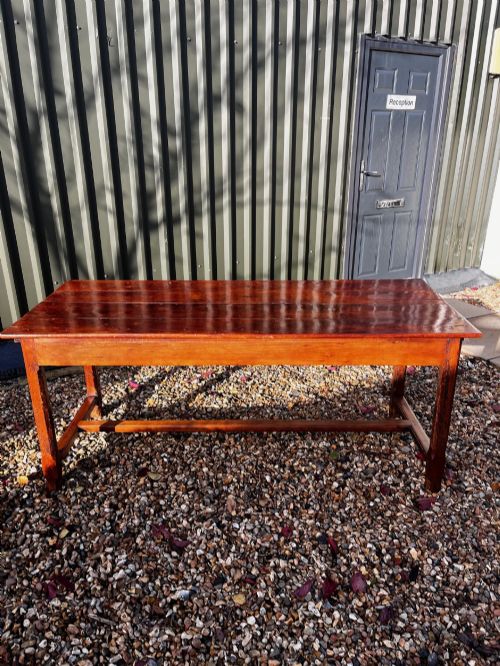
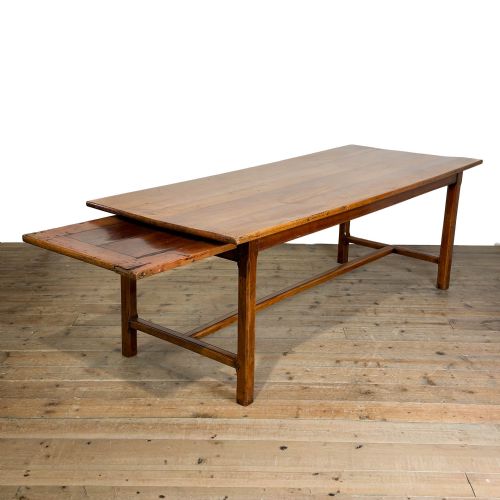
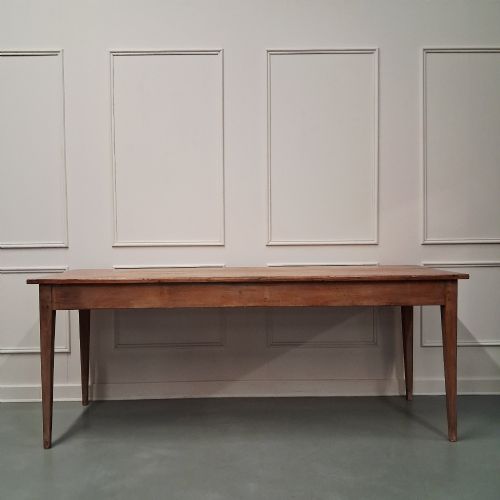
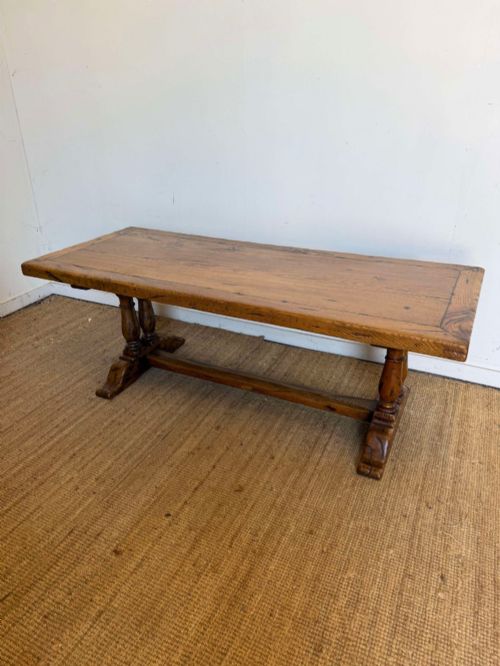
French Country Kitchen Table
These french country kitchen table pieces bring domestic utility and provincial character into modern homes.
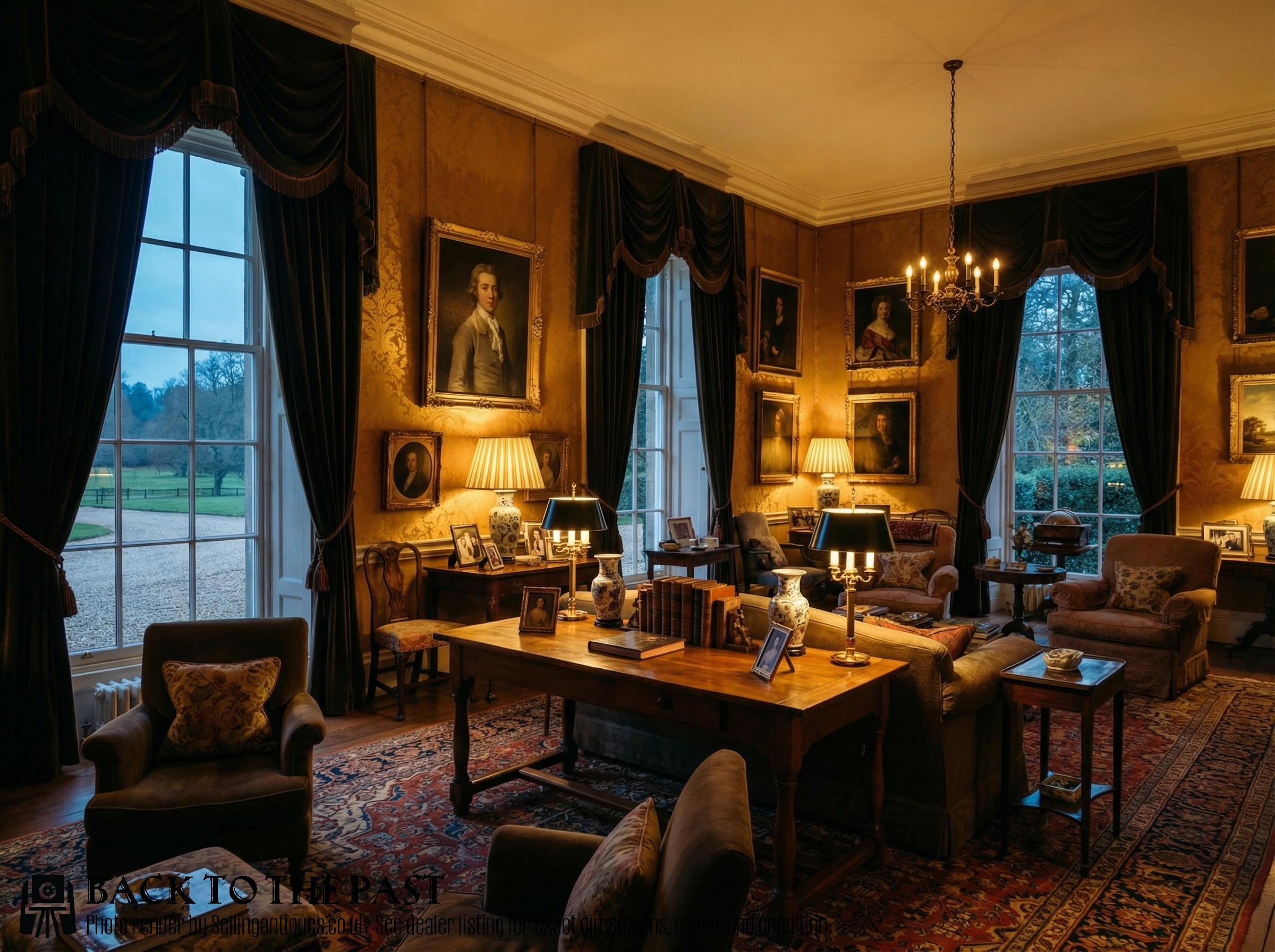
French Country Kitchen Table
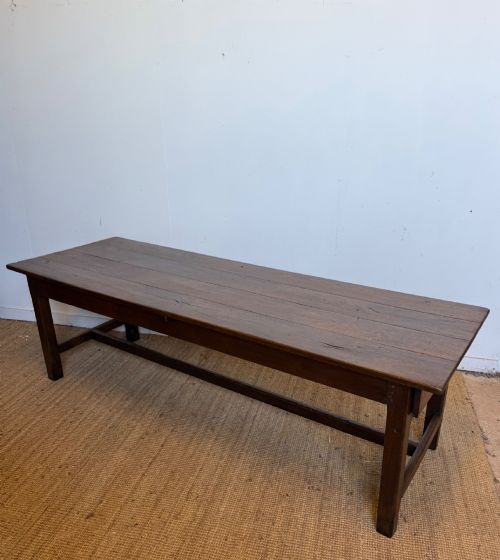
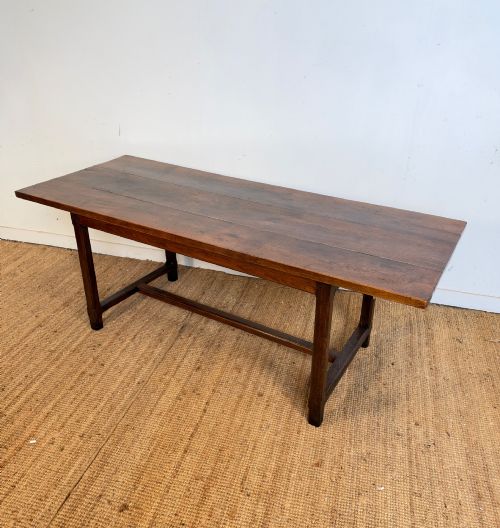
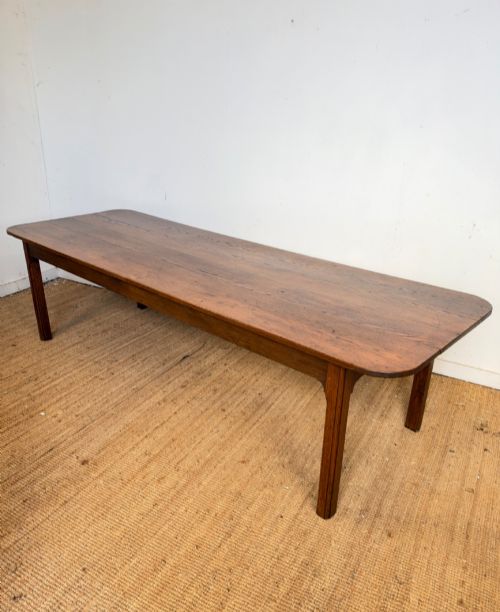
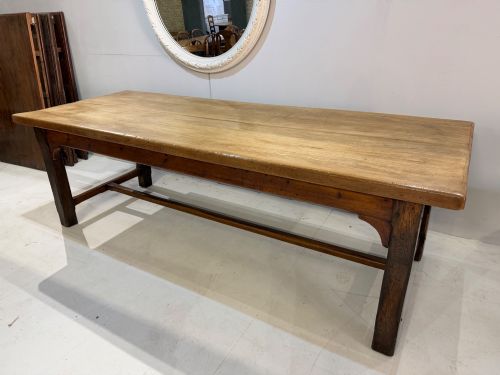
A french country kitchen table serves as the central hub of domestic life, designed for heavy daily use, meal preparation and family gatherings in provincial settings.
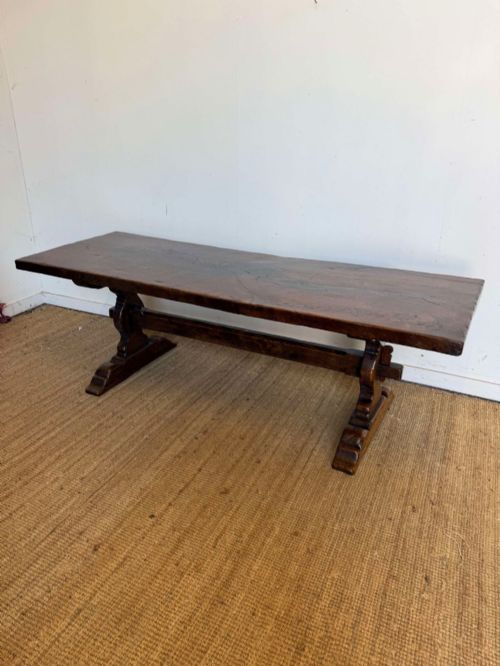
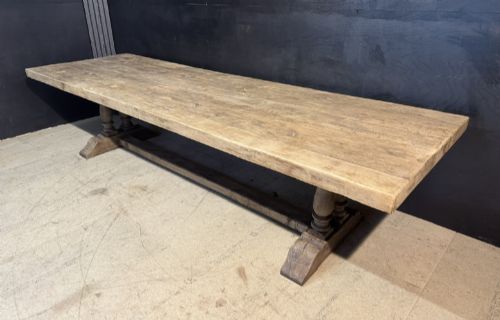
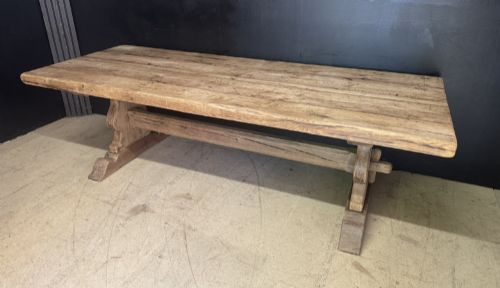
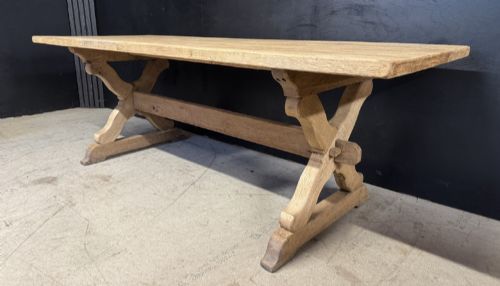
The versions most commonly met here span the eighteenth and nineteenth centuries, taking the form of substantial dining tables, refectory boards, prep tables and drapers tables originating from French regions.
Makers constructed these pieces to handle continuous physical labour, resulting in generous proportions, sturdy frames and practical surfaces suited for active kitchens.
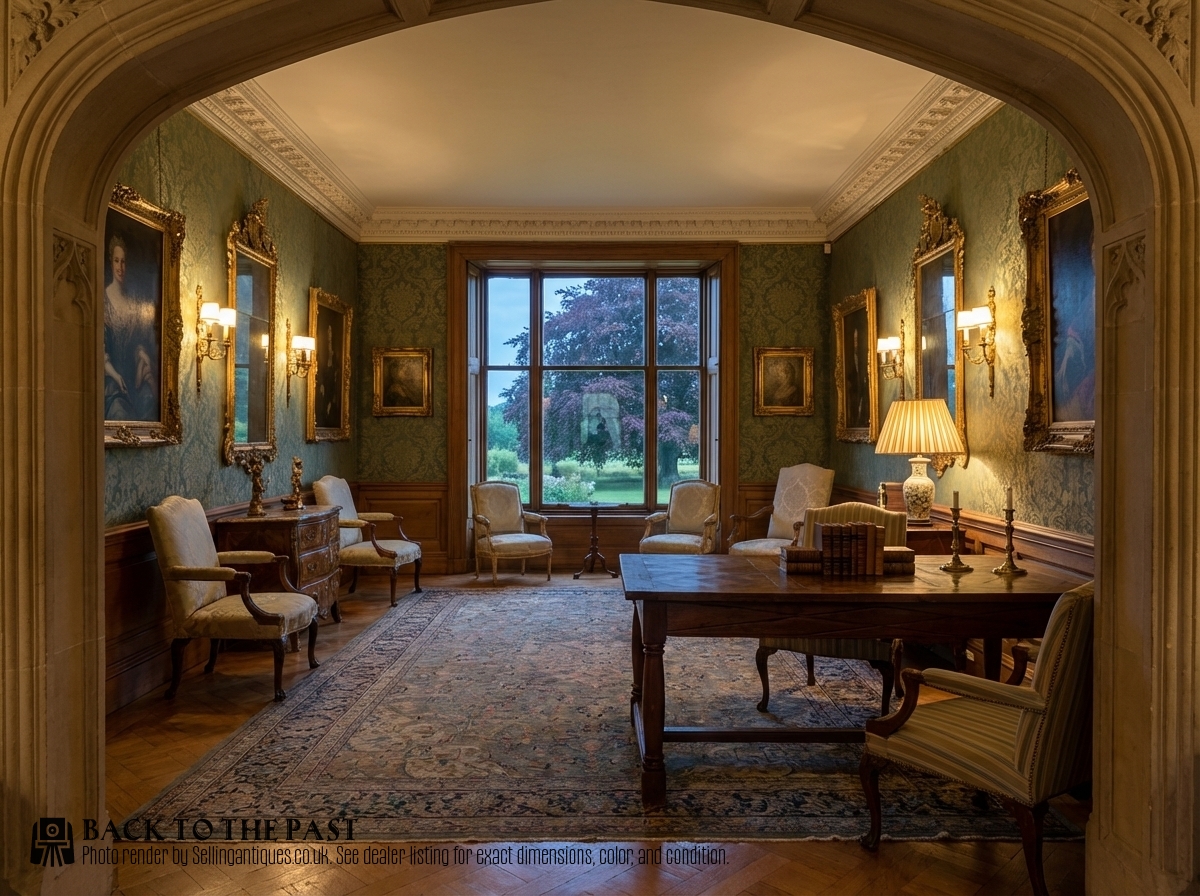
How They Were Made
Carpenters relied on dense hardwoods such as oak, fruitwood, cherrywood, walnut and elm for the primary frames and table tops, frequently combining pine and oak within a single piece.
Construction techniques prioritised durability, utilising thick timber boards, pegged joints and occasionally drop-leaf mechanisms or built-in drawers for functional storage.
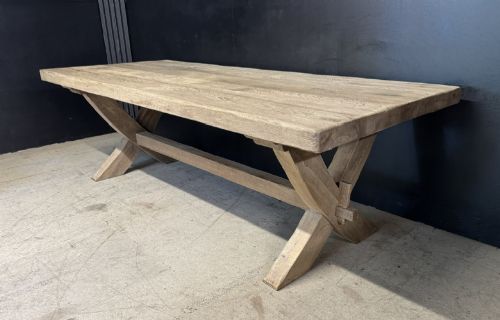
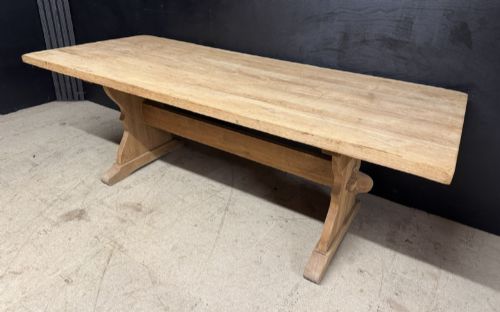
Surfaces often show the natural grain of the wood, though some examples display historical painted finishes or deliberate bleaching.
French Country Kitchen Table Retail Price Guide 2026
Typical asking prices for french country kitchen table among the pieces listed under this phrase on Sellingantiques today, from the lower quarter to the upper quarter. They describe what is for sale here now, not the wider market.
Several tables retain traces of old flour dust wedged deep within their two-board elm joints.
What Varies in Quality
Quality rests upon the selection of timber and the structural integrity of the base, where heavier oak or select fruitwood boards command greater regard than utilitarian secondary woods.
The balance of proportions and the preservation of original patination separate utilitarian workshop furniture from finer provincial pieces made for prosperous country houses.
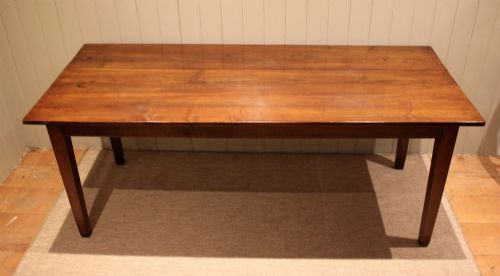
Details such as multi-board tops, tapered or bobbin legs, and integrated drawers elevate the craftsmanship while maintaining the honest utility inherent in the form.
The French Country Kitchen Table Glossary
- Refectory Table
- A long, narrow dining table traditionally used for communal meals, often constructed with heavy stretcher bases for added stability. These pieces provide substantial surface area for large gatherings.
- Fruitwood
- Timber sourced from fruit-bearing trees such as cherry, pear or apple, prized for its warm tone and smooth grain. Cabinetmakers utilised these woods for provincial tables.
- Patination
- The surface sheen and colour developed over decades of handling, cleaning and exposure to light. This gradual ageing process reveals the genuine history of the wood.
- Prep Table
- A utilitarian work table designed for food preparation in kitchens or bakeries, frequently featuring robust timber tops. Marble inserts appear on specific variations intended for pastry work.
- Drop-Leaf Table
- A table with hinged flaps on the sides that fold down to save space when not in use. This mechanism offers flexibility in smaller rooms.
French Country Kitchen Table: Frequently Asked Questions
How do I clean a wooden table top?
Maintain the surface by wiping it down with a slightly damp cloth and drying it immediately with a soft towel. Avoid harsh chemical cleaners that strip the natural oils from the timber.
Apply occasional coats of clear beeswax to nourish the wood and preserve the historic finish against everyday moisture.
Can these tables be used daily?
These pieces were built specifically for heavy domestic work, making them well-suited for modern family dining and kitchen activities. Their robust construction handles regular use without losing structural integrity.
Protect the wood from excessive heat and standing water by using mats and coasters during meals.
What is the difference between a refectory and a farmhouse table?
Refectory tables typically feature a long, narrow format supported by stretcher rails running low between the legs. They originated from communal dining halls.
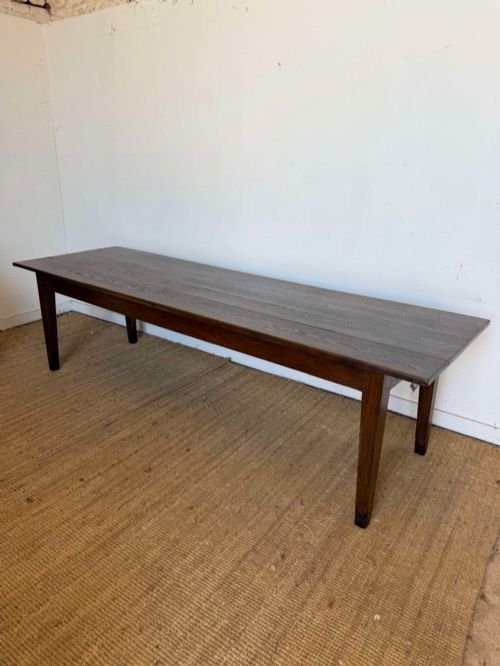
Farmhouse tables focus on broad work surfaces, often incorporating drawers or simpler leg arrangements designed for general domestic labour in rural kitchens.
How do I identify the wood type?
Inspect the grain patterns and colour variations closely under good light. Oak displays distinct medullary rays, while fruitwoods show a tighter, smoother grain with warm reddish or brown tones.
Pine is softer and lighter in weight, frequently showing knots across the boards.