


French Country Prep Table
A french country prep table brings genuine rustic utility and warmth to a kitchen or dining space, offering sturdy work surfaces built for everyday domestic labour.
French Country Prep Table
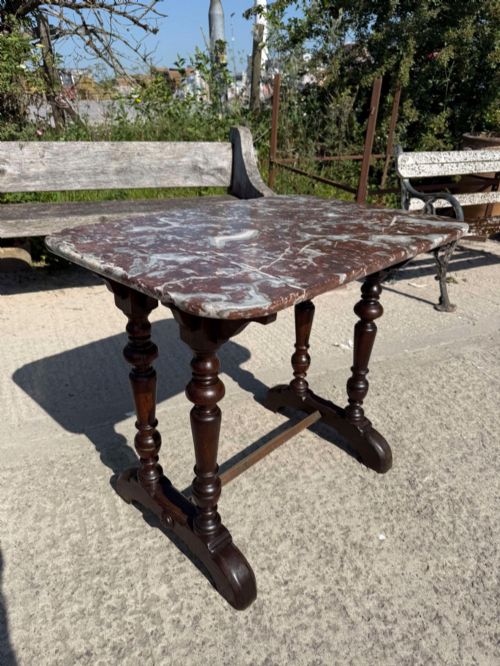
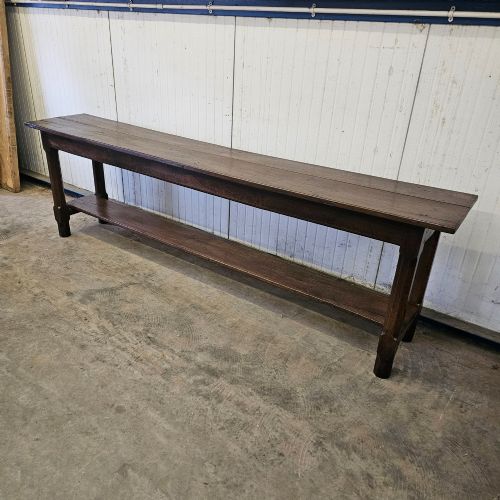
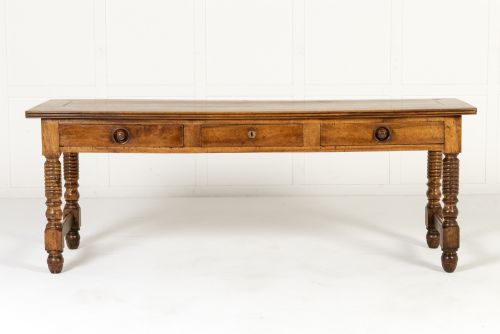
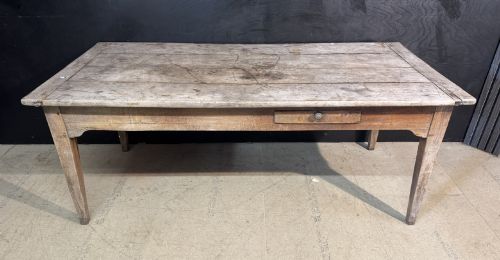
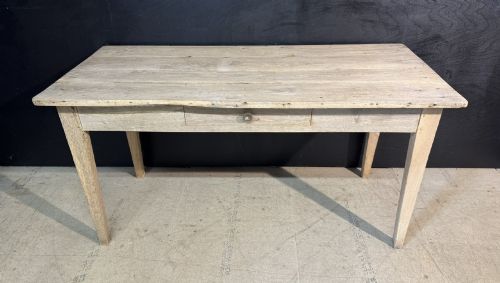
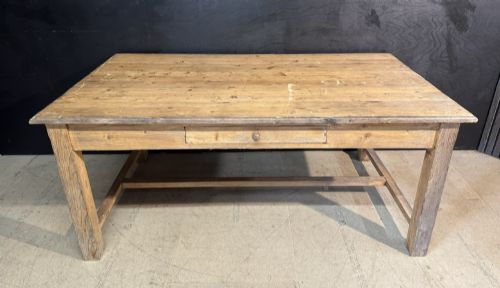
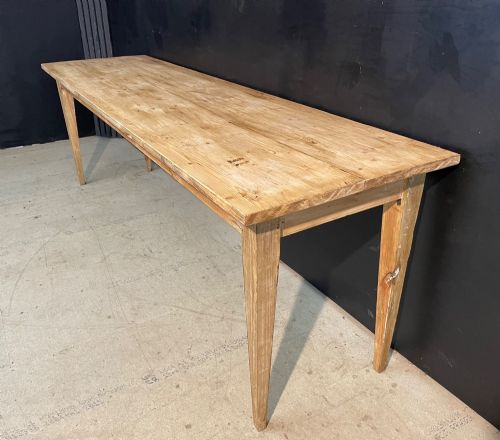
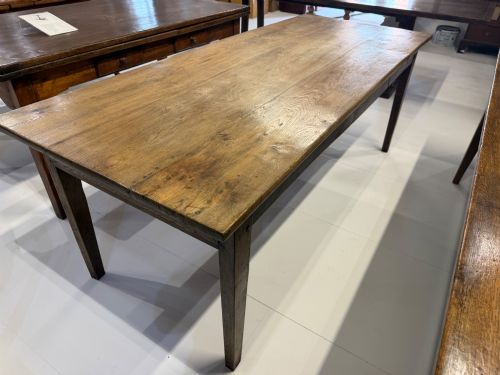
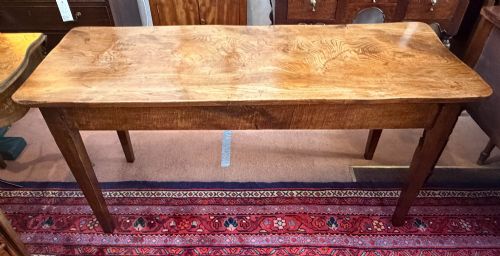
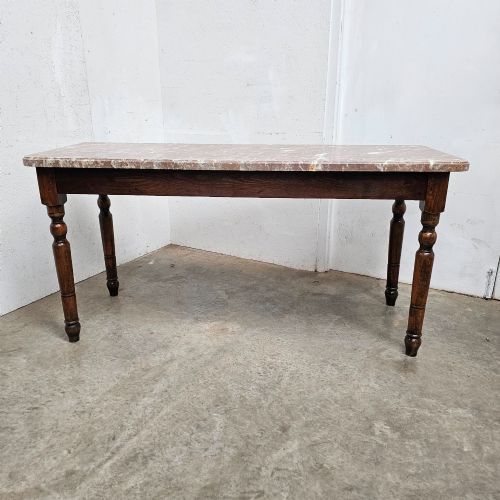
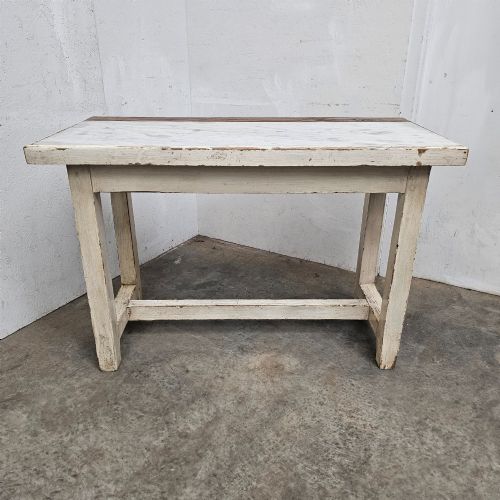
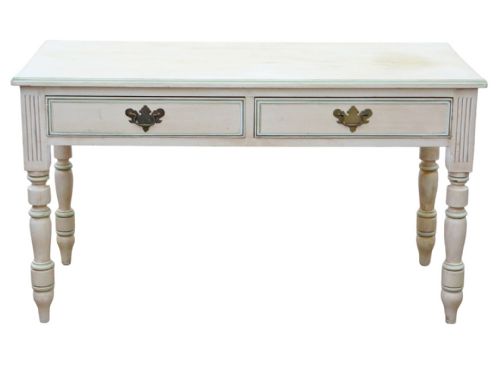
A french country prep table encompasses robust utilitarian forms designed for domestic work, including charcuterie prep tables, drapers tables, farmhouse tables, harvest serving tables, and potboard trestle tables. These pieces emerge predominantly from the nineteenth century, spanning decades such as eighteen sixty, eighteen eighty, eighteen ninety, and nineteen hundred.
Buyers encounter substantial wooden formats ranging from low bread prep tables to large serving surfaces. The stylistic umbrella covers both French country and French provincial designs, shaped by regional domestic needs across France.
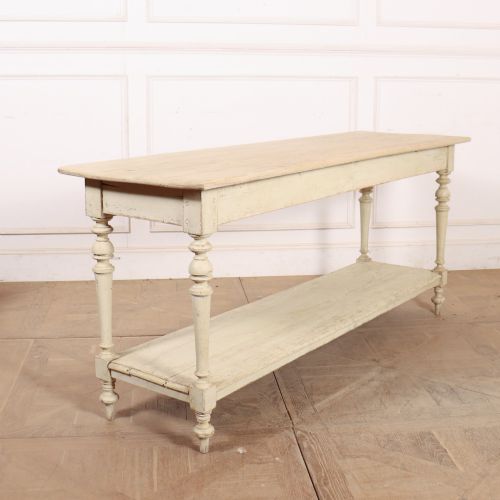
The inventory on this page relies heavily on utilitarian drapers tables and specialised prep surfaces rather than formal parlour furniture. Each piece reflects the functional history of nineteenth-century French households.
Materials and Construction
These tables utilise solid timber construction, employing oak, pine, fruitwood, cherry, and bleached oak. Wood selection dictates the weight and grain texture of each individual frame.
Surfaces feature heavy application of natural timber, paint finishes, and inset marble tops designed for cool food preparation. Brass elements occasionally appear as structural or decorative hardware details.
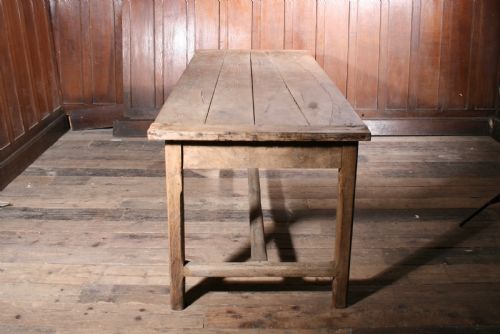
Joinery and structural frames prioritize durability, utilising trestle supports, lower potboards, and thick plank tops to withstand heavy daily tasks.
French Country Prep Table Retail Price Guide 2026
Typical asking prices for french country prep table among the pieces listed under this phrase on Sellingantiques today, from the lower quarter to the upper quarter. They describe what is for sale here now, not the wider market.
Judging Quality in Country Tables
The hierarchy of quality rests in the integrity of the timber and the honesty of the surface wear. Tables retaining their original bleached oak or undisturbed fruitwood patina command higher regard than those with unsympathetic later interventions.
Structural heft and proportion dictate everyday utility. Superior examples maintain balanced proportions between the robust base framework and the thick working top, whether formed from solid wood or heavy marble.
The French Country Prep Table Glossary
- Drapers Table
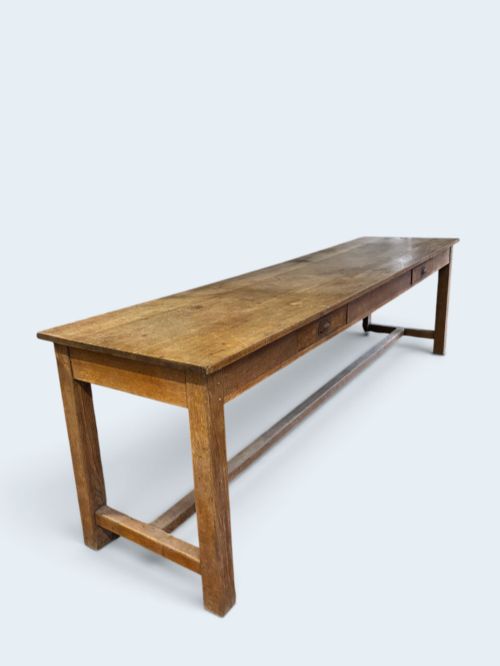
- A long, narrow utilitarian table originally utilised in fabric shops or large households for folding textiles. These pieces feature extended rectangular proportions and often include lower shelf storage.
- Potboard Trestle Table
- A heavy dining or prep table supported by end trestles with a low open shelf near the floor for storing pots and pans. This traditional base construction maximises floor stability.
- Bleached Oak
- Timber treated to lighten its natural dark tone, revealing the open grain while removing decades of accumulated grease and dark wax. This finish brings a softer, paler aesthetic to nineteenth-century oak furniture.
- Charcuterie Prep Table
- A specialised work table fitted with a heavy marble top designed for cold meat preparation and pastry making. The stone surface provides a cool, hygienic workspace.
French Country Prep Table: Frequently Asked Questions
What is a French country prep table used for?
These tables serve primarily as central work surfaces in kitchens, offering large wooden boards or cool marble inserts for food preparation. Historically, they managed domestic labour from bread making to meat sorting.
Today, buyers utilise them as kitchen islands, serving stations, or large dining surfaces. Their robust build accommodates modern daily use just as it did in nineteenth-century households.
How do I date a nineteenth century prep table?
Dating relies on examining the tool marks, timber shrinkage, and assembly methods visible across the frame. Nineteenth-century pieces display hand-cut joinery and authentic surface wear accumulated through generations of domestic labour.
Comparing the specific wood types, such as bleached oak, fruitwood, or pine, alongside structural forms like trestle bases helps place the table within periods like eighteen eighty or nineteen hundred.
Are marble tops original to these tables?
Marble inserts appear frequently on specialised charcuterie and prep tables designed for hygiene and cool pastry work. These stone slabs are heavy and integrated directly into the wooden frame.
Evaluating the fit between the stone and the surrounding timber reveals whether the top belongs to the original construction. Authentic pairings show natural settling alongside the wooden rebate.
How do I care for an antique wood top?
Antique timber surfaces require gentle cleaning with damp cloths rather than harsh chemical sprays. Applying natural beeswax preserves the grain and protects the dry wood from moisture damage.
Avoiding direct heat sources and excessive water prevents splitting in nineteenth-century pine, oak, and fruitwood tables. Regular maintenance keeps the historic patina intact.