
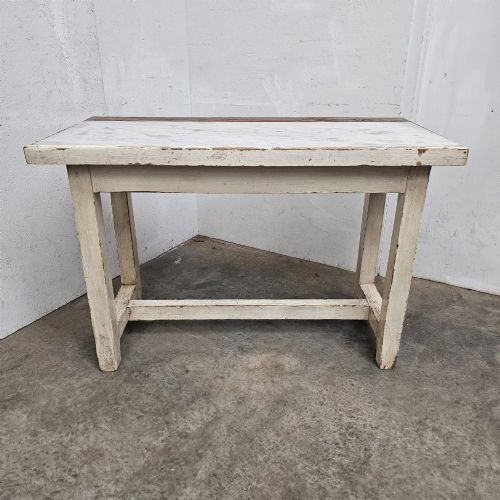
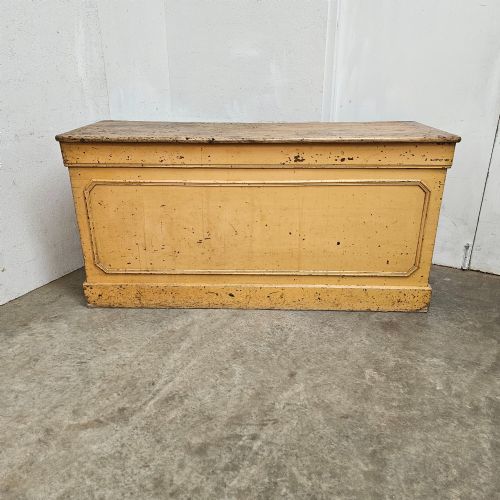


Antique French Kitchen Island
An antique french kitchen island brings utilitarian history into domestic spaces, taking the form of heavy timber work tables and butchers blocks.
Antique French Kitchen Island
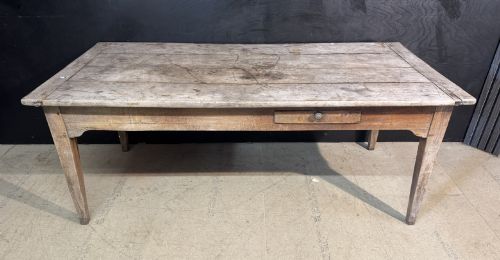
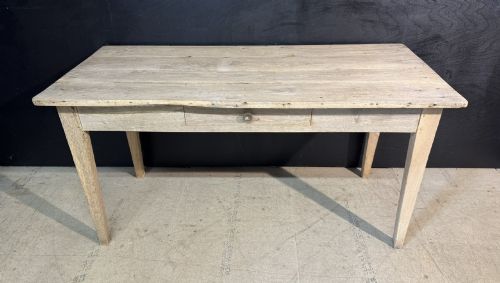
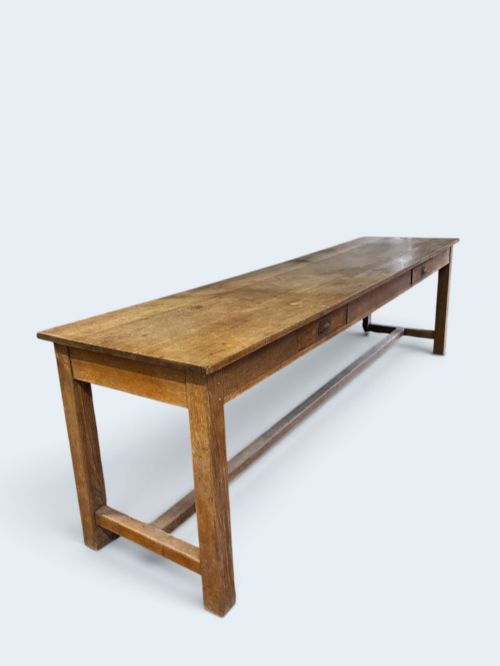
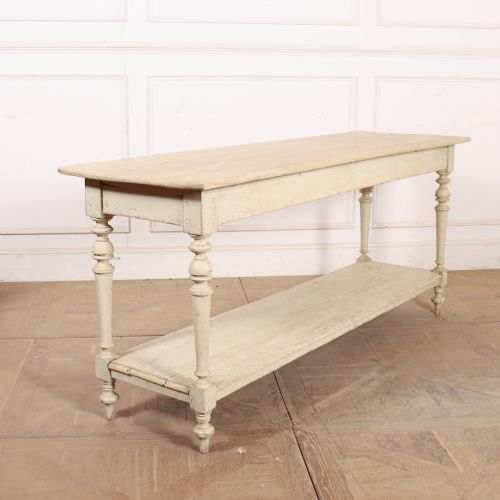
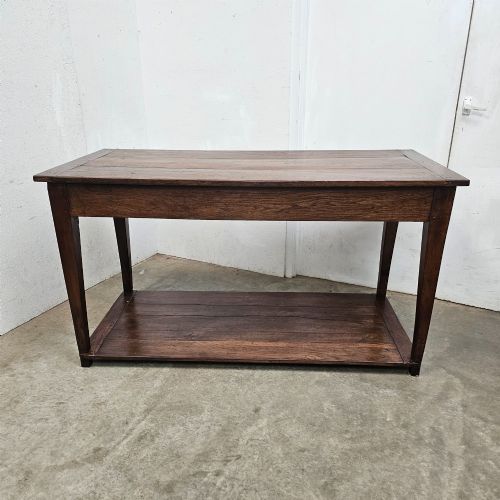
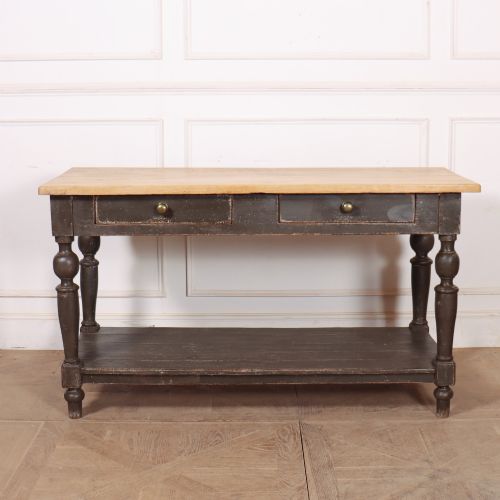
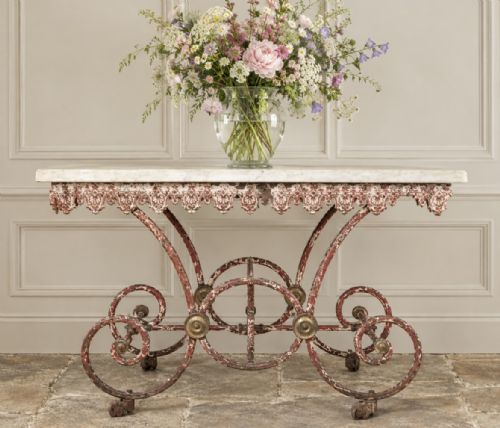
When you search for an antique french kitchen island, you encounter robust domestic and commercial work surfaces originating from nineteenth and early twentieth century France. These pieces encompass drapers tables, butchers blocks, shop counters, and artisans workbenches rather than standard modern kitchen cabinetry.
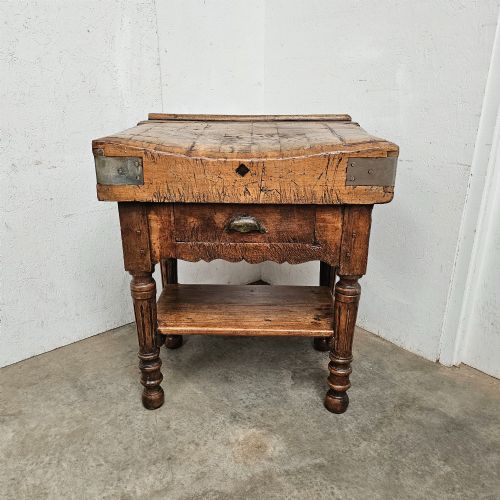
The most common examples on this page are generous timber tables and chopping blocks fashioned from oak, pine, beech, and elm. Many feature lower pot-shelves, drawers, or heavy marble and zinc working surfaces designed for rigorous daily preparation.
Origins span provincial farmhouses, country chateaux, and urban Parisian shops, yielding substantial proportions and honest construction. Each survivor bears the distinct marks of culinary or commercial labour.
How they were made
Joinery relies on solid domestic hardwoods like oak, beech, elm, and walnut for frames and legs, paired with softer pine for internal or secondary structures. Tops are frequently formed from thick timber planks or heavy end-grain blocks designed to absorb heavy impacts.
Metal hardware incorporates cast iron brackets, brass fittings, and integrated wooden vices or bronzed mounts on specialist trade pieces. Surfaces often retain layers of original paint, worn wax finishes, or scrubbed bleached timber resulting from decades of scrubbing.
Current listings feature nineteenth and early twentieth century French pieces constructed from oak, pine, beech, elm, and marble.
What varies in quality
Proportion and scale dictate desirability, with longer drapers tables or monumental chopping blocks commanding attention. Subtle details such as pegged mortise and tenon joints, maker signatures, and untouched patination separate standard workshop survivors from masterworks.
Trussant and Cie·Hennes France
The Antique French Kitchen Island Glossary
- Drapers table
- A long, narrow utilitarian table originally utilised in fabric shops for measuring cloth, characterised by lower storage shelves and generous length.
- Butchers block
- A heavy timber chopping surface constructed from thick end-grain wood or solid blocks designed to withstand heavy cleaver work.
- Pot-shelf
- An open lower tier fitted beneath a table or counter, historically used to store heavy pots, pans, and kitchen utensils.
- Workbench
- A heavy-duty workshop table featuring integrated wooden vices, dog holes, and robust timber construction intended for artisanal trades.
Antique French Kitchen Island: Frequently Asked Questions
What is an antique french kitchen island?
An antique french kitchen island is a repurposed nineteenth or early twentieth century utility table, shop counter, or butchers block originating from France. These heavy timber pieces were built for commercial or domestic preparation rather than domestic dining.
Today they serve as central preparation surfaces in modern kitchens, offering deep history, robust construction, and ample workspace.
How do I clean an antique wooden top?
Cleaning antique wood requires simple damp wiping and mild soap, avoiding harsh chemical detergents that strip the historic wax and natural patina. Regular oiling with food-safe mineral oil helps maintain dry hardwoods like oak and beech.
Allowing the wood to breathe preserves the surface character accumulated through generations of active domestic or commercial use.
Were these tables originally used in kitchens?
Many of these pieces served commercial and industrial purposes rather than domestic cooking. Drapers tables measured textiles in shops, while workbenches and shop counters accommodated artisans and merchants.
Their practical design, thick timber tops, and built-in storage made them natural candidates for modern kitchen integration.
How do I date an antique french work table?
Dating relies on examining construction methods, timber selection, and hardware style. Hand-cut joinery, pegged tenons, and original paint or iron vices generally point to nineteenth century or earlier craftsmanship.
Comparing structural proportions and secondary woods helps place the piece within provincial or urban French traditions.