
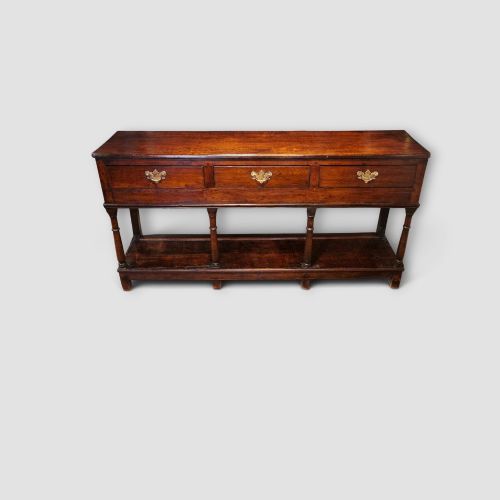
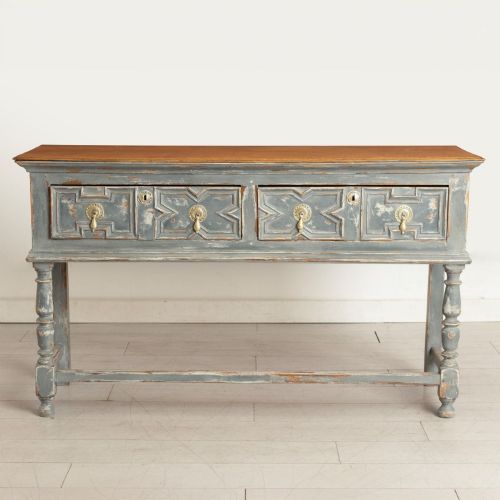
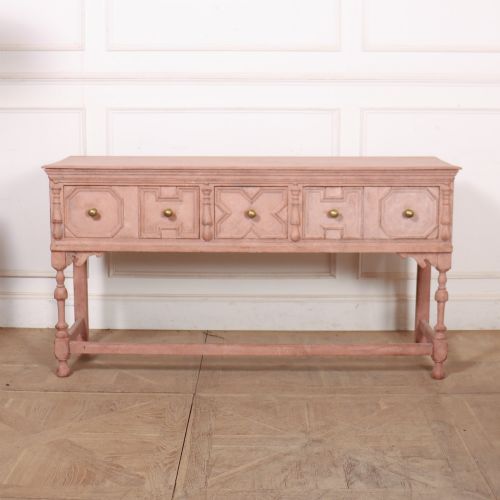
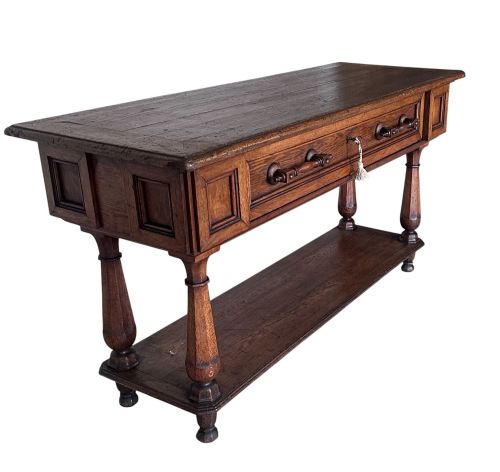
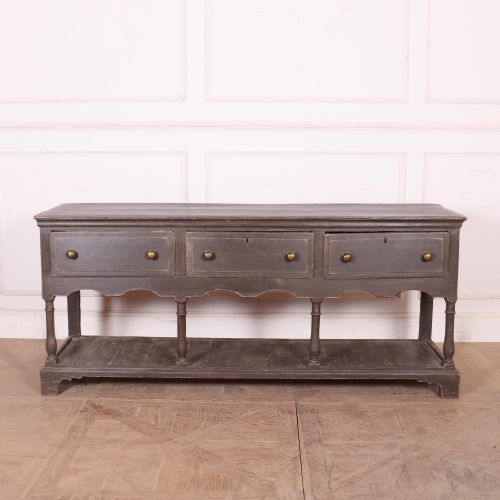

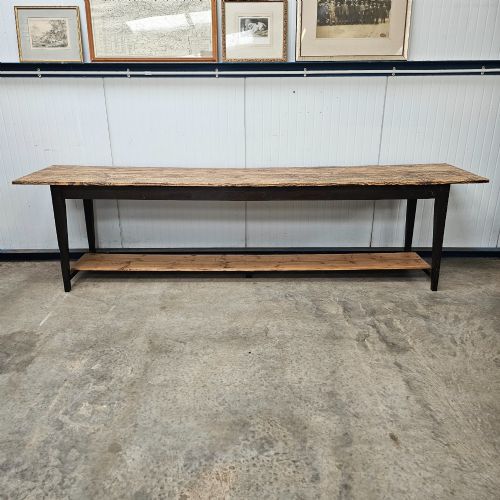

Rustic Oak Server Table
A rustic oak server table brings honest grain, enduring timber and centuries of domestic craft straight into your dining room or hallway.
What these pieces are
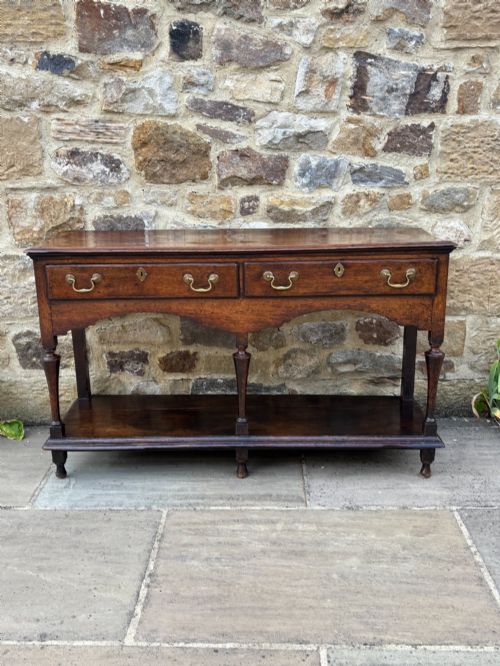
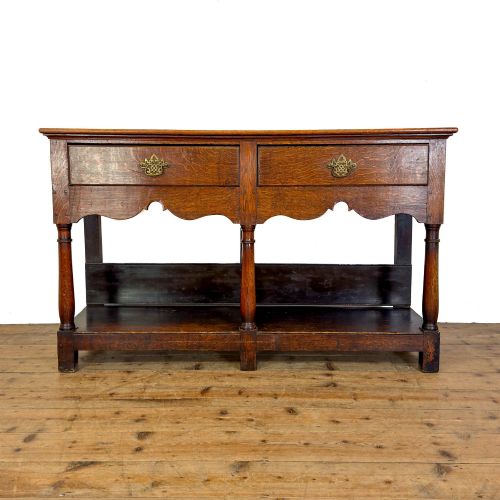
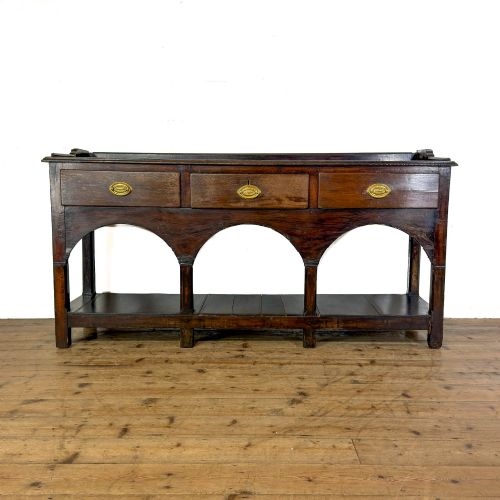
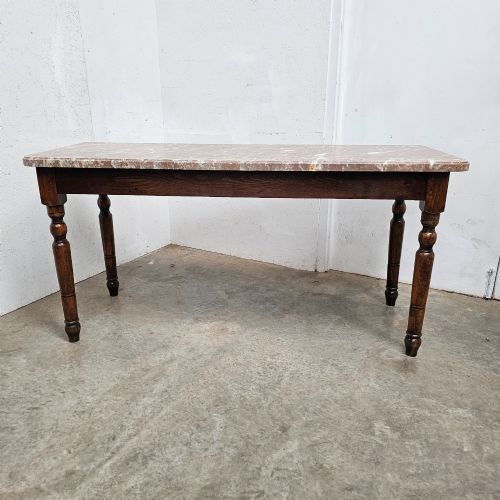
A rustic oak server table provides a sturdy, practical surface rooted in traditional woodworking forms and centuries of utility. When you search for a rustic oak server table, you encounter robust serving tables, sideboards, refectory servers and console tables designed for preparation and display.
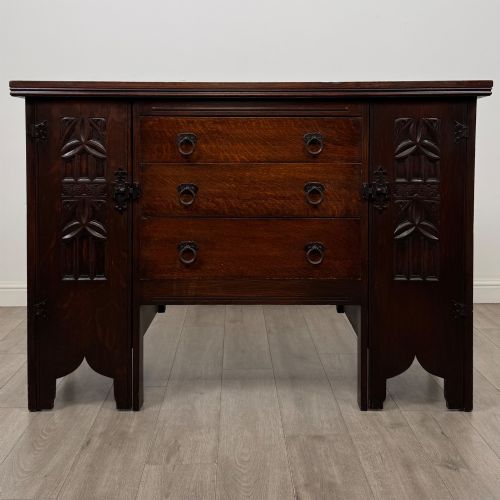
The selections span eras from the 17th century through the 18th century, 19th century, Edwardian period, 1900s and 1920s. Common styling expressions include rustic farmhouse, Jacobean revival, French provincial and Gothic revival.
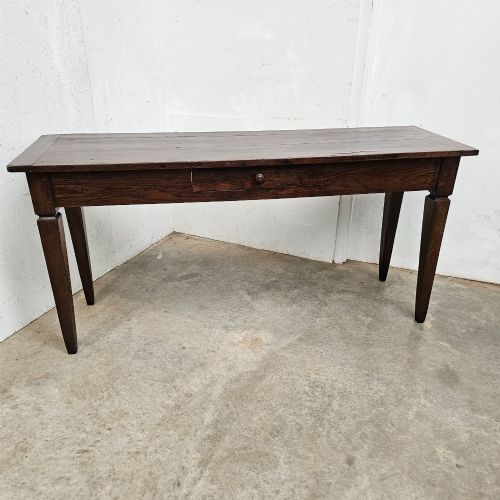
English country origins sit alongside French provincial examples, offering a range of proportions from long side tables to compact console forms. Oak remains the universal timber binding these diverse periods together.

How they were made
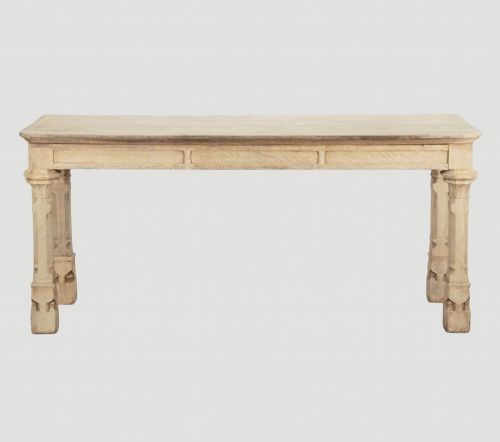
Makers constructed these tables entirely from solid oak, sometimes treated with a bleached finish to soften the timber's natural tone. Traditional joinery methods ensured the frames could withstand heavy daily use in busy households.
Carving appears on specific stylistic variants, echoing Jacobean and Gothic traditions through detailed surface work. Selected examples integrate brass hardware for pulls and structural reinforcement.
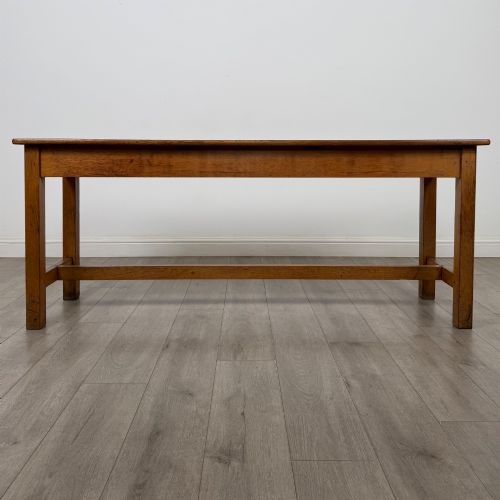
Constructed by hand using heavy timber boards, these tables rely on pegged joints and substantial stretchers for inherent stability.
Retail Price Guide 2026
Typical UK retail prices for rustic oak server table, calculated from the Sellingantiques database of over a million retail prices indexed since 2003. This retail price guide relies exclusively on Sellingantiques data; no external sources or auction records are used, so the figures do not describe the wider market.
Listings span seven centuries of woodworking, from 17th-century vernacular pieces to 1920s bleached oak server tables.
What varies in quality
Quality rests primarily in the age of the timber and the integrity of the original construction rather than applied decoration. Pieces originating from the 17th and 18th centuries demonstrate heavier patination and hand-adzed surfaces compared to later Edwardian or 1920s interpretations.
The depth of carving and the handling of bleached oak finishes dictate the visual distinction between standard vernacular pieces and high-style revival works. Authenticity of period construction methods separates genuine antique servers from later reproductions.
The Rustic Oak Server Table Glossary
- Oak
- A hard, durable timber featuring prominent medullary rays, valued for centuries in British and European cabinetmaking.
- Bleached oak
- A timber treatment where the natural dark tones of oak are chemically or physically lightened to create a softer, neutral surface.
- Refectory
- A long table style originally designed for communal dining halls, often adapted into narrow serving tables.
- Jacobean style
- A decorative aesthetic spanning the early 17th century characterised by geometric panels, heavy turning and formal carving.
- Console table
- A wall-mounted or freestanding table designed to stand against a wall, frequently used in hallways and dining rooms.
Frequently Asked Questions
How do I clean a rustic oak surface?
Wipe the timber gently with a soft, dry cloth to remove dust without disturbing the historic patination. Avoid modern chemical sprays that can strip natural wax finishes.
Feed the wood periodically with traditional beeswax to maintain moisture and protect the grain from drying out in modern heated rooms.
Can I use a server table for dining?
These tables provide sturdy surfaces suited to holding dishes, serving platters or drinks during gatherings. Their narrow proportions make them ideal for placement along dining room walls.
Ensure chairs fit comfortably underneath if you plan to use a console or side table for seated tasks or meal preparation.
What is French provincial style?
French provincial furniture reflects the rural interpretation of court styles, created by regional cabinetmakers across France. These pieces prioritise practical utility and simpler carved details over elaborate ornamentation.
They blend harmoniously with English country furniture through their shared use of solid oak and honest construction.
How do I date an antique oak table?
Examine the underside and joints for tool marks, peg construction and timber shrinkage patterns that indicate age. 17th and 18th century examples show hand-cut joinery and deep patination earned through centuries of use.
Later Edwardian and 19th century pieces often feature more uniform timber milling and mechanical saw marks.