


French Country Console Table
A french country console table brings provincial character and practical surface space to a hallway or living room.
French Country Console Table
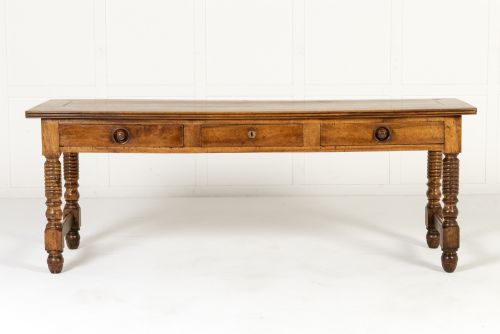
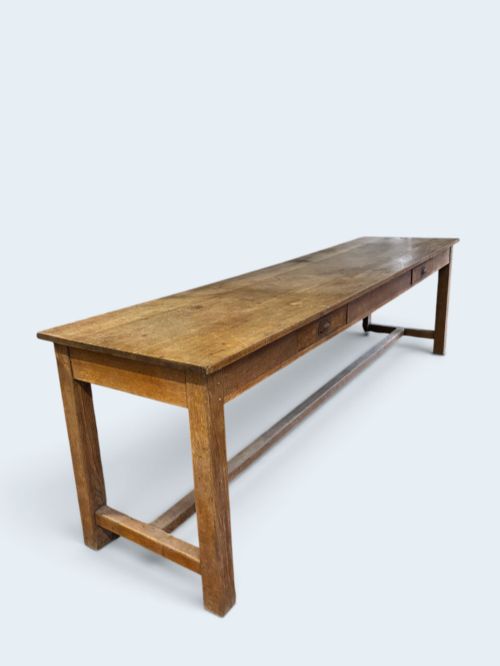
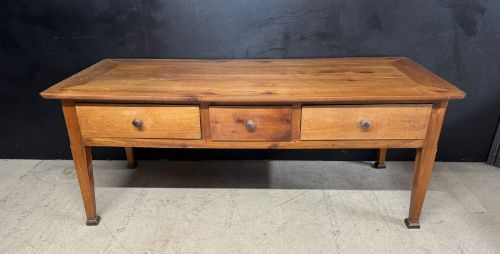
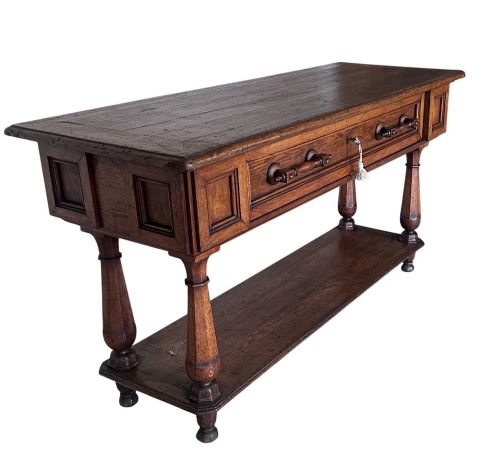
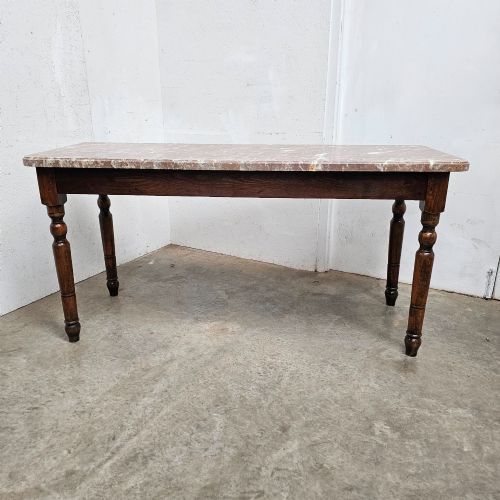
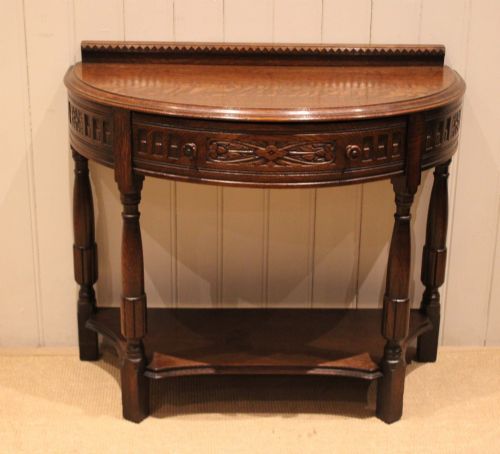
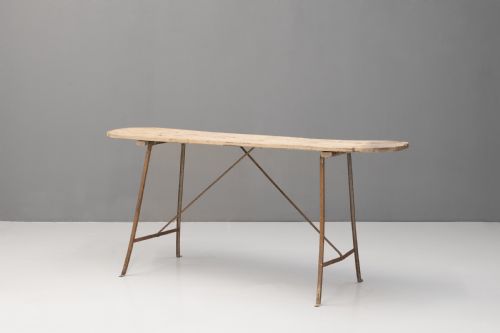
A french country console table combines domestic utility with regional French style, spanning pieces originally built for serving, writing or kitchen work. Buyers searching for this phrase encounter sturdy side pieces, long drapers tables, and narrow serving furniture designed to sit flat against a wall. The selection leans heavily towards nineteenth-century examples shaped by provincial craftsmanship.
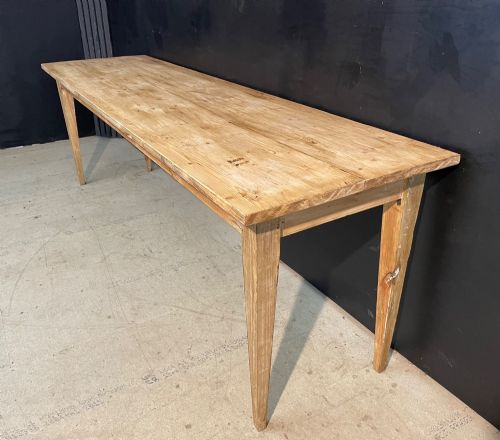
Origins stretch from eighteenth-century oak designs up to early twentieth-century workshop tables. Buyers are most likely to meet nineteenth-century pine, oak, and cherrywood iterations finished with natural grain, bleached timber, or aged paint. Every example reflects the straightforward domestic needs of rural French provinces.
Materials and construction methods
Carpenters relied on solid local timbers including oak, pine, cherrywood, and elm to build these functional tables. Construction prioritises durability, utilising thick planks for table tops and sturdy stretchers for support. Surfaces often show the honest marks of daily labour, hand-planing, and traditional joinery.
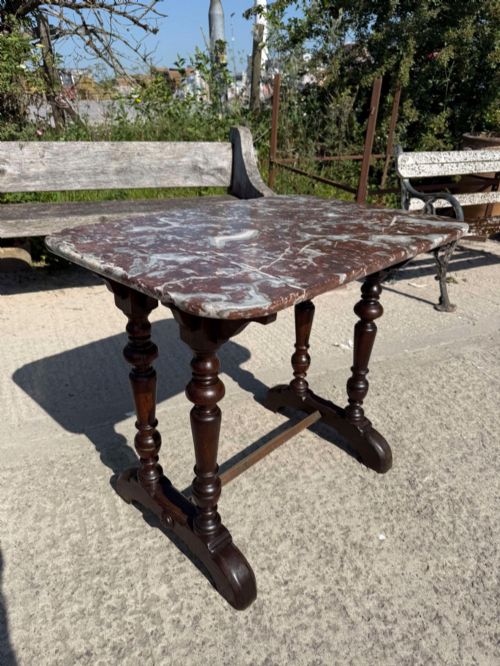
Finish treatments range from scrubbed natural wood and bleached oak to layered historical paint and wax. Where specialised use demanded it, makers incorporated marble tops, brass fittings, iron hardware, or verdigris copper to withstand heavy domestic or commercial tasks.
French Country Console Table Retail Price Guide 2026
Typical asking prices for french country console table among the pieces listed under this phrase on Sellingantiques today, from the lower quarter to the upper quarter. They describe what is for sale here now, not the wider market.
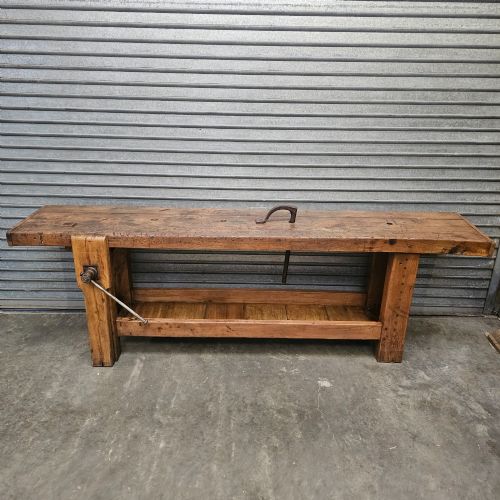
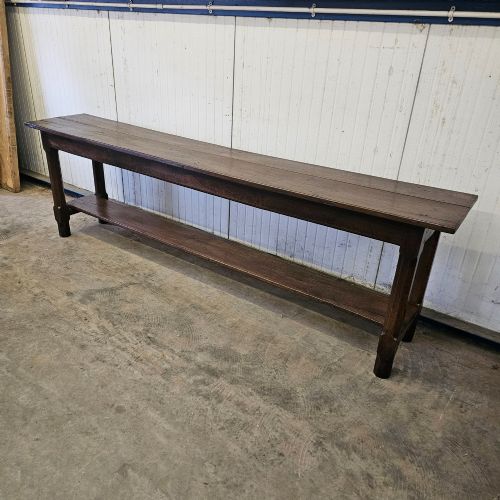
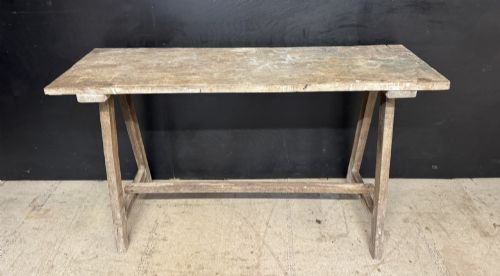
Form variations range from narrow console tables and side tables to industrial workbenches, drapers tables, and marble-topped prep surfaces.
Assessing quality and character
Quality rests in the integrity of the timber and the honesty of the construction. Superior examples feature thick, solid boards, well-proportioned drawers, and original structural elements without excessive modern replacement parts. The handling of the wood grain and the depth of the patination distinguish finer items from standard utility furniture.
The distinction between a humble work table and a refined serving piece lies in the subtlety of the shaping and the choice of wood. Finer cherrywood and figured oak versions display deliberate joinery and balanced proportions, whereas primitive pine or elm variants value rugged utility above all else.
The French Country Console Table Glossary
- Console table
- A table designed to stand against a wall, often narrow in depth to save floor space. These pieces frequently function in hallways, dining rooms, or living areas.
- Drapers table
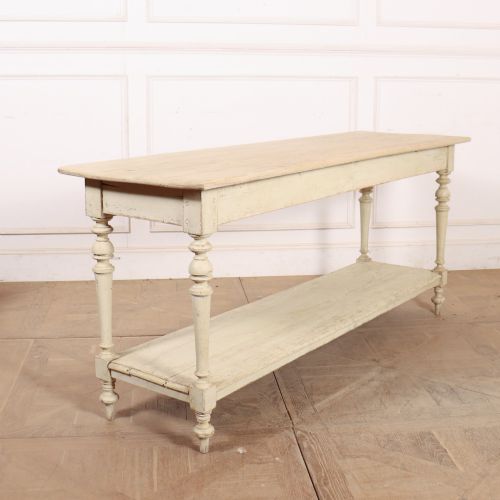
- A long, counter-height wooden table originally utilised in fabric shops or homes for measuring and displaying textiles. They typically feature generous length and clean surface lines.
- Parquetry
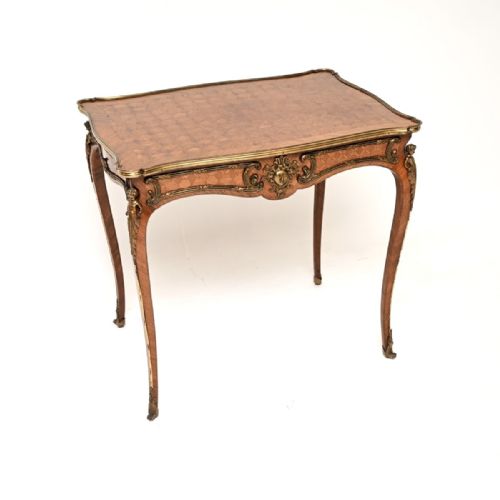
- A geometric mosaic of wood pieces used for decorative inlay on furniture surfaces. This technique appears on finer bureau plat desks and formal console pieces.
- Demi lune table
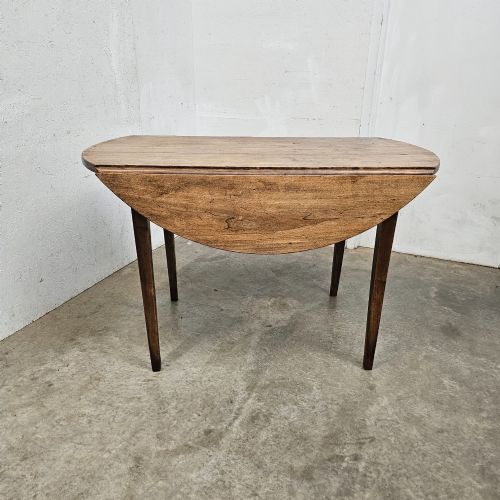
- A half-moon shaped table designed to sit flush against a wall. Their curved fronts provide a softer profile than traditional rectangular tables.
- Scrub-top
- A solid wooden table top designed to be washed repeatedly with water and scrubbing brushes. This finish leaves the timber pale, clean, and textured by grain exposure.
French Country Console Table: Frequently Asked Questions
What is a french country console table used for?
These tables provide a narrow surface for display, storage, or serving in hallways, living rooms, and kitchens. Their versatile proportions allow them to fit into spaces where standard dining furniture proves too bulky.
Historically, many of these formats served as work tables, shop counters, or sideboards before finding a place in modern domestic interiors.
How do I date a nineteenth-century console table?
Dating relies on examining the timber species, tool marks left by saws and planes, and the method of construction. Nineteenth-century pieces frequently display hand-cut joinery and hardware appropriate to their specific decade.
Comparing the wear patterns and finish layers against documented examples from the same period helps narrow down the manufacturing era.
Are these tables suitable for everyday kitchen use?
Many listings originate from workshop, prep, or kitchen tables built specifically for heavy daily tasks. Solid timber tops and sturdy framing make them well-suited for continued practical use.
Care should be taken with vintage painted or scrubbed surfaces, utilising appropriate protection against moisture and heat to preserve the original timber.
What is the difference between a console and a side table?
Console tables are specifically built to stand against a wall, sometimes featuring flat backs and decorative fronts. Side tables are generally smaller and more flexible in placement around a room.
In provincial French furniture, the terms often overlap depending on whether the piece was designed for general serving or wall placement.