



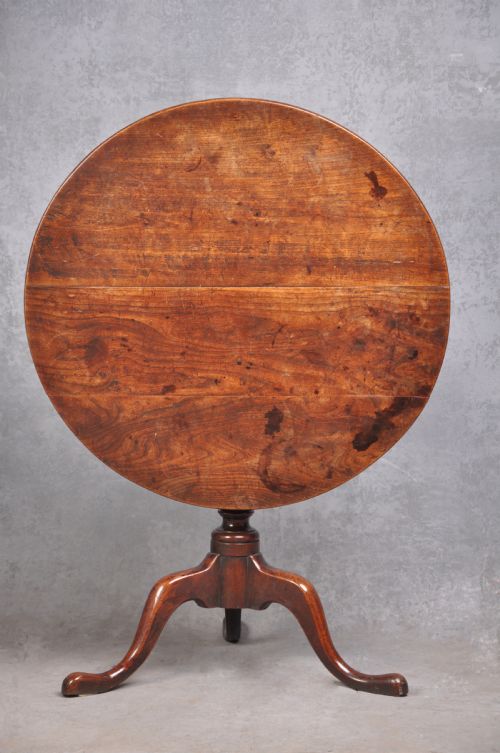

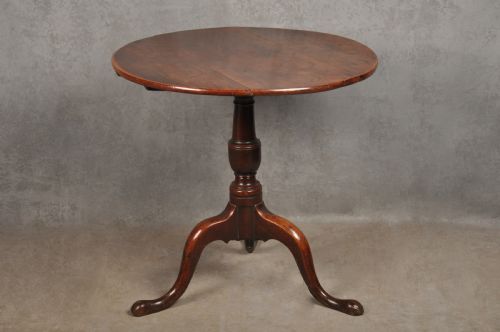


Cherrywood Side Table
A cherrywood side table brings a warm, fruitwood grain and honest provincial character to any room it inhabits.
Cherrywood Side Table
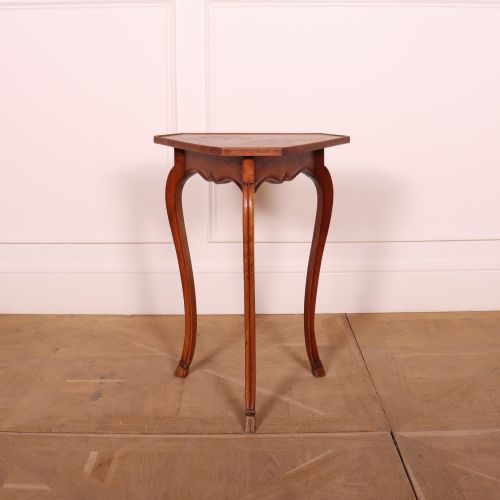
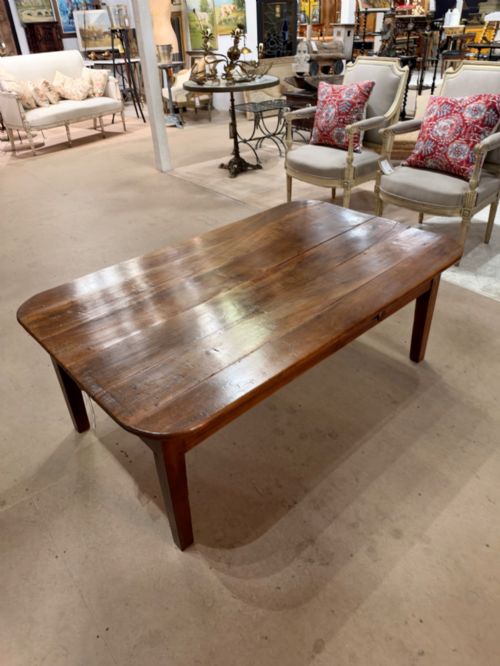
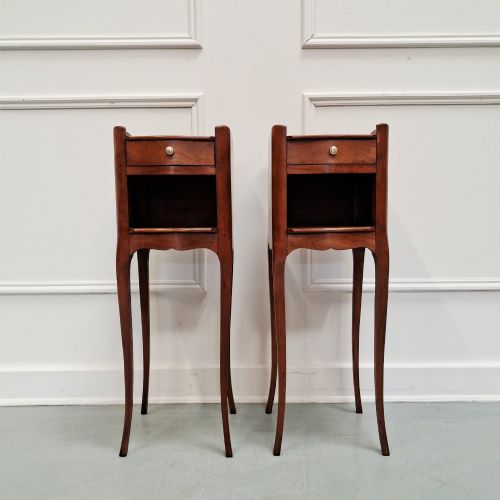
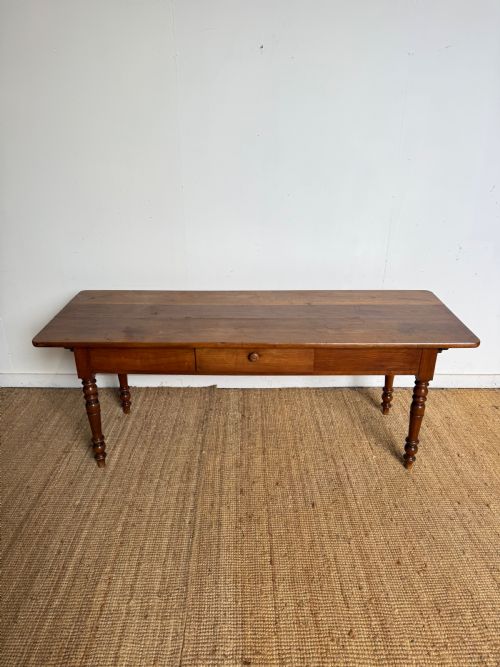
When you search for a cherrywood side table, you encounter a variety of forms rooted in European provincial craftsmanship, primarily French and English country traditions. The selection spans compact bedside tables and nightstands, tripod tables, lowboys, and larger console or serving tables.
The pieces appearing most frequently on this page date from the eighteenth and nineteenth centuries, with distinct examples running into the early twentieth century. French provincial and Georgian styles dominate the selection, bringing unpretentious domestic utility together with regional elegance.
How they were made
Cabinetmakers relied on cherrywood and related fruitwood timbers, often utilising solid boards for tops and structural framing. Metal and brass fixings appear on drawers and fittings, supporting the functional daily use of these tables in country houses and provincial homes.
Joinery techniques reflect traditional workshop methods of the period, employing pegged joints, hand-cut dovetails for drawers, and turned or cabriole legs suited to regional aesthetic preferences.
Cherrywood Side Table Retail Price Guide 2026
Typical asking prices for cherrywood side table among the pieces listed under this phrase on Sellingantiques today, from the lower quarter to the upper quarter. They describe what is for sale here now, not the wider market.
Several bedside tables hide small candle shelves designed for late-night readers before electricity reached the farmhouse.
What varies in quality
Quality rests primarily in the depth of the timber's patina and the integrity of the original construction rather than decorative ornamentation. Tables retaining their original surface finish and unblemished fruitwood grain display a superior character compared to pieces that have undergone heavy restoration.
Proportion and the subtlety of hand-turned legs or shaped aprons distinguish finer workshops from utilitarian pieces. The tactile warmth of the wood and the clean movement of drawers indicate the underlying standard of the maker.
The Cherrywood Side Table Glossary
- Lowboy
- A small oak, walnut, or cherrywood table with one or more drawers, commonly used as a dressing table or side table in the eighteenth century.
- Fruitwood
- A timber classification including cherry, apple, and pear, valued by country cabinetmakers for its dense grain and warm colour. It develops a rich patina over decades of use.
- Tripod table
- A small occasional table supported by a central pillar on three legs, often featuring a tilt-top mechanism. They became popular in the eighteenth century for serving tea or holding books.
- Provincial
- Describing furniture made in regional areas rather than capital cities, reflecting local materials and vernacular design traditions. French provincial pieces often display softer, organic lines.
- Patina
- The deep, lustrous surface sheen developed by wood over years of handling, polishing, and exposure to light. It serves as a visual indicator of age and authenticity.
Cherrywood Side Table: Frequently Asked Questions
How do I care for cherrywood?
Keep the wood away from direct heat sources and strong sunlight to prevent the natural fruitwood colour from fading or drying out.
Apply a traditional beeswax polish periodically to maintain the surface sheen and protect the grain.
Can I use these as bedside tables?
Many examples on this page, particularly the French nightstands and compact lowboys, suit bedside placement perfectly.
Their proportions and drawer space provide practical storage for evening essentials while adding warmth to a bedroom.
What defines Georgian style?
Georgian furniture spans the eighteenth century, balancing classical proportions with understated elegance and functional form.
In cherrywood, this style appears in clean-lined lowboys and side tables that prioritise timber quality over heavy carving.