

Warm Brown Accent Table
A warm brown accent table brings rich timber grain and compact utility to a room, offering a practical surface with enduring visual warmth.
Warm Brown Accent Table
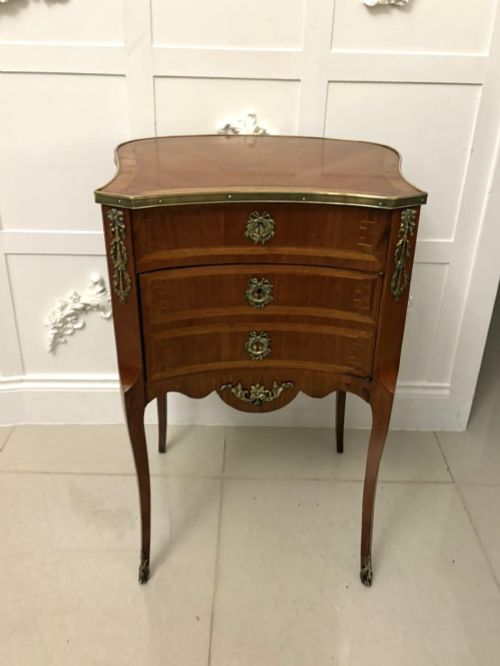
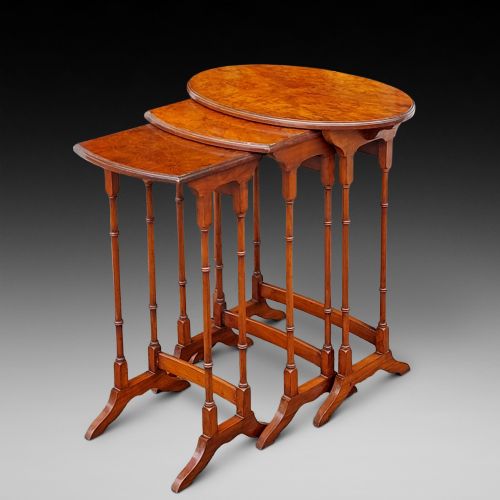
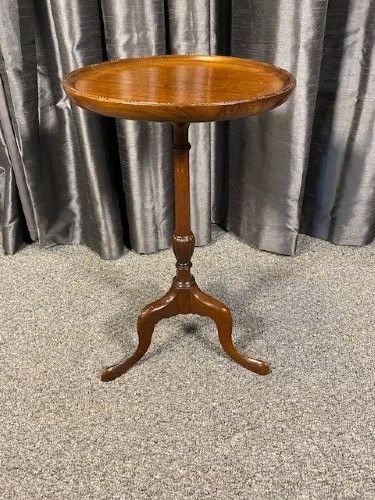
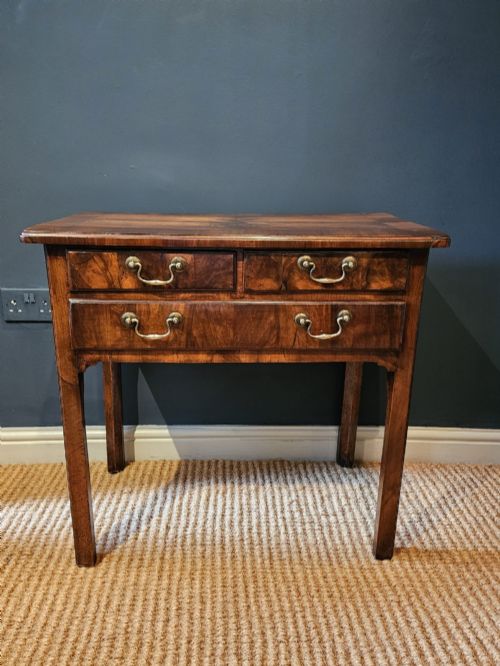
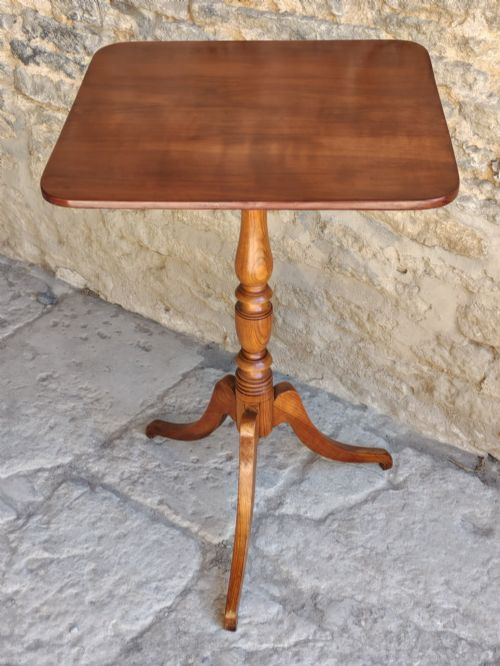
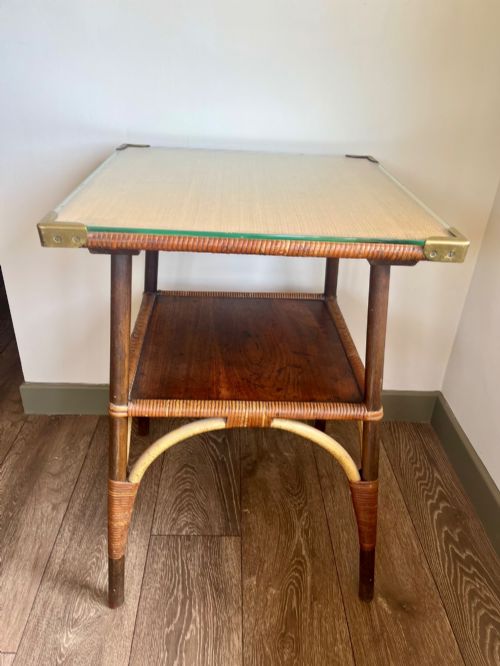
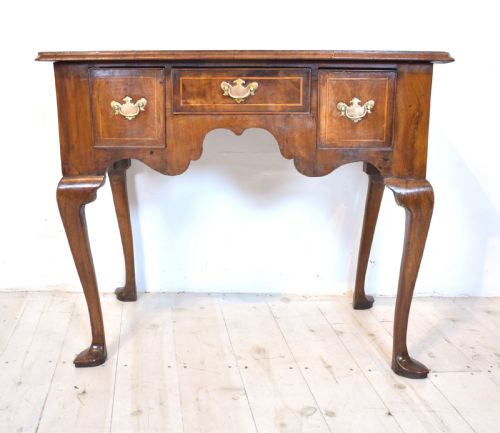
A warm brown accent table encompasses a diverse group of smaller occasional timber furniture pieces designed for versatile placement around a room. The selections span compact side tables, wine tables, lowboys, and nesting sets originating from various historic periods.
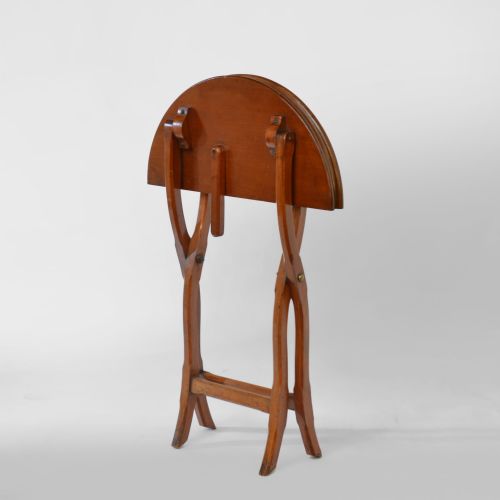
The most common examples encountered on this page date from the eighteenth and nineteenth centuries, alongside early twentieth-century interpretations. These include Georgian mahogany and walnut pieces, Victorian drop-leaf and folding tables, and later Art Deco walnut designs.
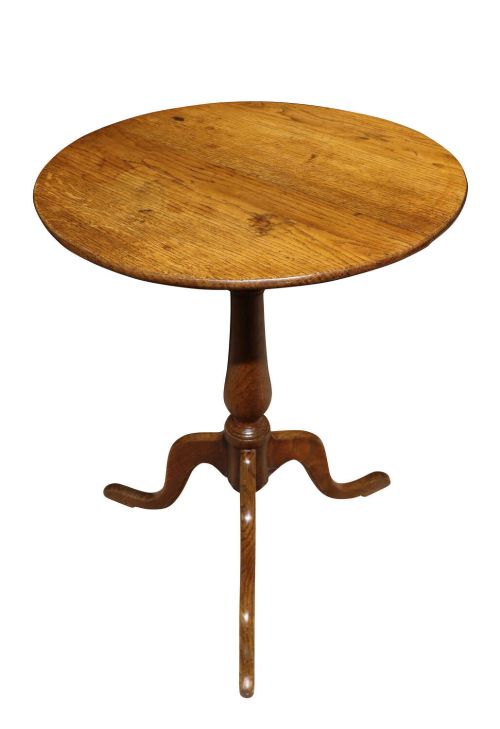
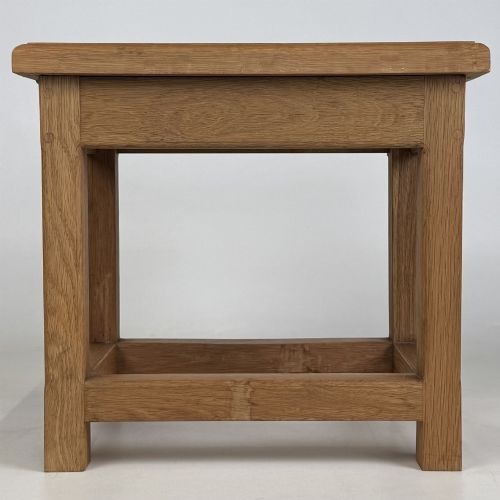
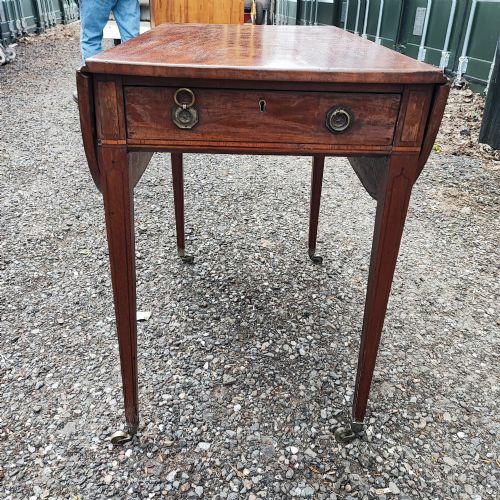
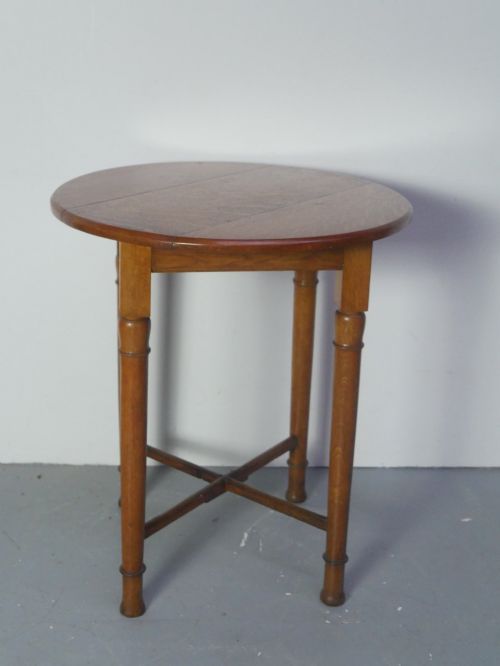
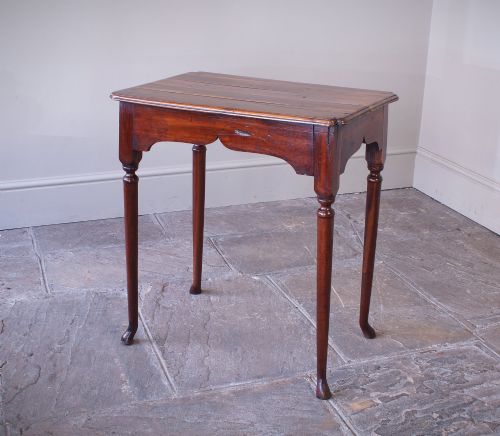
Forms vary from tripod wine tables and Pembroke tables to lowboys and occasional tables featuring rectangular, octagonal, or circular tops. Woods such as mahogany, walnut, oak, fruitwood, and pine dominate the selection, providing the characteristic warm brown palette.
Distinguishing quality in timber occasional furniture
Quality rests upon the selection of the timber and the precision of the cabinetmaker's joinery. Superior pieces display carefully matched veneers, tight joints, and original hardware.
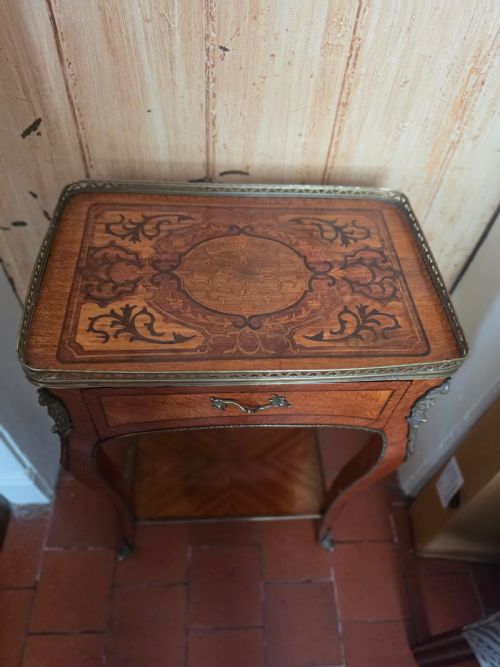
The sophistication of the carving, inlay, or marquetry work separates standard utility pieces from finer examples. Subtle details such as moulded table edges and well-proportioned tripod bases indicate higher craftsmanship.
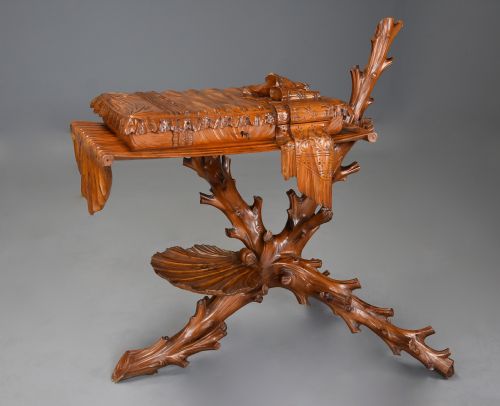
A genuine Grotto work table carved from pine brings an unexpected burst of rustic seaside theatre right into the parlour.
Dryad Leicester·Gilbert Rohde·Gillows
The Warm Brown Accent Table Glossary
- Lowboy
- A small side table or dressing table featuring a low set of drawers, typically dating from the eighteenth century. These pieces usually stand on cabriole or straight legs.
- Pembroke table
- A small drop-leaf table with hinged flaps on either side, popular during the Georgian period. They often include a single drawer and were designed to be easily moved.
- Tripod table
- A small occasional table supported by a central pillar resting on three spreading feet. This form became widely popular in England during the eighteenth century.
- Marquetry
- The art of applying decorative pieces of veneer to a structure to form intricate patterns or pictures. Craftsmen used various tinted woods to achieve tonal contrast.
- Cross-banding
- A border technique where thin strips of veneer are laid perpendicular to the grain of the main surface. This frames the top and accentuates the warm timber tones.
Warm Brown Accent Table: Frequently Asked Questions
What is the difference between a side table and an occasional table?
A side table generally stays positioned against a wall or beside a specific piece of furniture, often incorporating drawers for storage. An occasional table is lighter and more easily moved around a room as needed.
Both serve similar functional roles in holding lamps, books, or decorative items while contributing to the overall interior aesthetic.
How do I care for antique timber tables?
Keep wooden tables away from direct heat sources and strong sunlight to prevent the timber from drying out and the finish from fading. Regular dusting with a soft, dry cloth maintains the surface sheen.
Avoid using silicone-based polishes or harsh chemical sprays, opting instead for traditional beeswax applied sparingly when the wood appears dry.
Where can I use a lowboy in a modern home?
A lowboy works well as a compact hall table, a bedside surface, or a small desk in a study. Its shallow depth allows it to fit into narrow corridors and alcoves without obstructing walkways.
The inclusion of drawers also provides convenient storage for keys, stationery, or small personal items.
How can I tell an 18th-century table from a later copy?
Examine the construction methods, tool marks, and timber shrinkage visible beneath the table and inside any drawers. Hand-cut dovetails and older secondary woods indicate period manufacture.
Wear patterns around the edges and feet should look consistent with age and use rather than artificially distressed.