

Dark Mahogany Plant Stand
These dark mahogany plant stands elevate a room with rich timber and sturdy vertical form, offering a practical stage for heavy stems and trailing foliage.
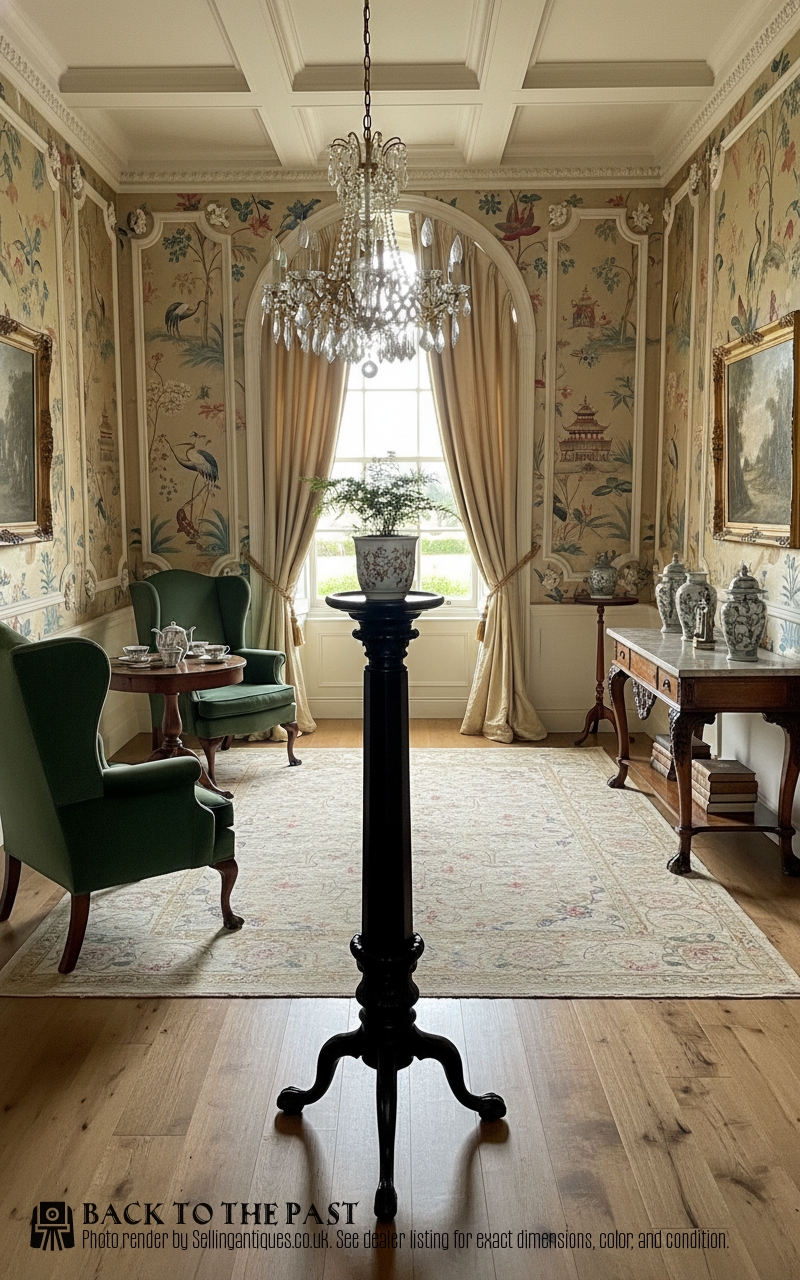
Dark Mahogany Plant Stand
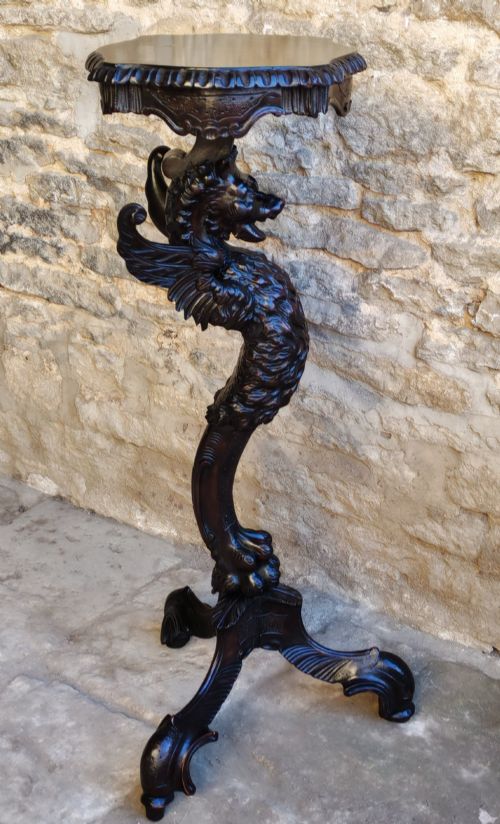
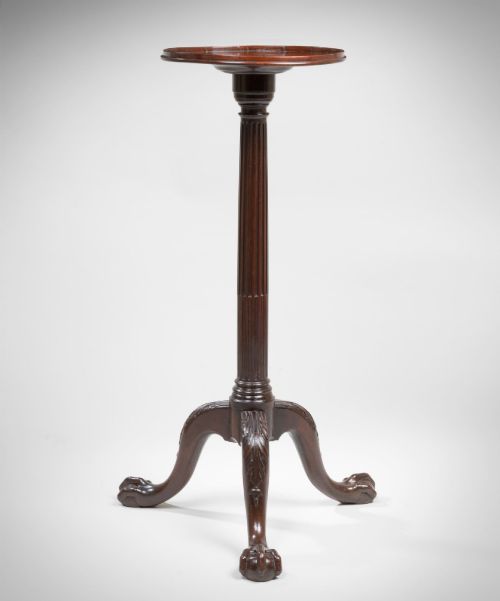
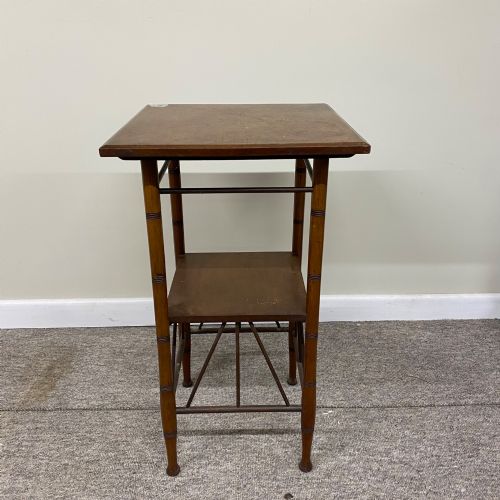
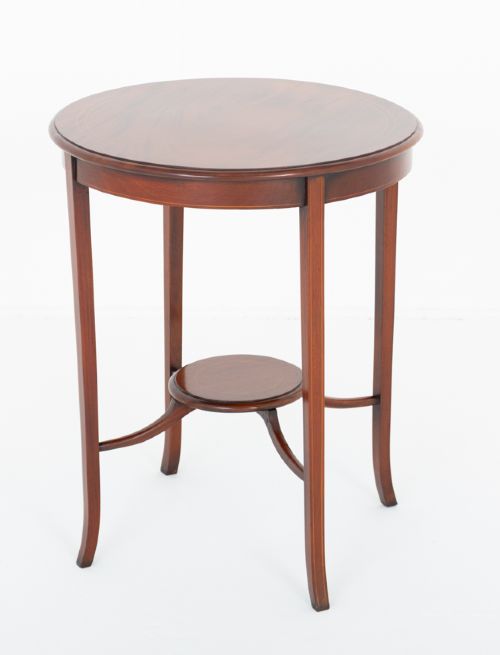
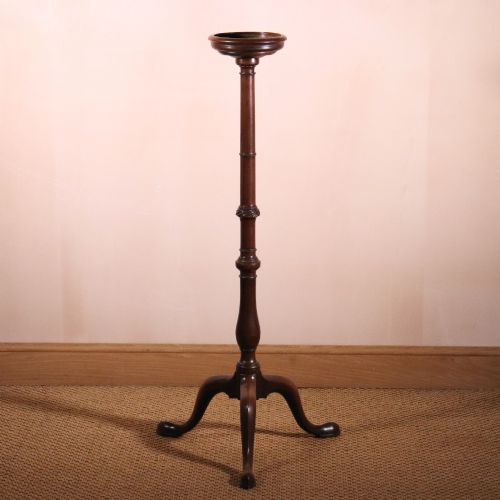
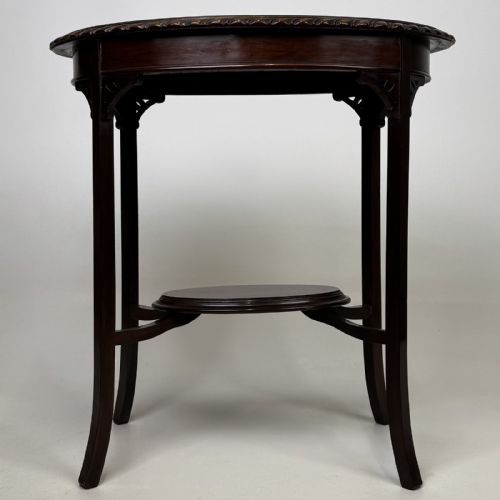
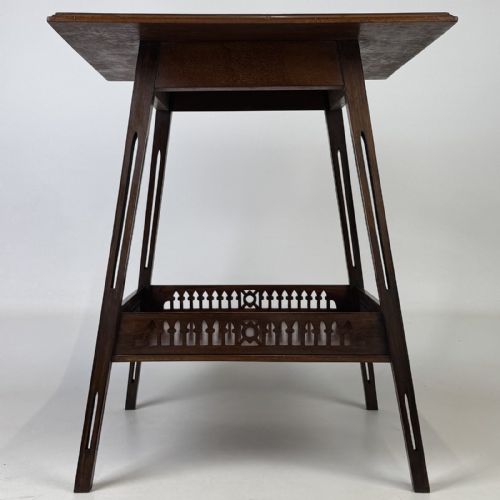
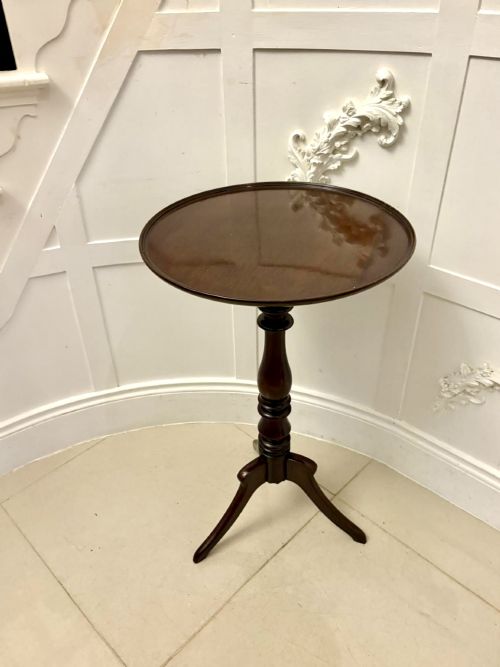
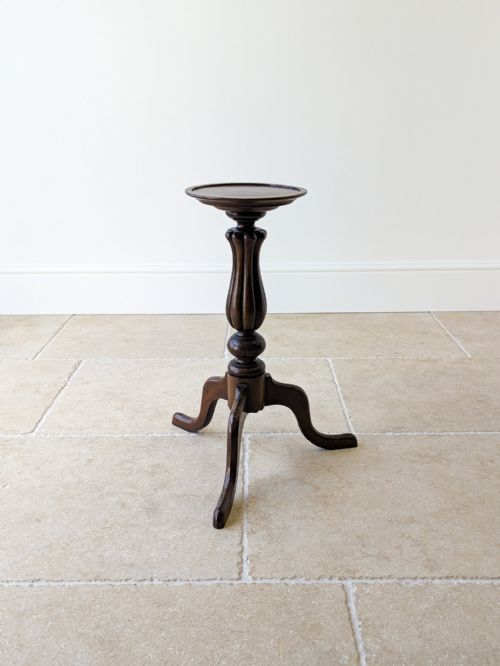
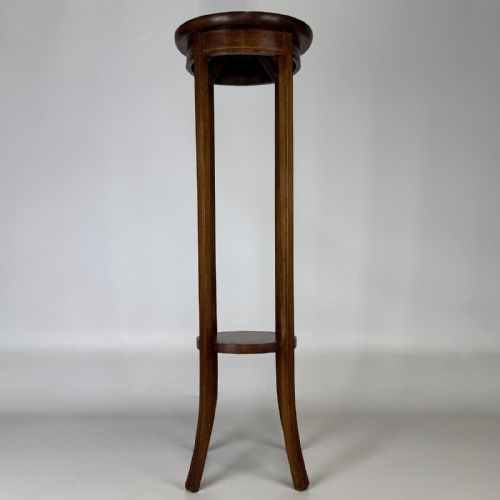
A dark mahogany plant stand brings architectural height and deep reddish-brown timber tones to an interior space. These pieces appear in forms such as torcheres, tall column stands, and occasional side tables adapted for botanical display.
The selection ranges across the eighteenth and nineteenth centuries, including Georgian and Victorian eras, alongside William IV designs. Makers also utilised rosewood and incorporated brass details within these varied forms.
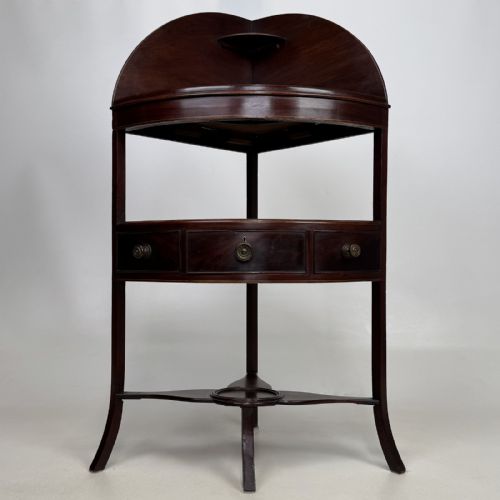
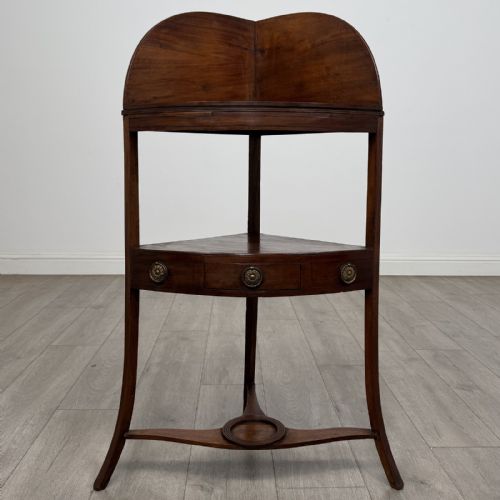
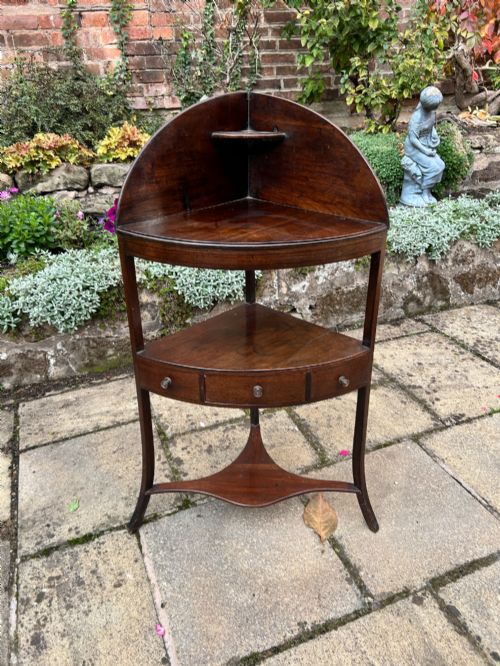
Alongside dedicated plant stands and torcheres, listings span related timber forms like washstands and revolving tables. Each piece serves to lift greenery or decorative objects above floor level.
Materials and construction
Construction relies heavily on solid mahogany and rosewood, chosen for their dense grain and deep natural colour. Artisans turned timber on lathes to create tall columns and slender upright supports.
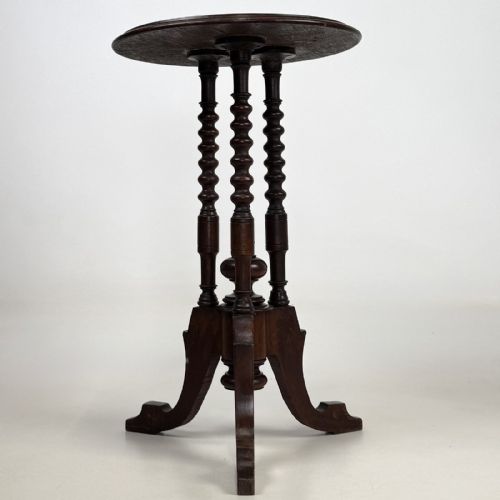
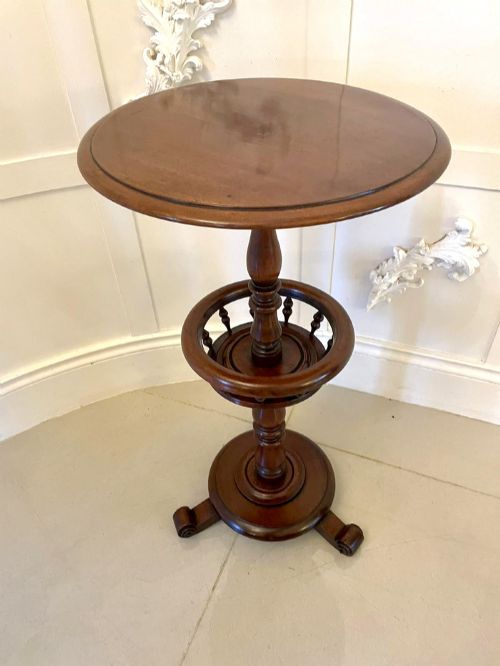
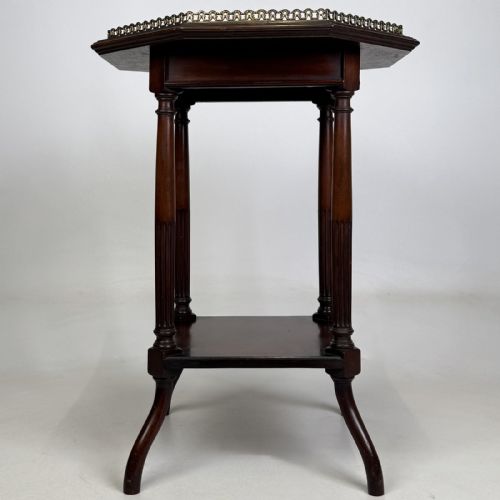
Carved details appear across Victorian examples, showing hand-chiselled ornamentation on shafts and bases. Selected pieces also incorporate brass mounts and fittings to secure joints or accent the timber.
Dark Mahogany Plant Stand Retail Price Guide 2026
Typical asking prices for dark mahogany plant stand among the pieces listed under this phrase on Sellingantiques today, from the lower quarter to the upper quarter. They describe what is for sale here now, not the wider market.
Current listings span the eighteenth and nineteenth centuries, featuring mahogany, rosewood, and brass.
Judging quality and character
Quality rests in the weight and stability of the timber column, where dense mahogany provides a solid foundation without unwanted sway. Superior pieces show crisp hand-carving rather than soft or shallow moulding.
The richness of the wood finish dictates visual depth, with well-maintained polish highlighting the natural grain patterns. Better examples maintain balanced proportions between a slender upper platform and a weighted base.
The Dark Mahogany Plant Stand Glossary
- Torchere
- A tall, slender stand originally designed to hold a candle or light source. In modern placement, these elevated surfaces support single potted plants.
- Jardiniere
- An ornamental receptacle or stand for holding plants and flowers. These pieces often combine display surfaces with decorative framing.
- Column stand
- A furniture form featuring a central vertical pillar supporting a flat top. This structure maximises height while occupying a minimal floor footprint.
- Rosewood
- A dense, heavy timber with a dark grain often used alongside mahogany. This material appears on nineteenth-century tables and plant stands.
Dark Mahogany Plant Stand: Frequently Asked Questions
What is a torchere plant stand?
A torchere plant stand is a tall, slender furniture piece originally built to hold lighting. Their height makes them suited for displaying trailing greenery in room corners.
These stands use narrow columns and stable bases to lift plants off the floor. They bring vertical interest to empty spaces.
How do I care for mahogany?
Mahogany requires basic dusting with a soft cloth and protection from direct sunlight. Keeping the timber away from extreme heat sources prevents the wood from drying out.
Applying occasional wax preserves the deep reddish-brown finish. This routine maintains the natural sheen of the grain over time.
Where should I place a tall column stand?
Tall column stands suit corners, hallways, or beside seating where vertical accent is needed. Their narrow footprint allows them to fit into tight spaces without blocking movement.
Ensure the stand rests on level flooring for stability when holding heavy pots. Pairing the height of the stand with the length of the plant creates visual balance.
How can I tell Victorian stands apart?
Victorian stands frequently feature carved mahogany columns and heavier proportions than earlier Georgian pieces. These nineteenth-century designs often incorporate turned wood elements and dark finishes.
Some examples also include revolving tops or brass details. Examining the turning style helps distinguish the period.