

Antique Torchere Column
An antique torchere column elevates a vase or light with sculptural presence, bringing height and classical proportion to a room.
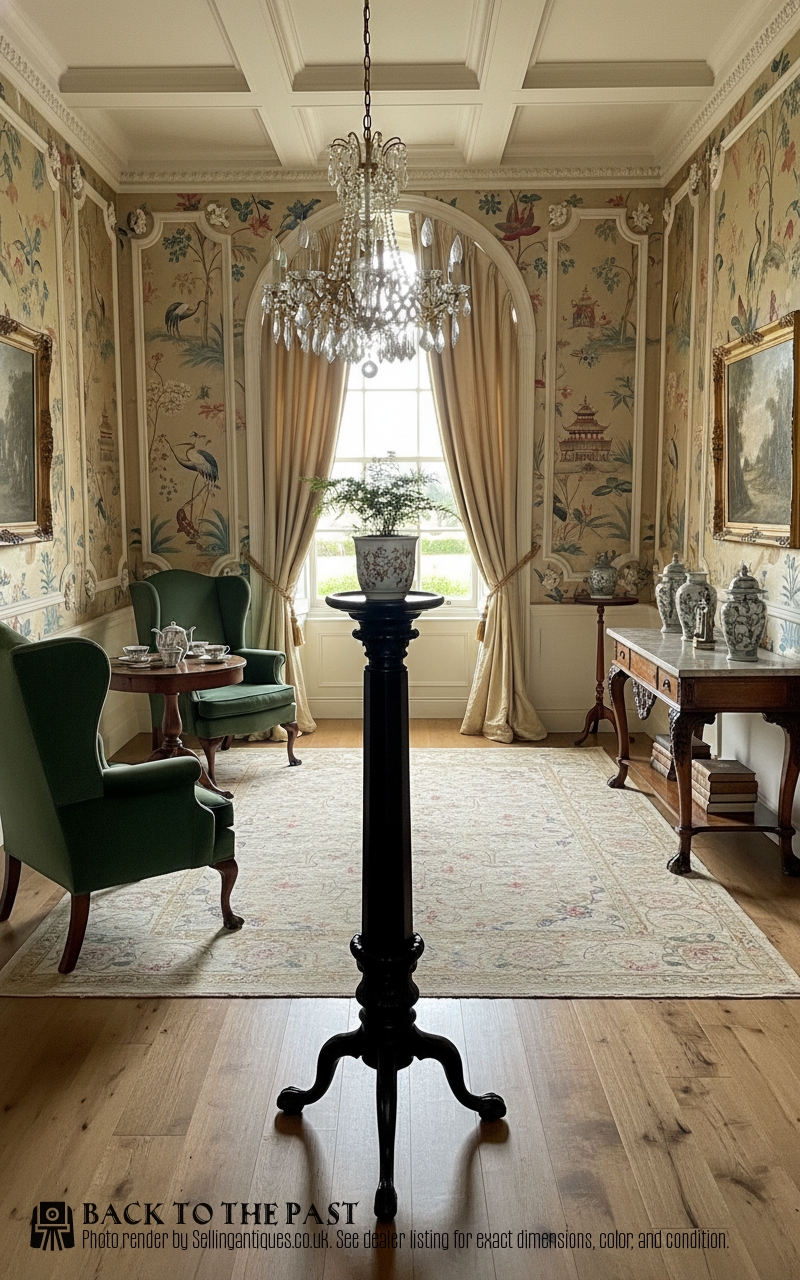
Antique Torchere Column
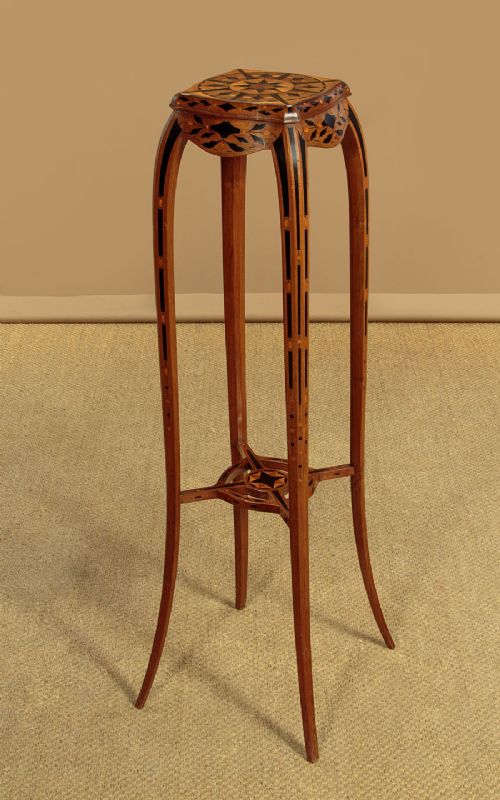
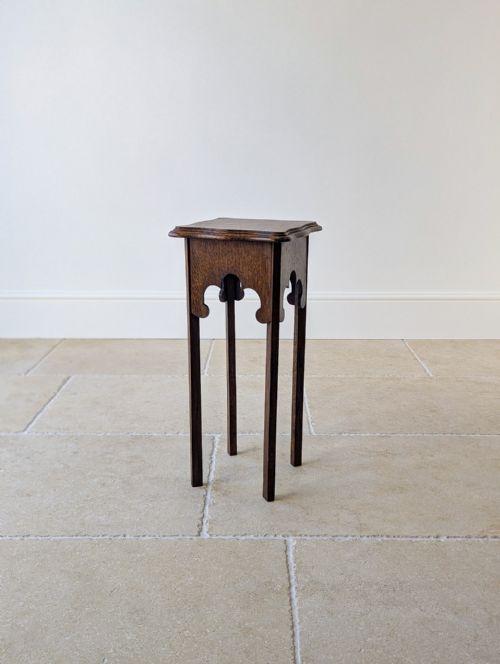
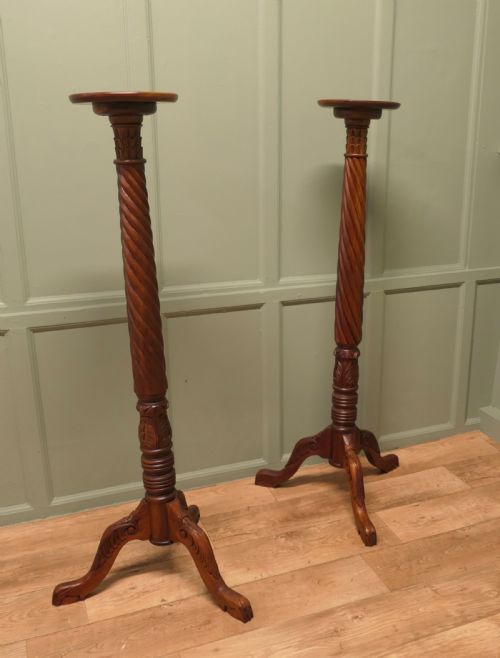
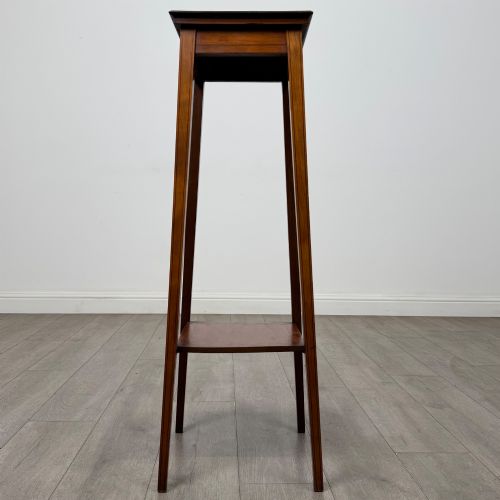
An antique torchere column serves primarily as a tall, slender support for urns, jardinieres, busts and lamps. These pieces function to lift decorative objects into the line of sight, creating vertical emphasis within a interior space.
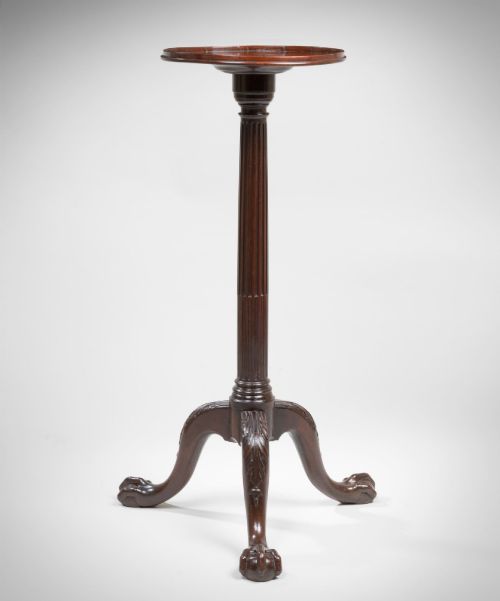
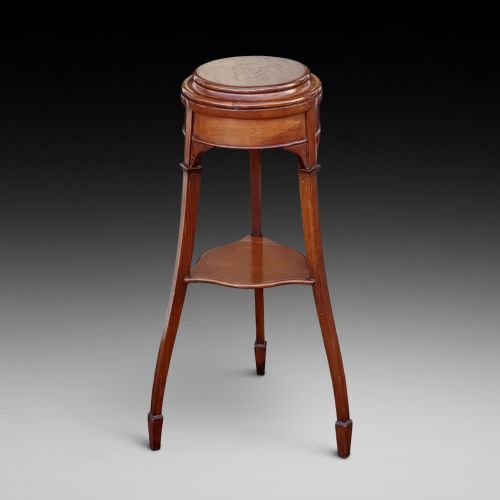
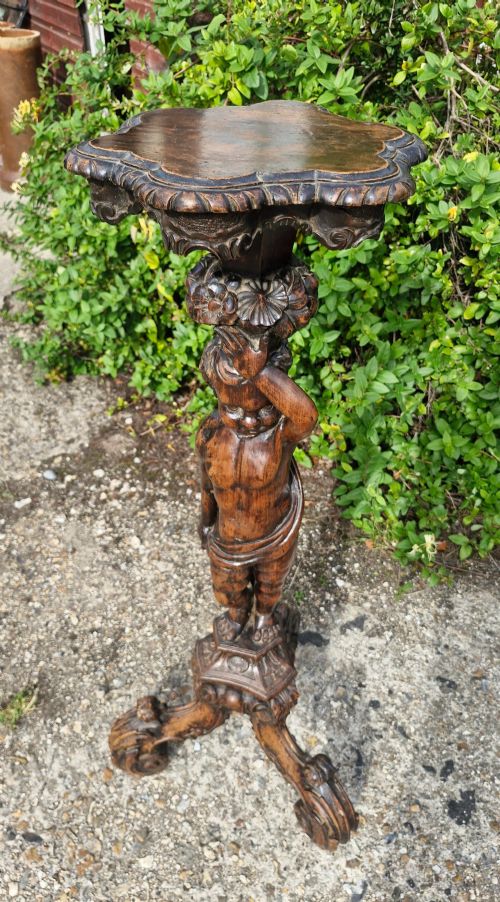
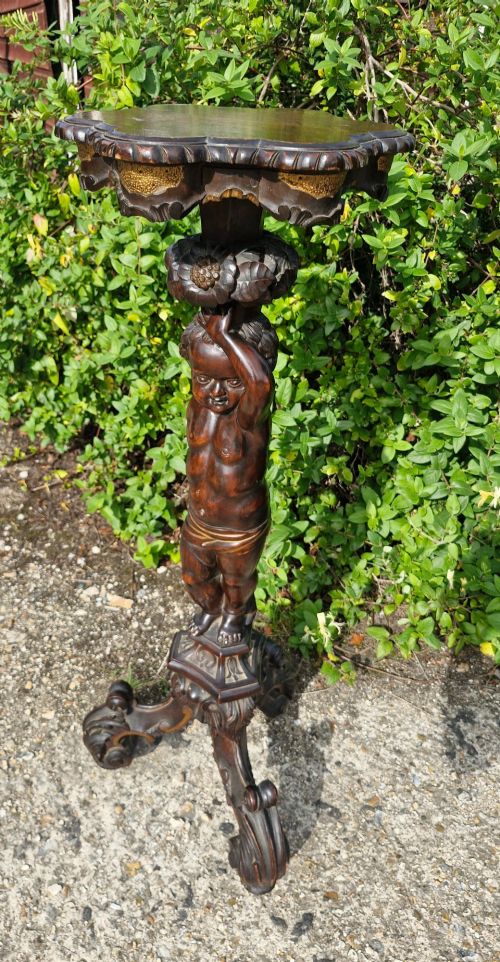
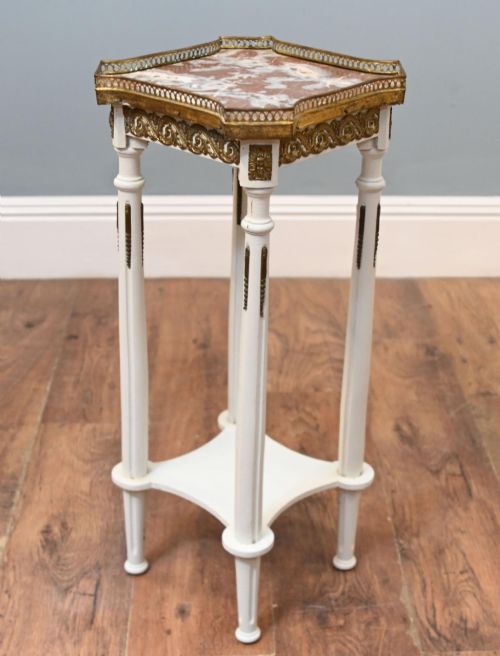
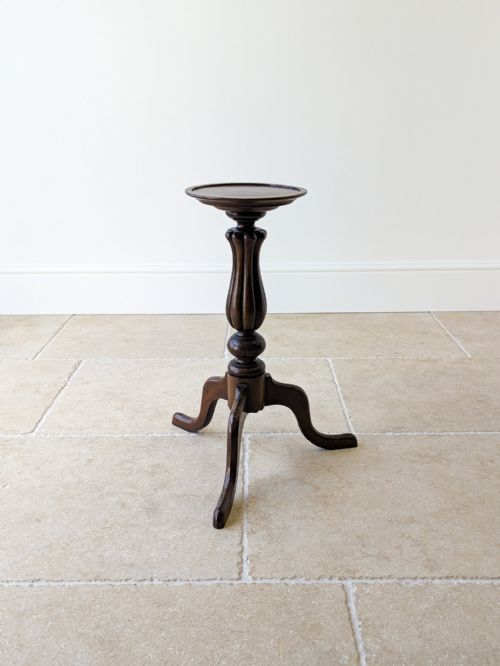
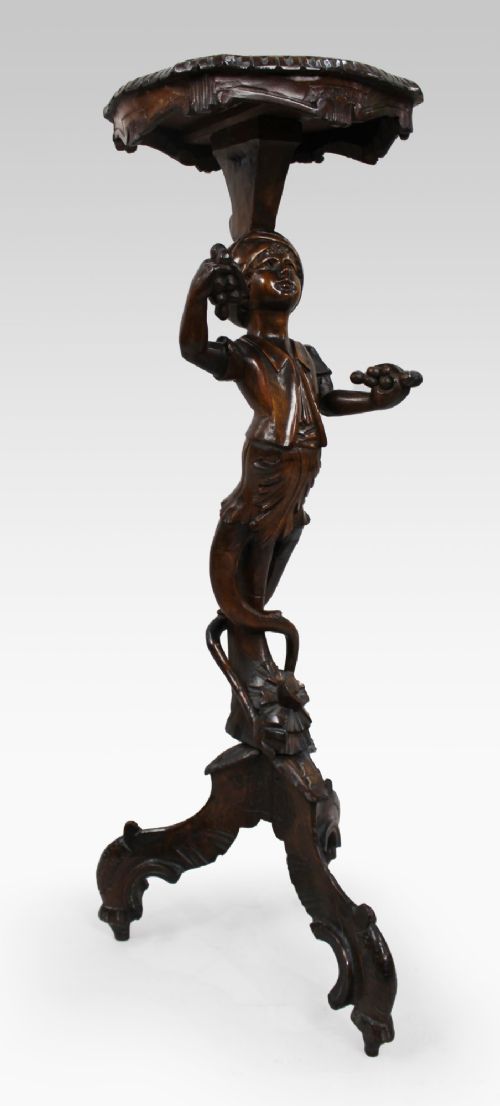
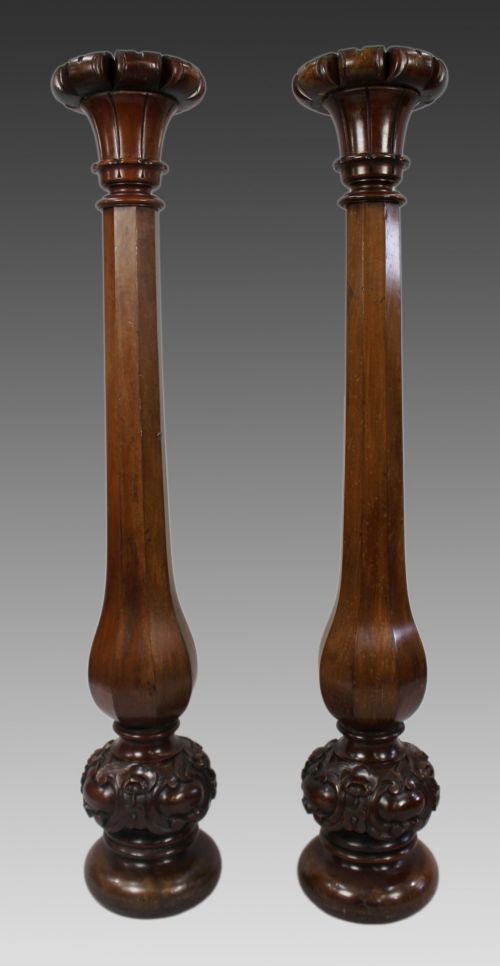
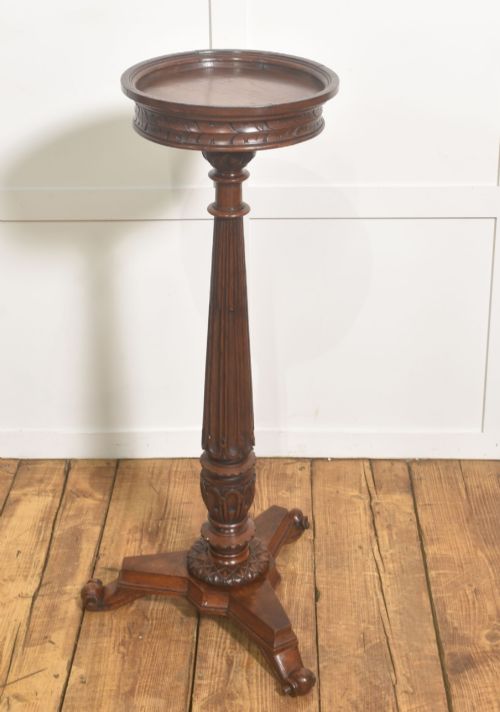
The selection here draws heavily from the nineteenth century, featuring Victorian and Edwardian examples alongside earlier Georgian designs. Common forms include tripod bases, fluted columns and figural supports intended for display.
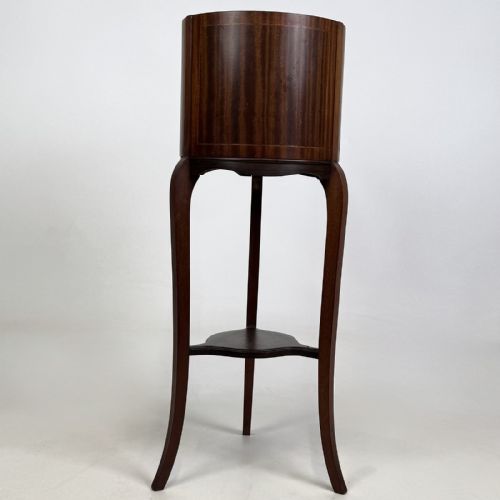
Many of these stands double as plant stands or specialised plinths for sculpture. Walnut and mahogany dominate the timber options, frequently paired with marble tops or bronze mounts.
How They Were Made
Cabinetmakers constructed these columns using dense timbers such as mahogany, walnut and oak, often employing turned plinths and solid pillar shafts. Carved wood details, gesso ornamentation and applied ormolu mounts added rich surface texture.
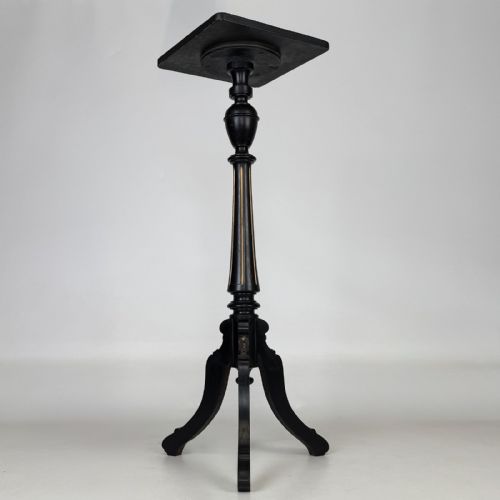
Marble inserts provide durable, cool surfaces designed to resist moisture from potted plants and jardinieres. Ebonised finishes and original green paint treatments offer alternative aesthetic routes utilised by period makers.
Antique Torchere Column Retail Price Guide 2026
Typical asking prices for torchere column among the pieces listed under this phrase on Sellingantiques today, from the lower quarter to the upper quarter. They describe what is for sale here now, not the wider market.
The site listings feature solid mahogany, oak, walnut, marble, and brass across Victorian and Edwardian periods.
What Varies in Quality
The finesse of the carving dictates much of the distinction between standard production and exceptional work. Crisp leaf motifs, deeply undercut foliage and finely detailed figural elements demonstrate superior hand skill.
Stability and balance remain vital indicators of design integrity in tall furniture. Heavier timber bases, precise joinery and balanced triform supports ensure the column holds heavy marble tops and bronze figures securely.
Shoolbred·George Smith·Thomas Hope·Humphrey Hopper
The Antique Torchere Column Glossary
- Torchere
- A tall ornamental stand originally designed to carry a torch or candle, later adapted for lamps and plants.
- Plinth
- The flat base or lower block upon which a column, pedestal or statue rests.
- Jardiniere
- An ornamental pot or stand specifically made for holding plants and flowers within a room.
- Ormolu
- Gilded bronze or brass applied as decorative mounts on furniture and decorative objects.
- Triform
- Having three sides or a three-legged base structure common in tripod stands.
Antique Torchere Column: Frequently Asked Questions
What is an antique torchere column used for?
These tall stands support heavy jardinieres, marble busts and decorative lamps. They lift objects to eye level to enhance room proportions.
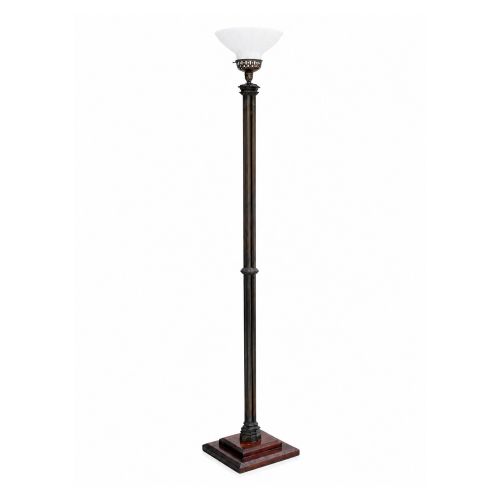
Historically, they also provided elevated lighting before fixed wiring became common in domestic interiors.
How do I spot a Victorian torchere?
Victorian examples often feature dark carved mahogany, walnut or ebonised wood with heavy turned columns. Look for robust triform bases and classical revival motifs.
Many incorporate marble tops designed to withstand water from potted plants.
Can these columns hold heavy lamps?
Solid timber columns with wide tripod or square bases offer excellent stability for heavy bronze figures and lamps. The weight distribution prevents tipping.
Checking the base construction ensures the shaft remains upright and secure under load.
What is the difference between a torchere and a pedestal?
Torcheres traditionally lean toward lighter, more decorative shafts intended for illumination or display. Pedestals generally present a heavier, architectural column form built to support classical busts.
Over time, makers often used both terms interchangeably for tall display stands.